Source Ni80cr20 Resistive Element Sheet for Heaters, Resistors, and Furnaces
Find and compare 30 Ni80cr20 Resistive Element Sheet options from Shanghai suppliers. Evaluate key specifications including electrical resistivity, max working temperature, and chemical composition to select the right material for industrial heating and resistor applications.
Key considerations
Products List


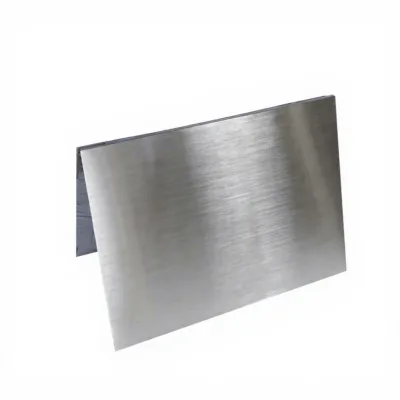
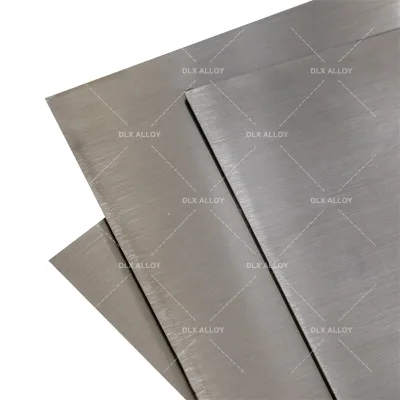


Nickel alloy Eletrical Resistance Strip HAI-NiCr 80 Strip Nicr8020 tape Ni Cr Sheet
$26.00 - $35.00
MOQ: 20 kilograms


Comprehensive Sourcing Guide
Ni80cr20 Resistive Element Sheet Sourcing Guide
When evaluating Ni80cr20 resistive element sheets, buyers must distinguish between specific alloy compositions and general nickel-chromium product categories. The supplied data indicates a market presence of various nickel-chromium alloys, including models such as NiCr8020, which aligns with the 80% nickel and 20% chromium composition typically associated with the Ni80cr20 designation. However, the observed listings also feature significant variations in chemical composition, with some products listing nickel content at 66% or 56%, alongside differing densities and electrical resistivity values. This variance necessitates a rigorous verification process where the buyer explicitly confirms the specific alloy grade before finalizing any procurement order, as the performance characteristics of a 66% nickel alloy differ substantially from those of an 80% nickel alloy.
The sourcing landscape for these elements is characterized by a wide range of product attributes, including melting points from 1400°C and maximum working temperatures ranging from 1150°C to 1250°C. While the core keyword implies a specific high-temperature resistance profile, the available data shows that products labeled with similar names may have maximum working temperatures as low as 1150°C or as high as 1250°C depending on the specific model and manufacturing standard. Buyers should treat the observed price range of 4.8 to 950 USD and MOQs between 1 and 100 units as indicative of market diversity rather than a fixed baseline, ensuring that the specific technical requirements of their heating system or resistor application are matched to the precise specifications of the supplier's inventory.
Product Scope and Observed Listing Signals
The product scope for resistive element sheets in this category spans multiple industrial applications, including heating systems, aviation, electronics, medical devices, and chemical processing. The observed listings confirm that these sheets are available in shapes such as "Sheet" and "Nickel Plate," with surface treatments like polishing and packaging options ranging from wooden cases to coil plus wooden case configurations. This diversity suggests that suppliers cater to both small-scale prototyping needs and large-scale industrial deployment, with some vendors offering free samples to facilitate initial testing. Buyers should verify that the specific shape and surface finish align with their installation requirements, as the mechanical properties like elongation (observed at 20% or 30%) and hardness (180 Hv) will directly impact the durability and formability of the element during fabrication.
Listing signals indicate that the origin of these products is frequently Shanghai, China, with standards varying between JIS, GB, DIN, ASTM, AISI, and BS. The presence of multiple standard references in a single listing suggests that suppliers may offer products compliant with different regional or industry-specific norms, requiring the buyer to specify their required standard explicitly. Furthermore, the data shows that while some products are described as "Alloy" with a purity of 80%, others may have different purity levels or carbon contents, such as a noted 0.05% carbon content. This variation underscores the importance of scrutinizing the "Chemical Composition" field in product descriptions to ensure the material matches the intended thermal and electrical performance, rather than relying solely on the generic product name.
Technical Specifications to Verify
Electrical and thermal performance parameters are the primary differentiators for resistive element sheets, with observed electrical resistivity values ranging from 1.09 to 1.18 Ohm mm2/M. When sourcing Ni80cr20 elements, it is critical to verify the exact resistivity value, as even minor deviations can significantly alter the power output and heat distribution of the final heating system. The data also highlights a range of densities from 8.1 to 8.4 g/cm3, which affects the weight and structural load of the element. Buyers must cross-reference the resistivity and density figures against their engineering calculations to ensure the selected sheet will operate efficiently within the designed electrical circuit and thermal load constraints.
Mechanical properties and dimensional tolerances are equally vital for ensuring the longevity and safety of the resistive element. The observed elongation values of 20% and 30% indicate varying degrees of ductility, which influences how the sheet can be bent or shaped without cracking during installation. Additionally, the maximum working temperatures observed range from 1150°C to 1250°C, with melting points noted at 1400°C. Buyers should confirm that the specific model's maximum working temperature exceeds the operational temperature of their application by a safe margin to prevent premature failure. Verification of the standard thickness, such as the observed range of 2~5mm or specific dimensions like 0.1*10mm, is also essential to ensure compatibility with existing heating fixtures and mounting hardware.
Compliance and Safety Documentation
Safety and compliance documentation for resistive elements often include certifications such as SGS, ISO, and RoHS, which are explicitly mentioned in the observed product data. These certifications serve as evidence that the manufacturer adheres to specific quality management systems and environmental standards, which is particularly important for applications in medical, aviation, and chemical industries where regulatory scrutiny is high. Buyers should request current copies of these certificates to verify that the specific batch of products being purchased meets the required safety protocols, rather than assuming that the presence of a certification on a general product page applies to every unit in stock.
In addition to general certifications, buyers must verify compliance with specific material standards such as JIS, GB, DIN, ASTM, AISI, and BS, which are listed as applicable standards for these products. The variation in standards suggests that a single supplier may offer products compliant with multiple international norms, but the buyer must ensure the specific standard matches the regulatory requirements of their target market. For instance, if the application is in the European Union, compliance with specific RoHS directives and DIN standards is mandatory. The absence of a specific certification or standard in the product listing should trigger a direct inquiry to the supplier to confirm whether the product can be supplied with the necessary documentation for the intended application.
Cost Drivers and Commercial Terms
The cost of Ni80cr20 resistive element sheets is influenced by several factors, including the specific alloy composition, the level of surface treatment, and the packaging requirements. The observed price range of 4.8 to 950 USD reflects the diversity of product specifications, where higher purity alloys, specialized surface treatments like polishing, and custom packaging in wooden cases or coils command higher prices. Buyers should understand that the unit price is not static and will fluctuate based on the complexity of the order, such as the need for free samples or the requirement for specific thicknesses like 2~5mm. It is essential to request a detailed quotation that breaks down the cost by material, processing, and packaging to avoid hidden fees.
Commercial terms such as Minimum Order Quantity (MOQ) and lead times are critical variables in the procurement process, with observed MOQs ranging from 1 to 100 units. The flexibility in MOQ allows for small-scale testing with orders as low as one unit, while larger industrial orders may require higher volumes to achieve optimal pricing. Buyers should clarify the lead time associated with their specific order size and any customization requirements, as the production of specialized alloys or specific dimensions may extend the delivery schedule. Additionally, the availability of free samples can be a strategic tool for cost reduction, allowing buyers to validate the product quality before committing to a larger purchase, though this should be confirmed as part of the initial negotiation.
Supplier Qualification and Quality Control
Supplier qualification for resistive element sheets requires a thorough assessment of their manufacturing capabilities and quality control processes. The observed data indicates that suppliers are located in Shanghai, China, and offer products that meet various international standards, but buyers must verify the supplier's ability to consistently produce materials with the exact chemical composition and physical properties required. This includes confirming that the supplier can maintain the specified nickel content, such as the 80% found in the NiCr8020 model, and that they have the necessary equipment to perform surface treatments like polishing without compromising the material integrity.
Quality control measures should extend beyond the final product inspection to include raw material verification and process monitoring. Buyers should inquire about the supplier's internal testing protocols for electrical resistivity, density, and elongation to ensure that the delivered sheets meet the advertised specifications. The presence of certifications like SGS and ISO suggests a commitment to quality, but buyers should request specific test reports for the batch they intend to purchase. Furthermore, the supplier's ability to provide free samples and their responsiveness to technical inquiries are strong indicators of their reliability and willingness to support the buyer's quality assurance efforts throughout the procurement lifecycle.
Long-Term Procurement Checks
Long-term procurement of Ni80cr20 resistive element sheets requires establishing a framework for ongoing quality assurance and performance monitoring. Buyers should implement a system for periodic re-verification of the chemical composition and physical properties of the supplied materials, as variations in the manufacturing process can lead to deviations in resistivity or maximum working temperature over time. This is particularly important for applications in critical sectors like aviation and medical devices, where consistent performance is non-negotiable. Establishing a relationship with the supplier that includes regular quality audits and performance reviews will help mitigate the risk of supply chain disruptions and ensure the continued reliability of the heating elements.
Strategic planning for long-term procurement also involves monitoring market trends and supplier stability to anticipate potential changes in pricing or availability. The observed diversity in product models and standards suggests that the market is dynamic, with new alloys and specifications emerging regularly. Buyers should maintain a flexible procurement strategy that allows for the substitution of equivalent products if a specific model becomes unavailable, while ensuring that any substitutions meet the same rigorous technical and compliance standards. By staying informed about industry developments and maintaining open communication with suppliers, buyers can secure a stable supply of high-quality resistive elements that meet their evolving operational needs.
FAQs
What is the chemical composition of the Ni70cr30 sheet?
The Ni70cr30 sheet contains 66% nickel as a primary component. This specific alloy composition ensures high resistivity and good oxidation resistance for heating applications.
Can I get a free sample of the NiCr8020 resistance sheet?
Yes, a free sample is available for the NiCr8020 resistance sheet. Buyers can request this sample to verify the silver color and polishing surface treatment before placing a larger order.
Which standard does the NiCr6015 sheet meet for quality?
The NiCr6015 sheet meets multiple international standards including JIS, GB, DIN, ASTM, and AISI. These certifications ensure the product adheres to strict quality requirements for industrial and medical use.
How is the Ni80cr20 sheet packaged for shipping?
The Ni80cr20 sheet is packaged in a wooden case or a coil plus wooden case combination. This robust packaging protects the sheet during transit from the Shanghai origin to the destination.
What is the maximum working temperature for the NiCr8020 alloy?
The maximum working temperature for the NiCr8020 alloy is 1200 degrees Celsius. This high thermal limit makes it suitable for resistor and heater applications in demanding industrial environments.
Which applications are suitable for the Ni80cr20 resistance sheet?
The Ni80cr20 resistance sheet is suitable for aviation, electronics, industrial, medical, and chemical applications. It is also specifically designed for use in heating systems requiring stable electrical performance.