Source Nickel Plated Car Key Blade for Locks, Cases, and Vehicles
Find and compare 24 Nickel Plated Car Key Blade options for automotive locks, replacement cases, and vehicle applications. Browse specifications including brass and titanium materials, custom stamping, and various model numbers for BMW, Toyota, and Ford.
Key considerations
Products List
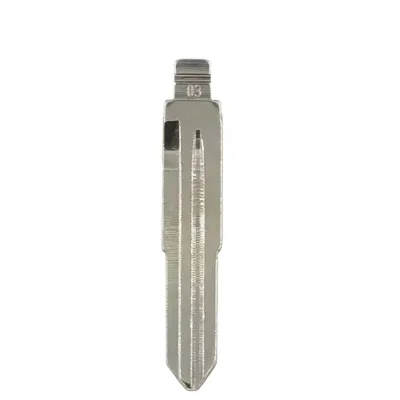
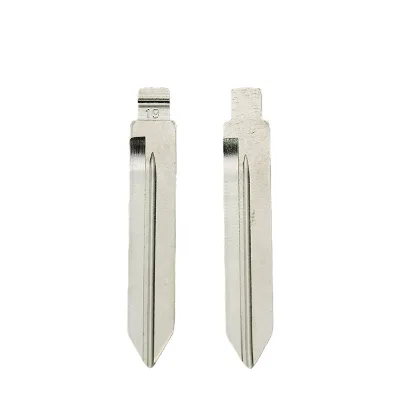
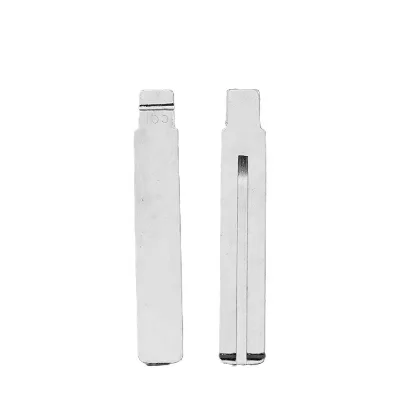
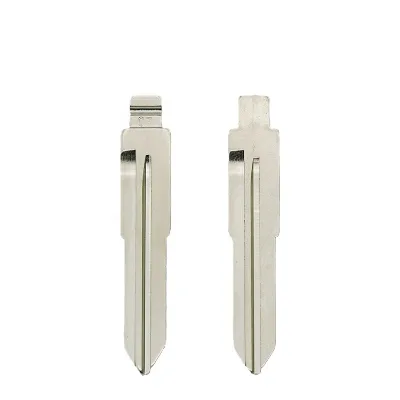
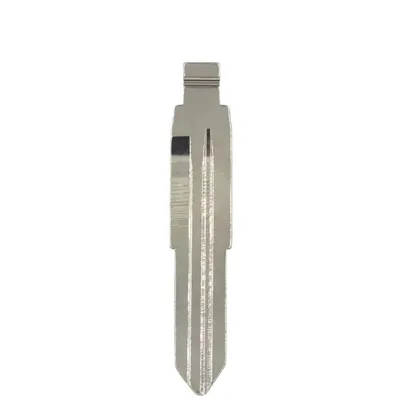
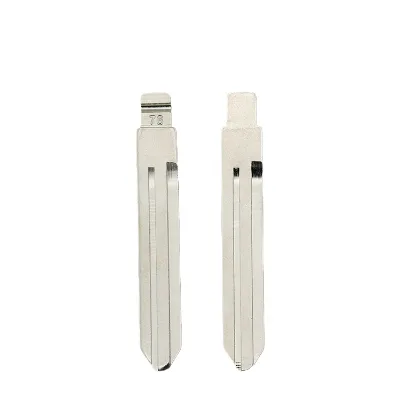


Key for Car Lock with Competitive Price and Wholesale Sell with High Quality
$0.07 - $0.10
MOQ: 5000 Pieces

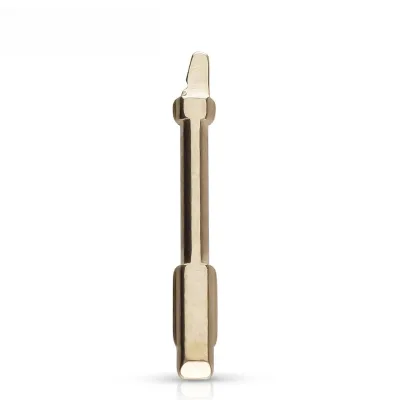
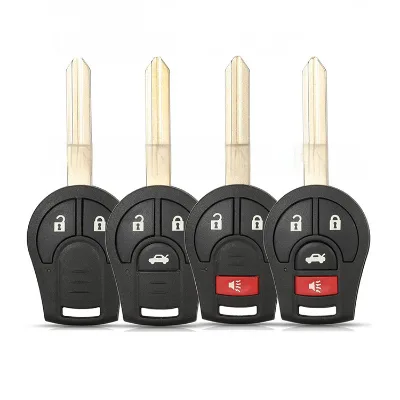


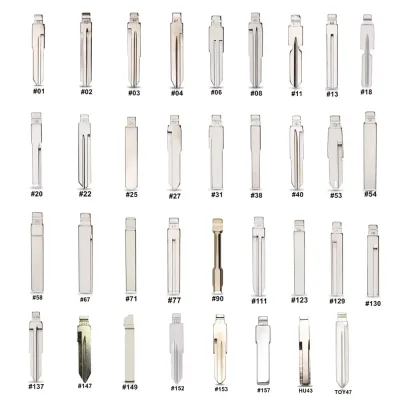
Comprehensive Sourcing Guide
Nickel Plated Car Key Blade Sourcing Guide
Sourcing nickel-plated car key blades requires a disciplined approach to balancing aesthetic durability with mechanical precision. These components serve as the foundational interface between vehicle owners and their ignition systems, demanding high standards for material integrity and dimensional accuracy. Buyers must navigate a market characterized by a wide variety of vehicle-specific profiles, ranging from standard transponder keys to complex high-security master keys. The procurement process is not merely about acquiring a blank blade but ensuring that the final product integrates seamlessly with existing key cutting, programming, and duplication infrastructure.
The decision to source nickel-plated blades often stems from a need for enhanced corrosion resistance and a premium visual finish compared to standard brass or iron alternatives. However, the plating process introduces additional variables in quality control, particularly regarding adhesion and uniformity. Procurement teams must evaluate suppliers based on their ability to maintain consistent plating thickness while preserving the underlying metal’s machinability. This guide outlines the critical verification steps, technical parameters, and commercial considerations necessary to secure a reliable supply chain for these essential automotive accessories.
Product Scope and Observed Listing Signals
The current market landscape for nickel-plated car key blades reveals a diverse array of product listings, with observed price points ranging from $0.05 to $5.00 USD per unit. This wide variance typically reflects differences in material composition, such as the use of brass, cupronickel, copper-zinc alloys, titanium, or iron, as well as the complexity of the blade profile. Buyers should note that lower price points often correlate with basic iron or standard brass constructions, while higher tiers may involve specialized alloys or more intricate manufacturing processes. Understanding this price spectrum helps in setting realistic budget expectations and identifying potential outliers that may indicate quality discrepancies.
Minimum Order Quantities (MOQs) in this category are equally variable, ranging from as low as 1 unit to as high as 10,000 units. This flexibility allows buyers to scale their orders based on immediate demand or long-term inventory strategies. However, it is crucial to recognize that many suppliers, particularly those based in manufacturing hubs like Guangdong, China, may enforce higher MOQs for customized plating or specific branding. For instance, some listings indicate an MOQ of 5,000 pieces for standard bulk orders, while others may accommodate smaller trial runs. Procurement teams must align their order volumes with the supplier’s production capabilities to avoid excessive per-unit costs or stockouts.
Technical Specifications to Verify
Dimensional accuracy is paramount when sourcing car key blades, as even minor deviations can prevent proper insertion into the lock cylinder. Buyers must verify the thickness of the blades, which typically ranges from 1.0mm to 3.5mm depending on the vehicle model and key type. The single package size and gross weight are also critical logistical details; for example, standard blades may measure 5x0.8x2.1 cm with a gross weight of 0.005 kg, while specialized profiles might differ slightly. These specifications directly impact packaging efficiency and shipping costs, so precise data is essential for accurate freight calculations and warehouse planning.
The surface treatment and material composition are equally critical technical factors. Nickel plating is commonly applied to enhance durability and appearance, but buyers must confirm the plating process, whether it is standard electroplating or a more advanced method. The underlying material, often brass or a copper-zinc alloy, provides the necessary structural integrity. Additionally, the presence or absence of buttons and battery compartments distinguishes simple blades from remote key fobs. Buyers should explicitly verify that the product is a blade-only component if that is the requirement, as some listings may include electronic components or case replacements, which significantly alters the product’s function and compatibility.
Compliance and Safety Documentation
While car key blades are mechanical components, compliance with international trade and safety standards remains a critical aspect of procurement. Buyers should request documentation that verifies the material composition, ensuring that the metals used are free from harmful substances such as lead or cadmium, particularly if the keys are intended for markets with strict environmental regulations. Although specific certification statuses may vary by supplier, buyers must insist on proof of material safety and adherence to relevant industry norms. This due diligence protects against regulatory penalties and ensures that the products meet the safety expectations of end-users and automotive manufacturers.
Intellectual property and customization rights are also significant compliance considerations, especially when dealing with branded or proprietary key profiles. Many suppliers offer customized stamping and branding options, but buyers must ensure that they have the legal right to produce or distribute keys for specific vehicle brands such as BMW, Mercedes-Benz, Toyota, or Ford. Unauthorized duplication of proprietary key designs can lead to severe legal consequences. Procurement teams should work with suppliers who provide clear documentation regarding the legality of the key profiles and ensure that all customization requests comply with local laws and manufacturer agreements.
Cost Drivers and Commercial Terms
The cost of nickel-plated car key blades is influenced by several key drivers, including raw material prices, plating thickness, and order volume. Brass and cupronickel are generally more expensive than iron or standard steel, leading to higher unit costs. The complexity of the blade profile, such as single-row anti-dialing keys or master key designs, also adds to the manufacturing cost due to the precision required in cutting and stamping. Buyers should analyze these factors to understand the true cost structure and avoid being misled by artificially low prices that may compromise material quality or plating durability.
Commercial terms and payment methods play a crucial role in the overall procurement strategy. Suppliers typically accept a variety of payment options, including T/T, Western Union, PayPal, Escrow, L/C, and D/P. The choice of payment method can impact transaction security and cash flow management. For instance, using Escrow or L/C provides greater protection for large orders, while T/T may be more suitable for established relationships. Additionally, shipping methods, whether by air, sea, or express courier, will affect delivery times and costs. Buyers should negotiate clear terms regarding packaging, such as 200 pieces per bag or 4,000 pieces per carton, to ensure efficient handling and storage.
Supplier Qualification and Quality Control
Evaluating supplier qualification is essential to ensure a consistent supply of high-quality nickel-plated car key blades. Buyers should prioritize suppliers with a proven track record in automotive accessory manufacturing, particularly those located in established industrial regions like Guangdong, China. Production capacity is another key indicator of reliability; suppliers capable of producing 50,000 pieces per month are better equipped to handle large orders and maintain consistent quality. Buyers should request samples to verify the plating quality, dimensional accuracy, and overall finish before committing to bulk purchases.
Quality control processes must be rigorously assessed to minimize defects and returns. Buyers should inquire about the supplier’s inspection protocols, including checks for plating adhesion, surface defects, and dimensional tolerances. The ability to provide customized stamping and branding options is also a valuable indicator of a supplier’s technical capability. However, buyers must ensure that these customizations do not compromise the structural integrity of the key. Establishing a clear quality agreement with the supplier, including acceptable defect rates and remediation procedures, is crucial for maintaining long-term supply chain stability.
Long-Term Procurement Checks
Long-term procurement success depends on continuous monitoring of supplier performance and market trends. Buyers should regularly review supplier delivery times, product consistency, and responsiveness to issues. Establishing a performance scorecard that tracks key metrics such as on-time delivery rate, defect rate, and customer service quality can help identify potential problems early. Regular audits, whether virtual or on-site, can provide deeper insights into the supplier’s manufacturing processes and quality control measures, ensuring that they continue to meet the buyer’s standards.
Adapting to changes in vehicle technology and key design is another critical aspect of long-term procurement. As automotive manufacturers introduce new security features and key profiles, buyers must stay informed about these developments to ensure their inventory remains relevant. Building a diversified supplier base can mitigate the risk of supply disruptions and provide flexibility in sourcing different key types. Additionally, maintaining strong relationships with suppliers can lead to better pricing, priority production, and access to new product innovations, securing a competitive advantage in the market.
FAQs
What materials are used for nickel plated car key blades?
These blades are made from brass, cupronickel, Cu-Zn, titanium, iron, and similar metals. The surface undergoes nickel plating to enhance durability and appearance. Buyers can select from silver, golden, or colorful finishes depending on the specific model requirements.
Which vehicle brands are compatible with these key blades?
The blades are designed for BMW, Mercedes Benz, Nissan, Chevrolet, Toyota, Hyundai, Ford, Lexus, BYD, Mitsubishi, Hafei, Changan, Dongfeng, Fiat, and JAC. Specific model numbers like Q6009001027 or #76 correspond to different vehicle brands and key types.
Can I customize the stamping on these car key blanks?
Yes, customized stamping is available for these products. The key level is typically A, and the lock cylinder style can be American Screw Style. Customization options allow buyers to meet specific branding or identification needs for their vehicle key inventory.
What is the minimum order quantity for nickel plated key blades?
The minimum order quantity is 5000 pieces for standard orders. Packaging typically includes 200 pieces per bag and 4000 pieces per carton. Buyers should plan their procurement volume to meet this threshold when sourcing from manufacturers in Guangdong, China.
How are these car key blades packaged for shipping?
Products are packed with 200 pieces in a bag and 2 bags in one box. Ten boxes containing 4000 pieces are placed in a single carton. This packaging ensures safe transport via air, sea, or express shipping methods to international destinations.
What is the production capacity for these key blades?
The manufacturer can produce 50000 pieces per month to meet demand. This capacity supports large-scale orders while maintaining consistent quality. Buyers can rely on this output level for steady supply chains without significant lead time delays.
Which payment methods are accepted for these key blades?
Accepted payment methods include T/T, Western Union, Paypal, Escrow, L/C, D/P, and Cash. These options provide flexibility for international transactions. Buyers can choose the method that best suits their financial processes and risk management preferences.