Source Artificial Flower Tree for Home, Wedding, Garden
Compare 30 listings of Artificial Flower Tree options including peach blossom, maple, and rose varieties. Buyers can evaluate customization, materials, and lead times for home decoration, weddings, and garden use.
Key considerations
Products List


$835.16 - $1442.30
MOQ: 3 Meters

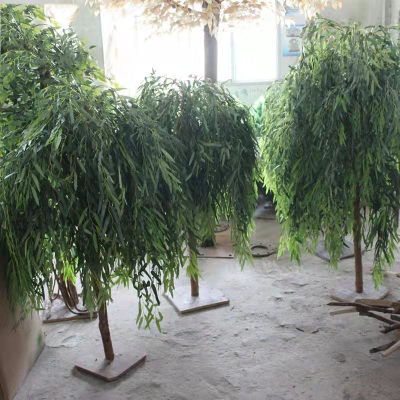


Comprehensive Sourcing Guide
Strategic Sourcing Guide for Artificial Flower Trees
The global demand for artificial floral arrangements has surged as businesses and homeowners seek durable, low-maintenance aesthetic solutions that mimic the beauty of nature without the associated upkeep. Within this expansive market, the Artificial Flower Tree stands out as a versatile category, serving everything from commercial lobbies to intimate residential gardens. Sourcing these items requires a disciplined approach that balances aesthetic requirements with rigorous technical and compliance verification. Buyers must navigate a complex landscape of materials, manufacturing processes, and supply chain variables to ensure they acquire products that meet their specific functional and visual standards. This guide provides a structured framework for evaluating artificial flower trees, focusing on the critical attributes observed in current market listings, including material composition, certification requirements, and logistical parameters.
Technical Specifications and Material Composition
Understanding the technical backbone of an Artificial Flower Tree is the first step in any procurement process. The core material for these products is predominantly plastic, a choice that offers durability and weather resistance essential for both indoor and outdoor applications. The specific construction often involves a combination of synthetic fibers designed to replicate the texture and appearance of natural foliage. For instance, listings indicate that high-quality artificial grass and tree leaves are engineered to provide a "nature and comfortable" touch feeling, a critical sensory attribute that distinguishes premium products from cheaper, plastic-heavy alternatives.
The structural integrity of the tree is often defined by its height and weight specifications. Standard models in the market may adhere to specific height increments such as 90, 120, 150, or 180 centimeters, with larger commercial units potentially reaching three meters. Weight is a significant factor for stability and shipping costs; a standard large-scale tree may weigh approximately 90 kilograms. The manufacturing process varies, with some products being handmade to ensure intricate detailing, while others utilize printing processes on surfaces to achieve realistic color gradients. The model specifications, such as those identified as "SUNT-XZ00001" or generic "Peach Tree" and "Maple Tree" identifiers, often dictate the specific leaf shape and branching structure. Buyers should verify that the listed model number corresponds to the desired style, whether it is a "Tree Leaves" aesthetic or a specific "Artificial Plant Tree" configuration suitable for potted arrangements.
Compliance, Certification, and Safety Standards
For B2B procurement, particularly in international trade, compliance is non-negotiable. Artificial flower trees intended for export to major markets like Europe, Russia, Latin America, Africa, and Asia must meet stringent safety and environmental standards. The supply chain data highlights a robust certification profile for these products, including CE, SGS, and TUV marks. These certifications indicate that the materials and manufacturing processes have been tested against international safety benchmarks.
Furthermore, specific performance certifications are vital for products exposed to varying environmental conditions. The market listings confirm the presence of Anti-Fire and Anti-UV certifications, which are crucial for trees placed in public spaces, offices, or outdoor gardens where fire safety regulations and sun exposure are concerns. A Chromium Test is also noted, ensuring that the materials do not contain harmful heavy metals that could leach into the environment or pose health risks. While general background information may mention RoHS, the primary verified certifications for these specific artificial grass and tree products are CE, SGS, TUV, Anti-Fire, Anti-UV, and Chromium Test. Procurement teams must request current test reports corresponding to these specific standards before finalizing orders, as certification status can vary by batch and manufacturer.
Cost Drivers and Pricing Dynamics
The pricing of artificial flower trees is influenced by a confluence of factors, including material quality, size, customization level, and packaging complexity. The observed price range in the current market is extensive, spanning from $0.19 to $1,442.30. This vast disparity reflects the difference between small decorative items and large, heavy-duty commercial installations. The primary cost driver is the scale of the tree; a 3-meter tree weighing 90 kilograms will naturally command a significantly higher price than a smaller, 90-centimeter tabletop variant.
Packaging requirements also play a substantial role in the final cost. Premium products often come in specialized packaging, such as "2PCS/Bubble Bag with Plywood Frame," which adds to the material and labor costs but ensures the product arrives undamaged. Conversely, standard carton box packaging is more cost-effective but may offer less protection for fragile branches. Customization is another key variable; while the product properties indicate that customization is available, bespoke designs involving specific colors, heights, or leaf types will incur additional tooling or labor charges. Buyers should be aware that the Minimum Order Quantity (MOQ) can range from 1 piece to 5,000 pieces, directly impacting the unit price. Larger orders typically benefit from economies of scale, whereas single-piece purchases may carry a premium due to setup and handling costs.
Typical Applications and Market Segmentation
Artificial flower trees serve a diverse array of applications across multiple sectors. The primary use cases identified include home decoration, wedding venues, office spaces, and commercial establishments such as supermarkets. The "Evergreen" feature of these products makes them particularly suitable for environments where natural plants cannot thrive due to lighting conditions or maintenance constraints. The "Artificial Peach Blossom Tree" and "Artificial Maple Tree" examples illustrate the versatility of the category, catering to seasonal decor needs or permanent landscape design.
The market reach for these products is global, with significant demand in Europe, Russia, Latin America, Africa, and Asia. This wide distribution suggests that the products are designed to meet varied aesthetic preferences and climate requirements. For instance, trees with Anti-UV properties are essential for outdoor use in sunny climates, while fire-resistant models are mandatory for indoor public spaces in many jurisdictions. The "Handmade" processing attribute suggests a higher level of craftsmanship suitable for luxury residential or high-end commercial projects, whereas printed or mass-produced variants may be more appropriate for cost-sensitive retail environments. Buyers must align the product's suitability with their specific end-use case, ensuring that the chosen model meets the functional demands of the intended location.
Supplier Evaluation and Lead Time Management
Selecting a reliable supplier is critical for ensuring consistent quality and timely delivery. The supply chain data indicates that the origin of these products is primarily China, with specific manufacturing hubs noted in Jiangsu. When evaluating potential suppliers, buyers should verify the supplier's capacity to meet the required lead times, which can range from 10-15 days for standard items to 20-25 working days for customized or larger orders. The variability in lead times underscores the importance of early planning and clear communication regarding production schedules.
Payment terms are another aspect of supplier evaluation. The market data lists PayPal as a payment option, but buyers should also inquire about other secure B2B payment methods, such as Letters of Credit or bank transfers, especially for large volume orders. It is essential to confirm the supplier's ability to handle the specific packaging requirements, such as the plywood frames needed for heavy trees, to prevent shipping damage. Additionally, the warranty period, which ranges from 5 to 8 years for artificial grass and up to 10 years for certain tree products, serves as a strong indicator of the manufacturer's confidence in their product's longevity. A supplier offering a robust warranty is likely to have better quality control processes in place.
Quality Control and Long-Term Procurement Considerations
Quality control for artificial flower trees extends beyond the initial visual inspection. Buyers must verify the durability of the materials, specifically the resistance to fading (Anti-UV) and fire hazards (Anti-Fire). The "Nature and Comfortable" touch feeling is a qualitative attribute that should be validated through sample testing, as it directly impacts the perceived value of the product. For long-term procurement, the life span of the product is a key consideration. While some listings claim a life time of 10 years, buyers should request detailed maintenance guidelines to ensure the product retains its appearance over time.
Sustainability and environmental impact are increasingly important in B2B sourcing. The presence of certifications like SGS and TUV suggests that the manufacturers adhere to certain environmental standards, but buyers should also inquire about the recyclability of the plastic materials used. Furthermore, the packaging waste generated by the "Carton Box" or "Plywood Frame" should be considered in the context of the buyer's own sustainability goals. Establishing a long-term relationship with a supplier who can provide consistent quality, adhere to certification standards, and offer flexible customization options will mitigate risks associated with supply chain disruptions and ensure a steady supply of high-quality artificial flower trees for ongoing projects.
Comparative Analysis of Product Attributes
To facilitate decision-making, it is helpful to compare the key attributes of different Artificial Flower Tree models available in the market. The following table summarizes the distinct characteristics observed in the current product listings, highlighting the variations in specifications, packaging, and lead times that buyers must consider.
| Attribute | Standard Model (e.g., SUNT-XZ00001) | Premium Custom Model (e.g., Peach/Maple Tree) | Commercial Grade (e.g., 3m Tree) |
|---|---|---|---|
| Material | Plastic | Plastic (Handmade) | Plastic (High Density) |
| Style | Tree Leaves | Artificial Tree | Artificial Plant Tree |
| Height/Size | Variable | 90/120/150/180cm | 3 Meters |
| Weight | Variable | 90kg/Tree | 90kg/Tree |
| Packaging | Carton Box | 2PCS/Bubble Bag + Plywood Frame | 2 PCS/Bubble Bag + Plywood Frame |
| Lead Time | 20-25 Working Days | 15-20 Days | 10-15 Days |
| MOQ | 1-5000 PCS | 1-4 PCS | 1 PCS |
| Certifications | CE, SGS, TUV, Anti-Fire, Anti-UV | CE, SGS, TUV, Anti-Fire, Anti-UV | CE, SGS, TUV, Anti-Fire, Anti-UV |
| Warranty | 5-8 Years | 10 Years | 5-8 Years |
| Origin | China | Jiangsu, China | China |
This comparison illustrates that while the core material and certifications remain consistent across the category, the physical dimensions, packaging complexity, and lead times vary significantly based on the specific model and customization level. Buyers should use this matrix to align their procurement strategy with their project requirements, ensuring that the selected product offers the optimal balance of cost, quality, and delivery speed. By rigorously applying these evaluation criteria, organizations can secure artificial flower trees that not only enhance their spaces but also stand the test of time and environmental exposure.
FAQs
What certifications do artificial flower trees have?
These trees typically hold CE, SGS, TUV, Anti-Fire, Anti-UV, and Chromium Test certifications. Buyers should verify specific test reports for each batch to ensure compliance with international safety standards before placing orders.
How long is the lead time for these products?
Lead times generally range from 10 to 25 working days depending on the order type. Standard items may ship in 10 to 15 days, while customized or larger orders often require 20 to 25 working days for production.
Can I find artificial flower trees with a 10-year lifespan?
Yes, certain models are designed with a life time of up to 10 years. This durability is supported by Anti-UV and Anti-Fire properties, making them suitable for long-term indoor and outdoor decorative applications.
Which packaging options are available for heavy trees?
Heavy trees often use 2PCS/Bubble Bag with Plywood Frame packaging for protection. Smaller items may come in standard Carton Box or Boxed packaging, ensuring safe transit regardless of the tree's weight or height specifications.
What is the minimum order quantity for these trees?
The minimum order quantity varies from 1 piece to 5000 pieces depending on the supplier. Single-piece purchases are available for some models, while bulk orders typically benefit from lower unit prices and established shipping rates.
Where are these artificial flower trees manufactured?
Most products originate from China, with specific manufacturing hubs located in Jiangsu. This regional concentration allows for efficient supply chains serving major markets in Europe, Russia, Latin America, Africa, and Asia.
How can I customize the appearance of these trees?
Customization is available for specific styles, colors, and sizes like Peach or Maple trees. Buyers can request bespoke designs, though this may affect the lead time and unit price compared to standard stock models.