Source Non-Conductive Carbon Fiber Telescopic Mast for Telecom, Lighting, and Surveillance
Find and compare 27 Non-Conductive Carbon Fiber Telescopic Mast options from verified suppliers. Evaluate models like YBK-6D and DD0008 based on height, control mode, and material composition to select the right solution for your project.
Key considerations
Products List


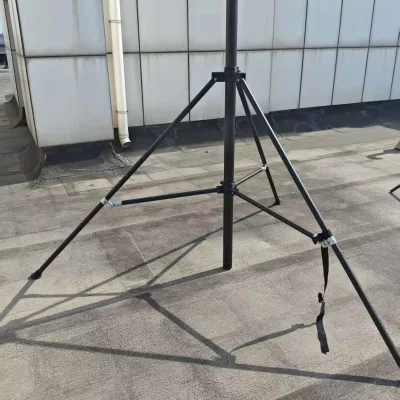
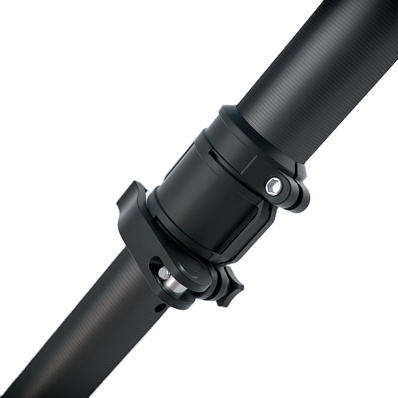
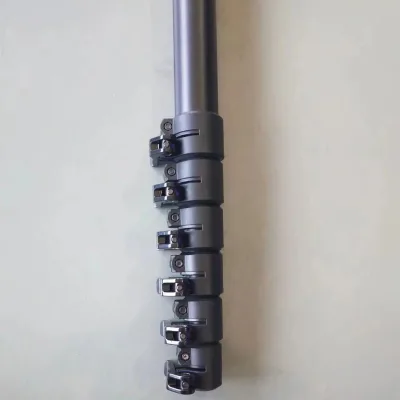
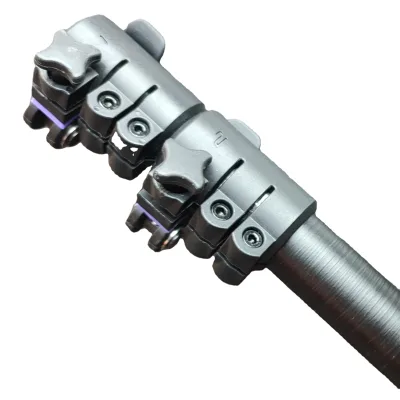
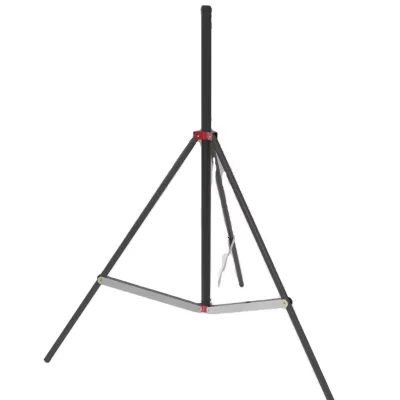
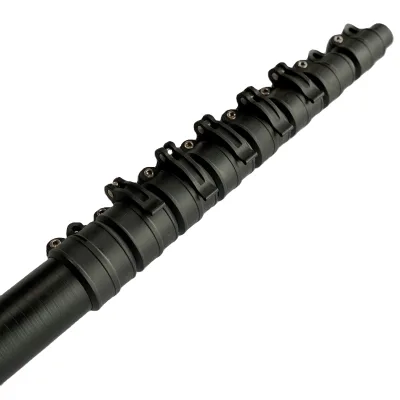


25m Mobile Masts 350kg Payloads-Pneumatic Telescopic Mast-Heavy Duty Payloads
$30000.00 - $50000.00
MOQ: 10 Pieces

$10000.00 - $20000.00
MOQ: 1 Pieces


25m Mobile Masts-350kg Payloads-Pneumatic Telescopic Mast-Heavy Duty Payloads
$30000.00 - $50000.00
MOQ: 10 Pieces


Comprehensive Sourcing Guide
Non-Conductive Carbon Fiber Telescopic Mast Sourcing Guide
Procuring non-conductive carbon fiber telescopic masts requires a disciplined approach to material verification and structural integrity assessment. These masts are critical components in environments where electrical safety and lightweight portability are paramount, such as in utility line inspection, emergency response, and telecommunications. The core value proposition lies in the combination of high tensile strength and electrical insulation, which protects operators from high-voltage hazards while allowing for rapid deployment. Buyers must navigate a market where "carbon fiber" is a common descriptor, necessitating rigorous checks to ensure the material is not merely a composite veneer but a high-performance structural element.
The sourcing process involves balancing technical performance with commercial logistics. Observed market data indicates a wide variance in product specifications, with models ranging from compact handheld extensions to large-scale tower structures. This diversity means that a one-size-fits-all procurement strategy is ineffective. Instead, buyers must define precise operational parameters, including required height, load capacity, and environmental conditions, before engaging with suppliers. Understanding the distinction between different carbon fiber types and manufacturing processes is essential to avoiding over-specification or under-performance in the final deployment.
Product Scope and Observed Listing Signals
The current market landscape for telescopic masts reveals a broad spectrum of product types, from single-tube towers to multi-section carbon fiber poles. Listings frequently highlight models such as the YBK-6D and YBK-5D, which are characterized by their vertical installation capabilities and remote control or manual operation modes. These products often feature modular designs, allowing for customization in height, typically ranging from 5 to 20 meters for larger structures, while smaller poles may be tailored to specific customer dimensions. The presence of features like rotation, tilt, and logistics-friendly folding indicates a focus on operational flexibility and ease of transport, which are key decision factors for field teams.
Material composition is a primary signal of quality in this category. High-confidence data points to the use of 100% carbon fiber, specifically viscose-based carbon fiber, which is known for its superior stiffness and thermal stability compared to other variants. Surface treatments such as hard anodizing, glossy, matte, or bare carbon finishes are commonly offered, allowing buyers to select aesthetics that match their branding or environmental needs. Additionally, the availability of OEM services and customizable colors suggests that many suppliers are equipped to handle branded procurement projects, providing a layer of corporate identity integration for large-scale buyers.
Technical Specifications to Verify
When evaluating technical specifications, the first priority is verifying the carbon content and structural integrity. Buyers should confirm that the mast is constructed from high-performance carbon fiber, ensuring a carbon content of approximately 100% with minimal hydrogen content to prevent degradation. The mechanical properties should be classified as high-strength and high-performance types, capable of withstanding significant wind loads and payload weights. It is crucial to distinguish between telescoping poles and fixed tower structures, as their load-bearing capacities and deployment mechanisms differ significantly. For telescopic models, the locking mechanism and section alignment must be inspected to ensure smooth extension and retraction without binding.
Electrical and operational specifications are equally critical for non-conductive applications. The mast must maintain its insulating properties across a range of voltages, and buyers should verify the motor voltage options, which may include 220V, 110V, 12V, or 24V, depending on the power source available in the field. Control modes such as remote control, RS485, or manual operation should be matched to the user’s skill level and operational environment. Furthermore, the installation method, whether fixed base or movable wheels, must align with the site’s terrain and stability requirements. Buyers should also inquire about the working temperature range to ensure the material does not become brittle in cold climates or soften in extreme heat.
Compliance and Safety Documentation
Safety documentation is non-negotiable for equipment used in proximity to electrical infrastructure. Buyers must request comprehensive certification packages, including ISO and CE marks, which indicate adherence to international quality management and European safety standards. These certifications provide a baseline assurance that the manufacturing process follows rigorous protocols, but they do not replace the need for specific electrical insulation testing. Suppliers should be asked to provide test reports from accredited laboratories that verify the dielectric strength of the carbon fiber sections under various conditions, including humidity and temperature fluctuations.
In addition to product certifications, buyers should verify compliance with industry-specific regulations relevant to their sector. For example, utility companies may require adherence to specific national or regional standards for non-conductive tools. It is also important to check for any additional certifications, such as REACH compliance, which ensures that the materials used do not contain restricted substances. Documentation should also include detailed user manuals and maintenance guidelines, which are essential for ensuring the longevity of the mast and the safety of the operators. Clear warranty terms and liability clauses should be reviewed to understand the supplier’s commitment to product performance.
Cost Drivers and Commercial Terms
The cost of non-conductive carbon fiber masts is influenced by several key factors, including the grade of carbon fiber, the complexity of the telescoping mechanism, and the level of customization required. High-performance viscose-based carbon fiber commands a premium price due to its superior mechanical properties, while standard epoxy-based alternatives may offer cost savings with slightly reduced performance. Customization options, such as specific lengths, colors, or integrated mounting hardware, can also increase the unit price. Buyers should request detailed breakdowns of costs to understand where value is being added and to identify potential areas for negotiation.
Commercial terms, including minimum order quantities (MOQ) and lead times, play a significant role in the total cost of ownership. Observed MOQs can range from single units for prototyping to larger batches for fleet deployment, with prices varying accordingly. Lead times may be affected by the customization level and the supplier’s production capacity. Buyers should also consider logistics costs, as carbon fiber masts can be bulky and require specialized packaging, such as wooden boxes or cartons, to prevent damage during transit. Payment terms and after-sales support services should be clearly defined to mitigate financial risk and ensure long-term operational readiness.
Supplier Qualification and Quality Control
Supplier qualification begins with a thorough assessment of their manufacturing capabilities and quality control processes. Buyers should verify that the supplier has experience in producing carbon fiber composites and can provide references from previous clients in similar industries. It is important to inquire about the raw material sourcing, ensuring that the carbon fiber is obtained from reputable manufacturers with consistent quality. Suppliers should also have robust quality control procedures in place, including incoming material inspection, in-process testing, and final product verification.
Factory audits, either virtual or on-site, can provide valuable insights into the supplier’s operational standards. Buyers should look for evidence of standardized production processes, such as the use of rolling and pressing technologies for consistent wall thickness and strength. Additionally, suppliers should have a clear traceability system for each product, allowing buyers to track the batch and production date of their masts. After-sales support, including technical assistance and spare parts availability, is also a critical factor in supplier selection. A reliable supplier will offer comprehensive training and support to ensure that buyers can maximize the utility and lifespan of their equipment.
Long-Term Procurement Checks
Long-term procurement success depends on establishing a framework for continuous performance monitoring and supplier relationship management. Buyers should implement a regular inspection schedule for their masts, checking for signs of wear, delamination, or electrical degradation. This proactive approach helps identify potential issues before they lead to operational failures or safety hazards. Suppliers should be encouraged to provide periodic maintenance recommendations and updates on best practices for handling and storing the equipment.
Feedback loops between the procurement team and the end-users are essential for refining future purchasing decisions. Buyers should collect data on the masts’ performance in real-world conditions, including ease of deployment, durability, and user satisfaction. This information can be used to negotiate better terms with current suppliers or to identify alternative sources if performance standards are not met. Additionally, staying informed about advancements in carbon fiber technology and manufacturing processes can help buyers make informed decisions about upgrades or replacements, ensuring that their fleet remains competitive and safe.
FAQs
What materials are used for non conductive carbon fiber telescopic masts?
These masts are constructed from 100% carbon fiber, specifically viscose-based carbon fiber, ensuring high strength and lightweight performance. The material composition includes approximately 100% carbon content with minimal hydrogen content. This composition provides the necessary structural integrity for vertical installation while maintaining electrical non-conductivity for safe operation in various environments.
Can the height of the carbon fiber telescopic pole be customized?
Yes, customization is available for the height of these poles, typically ranging from 5 to 20 meters. The length is also custom-made to suit specific operational requirements. Buyers can request specific dimensions, and the product supports OEM services to ensure the mast fits the intended application perfectly.
What certifications do these carbon fiber masts hold?
The products hold ISO and CE certifications, indicating compliance with international quality and safety standards. These certifications verify the manufacturing processes and product reliability. Buyers can rely on these documented standards when sourcing equipment for critical infrastructure or professional applications requiring verified quality assurance.
How is the carbon fiber pole installed and operated?
Installation methods include fixed base mounting or movable wheels for flexibility. Operation modes offer electrical or manual lifting options, with control available via remote control, RS485, or manual settings. The structure is a single tube tower, often featuring optional rotation and tilt capabilities for versatile positioning.
What surface treatments are applied to the carbon fiber mast?
The surface undergoes hard anodizing technology for durability and protection. Available finishes include glossy, matte, or bare carbon textures. Colors can be customized, with options like black, red, green, blue, and silver. This surface technology enhances resistance to environmental factors while allowing aesthetic customization.
What are the packaging and shipping specifications for these masts?
Packaging is provided in wooden boxes or cartons depending on the specific model and size. Standard dimensions for some models are around 2890x550x380mm or 1900x550x380mm, designed for logistics-friendly folding. This ensures safe transport and easy handling, with the origin typically being China, specifically Shandong province.