Source Non-Coating Carbon Steel Wok for Stir-Fry, Sauté, and Simmer
Compare 30 listings for Non-Coating Carbon Steel Wok options featuring induction compatibility, non-stick coatings, and custom sizes. Buyers can evaluate materials like cast iron and carbon steel, handle types, and packaging details from verified Chinese manufacturers; compare the available evidence and request quotations based on your requirements.
Key considerations
Products List


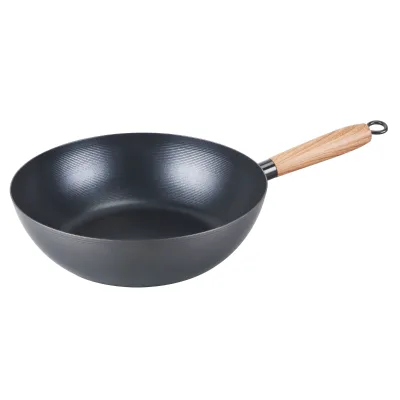
Flat Bottom Wok Pan Carbon Steel Wok Carbon Steel Skillet Carbon Steel Pan
$20.00 - $21.00
MOQ: 100 Sets




Comprehensive Sourcing Guide
Non-Coating Carbon Steel Wok Sourcing Guide
Sourcing non-coating carbon steel woks requires a nuanced understanding of material properties and manufacturing processes that differ significantly from coated alternatives. Buyers must recognize that "non-coating" typically refers to the absence of synthetic polymer layers like PTFE or ceramic, relying instead on the natural seasoning process to create a non-stick surface. This distinction is critical for procurement teams targeting health-conscious consumers or high-heat commercial kitchens where synthetic coatings may degrade. The core value proposition lies in the durability and thermal conductivity of bare carbon steel, which heats up rapidly and retains heat efficiently. However, this performance comes with specific maintenance requirements that buyers must communicate to their end-users. Understanding these operational differences ensures that product positioning aligns with customer expectations regarding care and longevity.
Procurement strategies for this category must account for the variability in raw material quality and finishing techniques observed in the market. While some listings specify carbon steel, others may use terms like "iron steel" or "cast iron," which have distinct thermal and weight characteristics. Buyers should verify the exact alloy composition and thickness, as these factors directly impact cooking performance and shipping costs. The observed market data indicates a wide range of specifications, from thin sheets to heavier gauges, necessitating rigorous sample testing before bulk ordering. Additionally, the presence of handles, such as bakelite or wooden options, adds complexity to the supply chain due to differing material certifications and assembly requirements. A comprehensive sourcing plan must address these material distinctions to avoid mismatches between supplier claims and actual product performance.
Product Scope and Observed Listing Signals
The current market landscape for carbon steel woks reveals a diverse array of product configurations, ranging from traditional hand-hammered designs to modern, flat-bottomed variants suitable for induction cooktops. Listings frequently highlight features such as non-stick properties achieved through seasoning rather than chemical coatings, appealing to buyers seeking eco-friendly and durable cookware. The observed product range includes various sizes, with common diameters around 24cm to 32cm, catering to both household and commercial needs. Buyers should note that while some products are marketed as "non-stick," this often refers to the finished state after seasoning, not a factory-applied layer. This distinction is vital for accurate product categorization and marketing messaging, ensuring that claims are substantiated by the physical attributes of the bare metal surface.
Further analysis of listing signals shows a strong emphasis on customization and OEM capabilities, indicating a mature supply chain ready to support private label brands. Many suppliers offer custom colors, logos, and packaging options, allowing buyers to tailor products to specific brand identities. The presence of certifications such as CE, FDA, and LFGB suggests that manufacturers are compliant with international safety standards for food contact materials. However, buyers must verify that these certifications apply specifically to the carbon steel material and any attached components like handles or packaging. The observed price range is broad, reflecting differences in material thickness, handle quality, and finishing processes. Understanding these market signals helps buyers identify suppliers who can meet their specific quality and branding requirements without overpaying for unnecessary features.
Technical Specifications to Verify
Verifying technical specifications is paramount when sourcing carbon steel woks, as minor deviations can significantly impact cooking performance and durability. Buyers should request detailed material certificates to confirm the carbon content and purity of the steel, ensuring it meets the necessary standards for heat conductivity and responsiveness. The thickness of the steel sheet is another critical parameter, with observed listings indicating variations that affect weight and heat retention. Thicker gauges generally offer better durability but may heat up more slowly, while thinner sheets respond faster to temperature changes. Additionally, the type of handle attachment, whether riveted or welded, must be inspected for structural integrity, especially if the wok is intended for heavy-duty use. These technical details form the foundation of product quality and must be rigorously validated through sample testing.
Surface treatment and finishing processes also require close scrutiny, as they influence the initial seasoning experience and long-term maintenance. Buyers should inquire about the pre-seasoning methods employed by suppliers, such as oil baking or chemical treatments, which can affect the initial non-stick performance. The presence of any residual oils or protective coatings from manufacturing must be clearly communicated to ensure proper cleaning before first use. Furthermore, the compatibility with various stove types, including gas, electric, and induction, should be confirmed by checking the bottom design. Flat bottoms are generally preferred for modern kitchens, while traditional round bottoms suit specific culinary traditions. Verifying these specifications ensures that the final product meets the functional requirements of the target market and reduces the risk of customer complaints.
Compliance and Safety Documentation
Compliance with international safety standards is a non-negotiable aspect of sourcing cookware, particularly for products intended for global distribution. Buyers must ensure that suppliers provide valid certifications for food contact materials, such as FDA, LFGB, and CE marks, which attest to the safety of the carbon steel and any associated components. These certifications verify that the materials do not leach harmful substances into food during cooking, a critical concern for health-conscious consumers. It is essential to review the scope of these certifications to confirm they cover the specific product models and materials being procured. Additionally, buyers should request test reports from accredited laboratories to validate compliance with heavy metal migration limits and other relevant safety parameters.
Beyond material safety, packaging and labeling compliance must be addressed to meet regulatory requirements in destination markets. The observed listings indicate the use of color boxes and cartons, which must be printed with accurate product information, care instructions, and safety warnings. Buyers should verify that all labeling meets local language and regulatory standards, including recycling symbols and country of origin markings. The use of sustainable packaging materials may also be a requirement for certain markets, so suppliers should be asked about their packaging options and environmental policies. Ensuring comprehensive compliance documentation not only mitigates legal risks but also enhances brand credibility and consumer trust. A thorough review of all safety and labeling requirements before production begins is essential to avoid costly delays or recalls.
Cost Drivers and Commercial Terms
Understanding the cost drivers associated with carbon steel woks is essential for effective budgeting and negotiation. The primary cost factors include the price of raw steel, which fluctuates with global market trends, and the manufacturing processes involved in shaping and finishing the wok. Thicker gauges and more complex designs, such as hand-hammered textures, typically incur higher production costs. Additionally, the choice of handle material, such as bakelite or wood, and the method of attachment can significantly impact the final price. Buyers should request detailed cost breakdowns from suppliers to identify areas where savings can be achieved without compromising quality. Negotiating volume discounts and optimizing packaging to reduce shipping costs are also effective strategies for managing overall procurement expenses.
Commercial terms and payment structures play a crucial role in the financial planning of procurement projects. Buyers should negotiate clear terms regarding minimum order quantities, lead times, and payment schedules to align with their cash flow requirements. The observed market data suggests a wide range of MOQs, allowing flexibility for both small and large buyers. It is important to clarify responsibilities for shipping, insurance, and customs duties to avoid unexpected costs. Additionally, buyers should establish clear quality acceptance criteria and return policies to protect against defective products. Building a strong relationship with suppliers through consistent communication and fair negotiation practices can lead to better pricing and priority service. A well-structured commercial agreement ensures mutual understanding and reduces the risk of disputes during the procurement process.
Supplier Qualification and Quality Control
Supplier qualification is a critical step in ensuring the reliability and consistency of carbon steel wok supplies. Buyers should conduct thorough due diligence on potential suppliers, including site visits and audits of their manufacturing facilities. Key areas to assess include raw material storage, production line efficiency, and quality control procedures. Suppliers with established quality management systems, such as ISO certification, are generally more reliable in delivering consistent product quality. Additionally, buyers should evaluate the supplier's capacity to handle customization requests and their responsiveness to technical inquiries. A supplier's ability to provide samples and support product development is also a strong indicator of their commitment to customer satisfaction. Building a robust supplier base through rigorous qualification processes minimizes supply chain risks.
Quality control measures must be implemented throughout the production process to ensure that final products meet specified standards. Buyers should define clear quality acceptance criteria, including dimensional tolerances, surface finish, and functional performance. Regular inspections during production and pre-shipment checks are essential to identify and rectify defects early. Suppliers should be required to provide inspection reports and photos of finished goods for approval before shipment. Additionally, buyers should establish a process for handling non-conforming products, including returns and replacements. Continuous monitoring of supplier performance through key performance indicators, such as defect rates and on-time delivery, helps maintain high standards. A proactive approach to quality control ensures that products meet customer expectations and reduces the likelihood of post-sale issues.
Long-Term Procurement Checks
Long-term procurement success depends on continuous monitoring and evaluation of supplier performance and market trends. Buyers should establish regular review cycles to assess supplier reliability, product quality, and cost competitiveness. Feedback from end-users and internal stakeholders should be incorporated into these reviews to identify areas for improvement. Additionally, buyers should stay informed about changes in material costs, regulatory requirements, and consumer preferences that may impact sourcing strategies. Building strong relationships with suppliers through open communication and collaborative problem-solving can lead to better innovation and service levels. Regular audits and performance evaluations help maintain high standards and ensure that suppliers remain aligned with buyer expectations. A proactive approach to supplier management fosters a resilient and efficient supply chain.
Sustainability and ethical sourcing practices are increasingly important considerations for long-term procurement strategies. Buyers should evaluate suppliers' environmental policies, including waste management, energy usage, and carbon footprint reduction initiatives. Ethical labor practices and fair trade certifications should also be verified to ensure compliance with corporate social responsibility goals. Incorporating sustainability into procurement decisions not only mitigates reputational risks but also appeals to environmentally conscious consumers. Buyers should encourage suppliers to adopt sustainable practices and provide support for their transition to greener operations. Regularly updating sourcing criteria to reflect evolving sustainability standards ensures that procurement activities align with broader corporate values. A commitment to sustainable and ethical sourcing contributes to long-term business success and positive stakeholder engagement.
FAQs
What certifications are available for Non-Coating Carbon Steel Wok products?
Products typically hold CE/EU, FDA, LFGB, CIQ, and EEC certifications. These ensure compliance with international safety and quality standards for cookware. Buyers can verify specific documentation during the sourcing process to meet regional regulatory requirements for kitchenware imports.
Can I customize the size and packaging for bulk orders?
Yes, customization is available for both product dimensions and packaging. Standard sizes like 24cm or 32cm are common, but custom sizes can be requested. Packaging options include color boxes within cartons or specific carton arrangements tailored to your logistical needs and branding preferences.
Which materials are used for Non-Coating Carbon Steel Wok construction?
Manufacturers primarily use carbon steel and cast iron for these woks. Carbon steel offers lightweight durability, while cast iron provides superior heat retention. Some variants feature aluminum bases for enhanced induction compatibility. The choice depends on desired weight, heating speed, and cooking style requirements.
How does the handle design affect usability and safety?
Handles are typically made from bakelite or wood to remain heat resistant during cooking. Some models include a secondary helper handle for stability. The design ensures safe handling of heavy loads. Buyers should verify handle attachment methods and heat resistance ratings to prevent burns or detachment during high-heat stir-frying.
What is the typical MOQ for custom Non-Coating Carbon Steel Wok orders?
Minimum order quantities generally range from 1 to 3000 units depending on customization levels. Standard items may have lower MOQs, while custom logos or specific coatings require higher volumes. Suppliers often offer fast sample processing to validate quality before committing to larger production runs.
Are these woks compatible with induction cooktops?
Yes, many models feature flat bases designed for general use on gas and induction cookers. The bottom construction ensures efficient heat transfer on induction surfaces. Buyers should confirm the specific bottom type, such as induction-compatible flat bases, to ensure compatibility with their kitchen equipment.