Source Non Destructive Concrete Steel Scanner for Construction, Renovation, and Inspection
Compare 30 Non Destructive Concrete Steel Scanner options from verified suppliers. Evaluate specifications like detection depth, accuracy, and operating temperature to find the right tool for concrete rebar detection and structural assessment.
Key considerations
Products List
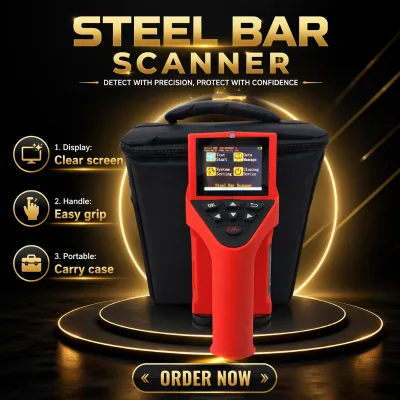
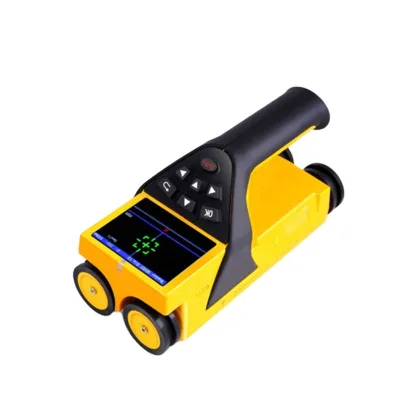


Integrated Steel Concrete Rebar Locator Detector Tester Rebar Scanner
$1400.00 - $1500.00
MOQ: 2 Pieces


Detecting Steel Bars and Concrete Structures Light Weight Concrete Steel Bar Scanners
$3000.00 - $3200.00
MOQ: 1 set/sets

Integrated Ultrasonic Concrete Steel Locator Detector Tester Rebar Scanner
$2500.00 - $2700.00
MOQ: 1 set/sets

Non-Destructive 6m Measurement Easy to Operate Concrete Rebar Locator Scanner
$1400.00 - $1500.00
MOQ: 1 set/sets

Portable Concrete Steel Bar Scanner with Integrated Ultrasonic Detection
$2500.00 - $2700.00
MOQ: 1 set/sets

Intelligent Non-Destructive Testing Equipment Large Range Concrete Rebar Locator Scanner
$3000.00 - $3200.00
MOQ: 1 set/sets


Sy-R71s Digital Integrated Steel Bar Scanner Concrete Reinforcement Position Detector
$1000.00 - $1100.00
MOQ: 1 Pieces


Sy-Q62 Rebar Scanner Strength Concrete Rebar Scanner Concrete Rebar Locator Detector
$1500.00 - $2000.00
MOQ: 1 Pieces


Comprehensive Sourcing Guide
Strategic Sourcing Guide for Non-Destructive Concrete Steel Scanners
The global construction and infrastructure maintenance sectors rely heavily on non-destructive testing (NDT) technologies to ensure structural integrity without compromising the physical properties of the building materials. Among these tools, the concrete steel scanner, often referred to as a rebar locator or scanner, serves as a critical instrument for detecting and mapping the position, depth, and diameter of steel reinforcement within concrete structures. For procurement professionals, sourcing these devices requires a nuanced understanding of technical specifications, environmental durability, and supplier capabilities. This guide provides a comprehensive framework for evaluating potential suppliers and selecting equipment that aligns with rigorous project requirements, ensuring that the purchased assets deliver reliable data in diverse field conditions.
Technical Specifications and Operational Parameters
When evaluating a concrete steel scanner, the primary focus must be on the device's ability to accurately detect reinforcement bars under varying concrete cover depths and bar diameters. The core functionality of these units is defined by their detection range and accuracy metrics. Based on observed market data, high-performance scanners typically offer a diameter detection range spanning from 6mm to 50mm, covering the standard rebar sizes used in most structural applications. The working range for depth detection is equally critical; reliable units often feature a layered thickness capability extending up to 210mm, with specific accuracy tiers defined for different depth intervals. For instance, a scanner might offer a positioning accuracy of ±1mm or 1% within the first 75mm of cover, with specific tolerances increasing as the depth increases to 200mm.
The resolution of the diameter display is another vital technical parameter. Buyers should verify that the device offers a display accuracy of 0.1mm to ensure precise identification of bar sizes, which is essential for structural calculations and retrofitting planning. Furthermore, the operating environment dictates the necessary hardware robustness. Effective scanners are designed to function within a working temperature range of -10℃ to +40℃ and can withstand humidity levels up to 90% relative humidity. The physical protection class is a key differentiator; while some units may meet an IP54 standard, others in the high-end segment achieve an IP55 rating, offering superior protection against dust and water jets, which is indispensable for outdoor construction sites.
The user interface and data management capabilities also play a significant role in operational efficiency. Modern scanners are equipped with high-resolution touch screens, such as 480x320 lattice TFT LCD displays, which facilitate intuitive operation in low-light conditions. Data storage is a crucial feature for large-scale projects; devices should support a minimum capacity of 32g via SD cards, with the ability to expand storage as needed. The data transmission rate, often cited at 4MB/s via USB interfaces, ensures that large datasets can be offloaded quickly for analysis. Additionally, the power supply system must be reliable, with battery-operated units typically requiring a working voltage between 7.1V and 8.4V to sustain extended field operations without frequent recharging.
Compliance, Certification, and Standard Verification
In the realm of construction equipment, compliance with international and local standards is non-negotiable. While specific certification documents vary by manufacturer, buyers must insist on verification that the device adheres to relevant electromagnetic compatibility (EMC) and safety standards. The product origin is a significant factor in the supply chain; many high-volume manufacturers are based in regions like Hebei, China, which is a known hub for industrial instrumentation. However, the place of origin does not inherently dictate quality; rather, it informs the logistics and potential lead times.
Buyers should verify that the equipment meets the "High Accuracy" classification often cited in product descriptions, but this claim must be backed by third-party test reports or calibration certificates. The standard rebar detection capability should align with industry norms, typically covering diameters from 6mm to 50mm. It is essential to confirm that the device's accuracy class is validated against known standards for rebar detection. For instance, the positioning accuracy should be consistently within the ±1mm or 1% range specified for the relevant depth layers.
Furthermore, the protection level of the device must be verified against the specific environmental hazards of the project site. If the project involves wet conditions or dusty environments, an IP55 rating is preferable to an IP54 rating. The warranty period is another compliance metric; a standard one-year warranty is common, but buyers should clarify the terms of service, including what constitutes a defect versus normal wear and tear. The product standard itself, often defined by the manufacturer's internal specifications (e.g., 240132135mm for certain models), should be cross-referenced with the physical dimensions of the device to ensure it fits the intended application.
Cost Drivers and Pricing Structure Analysis
The pricing of concrete steel scanners is influenced by a complex interplay of factors, including technological sophistication, build quality, and the level of customization offered. The observed market price range for these devices spans from approximately $330 to $3,500 USD. This wide variance reflects the difference between basic handheld locators and advanced systems with integrated data logging, high-resolution imaging, and extended depth capabilities.
Several key drivers contribute to the final cost. First, the accuracy and range of the scanner are primary cost determinants. Units capable of detecting rebar at depths up to 200mm with high precision command a premium over those limited to shallower depths. Second, the durability of the housing and the protection class (IP54 vs. IP55) significantly impact manufacturing costs. Third, the inclusion of advanced features such as large data storage capacities, high-speed data transmission, and sophisticated touch interfaces adds to the unit price.
The Minimum Order Quantity (MOQ) is another critical factor in the total cost of ownership. While some suppliers offer an MOQ of just one set, allowing for single-unit procurement, others may require larger orders to unlock volume discounts. The selling units are typically listed as single items, but bulk purchasing can sometimes negotiate better pricing tiers. Additionally, the customization options, such as OEM, ODM, or OBM support, can influence the cost structure. Custom branding or specific firmware modifications may incur additional setup fees or higher per-unit costs.
Buyers must also consider the total cost of ownership, which includes the cost of accessories, spare parts, and potential maintenance. The weight of the device, ranging from 1.2kg to 5kg depending on the model, affects portability and the need for additional handling equipment. The packaging, often standard export wooden cases for larger units or plastic boxes for smaller ones, also contributes to the overall logistics cost.
Typical Applications and Use Cases
Concrete steel scanners are indispensable across a wide spectrum of construction and engineering applications. Their primary function is to locate and map the position of steel reinforcement within concrete, which is critical for avoiding accidental damage during drilling, cutting, or coring operations. This application is particularly vital in renovation projects where the structural layout is unknown or where existing plans may not be available.
In new construction, these devices are used for quality control to verify that the rebar placement matches the design specifications. By scanning the concrete after pouring, engineers can confirm the depth and spacing of the reinforcement, ensuring that the structural integrity meets the required safety standards. The ability to detect rebar diameters ranging from 6mm to 50mm makes these tools suitable for a vast array of structural elements, from small residential slabs to large commercial foundations.
Another significant application is in the assessment of existing infrastructure. Bridges, tunnels, and highways often require periodic inspection to monitor the condition of the concrete and the reinforcement. Scanners can help identify areas where the concrete cover has deteriorated or where the rebar spacing has deviated from the original design, potentially indicating structural issues. The high accuracy of these devices allows for precise mapping of the reinforcement network, which is essential for planning repairs and reinforcements.
The versatility of these scanners extends to forensic engineering and failure analysis. When a structural failure occurs, investigators use these tools to determine if the rebar was correctly placed or if there were deviations that contributed to the collapse. The data storage capabilities of modern scanners allow for the creation of detailed reports that can be used in legal proceedings or for regulatory compliance.
Supplier Evaluation and Capability Assessment
Selecting the right supplier is as important as selecting the right equipment. Buyers should evaluate suppliers based on their technical support, customization capabilities, and track record. The availability of OEM, ODM, and OBM services indicates a supplier's flexibility and ability to tailor products to specific client needs. This is particularly relevant for large organizations that may require branded equipment or specific firmware configurations.
The supplier's location, such as Hebei, China, provides insight into the supply chain dynamics. Proximity to manufacturing hubs can reduce lead times and shipping costs, but it also necessitates a thorough vetting of the supplier's quality control processes. Buyers should request evidence of the supplier's production capacity and their ability to meet demand fluctuations.
Customer support is another critical evaluation criterion. A reliable supplier should offer comprehensive training, technical assistance, and after-sales service. The warranty period, typically one year, should be clearly defined, and the supplier should have a clear process for handling repairs and replacements. The availability of spare parts and accessories, such as SD cards and charging cables, is also essential for maintaining operational continuity.
Quality Control and Long-Term Procurement Considerations
Quality control is paramount when sourcing industrial equipment. Buyers should implement a rigorous inspection process that includes verifying the device's specifications against the supplier's documentation. This includes checking the working temperature range, humidity tolerance, and protection class. The accuracy of the diameter display and the positioning accuracy should be validated through independent testing or calibration.
Long-term procurement considerations involve planning for the lifecycle of the equipment. This includes budgeting for maintenance, upgrades, and eventual replacement. The durability of the device, indicated by its weight and protection class, is a key factor in determining its lifespan. A lighter device (1.2kg) may be more portable but could be less robust than a heavier unit (5kg).
Data management is another long-term consideration. The ability to expand storage and the speed of data transmission are crucial for handling large datasets over time. Buyers should ensure that the data interface is compatible with their existing software and hardware infrastructure. The USB interface, which can function as a card reader, offers flexibility in data transfer, but compatibility with various operating systems should be verified.
Finally, the procurement strategy should include a plan for training and certification. Ensuring that operators are properly trained on the use of the scanner and the interpretation of the data is essential for maximizing the return on investment. Regular calibration and maintenance schedules should be established to ensure the continued accuracy and reliability of the equipment. By addressing these factors, buyers can secure a robust and reliable supply of concrete steel scanners that meet their project requirements and support their long-term operational goals.
FAQs
What is the detection range for rebar diameter?
The device detects rebar diameters ranging from 6mm to 50mm. This range covers standard structural reinforcement sizes used in most construction projects for accurate mapping.
How deep can the scanner detect concrete cover layers?
It measures protective layer thickness up to 210mm with specific accuracy tiers. The accuracy varies by depth, offering ±1mm precision for shallower layers and defined tolerances for deeper ones.
Can the scanner operate in extreme weather conditions?
Yes, it functions within a temperature range of -10℃ to +40℃. The unit also withstands humidity levels up to 90% relative humidity for reliable outdoor performance.
What is the minimum order quantity for this equipment?
The minimum order quantity is one set per unit. This allows buyers to procure single items without needing to meet large volume thresholds for initial purchase.
Which protection class rating does the device have?
The scanner features an IP55 protection class rating. This ensures superior resistance against dust and water jets, making it suitable for harsh construction site environments.
How is data stored and transferred from the unit?
Data storage capacity is at least 32g via an expandable SD card. The device supports a USB interface with a transmission rate of 4MB/s for efficient data offloading.
What customization options are available for this product?
OEM, ODM, and OBM customization support is available for buyers. This allows suppliers to tailor branding, firmware, or specifications to meet specific client requirements.