Find Non Full Size Spare Tire for Forklifts, Cranes, and Trucks
Source 30 listings for Non Full Size Spare Tire options including radial and solid types for forklifts, cranes, and dump trucks. Buyers can compare specifications, certifications, and pricing to identify suitable suppliers for heavy-duty and on-road applications.
Key considerations
Products List




Comprehensive Sourcing Guide
Strategic Sourcing Guide for Non-Full Size Spare Tires
Defining the Non-Full Size Spare Tire Category
The non-full size spare tire, often referred to as a space-saver or temporary spare, represents a specialized segment within the broader tire procurement landscape. Unlike standard replacement tires designed for permanent use, these units are engineered to provide temporary mobility when a primary tire fails. The core distinction lies in their reduced dimensions and specific performance constraints. In the current market, buyers observe that these tires are explicitly categorized as "Non-Spare Tire" or "Non-Full Size Spare Tire" in product listings, indicating a deliberate design choice to save weight and storage space.
Procurement of these units requires a shift in mindset from performance longevity to immediate utility. The product attributes observed in the market highlight a focus on specific applications such as trucks, loaders, and cranes, where space is at a premium. The "Non-Full Size Spare Tire" designation implies that the tire is not intended to match the diameter, width, or load capacity of the vehicle's primary tires. Instead, it serves as a bridge to a repair facility. Buyers must understand that the "Type" of tire in this category often varies significantly, ranging from solid tires for industrial machinery to radial tires for commercial vehicles. The "Condition" is consistently listed as "New," ensuring that the spare is ready for immediate deployment without the risk of hidden wear from previous use.
Technical Specifications and Dimensional Variability
When sourcing non-full size spare tires, technical specifications are the primary filter for compatibility. The market data reveals a wide spectrum of dimensional standards, ranging from small-diameter units to heavy-duty industrial sizes. Specific product models observed include "4.00-8" for smaller applications and larger radial specifications like "1200r20," "1400r25," and "23.5r25." These numbers denote the critical interface between the tire and the vehicle rim, and deviations here can render the spare unusable.
The diameter specifications further illustrate the diversity of the category. Buyers encounter units with diameters ranging from "13-14 inches" up to "15-16 inches," as well as metric widths such as "165-195mm." This variability underscores the necessity of verifying the exact model number against the vehicle manufacturer's specifications. For instance, models like "185/65r15" and "215/60r16" suggest a focus on passenger or light commercial vehicle applications, while "SAIT" models may indicate specialized industrial or heavy-duty configurations.
Furthermore, the "Tire Hierarchy" is a critical technical parameter. Observations show a "20PR" (Ply Rating) specification, which indicates the load-bearing capacity and durability of the tire's construction. A higher ply rating suggests a robust build suitable for heavy loads, which is essential for the "High Load Performance" required in applications involving cranes, loaders, and dump trucks. The "Inner Tube" configuration also varies, with listings specifying "Tubeless" or "Without Inner Tube" options, which impacts the inflation and sealing requirements during installation. Buyers must verify whether the spare tire requires a tube or is a tubeless design to ensure compatibility with the vehicle's wheel assembly.
Compliance, Certification, and Safety Standards
Navigating the regulatory landscape is paramount when sourcing tires for commercial and industrial fleets. The market data indicates a robust presence of international certifications, which serve as a proxy for quality and safety compliance. The observed certifications include "FCC," "RoHS," "CE," "GS," "ECE," "CCC," "DOT," and "ISO." These acronyms represent adherence to specific regional and global standards. For example, "ECE" and "DOT" are critical for road-legal vehicles, ensuring the tire meets safety requirements for braking, handling, and structural integrity.
The "ISO" certification appears frequently, suggesting that the manufacturing processes adhere to international quality management standards. Additionally, specific standards like "A variety of sizes" and "1200r20, 1400r25" imply that the products are manufactured to meet recognized dimensional standards, though buyers should verify the specific standard code (e.g., ETRTO, TRA) for their region. The "Test" attributes listed, such as "X-ray Test," "Dynamic Balance," and "Static Balance," provide evidence of the quality control measures employed by suppliers. These tests are essential for ensuring that the tire is free from internal defects and is balanced correctly to prevent vibration and premature wear during the temporary use phase.
Buyers must treat these certifications as observations of the supplier's capabilities rather than guarantees for every single unit. The presence of "ECE" and "ISODOT" in specific listings highlights the importance of matching the certification to the vehicle's operating region. For instance, a tire certified for the European market (ECE) may not automatically comply with North American regulations (DOT) without specific verification. Therefore, the procurement strategy must include a rigorous review of the certification documents provided by the supplier to ensure they align with the legal requirements of the destination market.
Cost Drivers and Pricing Dynamics
The pricing for non-full size spare tires is influenced by a complex interplay of factors, including size, material, and certification requirements. The observed price range in the market spans from $4.99 to $1,035, reflecting the vast difference between small, lightweight units and heavy-duty industrial tires. This wide variance indicates that cost is not merely a function of the "Type" of tire but is heavily dependent on the "Load Performance" and "Cut Resistance" capabilities.
The "Material" composition, such as "Nylon" cord material, plays a significant role in pricing. High-performance materials that offer "Excellent Cut Resistance" and "Anti-Puncture" features command a premium. Similarly, the "Tire Design," whether "Radial Tyre" or other configurations, impacts the manufacturing cost and, consequently, the final price. The "Quality" grade, described as "Grade a New Tyre," suggests that higher-priced units may offer superior rubber compounds and construction techniques that enhance durability and safety.
The "MOQ" (Minimum Order Quantity) range of 1 to 4,900 units also affects the unit cost. Buyers purchasing small quantities may face higher per-unit prices, while those ordering in bulk can leverage economies of scale. The "Customization" availability is another cost driver; customizing the "Tread Pattern" to be "Cross-Country" or "Highway" may incur additional tooling or setup costs. Buyers should analyze the total cost of ownership, considering that a cheaper tire with lower "Load Performance" might lead to higher long-term costs due to premature failure or safety risks.
Typical Applications and Operational Context
Non-full size spare tires are deployed in a diverse range of operational contexts, from light commercial vehicles to heavy industrial machinery. The "Application" field in the product data explicitly lists "Forklift/Excavator," "Crane," "Loader," "Dump Truck," and "Grader." This indicates that the category is not limited to passenger cars but is a critical component of industrial and construction equipment fleets.
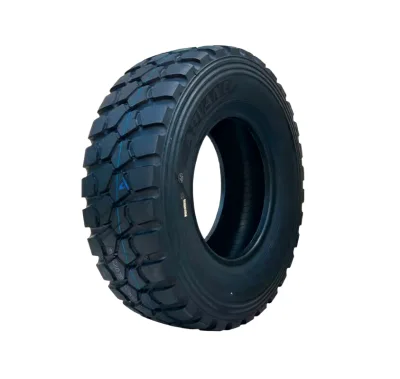
The "Wheel Position" is often listed as "All Position," suggesting versatility in mounting locations. However, the "Position" attribute also specifies "Steer Drive Trailer, on and off Road," which highlights the specific operational environments where these tires are used. For off-road applications, the "Tread Pattern" is often designed as "Cross-Country Tread Pattern" to provide traction in rough terrain. In contrast, highway applications may utilize a "Highway Tread Pattern" for smoother rides and better fuel efficiency.
The "Use" cases further clarify the operational demands. Tires for "Crane" and "Loader" applications must withstand extreme loads and harsh conditions, necessitating "High Load Performance" and "Strong and Sturdy" construction. The "Advantage" of "Anti-Puncture" is particularly relevant for these environments, where debris and sharp objects are common. Buyers must match the tire's design to the specific "Use" case to ensure that the spare tire can perform its temporary function without failing under the stress of the vehicle's weight and operating conditions.
Supplier Evaluation and Quality Assurance
Evaluating suppliers for non-full size spare tires requires a focus on their ability to meet the specific technical and regulatory demands of the category. The "prod_origin" data points to "Shandon Province," "Weifang Shandong," and "Shandong China" as key manufacturing hubs. While these locations indicate a concentration of production, buyers should not assume uniform quality across all suppliers in these regions. Instead, the evaluation should focus on the supplier's adherence to the "prod_standard" and their ability to provide the required "Test" results.
The "Customization" attribute being "Available" suggests that suppliers are capable of tailoring products to specific buyer needs. However, this capability must be balanced with the supplier's ability to maintain consistency in "Quality" and "Certification." Buyers should request detailed documentation regarding the "X-ray Test," "Dynamic Balance," and "Static Balance" results to verify the internal integrity of the tires. The "prod_packing" methods, ranging from "as Exporting Package" to "Plastic Belt" and "Including Transportation Packaging," are also indicators of the supplier's attention to detail and commitment to protecting the product during transit.
Furthermore, the "Market" reach, described as "120coutries" (likely 120 countries), and "Popular Market: All Market," suggests a global presence. Buyers should verify the supplier's experience in exporting to their specific region to ensure they understand local regulations and logistics. The "Condition" being "New" is a baseline requirement, but buyers should also inspect the "Spare Tire Type," which is listed as "Non-Full Size Spare Tire," to confirm that the product matches the intended temporary use profile.
Long-Term Procurement and Inventory Management
Sourcing non-full size spare tires is not just a transactional activity but a strategic component of fleet management and risk mitigation. The "Type" of tire, whether "Solid Tire" or "Rubber Tyre," and the "Kind" such as "Low Pressure Tire," influences the long-term storage and maintenance requirements. Solid tires, for instance, may offer longer shelf lives and resistance to degradation compared to rubber tires, which can dry out over time.
The "Spare Tire" status being "Non-Spare Tire" or "Non-Full Size Spare Tire" implies that these units are kept in inventory for emergency use only. This necessitates a robust inventory management system that tracks the "prod_model," "Diameter," and "Certification" expiration dates. Buyers should consider the "Test" results and "Quality" grades when establishing replacement cycles, as tires with lower grades may require more frequent inspection and replacement.
The "Customized" nature of some products suggests that buyers may need to maintain a diverse inventory to cover different vehicle models. The "Standard" of "A variety of sizes" supports this need for flexibility. However, buyers should also consider the "MOQ" constraints when planning inventory levels. Ordering in bulk may reduce costs but increases storage requirements and the risk of obsolescence if vehicle models change. Therefore, a balanced approach that considers both the "Price" range and the "MOQ" is essential for optimizing the procurement strategy.
In conclusion, the procurement of non-full size spare tires requires a meticulous approach that balances technical specifications, regulatory compliance, and cost efficiency. By leveraging the observed data on certifications, dimensions, and applications, buyers can make informed decisions that ensure the safety and reliability of their fleets. The focus should remain on verifying the "Quality" and "Test" results provided by suppliers, rather than relying solely on marketing claims or generic market trends.
FAQs
What certifications do non full size spare tires typically have?
These tires often carry FCC, RoHS, CE, GS, ECE, CCC, DOT, and ISO certifications. Buyers should verify specific documents for their region, as ECE applies to Europe and DOT to North America, ensuring road-legal compliance for temporary use.
Which specifications are available for non full size spare tires?
Available specifications include diameters from 13 to 16 inches and models like 4.00-8, 1200r20, and 185/65r15. The tread patterns vary between cross-country and highway designs to suit different operational environments and vehicle types.
Can I find non full size spare tires with anti-puncture features?
Yes, many options offer excellent cut resistance and anti-puncture advantages. These features are particularly valuable for industrial applications involving cranes, loaders, and dump trucks where debris and sharp objects are common on the job site.
How are non full size spare tires packed for export?
Packaging methods include exporting packages, plastic belts, and transportation packaging. These methods ensure the tires remain protected during transit, maintaining their new condition and structural integrity until they reach the final destination.
What is the minimum order quantity for non full size spare tires?
The minimum order quantity ranges from 1 to 4,900 units depending on the supplier. Buyers purchasing small quantities may face higher per-unit costs, while bulk orders leverage economies of scale for better pricing on high-load performance tires.
Where are non full size spare tires manufactured?
Production is concentrated in Shandong Province, China, including locations like Weifang. Buyers should verify the specific origin and quality control measures, such as X-ray and balance tests, to ensure the tires meet international safety standards.