Source Non-Ecc Unbuffered DDR5 Memory for Desktops, Laptops, and Workstations
Explore 30 listings for Non-Ecc Unbuffered DDR5 Memory suitable for desktops, laptops, and workstations. Compare specifications including capacity, speed, and form factors to find the right fit for your hardware needs; compare the available evidence and request quotations based on your requirements.
Key considerations
Products List


DDR4-2933 128GB (8X16GB) DDR4-2933 PC4-23400 1rx4 Ecc Registered Memory
$199.00 - $213.00
MOQ: 1 Pieces


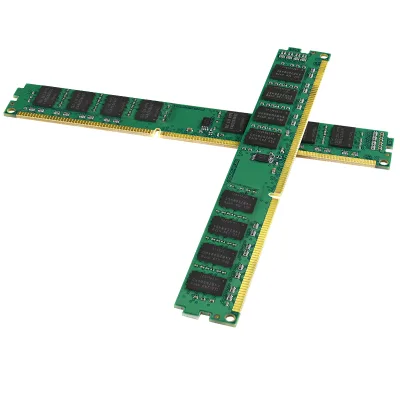


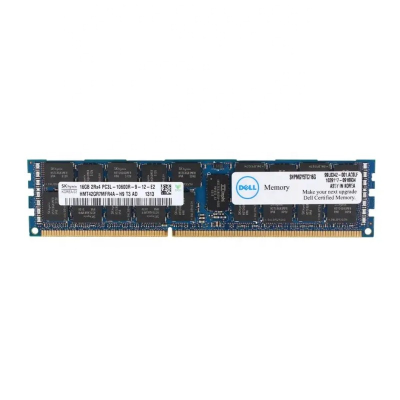

Comprehensive Sourcing Guide
Non-Ecc Unbuffered DDR5 Memory Sourcing Guide
Procuring non-ECC unbuffered DDR5 memory requires distinguishing these modules from the extensive server-grade offerings that dominate current listings. While the available market data highlights numerous DDR5 options with ECC and Registered capabilities, such as 96GB and 128GB server configurations, buyers must specifically filter for desktop and laptop applications where unbuffered operation is standard. The observed product attributes confirm that DDR5 modules exist for server environments, but the specific requirement for non-ECC unbuffered types necessitates a careful review of the "Function" and "Application" fields to ensure compatibility with consumer-grade motherboards.
Buyers should prioritize verifying the "Form Factor" and "Interface Form" to ensure the physical module matches their system's slot requirements, as the data shows a mix of DIMM and So-DIMM options. Although many listed items feature automatic error correction, a non-ECC requirement explicitly excludes these features, demanding a strict check against the "Performance" attribute. The presence of cooling fins and specific color variations like black or green indicates aesthetic and thermal options, but the core technical constraint remains the absence of error correction logic, which is critical for maintaining system stability in non-server workloads.
Product Scope and Observed Listing Signals
The current market landscape presents a wide array of DDR5 capacities, ranging from 16GB to 256GB, yet the specific signal for non-ECC unbuffered memory is often obscured by the prevalence of server-grade listings. Observed models include high-capacity server RAM like 128GB and 96GB DDR5, which inherently utilize ECC and registered technologies unsuitable for standard desktops. Buyers must navigate these listings by cross-referencing the "Application" tag, looking specifically for "Desktop" or "Laptop" designations rather than the "Server" label that frequently accompanies the high-capacity DDR5 options found in the supply chain.
Visual and packaging cues also serve as critical signals for identifying the correct product scope, as the data indicates variations in packing from "Custom" to "Strong Carton and Foam." While some listings mention "Top Notch" quality and "Automatic Error Correction," these are red flags for a buyer seeking non-ECC solutions. The presence of specific model numbers like "DDR5 6000" or "32G DDR5 5600" suggests high-performance tiers, but the absence of explicit "ECC" or "Registered" text in the model description is the primary indicator that a module might meet the unbuffered requirement, requiring careful scrutiny of the full specification list.
Technical Specifications to Verify
Verifying the technical specifications of DDR5 memory involves a rigorous check of the "Memory Type" and "Operate Mode" to confirm the absence of error correction features. The supplied facts list "DDROperate Mode:SDRAM" and various pin counts, but the critical distinction lies in the "Function" attribute, which often lists "Reg Ecc" for server modules. Buyers must explicitly confirm that the "Function" field does not indicate Registered or ECC capabilities, as the presence of these features would render the module incompatible with systems designed for non-ECC unbuffered operation, potentially causing boot failures or instability.
Capacity and speed specifications further refine the selection process, with observed models ranging from 16GB to 256GB and speeds like 3200MHz or 5600MHz. While the data shows a "Memory Capacity" of 2G in some contexts, the primary focus for DDR5 should be on the standard capacities like 16GB, 32GB, or 64GB that align with modern desktop and laptop architectures. Buyers must ensure the "Model" number corresponds to the desired speed and capacity without the suffixes or descriptors that typically denote server-grade ECC modules, ensuring the final selection matches the specific performance needs of the target hardware platform.
Compliance and Safety Documentation
Compliance and safety documentation for memory modules often centers on material standards and origin verification rather than complex electrical safety certifications. The provided facts indicate that products originate from China and adhere to standards such as "Memory" and "Computer Hardware," with some listings referencing "KG" as a standard, likely referring to weight or packaging metrics. Buyers should request documentation that confirms the silicon semiconductor material used in the chips meets general industry safety norms, ensuring that the "Product Status" of "Brand New" is backed by legitimate manufacturing records rather than refurbished or gray-market goods.
Safety considerations also extend to the physical packaging and handling of the modules, as the data notes various packing methods including "Packaged" and "Strong Carton and Foam." While specific electrical safety certifications are not explicitly detailed in the provided facts, buyers should verify that the supplier provides a Certificate of Origin and material safety data sheets that confirm the absence of hazardous substances. The "Warranty" periods of one or two years serve as a proxy for quality assurance, suggesting that the supplier stands behind the product's compliance with basic safety and durability expectations for computer hardware components.
Cost Drivers and Commercial Terms
Cost drivers for DDR5 memory are heavily influenced by capacity, speed, and the specific technology tier, with observed price ranges spanning from $4 to $5000 depending on the configuration. High-capacity server modules like 128GB or 256GB DDR5 naturally command premium prices, whereas standard desktop configurations like 16GB or 32GB fall into the lower end of the spectrum. Buyers must analyze the "MOQ" range of 1 to 1000 to understand how volume impacts pricing, as larger orders may unlock better commercial terms, though the specific price per unit will fluctuate based on the current market availability of DDR5 silicon.
Commercial terms also include the "Warranty" duration, which varies between one and two years in the observed listings, directly affecting the total cost of ownership. A longer warranty period often correlates with higher initial costs but provides better protection against early failures, a critical factor for enterprise procurement. Additionally, the "Customization" availability noted in the facts suggests that buyers can negotiate specific packaging or labeling requirements, which may incur additional fees but can streamline the integration process for specific organizational needs.
Supplier Qualification and Quality Control
Supplier qualification for memory components requires a focus on the "Quality" attributes and the consistency of the "Product Status" across different batches. The observed listings frequently describe products as "Top Notch" and "Brand New," but buyers must verify these claims through independent testing or third-party audits to ensure the silicon chips are genuine and not counterfeit. The "Chipset" compatibility with both AMD and Intel platforms is a key indicator of broad supplier capability, suggesting that the manufacturer has the technical expertise to produce modules that function correctly across different system architectures.
Quality control processes should be validated by examining the "Cooling Fin" specifications and the overall build quality of the modules. The presence of cooling fins, whether "Within Cooling Fin" or "With Cooling Fin," indicates a focus on thermal management, which is essential for maintaining performance in high-speed DDR5 applications. Buyers should request sample units to test for physical defects and verify that the "Interface Form" and "Form Factor" match the advertised specifications, ensuring that the supplier maintains strict adherence to the physical and electrical standards required for reliable memory operation.
Long-Term Procurement Checks
Long-term procurement checks for DDR5 memory involve monitoring the stability of supply chains and the consistency of product specifications over time. Given the rapid evolution of DDR5 technology, buyers must ensure that the "Model" numbers and specifications remain consistent with future system upgrades, avoiding obsolescence. The "Application" scope, which includes Desktop, Laptop, and Server, suggests that the products are versatile, but buyers should verify that the specific non-ECC unbuffered modules remain available as the market shifts toward higher capacities and speeds.
Sustainability and support are also critical for long-term success, with the "Warranty" and "Quality" attributes serving as indicators of supplier reliability. Buyers should establish a relationship with suppliers who can provide consistent "Product Status" updates and maintain a steady inventory of "Brand New" modules. Regular audits of the "prod_packing" and "prod_origin" details will help ensure that the supply chain remains transparent and that the products continue to meet the necessary standards for performance and durability in the long run.
FAQs
What is the difference between non-ECC and ECC memory?
Non-ECC memory lacks error correction, making it suitable for standard desktops and laptops where cost efficiency is prioritized. In contrast, ECC memory includes automatic error correction to ensure data integrity for servers. The choice depends on whether the application requires high reliability or standard performance for everyday computing tasks.
Can non-ECC DDR5 memory be used in servers?
Generally, servers require ECC memory to prevent data corruption during critical operations. While some consumer-grade server platforms might accept non-ECC modules, it is not standard practice. For reliable server performance, especially with high-capacity DDR5 options, ECC or Registered ECC memory is strongly recommended to maintain system stability and data accuracy.
Which form factors are available for DDR5 memory?
DDR5 memory is primarily available in DIMM form factor for desktops and servers, and So-DIMM for laptops. The specific form factor determines compatibility with the motherboard. Desktop and server applications typically use standard DIMMs, while portable devices utilize the smaller So-DIMM variant to fit within compact chassis designs and power constraints.
What warranty periods are typical for DDR5 memory modules?
Warranty periods for DDR5 memory modules typically range from one to two years. Some premium products offer a two-year warranty, while standard options may provide one year. Buyers should verify the specific warranty terms with the supplier, as coverage depends on the manufacturer and the specific product line purchased for desktop or server use.
How does customization affect DDR5 memory sourcing?
Customization options allow buyers to specify packaging, branding, or specific capacity configurations. Suppliers often offer custom packing solutions to meet logistical needs. This flexibility helps businesses tailor orders to their exact requirements, ensuring that the memory modules arrive in the preferred format, whether for retail distribution or direct integration into larger hardware systems.
What are the common capacities for DDR5 memory?
Common DDR5 capacities include 16GB, 32GB, 64GB, 96GB, 128GB, and 256GB. These options cater to various applications, from standard laptops to high-end servers. Higher capacities are essential for data-intensive server workloads, while lower capacities suffice for general desktop and laptop computing needs, providing flexibility for different performance tiers.