Source Non-Fading Heart Ring for Wedding, Gift, and Daily Wear
Explore 30 verified listings for a non-fading heart ring suitable for weddings, gifts, and daily wear. Buyers can compare stainless steel models with electroplating, mirror polishing, and custom engraving options from Chinese manufacturers.
Key considerations
Products List


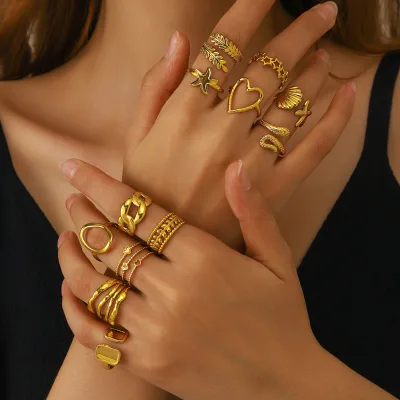

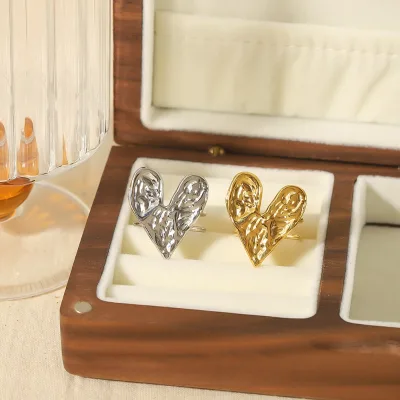
Comprehensive Sourcing Guide
Sourcing Strategy for Non-Fading Heart Rings in B2B Markets
The global B2B market for fashion jewelry continues to evolve with a specific demand for durable, aesthetically pleasing, and customizable accessories. Among these, the non-fading heart ring has emerged as a significant category, driven by its dual appeal as a romantic symbol and a versatile fashion statement. For procurement professionals, sourcing this specific item requires a disciplined approach that balances aesthetic requirements with technical specifications regarding material integrity and surface treatments. The objective is to secure a supply chain that delivers consistent quality without relying on unverified marketing claims. This guide outlines the critical factors buyers must evaluate when sourcing non-fading heart rings, focusing on the intersection of design, material science, and manufacturing processes observed in current market listings.
Technical Specifications and Material Integrity
The foundation of a non-fading heart ring lies in its material composition and the specific fabrication processes employed. When analyzing product listings, buyers must distinguish between the base material and the surface treatments that provide the "non-fading" characteristic. In the current market, stainless steel is a dominant material choice, often cited with specific purity metrics. For instance, verified product data indicates that high-quality options utilize stainless steel with a purity exceeding 90%. This material choice is critical because it provides the structural integrity necessary for daily wear while resisting corrosion and tarnish better than base metals.
The shape of the ring is a primary differentiator in this category. While many rings are round, the specific "heart" shape requires precise casting or fabrication to ensure the curves are smooth and the point is defined. Market observations show that the heart shape is available alongside other forms like round or baroque styles, but the heart variant demands specific attention to the casting process. The fabrication process often involves a combination of casting for the initial form and subsequent polishing or electroplating to achieve the final finish. One observed specification highlights a "Mirror Polishing" surface treatment, which is essential for achieving the long-lasting shine that defines the non-fading attribute. This polishing process not only enhances aesthetics but also seals the surface against oxidation.
Furthermore, the setting method for any stones or decorative elements is a technical variable. Listings indicate the use of prong settings and glue stone techniques, particularly in models designed for gem mounting. The choice between these methods impacts the durability of the ring. A prong setting allows for better light entry but requires precise engineering to prevent stone loss, whereas glue stone techniques may be used for specific decorative effects. Buyers should verify that the specific model they are sourcing utilizes a setting method appropriate for the intended wear scenario, whether it be daily wear, business, or gift-giving.
Compliance, Certification, and Skin Safety
In the B2B jewelry sector, compliance is not merely a regulatory formality but a critical component of brand protection and consumer trust. The "non-fading" claim often correlates with hypoallergenic properties, as fading metals can sometimes release irritants. A key attribute observed in high-quality listings is the "Nickel-Free" and "Hypoallergenic for Sensitive Skin" designation. For buyers targeting a global market, especially in regions with strict chemical regulations, verifying these claims is mandatory. While specific certification documents may not always be listed in general product summaries, the assertion of being nickel-free suggests adherence to standards that limit heavy metal content.
Buyers must also consider the environmental and safety standards associated with the plating and surface treatments. The "Electroplating" process mentioned in product data often involves the application of gold or other finishes. To ensure the "non-fading" claim holds true, the plating must be of sufficient thickness and quality to resist wear. The absence of fading is explicitly noted in some product attributes, indicating a successful application of anti-tarnish treatments. However, buyers should not assume that all "gold" plated rings are equal; the underlying metal purity and the plating thickness are the true determinants of longevity.
Additionally, the origin of the product plays a role in compliance. Many listings specify "China" as the place of origin, with specific regions like Zhejiang noted as manufacturing hubs. While this does not inherently imply non-compliance, it necessitates a rigorous supplier audit to ensure that local manufacturing standards align with the buyer's international requirements. The "17g" standard mentioned in some specifications likely refers to a weight standard or a specific product weight benchmark, which buyers should cross-reference with their own quality control protocols to ensure consistency across batches.
Cost Drivers and Pricing Dynamics
Understanding the cost structure of non-fading heart rings is essential for effective procurement planning. The price range observed in the market spans from approximately $0.63 to $3.00 USD. This wide variance is driven by several factors, including the complexity of the design, the quality of the stainless steel, the thickness of the plating, and the extent of customization. The "Fashion" style and "Inlaid Ring" type suggest that these items are positioned as affordable luxury or mass-market accessories, where volume is a key driver of profitability.
The Minimum Order Quantity (MOQ) is another significant cost driver. Observed MOQs range from 3 to 120 units. A lower MOQ of 3 units allows for smaller buyers to test the market or order samples with minimal financial risk, while higher MOQs of 120 units typically unlock better per-unit pricing. Buyers must balance their inventory needs with their cash flow constraints. For a standard B2B order, the MOQ of 120 units might be more cost-effective, but for new product launches, the lower threshold offers flexibility.
Customization services also influence the final cost. Attributes such as "Engraving," "Size Adjustment," and "Logo Service" are offered by suppliers, but these services invariably add to the unit cost. The "Customized" status is available for many models, allowing buyers to tailor the product to their brand identity. However, the extent of customization, such as the specific size range (5-13 US sizes) or the complexity of the logo, will determine the premium charged. Buyers should request detailed cost breakdowns for customized orders to understand the margin impact of these value-added services.
Typical Applications and Market Positioning
The versatility of non-fading heart rings makes them suitable for a diverse range of applications. The primary usage categories identified in product data include "Wedding," "Decoration," "Gift," and "Gift-Giving." This broad applicability suggests that the product appeals to both B2B retailers targeting specific events (like weddings) and general fashion retailers. The "Daily Wear," "Casual," and "Business" wear scenarios indicate that these rings are designed for longevity and frequent use, rather than being purely ceremonial or disposable items.
The target demographic is also varied. While some listings specify "Male" or "Female" as the gender, others indicate "Unisex," highlighting the inclusive nature of the heart ring design. This unisex appeal expands the potential market size, allowing buyers to stock a single SKU that serves a broader customer base. The "Fashion" style and "Rose Gold" or "Gold" color options further align the product with current trends, making it a relevant addition to any jewelry collection.
The packaging is another aspect of the application strategy. Products are often supplied in "PP Bag" or "OPP Bag" packaging. While functional, this packaging is basic. Buyers looking to enhance the unboxing experience for their end consumers may need to consider secondary packaging solutions. The "Heart" shape and "Change" stone attributes (where applicable) add a layer of emotional value, making these rings particularly effective as gifts. The ability to customize the size and engrave messages further enhances their suitability as personalized gifts, a high-margin segment in the jewelry market.
Supplier Evaluation and Quality Control
Selecting the right supplier is the most critical step in the sourcing process. Buyers should evaluate suppliers based on their ability to consistently deliver on the "non-fading" promise. This involves verifying the "Stainless Steel" purity and the effectiveness of the "Mirror Polishing" and "Electroplating" processes. A reliable supplier will have a robust quality control system that tests for fading, tarnish, and skin sensitivity. The "Fade?: No" attribute in some listings is a strong indicator, but buyers should request independent test results or third-party certifications to validate these claims.
The customization capabilities of the supplier are also a key evaluation metric. The ability to offer "Logo Service," "OEM," and "Customized" designs indicates a flexible manufacturing partner. Buyers should assess the supplier's capacity to handle the "5-13 Us Sizes" range and the complexity of "Engraving" services. The "Craft" methods, such as "Casting" and "Polish, Glue Stone," should be inspected to ensure they meet the buyer's quality standards. A supplier that can demonstrate proficiency in these specific crafts is more likely to deliver a high-quality product.
Furthermore, the "Place of Origin" and "prod_origin" details should be verified to ensure the supply chain is transparent. Suppliers located in established manufacturing hubs like Zhejiang, China, often have the infrastructure to support large-scale production. However, buyers must conduct due diligence to ensure that the specific factory meets international labor and environmental standards. The "Standard" specifications, such as "578mm" or "578cm," should be strictly adhered to, and any deviations should be flagged immediately.
Long-Term Procurement Considerations
Sourcing non-fading heart rings is not just a one-time transaction but a long-term partnership that requires strategic planning. Buyers should consider the scalability of the supplier's production capabilities. As demand grows, the supplier must be able to maintain the "non-fading" quality and consistency of the product. The "Customization Service" should be scalable, allowing for increased volume without compromising on the "Engraving" or "Size Adjustment" quality.
Inventory management is another critical consideration. With an MOQ range of 3 to 120 units, buyers can adopt a flexible inventory strategy. However, the "Lead Time" for customized orders should be factored into the supply chain planning. While specific lead times are not provided in the general data, buyers should negotiate clear timelines with suppliers to avoid stockouts, especially during peak seasons like Valentine's Day or Christmas.
Finally, buyers should plan for product lifecycle management. The "Fashion" style of these rings means they are subject to changing trends. Suppliers who can offer "Change" stone options or new color variations will be valuable partners in keeping the product line fresh. The "Anti-Tarnish" and "Long-Lasting Shine" features are selling points that should be leveraged in marketing, but they must be backed by consistent product performance. By focusing on these long-term factors, buyers can build a resilient supply chain that delivers value over time.
Comparative Analysis of Product Attributes
To facilitate decision-making, the following table summarizes key attributes observed in the market for non-fading heart rings. This comparison helps buyers identify the specific features that align with their procurement needs.
| Attribute Category | Specific Observation | Relevance to Procurement |
|---|---|---|
| Material | Stainless Steel (Purity > 90%) | Ensures durability and corrosion resistance. |
| Shape | Heart, Round, Baroque | Heart shape is the core keyword; verify casting quality. |
| Surface Treatment | Mirror Polishing, Electroplating | Critical for "non-fading" claim and aesthetic finish. |
| Skin Safety | Nickel-Free, Hypoallergenic | Essential for sensitive skin markets and compliance. |
| Customization | Engraving, Size (5-13 US), Logo | Adds value; verify capacity and cost implications. |
| Packaging | PP Bag, OPP Bag | Basic; consider secondary packaging for retail. |
| Origin | China (Zhejiang) | Indicates manufacturing hub; requires supplier audit. |
| MOQ Range | 3 - 120 Units | Allows for flexible ordering strategies. |
| Price Range | $0.63 - $3.00 USD | Affordable luxury; volume drives margin. |
This structured approach to sourcing ensures that buyers can navigate the complexities of the non-fading heart ring market with confidence, focusing on verified facts and practical considerations rather than unverified claims.
FAQs
What material is used for non-fading heart rings?
These rings are made from stainless steel with a purity over 90 percent. This material ensures the ring is scratch-resistant and suitable for daily wear without tarnishing quickly.
Can I get custom engraving on these rings?
Yes, customization services including engraving and size adjustments are available. Buyers can request specific sizes ranging from 5 to 13 US sizes to fit different customers.
Are these rings safe for sensitive skin?
Yes, the rings are nickel-free and hypoallergenic for sensitive skin. This property makes them safe for long-term daily wear, casual use, and business occasions.
What is the minimum order quantity for these rings?
The minimum order quantity ranges from 3 to 120 units depending on the supplier. Lower quantities allow for testing, while higher volumes often unlock better pricing tiers.
How are the rings finished to prevent fading?
Rings undergo mirror polishing and electroplating to achieve a long-lasting shine. These surface treatments provide anti-tarnish properties that help maintain the gold or rose gold color.
Where are these non-fading heart rings manufactured?
The products originate from China, specifically from the Zhejiang region. This location is a known manufacturing hub for fashion jewelry and offers various customization options.
What packaging is included with the rings?
Rings are typically packed in PP bags or OPP bags for protection. This basic packaging is functional for shipping but may require secondary packaging for retail presentation.