Source Non-Slip Cocktail Beer Tray for Bars, Events, and Catering
Find and compare 30 Non-Slip Cocktail Beer Tray options from verified manufacturers. Evaluate features like anti-skid surfaces, customizable imprints, and materials including plastic and stainless steel for your specific serving needs.
Key considerations
Products List


Round Waiter Plastic Anti-Skid Bar Tray Beer Drinks Trays Pub Serving Tray
$2.00 - $2.50
MOQ: 500 Pieces


Custom Printing Plastic Anti Slip Bar Serving Tray Non Slip Ba Ware Tray PS Beer Trays
$2.99 - $3.69
MOQ: 1000 Pieces
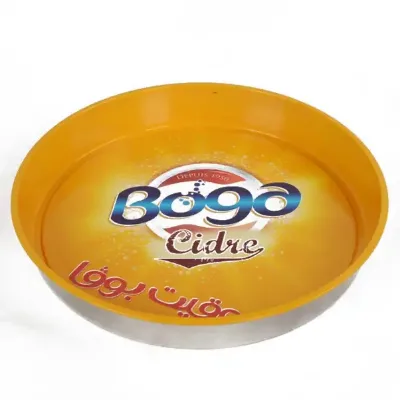
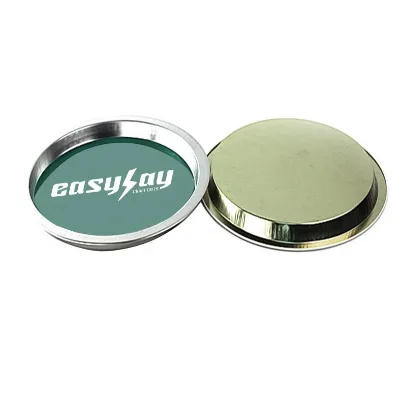

Hot Selling Round Beer Tray Plastic Non-Slip Plate Non-Slip Bar Serving Tray
$1.00 - $2.50
MOQ: 250 Pieces


Promotional Bar Beer Tray Plastic Metal Round Decorative Serving Tray for Restaurant
$1.00 - $2.50
MOQ: 250 Pieces

Wholesale Galvanized Serving Tray Round Anti-Slip Bar Beer Tray Custom Metal Trays
$1.00 - $2.50
MOQ: 250 Pieces


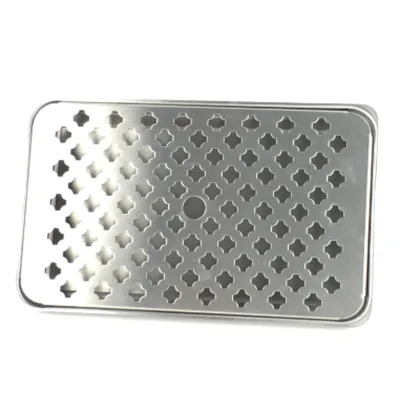


Wholesale Metal Custom Storage Tray Beer Round Tray with Anti-Slip Rubber Finish
$1.59 - $1.85
MOQ: 5000 Pieces


Comprehensive Sourcing Guide
Non-Slip Cocktail Beer Tray Sourcing Guide
Sourcing non-slip cocktail and beer trays requires a careful balance between functional performance, aesthetic customization, and regulatory compliance. These trays are essential for hospitality environments where stability and brand visibility are paramount. Buyers must navigate a diverse market that includes materials ranging from durable plastics and stainless steel to eco-friendly bamboo and molded pulp. Understanding the specific attributes of each material type is crucial for selecting the right product for your venue’s operational needs and sustainability goals.
The procurement process involves verifying technical specifications such as dimensions, surface textures, and load-bearing capacities. While many suppliers offer similar-looking products, the underlying quality of the anti-skid features and the durability of the materials can vary significantly. This guide provides a structured approach to evaluating suppliers, ensuring that the selected trays meet both functional requirements and commercial terms. By focusing on evidence-based verification steps, buyers can mitigate risks and secure high-quality inventory that enhances customer experience.
Product Scope and Observed Listing Signals
The market for non-slip cocktail trays encompasses a wide variety of designs, materials, and customization options. Observed listings indicate a strong presence of plastic and stainless steel options, with specific models like PPL-BT026 and PPL-SBT001 highlighting distinct features such as slanted edges and metallic finishes. These products are often designed for high-traffic environments like bars and restaurants, where quick service and easy cleaning are critical. The availability of round shapes with slanted edges suggests a focus on ergonomic handling and efficient stacking, which are key considerations for back-of-house operations.
Customization is a dominant feature in this category, with many suppliers offering OEM and ODM services. Buyers can expect options for custom imprints, including solid colors, patterns, or CMYK graphics, allowing for strong brand integration. The ability to match specific Pantone colors further enhances the aesthetic appeal for branded events or corporate hospitality. Additionally, the presence of eco-friendly attributes in some listings, such as bamboo and pulp-molded options, reflects a growing demand for sustainable packaging and serving ware. This diversity allows buyers to align their procurement with both functional and corporate social responsibility objectives.
Technical Specifications to Verify
Dimensional accuracy and material composition are primary technical factors that must be verified before placing bulk orders. Listings show a range of sizes, from diameter 320mm to 380mm, with varying heights and thicknesses. For instance, some plastic trays are specified with a diameter of 32-38cm, while others have precise measurements like 320*50mm. It is essential to confirm that the selected dimensions align with the glassware and bottle sizes typically served in your establishment. Mismatched dimensions can lead to instability, increasing the risk of spills and customer dissatisfaction.
Surface functionality and structural integrity are equally important verification points. The "anti-skid" and "non-slip" features are frequently cited, but the specific technology or texture used to achieve this effect should be clarified. Stainless steel options may offer metallic finishes with inherent grip, while plastic trays might rely on textured surfaces. Buyers should request samples to test the slip resistance under wet conditions, which are common in bar environments. Additionally, verifying the material thickness and weight ensures that the trays are durable enough to withstand frequent use and washing without warping or breaking.
Compliance and Safety Documentation
Regulatory compliance is non-negotiable for food-contact items, particularly those used in serving beverages and food. Many suppliers list certifications such as FDA, CE/EU, and SGS, which indicate adherence to specific safety and quality standards. For products intended for the European market, CE marking is crucial, while FDA compliance is essential for the United States. Buyers must verify that these certifications are current and applicable to the specific materials used, such as plastic, stainless steel, or bamboo. Documentation should be requested and reviewed to ensure that the products are safe for direct food and beverage contact.
Additional certifications like BSCI, Sedex, and FSC may be relevant for buyers with strict sustainability or ethical sourcing policies. These certifications often relate to labor practices and responsible forestry, respectively, adding value for eco-conscious brands. It is important to distinguish between product-specific certifications and broader company-level audits. Buyers should ask for copies of the actual certificates and check their validity dates. Ensuring that the supplier can provide up-to-date compliance documentation helps mitigate legal risks and supports marketing claims regarding product safety and ethical production.
Cost Drivers and Commercial Terms
Pricing in this category is influenced by material costs, customization complexity, and order volume. Observed price ranges vary significantly, reflecting differences in material quality and production methods. For example, plastic trays may be more cost-effective for high-volume orders, while stainless steel or bamboo options may carry a premium due to material and processing costs. Customization, such as printing logos or matching specific Pantone colors, often incurs additional setup fees or higher per-unit costs. Buyers should request detailed quotes that break down these costs to understand the true price drivers.
Commercial terms and payment structures also play a significant role in the procurement process. Common terms include EXW, FOB, and DDP, each affecting the final landed cost and logistics responsibility. Payment terms often require a deposit, such as 30% in advance, with the balance due before shipping. Lead times can vary, with some suppliers indicating bulk production times of around 30 days. Buyers should clarify these terms early in the negotiation process to avoid surprises. Additionally, understanding sample costs and lead times, which may range from $20 to several days, helps in planning the procurement timeline effectively.
Supplier Qualification and Quality Control
Evaluating supplier capabilities is critical to ensuring consistent product quality and reliable delivery. Buyers should assess the supplier’s production capacity, quality control processes, and ability to handle customization requests. Suppliers offering OEM/ODM services should demonstrate a robust design and engineering team capable of translating brand requirements into manufacturable products. It is advisable to review the supplier’s past performance and client testimonials, if available, to gauge their reliability. A supplier with a strong track record in producing non-slip trays for the hospitality industry is likely to have refined their processes for durability and functionality.
Quality control measures should be explicitly discussed and agreed upon before production begins. This includes defining acceptable tolerances for dimensions, color matching, and surface finish. Buyers should inquire about the supplier’s internal testing procedures, such as drop tests or slip resistance checks. Requesting pre-shipment inspections or third-party quality audits can provide an additional layer of assurance. Clear communication of quality expectations and the establishment of a defect resolution process are essential steps in maintaining a successful supplier relationship. This proactive approach helps minimize the risk of receiving substandard products.
Long-Term Procurement Checks
Sustaining a successful procurement strategy for non-slip cocktail trays requires ongoing monitoring and relationship management. Buyers should regularly review supplier performance metrics, including on-time delivery rates, product quality consistency, and responsiveness to issues. Establishing a periodic review process allows for the identification of potential problems before they escalate. It is also important to stay updated on any changes in regulatory requirements or industry standards that may affect product compliance. Proactive engagement with suppliers ensures that they remain aligned with your evolving business needs.
Continuous improvement and innovation should be encouraged through regular feedback and collaboration. Suppliers may offer new materials, designs, or customization options that can enhance your product offering. Building a long-term partnership can lead to better pricing, priority production slots, and exclusive design rights. Buyers should also consider diversifying their supplier base to mitigate risks associated with supply chain disruptions. By maintaining a strategic approach to procurement, businesses can ensure a steady supply of high-quality, non-slip cocktail trays that support their operational and brand objectives.
FAQs
What materials are used for non slip cocktail beer trays?
These trays are primarily manufactured from plastic and stainless steel. Some variants also utilize bamboo and wood materials. The plastic options often feature a pulp moulding process for eco-friendly production. Stainless steel versions provide a metallic color finish. Buyers can select the material that best suits their durability and aesthetic requirements for bar or restaurant service.
Can I customize the color and imprint on these trays?
Yes, customization is available for both color and imprint. The tray color can be made to match a given Pantone shade. Artwork can be printed as a solid color pattern or a CMYK graphic. This allows businesses to brand their serving ware effectively. Custom dimensions are also possible to meet specific operational needs.
What certifications do these non slip trays hold?
The products hold various certifications including CE/EU, FDA, SGS, BSCI, Sedex, and FSC. These ensure compliance with international safety and quality standards. The FDA certification is particularly relevant for food contact applications. Buyers requiring specific audits or standards can verify these credentials during the sourcing process to ensure regulatory compliance.
What are the typical specifications for round bar trays?
Round bar trays typically feature a diameter of 320mm with a height of 50mm. Other models may have a diameter ranging from 32 to 38cm. Some specific models measure 34cm in diameter with a 2.5cm height. These dimensions are designed to hold multiple drinks securely. The slanted edges help in easy handling and stacking.
What is the minimum order quantity for these trays?
The minimum order quantity varies by product type. For some plastic or pulp moulding items, the MOQ is 1000 pieces. Other standard items may have an MOQ as low as 1 piece. Bulk orders typically require 5000 pieces for certain configurations. Buyers should check specific model requirements to determine the exact MOQ for their order.
How are these trays packaged for shipping?
Trays are packaged in polybags and cartons for bulk shipping. Some smaller items use OPP bags for individual protection. Specific models may be packed in individual bubble bags before being bulk packed into cartons. This packaging ensures the trays remain clean and undamaged during transit. The packing method is chosen to optimize space and protection.