Source Adjustable Home Bar Table Light for Hotels, Cafes, and Homes
Find and compare 30 Adjustable Home Bar Table Light options from verified Chinese manufacturers. Evaluate features like USB charging, dimming modes, and certifications to select the ideal lighting solution for your commercial or residential project needs.
Key considerations
Products List


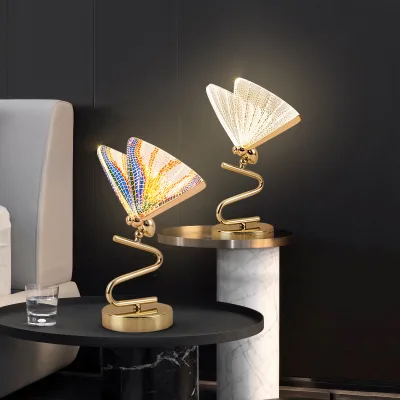


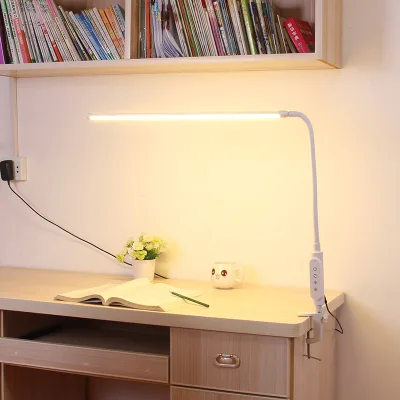


2020 Year New Design Table Lamp Glass Table Light for Hotel Restaurant Home
$299.00 - $399.00
MOQ: 30 Pieces


Comprehensive Sourcing Guide
Adjustable Home Bar Table Light Sourcing Guide
Sourcing adjustable lighting for home bars requires a careful balance between aesthetic integration and functional utility. The modern home bar serves as both a social hub and a display area for glassware and spirits, making illumination a critical design element rather than an afterthought. Buyers must prioritize fixtures that offer precise directional control, allowing light to highlight specific bottles or create ambient mood lighting without causing glare. The market offers a variety of solutions, from traditional plug-in fixtures to versatile cordless options, each presenting distinct advantages for different installation environments. Understanding the specific power requirements and mounting constraints of your target retail or hospitality clients is the first step in selecting the right product mix.
The procurement landscape for these fixtures is diverse, ranging from high-volume, low-cost items to specialized, feature-rich units. Recent market observations indicate a wide price range, with products listed between $3 and $399 USD, reflecting significant variation in build quality, technology, and brand positioning. This disparity suggests that buyers should not assume a direct correlation between price and suitability for all use cases. Instead, procurement strategies should focus on matching specific product attributes, such as dimming capabilities, color temperature adjustability, and power source flexibility, to the intended application. Whether sourcing for budget-conscious home decorators or high-end hospitality designers, the key is to verify that the technical specifications align with the end-user’s operational needs.
Product Scope and Observed Listing Signals
The current market for adjustable bar lighting includes a spectrum of products, from simple USB-powered lanterns to complex, multi-functional table lamps. For instance, models like the CL321A-COB and CL321B-COB represent a category of compact, rechargeable lighting solutions. These units typically feature COB (Chip on Board) bulbs with moderate brightness levels, such as 150 lumens, and offer dimming capabilities ranging from 0% to 100%. Their water-resistant design and USB Type-C charging make them suitable for casual or temporary setups, such as outdoor bar areas or portable serving stations. However, their primary limitation lies in their lower power output and smaller illumination area, which may not suffice for large-scale commercial installations requiring high-intensity task lighting.
In contrast, more sophisticated options like the RN00141 series cater to permanent or semi-permanent installations in hotels, restaurants, and upscale homes. These fixtures often support higher wattages, such as 8W or 12W, and offer advanced features like touch dimming, color temperature adjustment, and remote control functionality. The availability of multiple color variants, including black and white finishes, allows for greater design flexibility to match diverse interior decors. Additionally, some products in this segment are designed with specific applications in mind, such as children’s learning environments or general bedroom lighting, indicating a broader versatility that can be leveraged for multi-purpose bar setups. Buyers should carefully evaluate the intended use case to determine whether a high-wattage, fixed-installation fixture or a flexible, cordless option is more appropriate.
Technical Specifications to Verify
When evaluating adjustable bar lights, the power source is a critical technical consideration that dictates installation flexibility and maintenance requirements. Products in this category are available with various power options, including built-in lithium batteries, USB charging, and direct plug-in connections. For example, some models utilize a 3.7V/2000mAh lithium rechargeable battery, offering cordless convenience but requiring regular recharging. Others may feature a 6W lamp power rating with a standard USB Type-C charger, providing a balance between portability and ease of use. Buyers must verify the battery capacity and charging time to ensure that the product can sustain its intended operation duration without frequent interruptions, especially in settings where access to power outlets is limited.
Lighting performance metrics, including lumen output, color temperature, and dimming range, are equally important for ensuring customer satisfaction. The observed products show a range of brightness levels, from medium output in compact lanterns to higher intensity in dedicated table lamps. It is essential to verify the actual lumen output and the uniformity of the light distribution, as uneven lighting can detract from the aesthetic appeal of a bar setup. Additionally, the presence of dimming features, such as 0-100% switch modes or touch-controlled adjustments, allows users to customize the ambiance. Buyers should also check the light source type, with LED being the predominant choice due to its energy efficiency and longevity, and ensure that the fixture offers the desired color temperature options, such as warm white or cool white, to complement the bar’s decor.
Compliance and Safety Documentation
Safety certifications are non-negotiable for electrical lighting products, particularly those intended for use in residential and commercial environments. The observed products carry various certifications, including RoHS, CE, CCC, and GS, which indicate compliance with regional safety and environmental standards. For instance, CE certification is mandatory for products sold in the European market, ensuring that the lighting fixture meets essential health, safety, and environmental protection requirements. Similarly, CCC certification is required for products sold in China, while GS certification indicates additional safety testing beyond standard requirements, often valued in European markets. Buyers must verify that the specific models they intend to source possess the relevant certifications for their target markets, as non-compliant products can lead to legal liabilities and market access issues.
Beyond regulatory certifications, buyers should also consider environmental and ethical compliance standards, such as RoHS, which restricts the use of hazardous substances in electrical and electronic equipment. This is particularly relevant for products containing batteries and electronic components, as it ensures that the manufacturing process adheres to environmentally friendly practices. Additionally, some suppliers may offer products compliant with BSCI standards, which focus on social compliance in the workplace. While not a technical specification, this can be a valuable differentiator for buyers who prioritize ethical sourcing and corporate social responsibility. It is advisable to request documentation for all relevant certifications and verify their validity through independent testing agencies or official certification bodies before finalizing procurement decisions.
Cost Drivers and Commercial Terms
The cost of adjustable bar lights is influenced by several factors, including material quality, technological features, and production volume. Products with advanced features such as touch dimming, remote control, and color temperature adjustment typically command higher prices due to the increased complexity of their electronic components. Similarly, fixtures made from premium materials, such as high-grade plastics or metals, may have higher manufacturing costs but offer greater durability and aesthetic appeal. Buyers should analyze the cost structure in relation to the product’s feature set and target market, ensuring that the pricing aligns with the perceived value by end-users. The observed price range of $3 to $399 USD highlights the importance of segmenting products based on their intended application and quality tier.
Commercial terms, including minimum order quantities (MOQ), packaging, and lead times, also play a significant role in procurement planning. MOQs for these products can vary widely, from as low as 1 piece for sample orders to 1000 pieces for bulk purchases. Packaging details, such as inner box configurations and carton standards, impact shipping costs and storage efficiency. For example, some products are packed in cartons with specific dimensions and weights, which can affect logistics planning. Lead times, typically ranging from 15 to 30 days, should be factored into inventory management strategies to avoid stockouts or excess inventory. Buyers should negotiate clear terms regarding payment methods, shipping responsibilities, and after-sales support to mitigate risks and ensure a smooth procurement process.
Supplier Qualification and Quality Control
Selecting a reliable supplier is crucial for maintaining product quality and ensuring timely delivery. Buyers should prioritize suppliers with a proven track record in manufacturing lighting products, particularly those with experience in exporting to their target markets. Verification of supplier qualifications, including business licenses, factory audits, and quality management system certifications, can provide insights into their operational capabilities and commitment to quality. Additionally, suppliers that offer OEM and ODM services, such as those indicated by the "Welcome" attribute for certain models, can provide customized solutions tailored to specific brand requirements. This flexibility can be advantageous for buyers looking to differentiate their product offerings in a competitive market.
Quality control measures should be implemented throughout the production process to ensure that the final products meet the specified standards. Buyers should request pre-production samples for evaluation and conduct random inspections during production and before shipment. Key quality checks should include visual inspections for defects, functional tests for lighting performance and dimming capabilities, and safety tests for electrical components. Suppliers that provide online technical support and clear after-sales service policies can also enhance the procurement experience by offering assistance with installation, troubleshooting, and warranty claims. Establishing a strong relationship with a supplier that prioritizes quality and customer service can lead to long-term benefits, including consistent product quality and responsive support.
Long-Term Procurement Checks
Sourcing adjustable bar lights is not a one-time transaction but an ongoing process that requires continuous monitoring and evaluation. Buyers should regularly review product performance in the market, gathering feedback from end-users to identify any recurring issues or areas for improvement. This feedback loop can inform future procurement decisions, such as selecting models with enhanced features or addressing common complaints related to battery life or durability. Additionally, staying informed about industry trends and technological advancements can help buyers anticipate changes in consumer preferences and adjust their product offerings accordingly. For example, the growing demand for smart lighting solutions may necessitate the inclusion of Wi-Fi or Bluetooth-enabled fixtures in future sourcing strategies.
Furthermore, buyers should maintain a diversified supplier base to mitigate risks associated with supply chain disruptions or quality inconsistencies. Regularly auditing suppliers and comparing their performance against key metrics, such as delivery times, defect rates, and customer satisfaction scores, can help identify underperforming partners and facilitate timely replacements. It is also important to stay updated on regulatory changes and certification requirements in target markets, as non-compliance can result in product recalls or legal penalties. By adopting a proactive and data-driven approach to procurement, buyers can ensure that their product offerings remain competitive, compliant, and aligned with evolving market demands.
FAQs
Can I customize the Adjustable Home Bar Table Light?
Yes, customization is available for this product line. Buyers can request specific modifications to meet their unique requirements while maintaining the core features like USB charging and water resistance.
What power source does the Adjustable Home Bar Table Light use?
The light operates using a built-in lithium rechargeable battery or USB charging. This ensures cordless flexibility for use in bedrooms, learning areas, or commercial spaces like hotels and cafes without constant wall access.
Which certifications are required for the Adjustable Home Bar Table Light?
Certifications such as RoHS, CE, CCC, and GS are available depending on the specific model. These ensure compliance with safety and environmental standards for international markets and specific regional regulations.
How long is the delivery time for the Adjustable Home Bar Table Light?
The standard delivery time ranges from 15 to 30 days after order confirmation. This lead time applies to orders placed with manufacturers in China, including those located in Ningbo and Foshan.
What is the minimum order quantity for the Adjustable Home Bar Table Light?
The minimum order quantity varies between 1 and 1000 units depending on the supplier and specific model. Buyers can find options suitable for single-item purchases or larger bulk orders for commercial use.
Can the Adjustable Home Bar Table Light be used in wet environments?
Yes, the product is water-resistant, making it suitable for various indoor applications. This feature allows safe usage in areas where moisture might be present, such as near sinks or in humid rooms.