Source Non-Slip CE Certified Bath Chair for Home Care
Compare 30 Non-Slip CE Certified Bath Chair options from verified suppliers. These units feature adjustable heights, stainless steel or aluminum frames, and weight capacities up to 100kg for safe bathing in home care settings; compare the available evidence and request quotations based on your requirements.
Key considerations
Products List


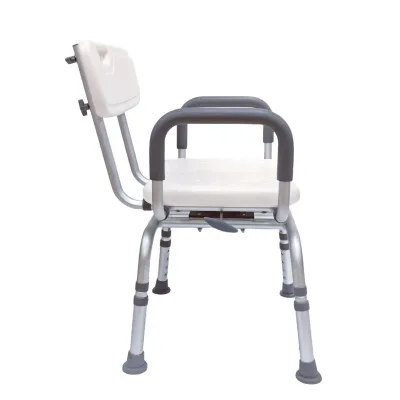


Non-Slipheight Adjustable Bath Chair with Armrests and Backrest for The Elderly
$17.50 - $18.50
MOQ: 100 Pieces


Bath Stool Shower Chair with Backrest Quick Detacbale Legs Adjustable Height
$13.50 - $14.50
MOQ: 100 Pieces

Wall Mounted Folding Bath Stool Waterproof Shower Seat Bath Shower Chair
$34.77 - $38.43
MOQ: 100 Pieces


Comprehensive Sourcing Guide
Non-Slip CE Certified Bath Chair Sourcing Guide
Procuring a non-slip CE certified bath chair requires a careful balance of safety compliance, ergonomic design, and material durability. Buyers must prioritize chairs that explicitly display CE certification marks, ensuring they meet European health, safety, and environmental protection standards. This certification is not merely a label but a critical indicator that the manufacturer has adhered to rigorous manufacturing protocols. When sourcing these units, verify that the certification covers both the structural integrity of the frame and the slip-resistant properties of the seating surface. This dual verification ensures that the product is safe for use in wet environments, reducing the risk of falls for elderly or mobility-impaired users.
Beyond certification, the physical attributes of the chair play a pivotal role in its effectiveness. Look for models with adjustable heights and non-slip feet to ensure stability on various bathroom floor types. The material choice, often PVC or stainless steel, impacts both longevity and hygiene. PVC options may offer lightweight portability, while stainless steel provides superior corrosion resistance in humid conditions. Buyers should also consider the weight capacity, ensuring it supports the intended user without compromising structural safety. Understanding these core elements helps in selecting a product that meets both regulatory requirements and practical user needs.
Product Scope and Observed Listing Signals
The current market for bath chairs presents a diverse range of options, with observed price points varying significantly based on material and features. Listings indicate a price range from low-cost basic models to higher-end specialized units, reflecting differences in build quality and certification depth. Buyers should note that the minimum order quantities (MOQ) can range from single units for trial orders to bulk purchases for institutional needs. This variability allows for flexible sourcing strategies, whether for individual household use or large-scale facility procurement. Understanding these market signals helps in budgeting and planning inventory levels effectively.
Observed product attributes reveal a strong emphasis on customization and specific design features. Many suppliers offer options for custom logos or sizes, catering to branded healthcare facilities or personalized home care needs. The presence of features like adjustable heights and specific weight capacities, such as 100kg limits, indicates a focus on user safety and versatility. Additionally, the origin of many products, particularly from regions like Sichuan Province, suggests a concentration of manufacturing expertise in this sector. Buyers should leverage these insights to identify suppliers who align with their specific quality and volume requirements, ensuring a smooth procurement process.
Technical Specifications to Verify
When evaluating technical specifications, the material composition is a primary consideration. Stainless steel models, such as those identified by codes like SC-700(S/SS), offer robust durability and resistance to rust, making them ideal for long-term use in wet environments. In contrast, PVC or aluminum options may provide lighter weight and easier handling but require careful inspection for structural integrity. Buyers should verify the exact material grade and thickness to ensure it meets safety standards. The weight of the chair itself, ranging from 2.0kgs to 5kgs, also impacts portability and stability, so this should be matched to the user’s mobility needs.
Structural dimensions and adjustability are equally critical for user comfort and safety. Look for chairs with adjustable height ranges, such as 90-96cm or specific adjustable mechanisms, to accommodate users of different sizes. The width of the seat, often around 44cm, should provide adequate support without being overly bulky. Additionally, verify the packing dimensions and weight, as these affect shipping costs and storage requirements. Models with standard packaging like cartons or specific shower chair designs may offer better protection during transit. Ensuring these specifications align with the intended use case prevents compatibility issues and enhances user satisfaction.
Compliance and Safety Documentation
CE certification is a mandatory requirement for selling bath chairs in the European market, and buyers must verify the authenticity of these documents. Look for certificates that explicitly mention compliance with relevant directives, such as ISO standards for medical devices or general product safety. The presence of additional certifications like RoHS indicates adherence to restrictions on hazardous substances, which is crucial for environmental and health safety. Buyers should request copies of these certificates from suppliers and cross-reference them with official databases to ensure they are current and valid. This due diligence mitigates legal risks and ensures product safety.
Beyond certification, safety features like non-slip surfaces and stable base designs are essential. Verify that the chair’s feet are made from materials that provide strong grip on wet tiles or floors. Some models may include additional safety features like armrests or backrests, which should be checked for secure attachment and load-bearing capacity. Documentation should also include user manuals and maintenance guidelines, ensuring that end-users can operate the chair safely. By prioritizing comprehensive safety documentation, buyers can protect their customers from liability and ensure a high standard of care.
Cost Drivers and Commercial Terms
The cost of a bath chair is influenced by several factors, including material quality, certification depth, and customization options. Stainless steel models typically command higher prices due to their durability and corrosion resistance, while PVC options may be more cost-effective. Customization, such as adding logos or specific sizes, can also increase the unit price. Buyers should request detailed quotes that break down these costs to understand the value proposition. Additionally, consider the total cost of ownership, including shipping and potential maintenance, rather than just the initial purchase price.
Commercial terms, such as MOQ and lead times, vary among suppliers and can impact procurement planning. Some suppliers may offer low MOQs for testing purposes, while others require larger orders for better pricing. Lead times can be affected by customization requests and production schedules, so it is essential to confirm these details early in the negotiation process. Payment terms, such as deposits or letters of credit, should also be negotiated to ensure financial security. Understanding these commercial dynamics helps in building a sustainable and cost-effective supply chain.
Supplier Qualification and Quality Control
Supplier qualification is a critical step in ensuring the reliability of your bath chair supply. Verify the supplier’s manufacturing capabilities, including their production capacity and quality control processes. Look for suppliers who have established quality management systems, such as ISO 13485, which indicate a commitment to consistent product quality. Request samples before placing large orders to assess the build quality, finish, and functionality of the chairs. This hands-on evaluation helps identify any potential issues early in the sourcing process.
Quality control should extend beyond the initial sample stage. Implement regular inspections during production and before shipment to ensure consistency. Check for defects in materials, such as cracks in PVC or rust on steel, and verify that all safety features are intact. Suppliers who provide detailed inspection reports and allow for third-party audits demonstrate a higher level of transparency and accountability. By maintaining strict quality control measures, buyers can minimize the risk of receiving substandard products and ensure customer satisfaction.
Long-Term Procurement Checks
Long-term procurement success depends on continuous monitoring of supplier performance and product quality. Establish key performance indicators (KPIs) such as on-time delivery rates, defect rates, and responsiveness to issues. Regularly review these metrics to identify trends and address any recurring problems promptly. Building a strong relationship with your supplier can facilitate better communication and problem-solving, leading to a more resilient supply chain. Consider conducting periodic audits to ensure ongoing compliance with quality and safety standards.
Additionally, stay informed about changes in regulations and market trends that may affect your sourcing strategy. New safety standards or material restrictions could impact product availability or cost. Engage with industry networks and attend trade shows to stay updated on the latest innovations in bath chair design and technology. By proactively managing these factors, buyers can adapt to changing market conditions and maintain a competitive edge. Continuous improvement and vigilance are key to sustaining a successful procurement operation in the long run.
FAQs
What certifications do the bath chairs have?
The bath chairs carry CE, ISO, and RoHS certifications to ensure safety and compliance. These documents verify that the products meet international standards for medical and home care equipment. Buyers can rely on these marks for quality assurance when sourcing from verified suppliers in China.
Can the bath chairs be customized with logos?
Yes, customization is available for logos and sizes on specific models. Buyers can request tailored branding options to match their business identity. This service allows for unique product differentiation while maintaining the standard structural integrity and safety features required for adult use.
What is the maximum weight capacity of these chairs?
The maximum bearing weight capacity is 100kg for most models in this collection. This limit ensures safe usage for adults requiring support during bathing. Users should verify specific model details to confirm this capacity aligns with their intended application and safety requirements.
How are the chairs packaged for shipping?
Products are packed in standard cartons with dimensions around 62 by 12.5 by 43 cm. Each unit weighs approximately 3kg to 5kg depending on the material used. This packaging protects the items during transit and simplifies handling for logistics providers and end users.
Where are these bath chairs manufactured?
These chairs are manufactured in Sichuan Province, China. The origin location indicates a centralized production hub for medical and home care furniture. Buyers can expect consistent quality control and efficient logistics from this specific regional manufacturing base.
What materials are used to construct the chairs?
Materials include PVC, stainless steel, and aluminum for durability and rust resistance. These choices ensure the chairs withstand wet environments while providing structural strength. The specific material depends on the model, such as the SC series or handrail variants.
Are the chair heights adjustable?
Some models feature adjustable height settings to accommodate different user needs. This flexibility allows for better ergonomics and safety during use. Buyers should check specific product specifications to confirm if the desired model includes this adjustable feature.