Source Non-Slip Cone Machine Feet for Industrial, Vehicle, and Household Use
Find and compare 30 listings for non-slip cone machine feet designed for industrial, vehicle, and household applications. These customizable rubber components offer wear resistance, waterproofing, and oil resistance, with options for ISO certification and OEM services to meet specific engineering requirements.
Key considerations
Products List
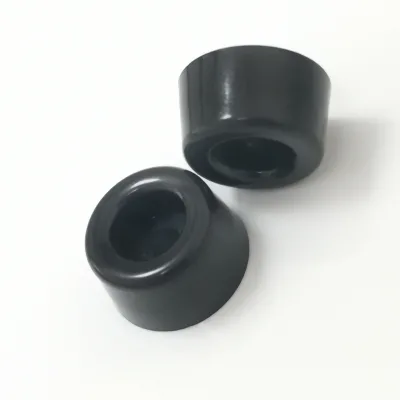




Fix It Big Rubber Cone Support Non Slip Rubber Foot for Air Conditioner with Spirit Level
$8.60 - $21.70
MOQ: 500 Pieces


Comprehensive Sourcing Guide
Non-Slip Cone Machine Feet Sourcing Guide
Sourcing non-slip cone machine feet requires a disciplined approach that balances functional performance with commercial viability. These components serve as critical interfaces between heavy machinery, furniture, and the floor, providing stability, vibration dampening, and protection for both the equipment and the underlying surface. Buyers must recognize that while the core function is simple, the material science and manufacturing precision involved can vary significantly across suppliers. The decision to source these parts often hinges on the ability to customize dimensions, hardness, and material compounds to meet specific load-bearing and environmental requirements.
The procurement landscape for these items is characterized by a high degree of customization and a wide range of price points. Listings indicate that products are available from as low as $0.01 to over $350,000, reflecting the disparity between simple rubber bumpers and complex, engineered industrial solutions. This variance underscores the importance of defining precise technical requirements before engaging with suppliers. Buyers should not assume that all listed items are interchangeable; rather, they must treat each listing as a distinct offering with unique attributes regarding material composition, certification status, and production capabilities.
Product Scope and Observed Listing Signals
The observed market signals reveal a diverse product ecosystem centered around rubber-based components. Key product names identified in listings include "OEM Rubber Feet," "Sanitary Gasket," and generic "Rubber Cone" descriptions. These terms suggest that the supply base caters to multiple industries, including agricultural, industrial, medical, vehicle, electronic, and household applications. The presence of terms like "Valve" and "Dust Seal" in attribute lists indicates that some suppliers may offer specialized sealing solutions alongside standard anti-slip feet, requiring buyers to carefully filter results to find components specifically designed for load-bearing and stability purposes.
Material composition is a primary differentiator among the observed listings. The most frequently cited material is NBR (Nitrile Butadiene Rubber), known for its oil and fuel resistance, which is crucial for industrial environments. Other listings mention generic "Rubber" or compounds that meet ASTM D2000 standards, with compliance to RoHS and REACH regulations. This variation implies that buyers must verify the specific polymer blend to ensure compatibility with their operating environment. For instance, an electronic assembly might require non-marking, low-outgassing rubber, while an agricultural machine might need high-wear resistance and chemical durability.
Technical Specifications to Verify
Hardness and size customization are the most critical technical parameters to verify when sourcing non-slip cone machine feet. Listings indicate that hardness can range from 20 to 90 Shore A, allowing for a wide spectrum of flexibility and load support. Buyers must select the appropriate durometer based on the weight of the equipment and the desired level of vibration isolation. Additionally, size customization is widely available, with some listings specifying ranges from 10mm to 50mm, while others offer fully custom dimensions. It is essential to confirm whether the supplier can produce exact tolerances, as even minor deviations in diameter or height can affect the stability and leveling of large machinery.
Surface finish and structural integrity are also key verification points. One listing highlights an advantage of "Smooth Surface with Small Parting Line," which is desirable for aesthetic applications and to prevent dirt accumulation in sanitary environments. However, buyers should request physical samples to assess the quality of the molding process. The presence of parting lines can indicate lower mold precision, which might affect the seating stability of the foot. Furthermore, the "Processing Service" is listed as "Moulding," confirming that these are injection or compression molded parts. Buyers should inquire about the mold life and maintenance practices to ensure consistent quality across large production runs.
Compliance and Safety Documentation
Certification status is a vital component of the procurement process, particularly for industrial and medical applications. The observed listings include ISO and ISO9001 certifications, which indicate that the supplier has established quality management systems. However, buyers should verify the scope of these certifications to ensure they cover the specific manufacturing processes for rubber components. ISO9001 is a baseline requirement for many B2B transactions, but it does not guarantee material performance. Buyers should request copies of the certificates and check their validity dates to ensure the supplier maintains current compliance standards.
Material safety and environmental compliance are equally important, especially for products used in food processing, medical devices, or consumer goods. Listings mention that compounds can be RoHS and REACH compliant, which is essential for restricting hazardous substances in electrical and electronic equipment. Buyers must explicitly request material test reports (MTRs) or certificates of analysis (CoA) to verify that the rubber compound meets these regulatory requirements. Additionally, for applications requiring fire resistance or specific flammability ratings, buyers should ask if the supplier offers materials that meet relevant industry standards, as this information is not universally provided in standard listings.
Cost Drivers and Commercial Terms
The cost of non-slip cone machine feet is influenced by several factors, including material type, customization level, and order volume. The observed MOQ (Minimum Order Quantity) ranges from 1 to 1000 pieces, indicating that suppliers are flexible in accommodating both prototype and mass production orders. However, lower MOQs often come with higher unit prices due to setup costs for molding and tooling. Buyers should negotiate pricing based on their expected annual volume, as economies of scale can significantly reduce the per-unit cost for high-volume orders. It is also important to clarify whether the quoted price includes tooling fees, especially for custom designs.
Lead times and payment terms are critical commercial considerations that impact supply chain reliability. Listings indicate lead times of 8 days for samples and 12 to 18 days for mass production, with some suppliers offering delivery within 5 to 10 days. These timelines can vary based on the complexity of the design and the current production schedule. Buyers should confirm these lead times in writing and include penalties for delays in their contracts if timely delivery is critical. Payment methods such as TT (Telegraphic Transfer) and PayPal are commonly accepted, but buyers should establish clear payment milestones, such as a deposit upon order confirmation and the balance upon shipment, to mitigate financial risk.
Supplier Qualification and Quality Control
Supplier qualification should begin with a thorough review of their manufacturing capabilities and quality control processes. Buyers should verify that the supplier has the necessary molding equipment and expertise to produce consistent rubber components. Inquiring about their in-house testing capabilities, such as hardness testing and dimensional inspection, can provide insight into their commitment to quality. Additionally, buyers should assess the supplier's ability to handle custom orders, as indicated by the "Customization: Available" attribute. A qualified supplier should be able to provide technical support during the design phase to optimize the foot for specific applications.
Quality control measures should be explicitly defined in the purchase agreement. Buyers should request a quality assurance plan that outlines inspection criteria, sampling methods, and acceptance standards. For critical applications, third-party inspection services may be necessary to verify that the delivered goods meet the specified requirements. Buyers should also establish a process for handling non-conforming products, including return policies and replacement procedures. Regular audits of the supplier's facility can help ensure that quality standards are maintained over time and that any changes in materials or processes are communicated and approved in advance.
Long-Term Procurement Checks
Long-term procurement success depends on establishing a robust supplier relationship and implementing continuous improvement strategies. Buyers should conduct periodic performance reviews to assess the supplier's reliability, quality consistency, and responsiveness to issues. Tracking metrics such as on-time delivery rates, defect rates, and response times to inquiries can provide valuable data for evaluating supplier performance. Additionally, buyers should maintain open communication channels to discuss potential design improvements or material upgrades that could enhance product performance or reduce costs.
Supply chain resilience is another key consideration for long-term procurement. Buyers should diversify their supplier base to mitigate the risk of disruptions caused by geopolitical events, natural disasters, or production capacity constraints. Maintaining a list of qualified alternative suppliers can provide flexibility in sourcing and negotiation. Furthermore, buyers should stay informed about industry trends and regulatory changes that may impact the procurement of rubber components. By proactively adapting to these changes, buyers can ensure that their supply chain remains competitive and compliant over time.
FAQs
Can I customize the size and color of the rubber feet?
Yes, you can customize the size and color to meet your specific requirements. The product offers customizable sizes ranging from 10mm to 50mm and allows for color selection as per your request, ensuring a perfect fit for your machinery or furniture.
What is the lead time for sample and mass production orders?
Samples are available within 8 days, while mass production typically takes 12 to 18 days. This timeline ensures you receive high-quality prototypes quickly and allows for efficient scaling of your order without unnecessary delays in your supply chain.
Which certifications do these rubber feet manufacturers hold?
The manufacturers hold ISO and ISO9001 certifications for their production processes. These standards ensure that the rubber feet meet international quality management requirements, providing assurance of consistent quality and reliability for your industrial or household applications.
What is the minimum order quantity for purchasing these feet?
The minimum order quantity is 100 pieces for most standard orders. This MOQ allows small to medium businesses to source quality rubber feet without committing to excessive inventory, while still benefiting from competitive pricing and efficient production scheduling.
How are the rubber feet packaged for shipping?
The products are packaged in PE bags and cartons to ensure safe transport. This packaging method protects the rubber feet from damage during transit, whether they are shipped by sea, air, truck, or car to your destination in China or elsewhere.
What material is used to make these non-slip cone machine feet?
These feet are made from NBR rubber compound that meets ASTM D2000 standards. This material provides excellent wear resistance and oil resistance, making it suitable for various applications including industrial, medical, and vehicle environments where durability is essential.