Source non-slip machine washable area rug for Home Office Hotel
Compare 30 listings of non-slip machine washable area rug options featuring stain resistance and custom sizes. Buyers can evaluate materials like polyester and fleece, backing types, and delivery times from Hebei, China suppliers.
Key considerations
Products List
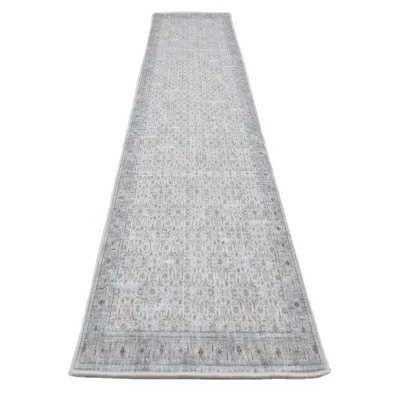

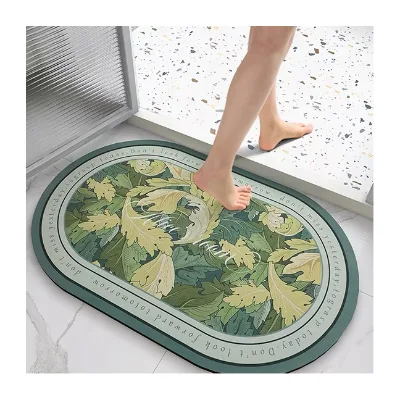


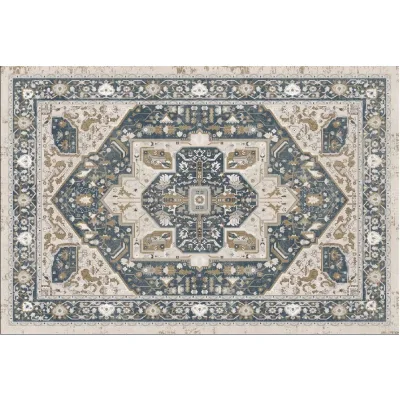


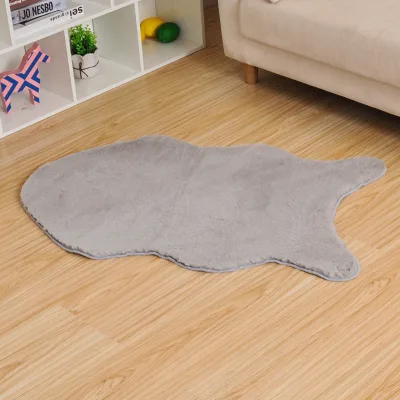


Rugs Ultra Absorbent Non-Slip Memory Foam Machine Washable Soft Velvet Bathroom Mats
$0.63 - $0.70
MOQ: 1450 Sets


Comprehensive Sourcing Guide
Non-Slip Machine Washable Area Rug Sourcing Guide
Sourcing non-slip machine washable area rugs requires a careful balance between functional performance, aesthetic versatility, and commercial viability. These products serve as critical floor coverings in high-traffic residential and commercial environments, offering both decorative appeal and practical utility. Buyers must navigate a market where product attributes such as washability, stain resistance, and anti-slip backing are not merely marketing terms but essential performance indicators. The following guide provides evidence-based procurement strategies to help buyers evaluate suppliers, verify technical specifications, and mitigate supply chain risks associated with this category.
The core keyword "non-slip machine washable area rug" encompasses a diverse range of products, from kitchen mats to hallway runners and bedroom area rugs. Observed listing signals indicate that these items are frequently marketed with features such as being reversible, pet-friendly, and easy to vacuum. Understanding these observed signals is the first step in defining procurement requirements. Buyers should recognize that while many suppliers claim these features, the actual performance depends heavily on material composition, backing technology, and manufacturing techniques. This guide focuses on verifying these claims through structured technical and commercial due diligence.
Product Scope and Observed Listing Signals
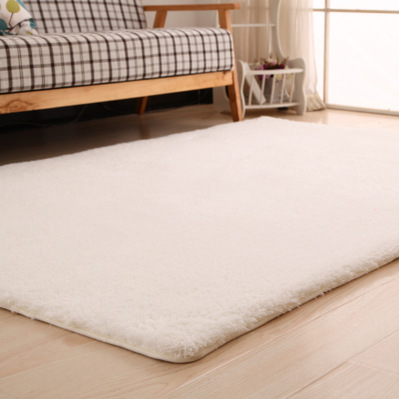
The product scope for non-slip machine washable area rugs is broad, covering applications in dining rooms, offices, hotels, kitchens, bedrooms, and hallways. Observed listings highlight that these rugs are often designed for versatility, with some models suitable for prayer, outdoor use, or commercial decoration. The surface materials vary, with polyester fleece and microfiber being common choices, offering different textures and absorbency levels. Buyers should note that while the core function remains consistent, the specific application dictates the required GSM (grams per square meter), which typically ranges from 1000 to 1950g/sqm, influencing durability and comfort.
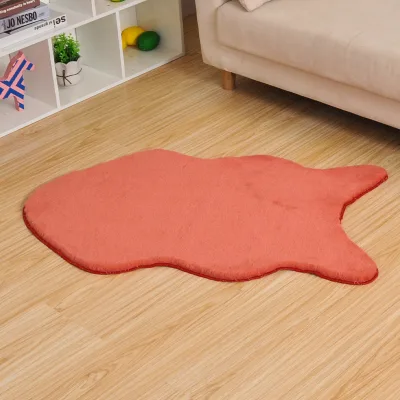
Listing signals also reveal significant variation in customization options and branding. Many suppliers offer custom shapes, sizes, and patterns, including novelty and modern styles, to meet specific interior design needs. Brand names such as Jason, Fancy Day, and Chenxing Carpet appear in the market, indicating a mix of established and emerging manufacturers. Buyers should observe that some listings accept small orders, while others have higher MOQs, such as 200 square meters. This variability requires buyers to align their order volume with supplier capabilities, ensuring that the chosen partner can meet both quantity and customization demands without compromising quality.
Technical Specifications to Verify
Technical verification begins with material composition and construction methods. The surface material is often 100% polyester or microfiber, which contributes to the rug’s washability and stain resistance. Buyers must verify the pile height, which is typically flat for these types of rugs, ensuring they are suitable for high-traffic areas where tripping hazards must be minimized. The backing is a critical component for the "non-slip" claim, with options including felt, TPR (Thermoplastic Rubber), or grey carpet backing. Each backing type offers different levels of grip and durability, and buyers should request samples to test the adhesion and stability of the backing on various floor surfaces.
Thickness and GSM are key indicators of product quality and longevity. Observed specifications suggest a thickness of around 6mm, which provides cushioning without excessive bulk. The GSM range of 1000-1950g/sqm indicates a dense, durable product capable of withstanding regular use and washing. Buyers should verify that the stated GSM matches the actual product weight, as discrepancies can indicate lower material density or inconsistent manufacturing. Additionally, the manufacturing technique, whether machine-made or tufted, affects the rug’s structural integrity and pattern precision. Confirming these technical details ensures that the product meets the expected performance standards for its intended use.
Compliance and Safety Documentation
Compliance and safety are paramount when sourcing floor coverings, particularly for commercial and residential applications. While specific certification statuses may vary by supplier, buyers should prioritize products that adhere to recognized safety standards. The OEKO-TEX standard is a trusted benchmark for textile safety, ensuring that the materials are free from harmful substances. Buyers should request documentation or test reports confirming compliance with relevant safety regulations, especially if the rugs are intended for use in environments with children or pets. This due diligence helps mitigate liability risks and ensures that the products are safe for prolonged contact.
In addition to material safety, buyers should verify the product’s performance claims through independent testing or supplier-provided data. Features such as stain resistance, antimicrobial properties, and water absorbency should be supported by test results or detailed technical sheets. For instance, rugs marketed as "dry wet feet" or "grab dirt" should demonstrate effective soil retention and easy cleaning capabilities. Buyers should also check for any regional compliance requirements, such as fire retardancy standards for commercial use, to ensure that the products meet local regulatory obligations. This comprehensive approach to compliance ensures that the sourced rugs are both safe and legally compliant.
Cost Drivers and Commercial Terms
Cost drivers for non-slip machine washable area rugs include material costs, manufacturing complexity, and customization requirements. The use of high-GSM polyester or microfiber, along with specialized backings like TPR, can increase production costs. Customization options, such as unique shapes, sizes, and patterns, also add to the expense, as they require additional setup and processing time. Buyers should analyze the price range, which typically spans from $0.63 to $50 per unit, depending on the product specifications and order volume. Understanding these cost drivers helps buyers negotiate better terms and select products that offer the best value for their specific needs.
Commercial terms, including MOQ, lead time, and payment conditions, significantly impact the procurement process. Observed MOQs range from 1 to 5000 units, with some suppliers accepting small orders to accommodate diverse buyer needs. Lead times are typically around 20-25 days after order confirmation, which buyers must factor into their inventory planning. Sample policies also vary, with some suppliers offering free samples while requiring the client to pay for courier costs. Buyers should clarify these terms early in the sourcing process to avoid unexpected delays or costs, ensuring a smooth transaction from order placement to delivery.
Supplier Qualification and Quality Control
Supplier qualification is a critical step in ensuring the reliability and consistency of non-slip machine washable area rugs. Buyers should assess suppliers based on their manufacturing capabilities, quality control processes, and track record. Suppliers located in regions like Hebei, China, often have established expertise in textile manufacturing, but buyers should verify their production capacity and quality assurance measures. Requesting references or case studies from previous clients can provide insights into the supplier’s reliability and ability to meet deadlines. This due diligence helps identify partners who can consistently deliver high-quality products.
Quality control measures should be integrated into the procurement process to minimize defects and ensure product consistency. Buyers should implement pre-shipment inspections to verify that the rugs meet the agreed-upon specifications, including material composition, dimensions, and performance features. Establishing clear quality standards and communication channels with the supplier is essential for addressing any issues promptly. Additionally, buyers should consider implementing a sample approval process, where final production runs are compared against approved samples to ensure consistency. This proactive approach to quality control helps maintain product integrity and customer satisfaction.
Long-Term Procurement Checks
Long-term procurement success depends on continuous monitoring and evaluation of supplier performance and product quality. Buyers should establish key performance indicators (KPIs) to track metrics such as on-time delivery, defect rates, and customer feedback. Regular reviews of these metrics help identify trends and areas for improvement, allowing buyers to address issues before they escalate. Building a strong relationship with suppliers through open communication and collaborative problem-solving can also enhance long-term partnership stability. This ongoing engagement ensures that both parties remain aligned on quality and service expectations.
As market trends and consumer preferences evolve, buyers must remain adaptable and responsive to changes in product demand. This may involve exploring new materials, designs, or customization options to stay competitive. Buyers should also stay informed about regulatory changes and industry standards that may impact product compliance. By maintaining a flexible and informed procurement strategy, buyers can ensure that their non-slip machine washable area rugs continue to meet the needs of their customers while maintaining high standards of quality and safety. This forward-looking approach supports sustainable growth and long-term success in the sourcing process.
FAQs
How can I customize the size of the rug?
You can request any custom shape and size for the rug. The product specifications allow for client-defined dimensions, and the manufacturer accepts small orders to accommodate specific requirements for your space.
What is the minimum order quantity for this rug?
The minimum order quantity varies by supplier, with observed ranges from 1 to 5000 units. Some vendors require a minimum of 200 square meters, while others accept single item orders for testing purposes.
Can I get a free sample before placing an order?
Free samples are available, but the client must pay for the courier cost. This allows you to verify the quality of the polyester material and the non-slip backing before committing to a larger purchase.
How long does it take to receive the order?
The delivery time is typically 20 to 25 days after the order is confirmed. This lead time applies to the production and shipping process from the origin in Hebei, China to your destination.
What materials are used to make the rug surface?
The surface material consists of various kinds of fleece fabric, primarily 100% polyester. Some listings also specify microfiber as a surface material option for enhanced water absorption and softness.
Which features make this rug suitable for pet owners?
The rug is explicitly designed to be pet friendly with stain resistant and washable properties. It also features a non-slip backing and is easy to vacuum, making it practical for homes with animals.
What is the thickness and weight of the rug?
The rug has a thickness of 6mm and a GSM ranging from 1000 to 1950 grams per square meter. The single gross weight is approximately 5.000 kg per package, ensuring a substantial feel.