Source Non-Slip Reversible Hand Tufted Rug for Home Hotel Decoration
Find and compare 30 listings for Non-Slip Reversible Hand Tufted Rug suitable for home, hotel, and commercial spaces. Buyers can review customization options, pile heights, and cleaning methods to select the ideal floor covering.
Key considerations
Products List

Eclectic Hand Tufted Green Leaf Rug Non Slip Carpet Custom Palm Tree Plant Area Rug
$29.00 - $59.00
MOQ: 10 Pieces

$12.50 - $14.00
MOQ: 5 Square Meters


Handmade Carpet Rug Mat 3D Tufting Floor Custom Logo Home Area Rugs
$10.00 - $39.00
MOQ: 5 Square Meters


Hand Tufted Carved New Zealand Hand Tufted Belgium Carpets and Rug
$60.00 - $80.00
MOQ: 1 Square Meters


Hand Tufted Carpet and Rugs with 100% Wool Reversible Washable Hand Knotted Carpet Living Room
$25.00 - $54.00
MOQ: 20 Square Meters

Hand Tufted Carpet and Rugs with 100% Wool Good Quality Reversible Washable Hand Tufted Carpet Room
$25.00 - $54.00
MOQ: 20 Square Meters


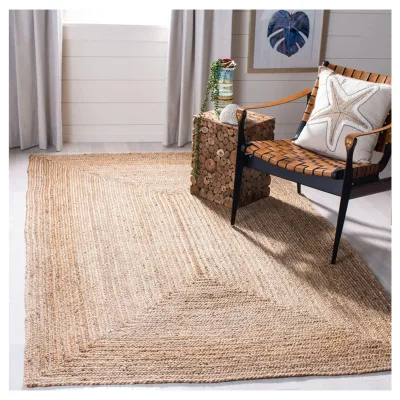

Modern Design Hand Tufted Plush Rug, Factory Wholesale Carpets, Custom Carpets, Washable Rug
$3.17 - $20.00
MOQ: 1 Square Meters

Premium Thick Plush Fire Resistant Custom Project Hand Tufted Rug
$32.40 - $67.30
MOQ: 1 Square Meters


High Quality Wool Custom Fashionable Interior Decorative Handmade Handtufted Rug
$32.40 - $67.30
MOQ: 1 Square Meters
Comprehensive Sourcing Guide
Strategic Sourcing Guide for Non-Slip Reversible Hand Tufted Rugs
The global market for floor coverings has seen a significant shift toward versatile, high-performance textiles that blend aesthetic customization with functional durability. For procurement professionals seeking a non-slip reversible hand tufted rug, the sourcing landscape requires a nuanced understanding of manufacturing techniques, material science, and supply chain logistics. Unlike mass-produced woven carpets, hand-tufted rugs offer a unique texture and depth that appeals to commercial and residential sectors alike. This guide synthesizes available product attributes and industry standards to provide a disciplined framework for evaluating suppliers and specifications.
Understanding the Hand Tufted Construction and Technical Specifications
The core of the product in question lies in its construction method. Hand tufting involves pushing strands of yarn through a primary backing fabric using a specialized gun, a process that allows for intricate designs and varying pile heights. The observed technical data indicates a specific range of pile heights between 9mm and 12mm, with a corresponding thickness specification of 12mm for certain models. This density is critical for providing the cushioning effect desired in high-traffic areas while maintaining the structural integrity required for a non-slip application.
The pile weight, observed in the range of 4.5 to 8.5 lbs per square meter, serves as a primary indicator of durability. Heavier piles generally correlate with longer lifespan and better sound absorption, making them suitable for hotels and commercial spaces. The construction types identified include Cut Pile, Loop Pile, Multi-Level Loop, and Cut-Loop variations. For a reversible rug, the construction must be robust enough to withstand flipping without compromising the backing or the tufting tension. The backing material is frequently noted as Cotton, which provides a natural, breathable base that enhances the rug's ability to grip flooring surfaces, a prerequisite for the "non-slip" attribute.
Furthermore, the surface materials vary widely, including Acrylic, Wool, Bamboo Silk, and Viscose. Each material offers distinct benefits; wool provides natural flame resistance and soil repellency, while acrylic offers vibrant color retention and cost-effectiveness. The "reversible" aspect often implies a design that is symmetrical or features a complementary pattern on the reverse side, though buyers must verify if the reverse side maintains the same pile height and backing quality as the front.
Material Composition and Performance Characteristics
Selecting the right material is paramount for meeting specific usage requirements. The product attributes highlight a diverse range of applications, including Outdoor, Hotel, Home, Decoration, Commercial, Bath, and Exercise areas. This versatility suggests that the sourcing strategy must account for environmental factors. For instance, rugs intended for Outdoor or Bath usage require materials that resist moisture and mold, whereas Home and Hotel applications prioritize softness and aesthetic appeal.
The "Non-Slip" feature is a critical performance characteristic. While the backing is listed as Cotton, the efficacy of the non-slip property often depends on the interaction between the rug backing and the floor surface. Buyers should verify if the rug includes an additional latex or rubber coating to enhance grip, especially for Floor Carpet installations on smooth surfaces like tile or hardwood. The observed attributes also mention Eco-Friendly characteristics, which aligns with modern sustainability mandates in commercial procurement.
Cleaning and maintenance requirements vary by material. Some products are listed as Hand Wash only, while others are Machine Washable and Stain Resistant. This distinction is vital for operational planning. A Hotel or Commercial environment typically demands Machine Washable and Stain Resistant properties to reduce labor costs and downtime. Conversely, a Custom Design rug for a residential Living Room might prioritize the tactile quality of Hand Wash materials. The Pile Weight and Technics (Hand Made vs. Printed) also influence cleaning; hand-tufted rugs with high pile density may require professional cleaning, whereas printed or lower-density options might be more forgiving.
Customization Capabilities and Design Flexibility
One of the most compelling advantages of sourcing hand-tufted rugs is the high degree of customization available. The data confirms that Customization is available, with options for Custom Any Color and Custom Any Size. This flexibility allows buyers to tailor products to specific interior design schemes or branding requirements. The Design attribute is explicitly listed as Custom Design, enabling the creation of unique patterns, logos, or abstract motifs that are not available in off-the-shelf inventory.
The Shape of the rug is another area of significant flexibility. While standard Area Rugs Carpets are common, the market also offers specialized shapes such as Plant Rug, Green Grass Rug, and Plant Mat. This is particularly relevant for decorative applications in Commercial spaces or themed environments. The Pattern options range from Carpet for Living Room styles to Floral Pattern and Abstract Door Mat designs. The Image attributes suggest that suppliers can produce Artificial Plant Carpet or Custom Door Mat variations, further expanding the design possibilities.
For buyers requiring specific dimensions, the Size specification is listed as Custom Any Size, and the Standard is noted as Customized Any Size. This eliminates the constraints of standard rug sizes (e.g., 5x7 feet or 8x10 feet), allowing for precise fitting in irregularly shaped rooms or large commercial lobbies. The Product Form is consistently identified as Rugs or Carpet, confirming that the final output is a finished textile product ready for installation.
Cost Drivers and Procurement Economics
Understanding the cost structure of hand-tufted rugs is essential for budgeting and negotiation. The observed Price Range in USD is 2 to 300, a wide spectrum that reflects the variability in materials, size, and customization levels. A rug at the lower end of this range likely utilizes synthetic materials like acrylic or polyester with a lower pile weight and standard dimensions. Conversely, a rug at the higher end may feature natural wool, complex multi-level loop constructions, and custom sizing.
The MOQ (Minimum Order Quantity) is a significant factor in procurement strategy. The data indicates an MOQ range of 1 to 100, with a specific observation of 5PCS. This low entry point is advantageous for small businesses, interior designers, or buyers testing a new product line. However, for large-scale commercial projects, buyers should negotiate volume discounts that may not be immediately visible in the base price. The Delivery Time is listed as 15-25 days, which is a standard lead time for custom manufacturing. Buyers must factor this into their project timelines, especially for time-sensitive installations.
Packaging is another cost and logistics consideration. The Packing method is described as Packed in Rolls with Waterproof PP Woven Bag. This ensures protection during transit but may require additional handling equipment for unrolling and installation. The Location of production is noted as Henan, a region known for its textile manufacturing capabilities. Sourcing from this location may offer competitive pricing due to established supply chains, but buyers should also consider shipping costs and lead times based on their specific destination.
Supplier Evaluation and Quality Assurance Protocols
When evaluating potential suppliers for non-slip reversible hand-tufted rugs, buyers must look beyond the basic product specifications. The Origin is identified as Henan, but this is a broad geographic indicator. Buyers should verify the specific factory's capacity to handle Hand Made production, as the "Hand Tufted" attribute implies a level of craftsmanship that varies significantly between manufacturers. The Technics listed include both Hand Made and Printed, so it is crucial to confirm that the specific order will be hand-tufted and not merely printed on a woven base.
Quality control should focus on the consistency of the Pile Height (9mm-12mm) and the integrity of the Backing (Cotton). A common failure point in hand-tufted rugs is the separation of the pile from the backing, which can be mitigated by using high-quality latex adhesives. Buyers should request samples to test the Non-Slip feature on their specific flooring types. Additionally, the Eco-Friendly claim requires verification through third-party testing or certification, as this term is often used loosely in the industry.
The Feature list includes Anti-Slip and Eco-Friendly, but these should be treated as observations rather than guaranteed claims for every listed product. Buyers must request test reports or specific documentation to validate these attributes. For Commercial and Hotel applications, fire safety standards and slip resistance ratings (such as DIN 51130 or ASTM C1028) are often mandatory. While specific standard numbers are not provided in the source data, buyers should explicitly ask suppliers to confirm compliance with local building codes and industry safety standards.
Long-Term Procurement and Application Strategy
The long-term viability of a rug procurement strategy depends on the match between the product's characteristics and its intended application. The Usage attributes span Home, Hotel, Exercise, Decoration, Commercial, Bath, and Prayer. Each of these environments imposes different demands on the rug. For Exercise areas, the rug must provide shock absorption and stability, making the Anti-Slip and Thickness (12mm) critical. In Bath areas, moisture resistance and quick-drying capabilities are essential, which may require specific material choices like synthetic blends over natural wool.
The Style is identified as Modern, which aligns with current interior design trends. However, the Custom Design capability allows for adaptation to other styles, from traditional to contemporary. The Pattern options, such as Floral or Abstract, offer further customization. Buyers should consider the longevity of the design; while custom patterns are unique, they may limit the rug's resale value or versatility if the client's tastes change.
Maintenance is a key long-term consideration. The Cleaning & Maintenance attributes include Hand Wash, Machine Washable, and Stain Resistant. For high-traffic commercial areas, Machine Washable and Stain Resistant properties are highly desirable to reduce operational costs. Buyers should ensure that the chosen rug's cleaning requirements align with their facility's maintenance protocols. The Product Name variations, such as Floor Mat Carpet or Floral Pattern Rug Home Decor Rug, indicate that the same base product can be marketed differently depending on the application, reinforcing the need for clear communication with the supplier regarding the intended use.
Final Procurement Considerations and Verification Steps
In conclusion, sourcing a non-slip reversible hand tufted rug requires a meticulous approach that balances technical specifications, customization needs, and cost efficiency. The observed data provides a solid foundation for understanding the product's capabilities, ranging from 9mm to 12mm pile heights to Custom Any Size options. However, buyers must remain vigilant in verifying claims regarding Eco-Friendly status, Non-Slip performance, and Hand Made construction.
The MOQ of 5PCS offers flexibility for small orders, while the 15-25 days lead time necessitates early planning. The Henan origin suggests a robust manufacturing base, but specific factory audits are recommended to ensure quality consistency. By focusing on the Construction details, Material selection, and Usage requirements, buyers can secure rugs that meet both aesthetic and functional demands. Ultimately, the success of the procurement lies in the alignment of the product's observed attributes with the specific needs of the end-user, ensuring a durable, safe, and visually appealing floor covering solution.
FAQs
How is the pile height specified for these rugs?
The pile height ranges from 9mm to 12mm depending on the specific model selected. This variation allows buyers to choose between a denser, plush feel or a lower profile suitable for high-traffic commercial areas while maintaining the tufted construction integrity.
What customization options are available for colors and sizes?
Buyers can request custom any color and custom any size for these rugs. This flexibility supports unique interior design schemes, allowing for specific dimensions and color palettes to match exact project requirements without being limited to standard inventory sizes.
Can these rugs be used in outdoor and bath environments?
Yes, the product usage includes outdoor, hotel, home, and bath applications. However, specific material choices like acrylic or bamboo silk are recommended for moisture-prone areas to ensure durability and resistance against mold compared to natural wool options.
What is the minimum order quantity for purchasing these rugs?
The minimum order quantity is typically 5 pieces, though it can range from 1 to 100 units. This low entry point facilitates testing for small businesses or interior designers before committing to larger commercial orders for hotels or office spaces.
How long does delivery take for custom orders?
The standard delivery time is between 15 to 25 days for custom manufacturing. Buyers should account for this lead time in their project schedules, especially when sourcing from the Henan production region for large-scale commercial installations.
Which cleaning methods are suitable for these carpets?
Cleaning requirements vary as some models are hand wash only while others are machine washable and stain resistant. Buyers must verify the specific material composition to determine if professional cleaning is needed or if routine machine washing is sufficient for maintenance.