Source Non-Stick PTFE BBQ Grill Mat for Grilling, Baking, and Roasting
Compare 30 listings of non-stick PTFE BBQ grill mat options featuring fiberglass yarn, PTFE coating, and customizable sizes. Buyers can evaluate thickness, weight, and temperature resistance from suppliers in Zhejiang, China.
Key considerations
Products List


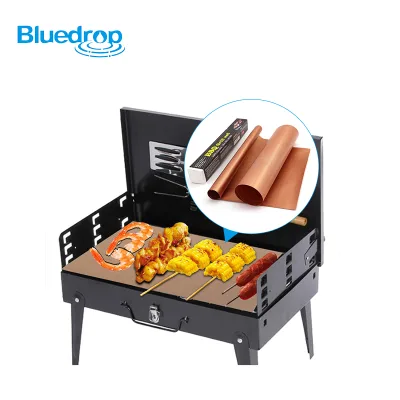
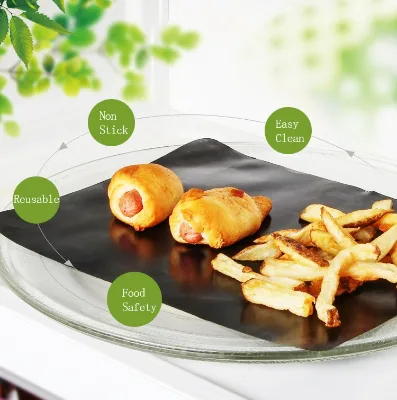

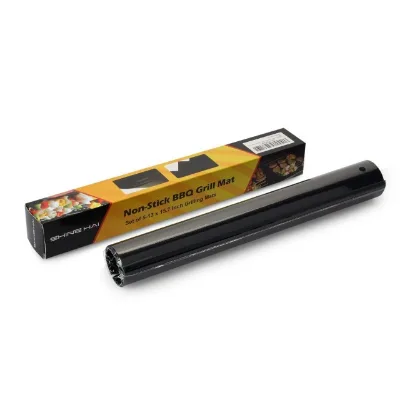
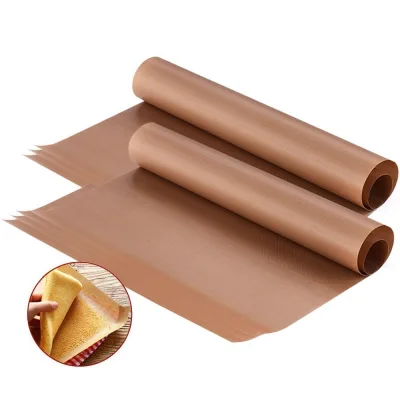
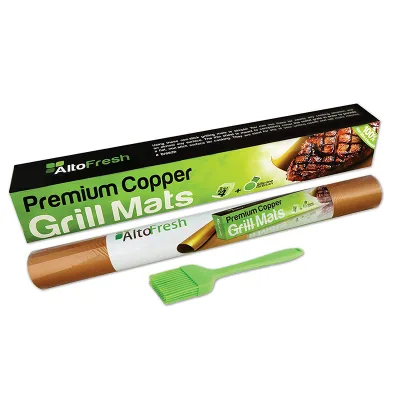
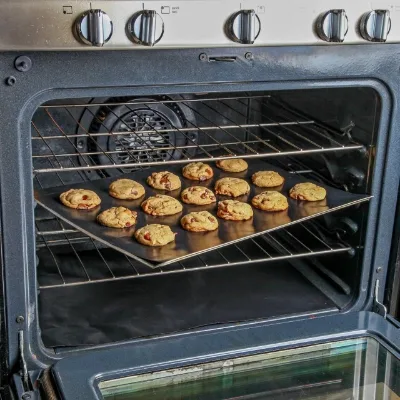
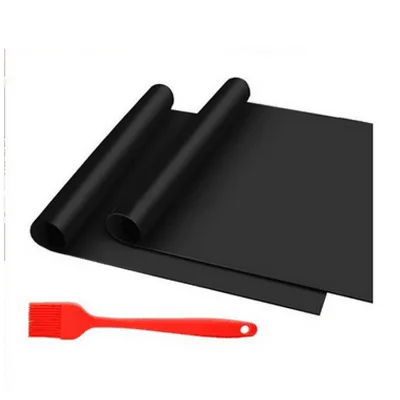
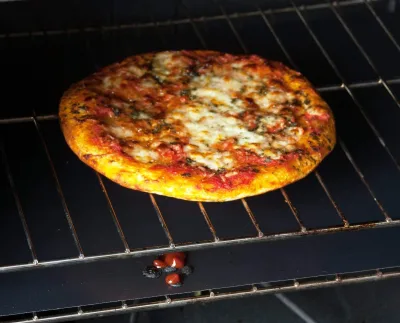


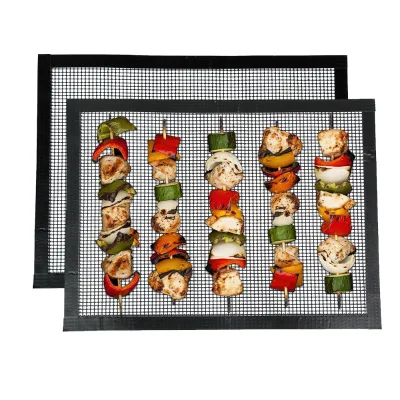
Non-Stick High Temperature PTFE Fiberglass BBQ Grill Cooking Baking Mesh Mat
$0.85 - $1.80
MOQ: 1000 Pieces



Comprehensive Sourcing Guide
Strategic Sourcing Guide for Non-Stick PTFE BBQ Grill Mats
Understanding Product Composition and Technical Specifications
When sourcing non-stick PTFE BBQ grill mats, the primary objective is to identify a product that balances thermal stability with mechanical durability. The core material for these mats is consistently identified as fiberglass yarn, specifically utilizing E-Glass fibers which are known for their high tensile strength and thermal resistance. The manufacturing process involves a plain weave structure, which provides a uniform surface area essential for even heat distribution during cooking. This woven fiberglass base is then subjected to a specific surface treatment: PTFE (Polytetrafluoroethylene) coating. This coating is the critical component that delivers the non-stick properties, allowing for easy food release and simplified cleaning without the need for excessive oils.
The physical specifications of these mats vary significantly based on the intended application and the specific model produced. Buyers must scrutinize the thickness and weight parameters, as these directly influence the mat's longevity and heat retention capabilities. Available data indicates a range of thicknesses, with some models specified at 0.2mm, 0.3mm, or 0.4mm, while others may have a thickness of 7.5mm or even 23mm depending on the specific product line. The total weight is another vital metric, with observed values ranging from 165gsm to 450gsm. A higher GSM (grams per square meter) generally suggests a denser fabric that may offer better durability and heat insulation, though it may also be less flexible.
Temperature resistance is a non-negotiable specification for any grilling accessory. The PTFE-coated fiberglass mats are engineered to withstand extreme thermal conditions, with a documented operating range extending from -70 to 260 degrees Celsius. This wide range ensures that the material remains stable whether it is being used for cold storage preparation or high-heat searing on a grill. The color of the finished product is another observable attribute, with common options including black, copper, silver, and brown. The color choice often relates to the specific dye or coating formulation used but does not inherently alter the functional performance of the non-stick surface.
Compliance, Certification, and Safety Standards
In the B2B procurement of food-contact materials, verifying compliance with international safety standards is paramount. The supply chain for these mats often originates from manufacturing hubs in Zhejiang, China, where producers must adhere to specific regulatory frameworks to access global markets. Buyers should prioritize suppliers who can provide documentation for ISO certification, which indicates adherence to quality management systems. Furthermore, RoHS (Restriction of Hazardous Substances) certification is frequently cited, ensuring that the materials used in the fiberglass yarn and PTFE coating do not contain restricted hazardous substances that could leach into food during high-temperature cooking.
While some background information may reference certifications like BSCI or CE, these should be treated with caution unless explicitly verified for the specific product batch. The core certifications to demand are ISO and RoHS, as they directly relate to the material safety and quality control processes. The product standard itself often includes specific physical benchmarks, such as a tensile strength of 550N/5cm for certain models, which serves as a proxy for the material's ability to resist tearing under stress. Buyers must verify that the "Alkali Free" status of the fiberglass yarn is confirmed, as this prevents chemical degradation that could compromise the non-stick coating over time.
It is crucial to distinguish between the product's inherent properties and the certifications held by the supplier. A product may be described as "Eco-Friendly" or "Flame Retardant," but these are attributes that require validation through third-party testing reports. The sourcing guide emphasizes that buyers should request current test reports that specifically address food safety migration limits and thermal stability under the conditions of use. Relying solely on marketing claims without documentary evidence of compliance can lead to significant liability risks, particularly in markets with strict food safety regulations.
Cost Drivers and Pricing Dynamics
The pricing structure for non-stick PTFE BBQ grill mats is influenced by a complex interplay of material costs, manufacturing complexity, and order volume. The base cost is driven by the price of high-quality E-Glass yarn and the PTFE resin used for coating. Variations in the weave density and the thickness of the coating directly impact the raw material consumption per unit. For instance, a mat with a thickness of 23mm and a weight of 450gsm will inherently cost more to produce than a thinner, lighter variant due to the increased material usage.
Order volume plays a decisive role in the final unit price. The Minimum Order Quantity (MOQ) for these products typically ranges from 1 to 2,000 pieces, with a common threshold observed at 100 pieces for certain models. Suppliers often employ a tiered pricing strategy where the unit cost decreases as the order quantity increases. Buyers should be aware that the observed price range in the market spans from approximately $0.09 to $5.00 per unit, a wide variance that reflects differences in specifications, branding, and order sizes. A lower price point may indicate a thinner product or a standard model with less customization, while the higher end of the range likely corresponds to heavy-duty, custom-sized, or branded products.
Customization is another significant cost driver. While standard sizes such as 33x40cm or 40x50cm are readily available, requests for custom dimensions or specific branding (such as private labeling) will incur additional tooling and setup fees. The packaging method, typically cartons, also adds to the cost, especially if specialized packaging is required to prevent damage during transit. Buyers must balance the desire for customization with the budget constraints, understanding that bespoke solutions will command a premium over off-the-shelf inventory.
Typical Applications and Functional Versatility
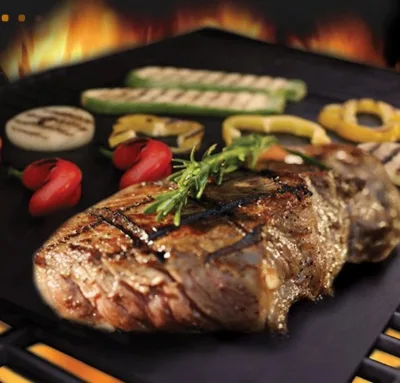
The primary application of non-stick PTFE BBQ grill mats is, as the name suggests, grilling. These mats serve as a protective barrier between the food and the grill grates, preventing small food items like vegetables or fish from falling through and eliminating the need for direct contact with metal surfaces. This application is particularly valuable for reducing flare-ups and ensuring that delicate foods cook evenly without sticking. The high-temperature resistance of the material makes it suitable for use on gas, charcoal, and electric grills, as well as in conventional ovens.
Beyond outdoor grilling, these mats are increasingly utilized in commercial and home baking. The non-stick surface allows for the preparation of pastries, cookies, and breads without the need for parchment paper or greasing the baking sheet. The "baking mats and liners" classification highlights this dual functionality. The chemical resistance of the PTFE coating ensures that the mats can withstand exposure to acidic foods, marinades, and cleaning agents without degrading. This versatility extends to industrial applications where the mats might be used as conveyor belts or protective liners in environments requiring heat resistance and non-stick properties.
The pattern of the mat, typically a plain weave, ensures a flat surface that is ideal for even cooking. However, the specific application may dictate the required thickness and weight. For heavy-duty commercial grilling, a thicker mat with higher tensile strength is preferable to withstand the rigors of constant use. In contrast, for home baking, a thinner, more flexible mat may be preferred for ease of storage and handling. The ability to customize the size allows these mats to fit various grill grates and baking sheets, making them a versatile solution for diverse culinary needs.
Supplier Evaluation and Quality Control Protocols
Selecting a reliable supplier requires a rigorous evaluation process that goes beyond price comparison. Buyers should prioritize suppliers with a proven track record in manufacturing fiberglass and PTFE-coated products. The origin of the product, often Zhejiang, China, is a significant manufacturing hub, but the specific factory's capability must be verified. Key evaluation criteria include the supplier's ability to provide detailed technical data sheets, their adherence to ISO standards, and their history of delivering consistent quality.
Quality control should be integrated into the procurement process from the outset. Buyers must verify that the supplier has implemented strict controls over the weaving process to ensure the plain weave structure is uniform and free of defects. The application of the PTFE coating must be consistent to guarantee the non-stick performance across the entire surface. Testing for tensile strength and thermal stability should be conducted on random samples from production batches to ensure they meet the specified standards, such as the 550N/5cm tensile strength or the 165gsm/450gsm weight benchmarks.
Communication with the supplier is essential for clarifying specifications. Buyers should explicitly confirm the "Alkali Free" status of the fiberglass and the specific temperature range of the PTFE coating. It is also advisable to request samples before placing a large order to personally verify the texture, flexibility, and non-stick properties. The supplier's responsiveness to inquiries regarding customization, packaging, and lead times is a strong indicator of their reliability as a long-term partner.
Long-Term Procurement and Sustainability Considerations
Sourcing non-stick PTFE BBQ grill mats is not merely a transactional activity but a strategic decision that impacts long-term operational efficiency. The durability of the product is a key factor in determining the total cost of ownership. A mat that maintains its non-stick properties over multiple uses reduces the need for frequent replacement, thereby lowering long-term costs. The flame-retardant and waterproof attributes of the mats also contribute to safety and ease of maintenance, which are critical for commercial kitchens and food service operations.
Sustainability is an emerging consideration in the procurement of food-contact materials. While the PTFE coating offers excellent performance, buyers should inquire about the environmental impact of the manufacturing process and the end-of-life disposal of the mats. Some suppliers may offer eco-friendly formulations or recycling programs, which can enhance the brand image of the buyer. The "Eco-Friendly" attribute mentioned in product descriptions should be substantiated with specific data regarding the recyclability of the fiberglass and PTFE materials.
Finally, the ability to scale procurement is essential for businesses with growing demand. Buyers should assess the supplier's capacity to handle increased order volumes without compromising quality or lead times. The availability of customization options allows buyers to adapt the product to changing market trends or specific customer requirements. By focusing on suppliers who offer a combination of technical excellence, compliance assurance, and operational flexibility, buyers can secure a reliable supply chain for non-stick PTFE BBQ grill mats that supports their business objectives for years to come.
FAQs
What materials are used for non-stick PTFE BBQ grill mats?
These mats are constructed from E-Glass fiberglass yarn with a plain weave structure. The fabric base is treated with a PTFE coating to ensure non-stick performance and high temperature resistance.
Can these mats withstand high cooking temperatures?
Yes, the mats operate safely within a temperature range of -70 to 260 degrees Celsius. This wide range allows for use in both cold storage preparation and high-heat grilling applications.
Which certifications should I verify for food safety compliance?
Buyers should prioritize suppliers providing ISO and RoHS certifications for these products. These standards confirm adherence to quality management systems and ensure the absence of restricted hazardous substances.
How does the thickness affect the mat durability?
Thickness varies from 0.2mm to 23mm depending on the specific model and intended use. Thicker mats with higher GSM weights generally offer better durability and heat insulation for heavy-duty applications.
What are the standard size options available for these mats?
Standard sizes include 33x40cm, 40x50cm, and 30x40cm, with customization available for other dimensions. Buyers can request specific sizes to fit various grill grates or baking sheets.
What is the typical minimum order quantity for these products?
The minimum order quantity typically ranges from 1 to 2000 pieces, with some models requiring 100 pieces. Order volume significantly influences the final unit price and available customization options.