Source Eco-Friendly Soft Bed Throws for Travel, Hotel, and Home
Compare 30 listings of Eco-Friendly Soft Bed Throws featuring polyester and cotton blends with customizable logos and patterns. These throws are designed for travel, hotel, and home use with options for waterproof and anti-pilling features.
Key considerations
Products List


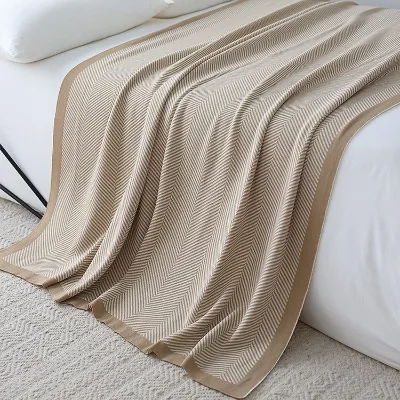
Fleece Blankets Throws Superior Soft Blanket Gift Comfortable for Bed Sofa
$6.70 - $9.60
MOQ: 100 pieces




Comprehensive Sourcing Guide
Eco-Friendly Soft Bed Throws Sourcing Guide
Sourcing eco-friendly soft bed throws requires a nuanced understanding of material composition, manufacturing processes, and supply chain transparency. Buyers must distinguish between marketing claims of sustainability and verifiable environmental standards, particularly when dealing with textiles that blend natural fibers like cotton with synthetic materials such as polyester. The market offers a wide variety of options, from brushed flannel to sherpa styles, each with distinct thermal properties and care requirements. This guide provides a structured approach to evaluating suppliers, verifying product specifications, and ensuring that procurement decisions align with both quality expectations and environmental commitments.
The following sections outline the critical steps for sourcing these products effectively. By focusing on technical verification, compliance documentation, and commercial terms, buyers can mitigate risks associated with inconsistent quality or non-compliant materials. The guidance is based on observed market signals and standard industry practices, ensuring that procurement strategies are grounded in realistic expectations and actionable data.
Product Scope and Observed Listing Signals
The current market for eco-friendly soft bed throws exhibits a diverse range of product attributes, with observed price points ranging from $1.50 to $20.00 USD and minimum order quantities (MOQs) varying significantly from 1 to 5,000 units. This wide variance suggests a market segmented by both volume and customization levels, where smaller orders may incur higher per-unit costs due to setup fees for printing or embroidery. Buyers should note that the term "eco-friendly" is often associated with specific material blends, such as polycotton or brushed diamond flannel, which offer a balance of durability and softness. The observed listings indicate that many suppliers offer customization options, including logo printing and embroidery, which can impact the final product cost and lead time.
Product styles observed in the market include plain designs, racking patterns, and solid colors, with customization available for any Pantone color. The materials primarily consist of polyester and cotton blends, with some products specified as brushed diamond flannel or solid sherpa blankets. These materials are chosen for their hand feel, described as soft, warm, and comfortable, making them suitable for various applications such as travel, home use, hotels, and hospitals. The knitting methods observed include machine weaving and stitch knitting, which contribute to the product's anti-pilling and portable features. Buyers should verify the specific knitting method and material composition to ensure the product meets their intended use case, whether for disposable hospitality settings or long-term home use.
Technical Specifications to Verify
When evaluating technical specifications, buyers must prioritize the material composition and weight of the bed throws. The observed products often specify a weight range of 240-300 GSM, which is a critical indicator of warmth and durability. Thicker blankets in this range are generally more suitable for winter use, while lighter options may be preferred for travel or summer months. The material blend, typically polyester and cotton, offers a balance of softness and resilience, but buyers should confirm the exact percentage of each fiber to assess breathability and care requirements. Additionally, the size specifications observed include full sizes and custom dimensions, such as 100*200cm, which should be verified against the target market's preferences.
Other technical aspects to verify include the knitting method and surface finish. Products described as brushed diamond flannel or solid sherpa offer distinct textures and thermal properties, with the brushed finish providing a softer hand feel. The anti-pilling feature is a key quality indicator, especially for products intended for frequent use or washing. Buyers should also consider the packaging options, which range from standard export packing to custom solutions, as this can affect shipping costs and product protection. The origin of the products, primarily China and Zhejiang, is a relevant factor for logistics planning, and buyers should confirm the lead times and production capabilities of suppliers in these regions.
Compliance and Safety Documentation
Compliance with international safety and environmental standards is paramount when sourcing eco-friendly textiles. The observed listings mention certifications such as Oeko-Tex Standard 100, GRS, BSCI, and Sedex, which indicate adherence to specific environmental and social responsibility criteria. Oeko-Tex Standard 100 ensures that the textiles are free from harmful substances, making them safe for direct skin contact. GRS (Global Recycled Standard) verifies the presence of recycled content in the product, which is a key aspect of the "eco-friendly" claim. Buyers should request valid certificates from suppliers and verify their authenticity through the respective certification bodies to ensure that the products meet the stated environmental standards.
In addition to environmental certifications, social compliance standards such as BSCI and Sedex are important for assessing the ethical practices of the supplier. These certifications indicate that the supplier adheres to fair labor practices, safe working conditions, and ethical business operations. Buyers should include these compliance requirements in their supplier qualification process and request audit reports to verify the supplier's adherence to these standards. It is also important to note that while some listings mention GOTS (Global Organic Textile Standard), this certification is not explicitly confirmed in the observed data, and buyers should verify if organic cotton is used if this is a specific requirement.
Cost Drivers and Commercial Terms
The cost of eco-friendly soft bed throws is influenced by several factors, including material composition, customization options, and order volume. The observed price range of $1.50 to $20.00 USD reflects the variability in product quality and features. Products with higher GSM weights, custom colors, and intricate designs such as printed patterns or embroidery will generally command higher prices. Buyers should also consider the cost of packaging, which can be customized or standard, and the impact of shipping logistics from the origin countries. Understanding these cost drivers is essential for budgeting and negotiating favorable terms with suppliers.
Commercial terms such as payment methods and sample availability are also critical considerations. The observed listings indicate that payment is typically made via TT (Telegraphic Transfer), and samples are supported, allowing buyers to evaluate product quality before placing large orders. Buyers should negotiate clear terms regarding sample costs, which may be refundable upon bulk order placement, and lead times for production. It is also important to clarify the MOQs, which can range from 1 to 5,000 units, and any penalties for order cancellations or changes. Establishing a transparent commercial agreement helps to avoid disputes and ensures a smooth procurement process.
Supplier Qualification and Quality Control
Supplier qualification is a crucial step in ensuring the reliability and quality of eco-friendly soft bed throws. Buyers should assess the supplier's manufacturing capabilities, including their experience in producing blended blankets and their ability to meet specific customization requirements. The observed listings mention manufacturers with over 20 years of experience, which can be an indicator of stability and expertise. Buyers should request detailed information about the supplier's production facilities, quality control processes, and capacity to handle large orders. Verifying the supplier's track record and client references can also provide insights into their reliability and performance.
Quality control measures should be established to ensure that the products meet the specified standards. Buyers should implement incoming quality inspections to verify material composition, weight, and finish. It is also important to establish clear acceptance criteria for defects such as pilling, color inconsistencies, or stitching errors. Regular communication with the supplier regarding quality issues and feedback can help to maintain high standards. Additionally, buyers should consider third-party inspection services for large orders to provide an independent assessment of product quality before shipment.
Long-Term Procurement Checks
Long-term procurement success depends on continuous monitoring and evaluation of supplier performance. Buyers should establish key performance indicators (KPIs) such as on-time delivery, product quality consistency, and responsiveness to issues. Regular reviews of these metrics can help to identify potential problems early and facilitate corrective actions. It is also important to maintain open communication with suppliers to discuss any changes in requirements or market conditions. Building a strong relationship with suppliers can lead to better pricing, priority production, and collaborative innovation.
Sustainability efforts should be reviewed periodically to ensure that the supplier continues to meet environmental and social standards. Buyers should request updates on certification renewals and any changes in the supply chain that may impact sustainability claims. Additionally, buyers should stay informed about industry trends and new technologies that may offer improved eco-friendly options. By maintaining a proactive approach to supplier management and sustainability, buyers can ensure that their procurement strategies remain aligned with their long-term goals and values.
FAQs
What materials are used for these Eco-Friendly Soft Bed Throws?
These throws are made from a blend of polyester and cotton. This material combination ensures durability while providing a soft hand feeling that is warm and comfortable for users in various settings like home or travel.
Can I customize the logo on these bed throws?
Yes, customization is available for logos on these products. You can choose between printed or embroidered options, and the design can be customized to match your specific branding requirements or inviting design needs.
What certifications do these manufacturers hold for safety?
Manufacturers hold Oeko Tex Standard 100, GRS, BSCI, and Sedex certifications. These standards ensure the products meet strict safety and ethical requirements for materials and production processes used in making these blankets.
How are these bed throws packed for shipping?
Packing options include standard export packing, cartons, or fully customized solutions. Buyers can request specific packaging methods to suit their logistics needs, ensuring the products arrive safely and meet their distribution requirements.
What is the typical weight range for these blankets?
The weight typically ranges from 240 to 300 GSM. This density provides a cozy and warm hand feeling suitable for winter use while maintaining portability for travel, hospital, or hotel applications.
Where are these products manufactured?
These products originate from China, specifically from the Zhejiang region. This location supports a long-standing manufacturing history with over 20 years of experience in producing high-quality blended blankets for global markets.