Source Non-Stick Stainless Steel Pan for Restaurants, Hotels, and Catering
Compare 30 Non-Stick Stainless Steel Pan options from verified suppliers in China. Buyers can evaluate materials like aluminum and iron, sizes ranging from 26cm to 54cm, and customization features for food service applications; compare the available evidence and request quotations based on your requirements.
Key considerations
Products List


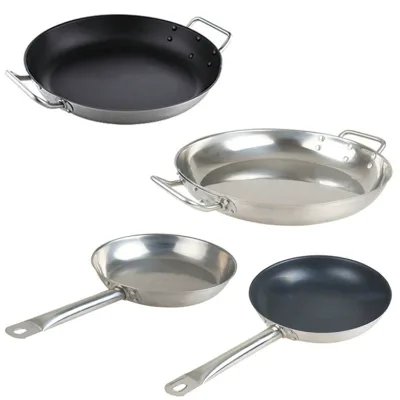
SUS Stainless Steel Non Stick Frying Pan Frying Pan Non-Stick Frying Pan
$5400.00 - $5450.00
MOQ: 1 set


Comprehensive Sourcing Guide
Non-Stick Stainless Steel Pan Sourcing Guide
Sourcing non-stick stainless steel pans requires a nuanced understanding of material science and coating technologies, as these terms often describe distinct product categories rather than a single unified item. Buyers must first clarify whether they are seeking traditional stainless steel cookware with a separate non-stick insert or a composite pan featuring a stainless steel exterior with a non-stick interior coating. The supplied data indicates a diverse market presence, with listings highlighting aluminum and iron materials alongside stainless steel options, suggesting that suppliers may offer various configurations to meet different performance and cost requirements. This ambiguity necessitates precise communication with potential vendors to ensure the final product aligns with specific culinary needs and durability expectations.
The procurement landscape for these items is characterized by significant variability in specifications, including size ranges from 26cm to 54cm and capacities ranging from 4.5L to 5.5L. Buyers should note that while some listings emphasize non-stick characteristics, others focus on stainless steel construction or even iron materials, indicating that the core keyword may attract a broad spectrum of cookware types. It is crucial to verify the exact composition of the cooking surface, as the longevity and health safety of non-stick coatings differ vastly from bare stainless steel. Understanding these distinctions helps in filtering suppliers who specialize in the specific type of cookware required, ensuring that the procurement process targets manufacturers with relevant expertise and production capabilities.
Product Scope and Observed Listing Signals
The observed market signals reveal a wide array of product attributes that buyers must navigate carefully when sourcing non-stick stainless steel pans. Listings frequently mention materials such as aluminum, iron, and stainless steel, with some products explicitly labeled as non-stick pans while others are described as pot sets or food containers. The presence of customization options and various packing methods, including color boxes and standard seaworthy packing, suggests that many suppliers are willing to tailor products to specific brand requirements. Buyers should pay close attention to these details, as the material composition directly impacts heat distribution, weight, and overall durability, which are critical factors in selecting the right cookware for commercial or residential use.
Additionally, the data shows a variety of styles and features, such as western style designs, eco-friendly attributes, and specific lid types like glue wood cover beads. These variations indicate that suppliers cater to diverse market segments, from high-end residential kitchens to bulk commercial operations. The inclusion of accessories like lids and handles, along with customizable logos, further highlights the potential for branding opportunities. However, buyers must be cautious of conflicting information, such as listings that mention both non-stick characteristics and stainless steel materials without clarifying the exact construction. Verifying these details through direct supplier communication is essential to avoid misunderstandings and ensure that the ordered products meet the intended functional and aesthetic standards.
Technical Specifications to Verify
When evaluating technical specifications, buyers must prioritize the verification of material composition and coating integrity, as these factors determine the pan's performance and safety. The supplied facts mention materials like aluminum, iron, and stainless steel, but do not specify the exact alloy grades or the type of non-stick coating used. Buyers should request detailed material safety data sheets and coating specifications to ensure that the non-stick surface is free from harmful chemicals such as PFOA. Additionally, the thickness of the stainless steel base and the uniformity of the coating application are critical for even heat distribution and long-term durability, so requesting samples for physical inspection is highly recommended.
Size and capacity specifications also vary significantly across listings, with sizes ranging from 26cm to 54cm and capacities from 4.5L to 5.5L. Buyers need to confirm the exact dimensions and volume of the cooking surface, as these affect compatibility with different stovetops and oven usage. The data indicates that some products are designed for gas-oven use, while others are suitable for all-purpose stoves, so verifying the heat source compatibility is essential. Furthermore, the presence of handles and lids should be confirmed, as their material and attachment method impact usability and safety. Clear documentation of these technical details ensures that the procured pans meet the specific operational requirements of the end-user.
Compliance and Safety Documentation
Compliance with international safety standards is paramount when sourcing non-stick cookware, particularly regarding food contact materials and coating safety. The observed listings mention certifications such as FDA, CE/EU, ISOSAUL, CSA, and MET, which indicate that some suppliers adhere to rigorous safety protocols. Buyers must verify the validity and scope of these certifications, ensuring that they cover the specific materials and coatings used in the pans. It is crucial to request current certification documents and test reports from accredited laboratories to confirm that the products meet the regulatory requirements of the target market, thereby mitigating legal and reputational risks associated with non-compliant goods.
In addition to product-specific certifications, buyers should inquire about the supplier's quality management systems and production processes. The data mentions surface treatments like electrolysis, which may impact the durability and safety of the non-stick coating. Understanding the manufacturing process helps in assessing the consistency and reliability of the product quality. Buyers should also verify that the suppliers follow good manufacturing practices (GMP) and have robust traceability systems in place. This ensures that any issues can be quickly identified and addressed, maintaining the integrity of the supply chain and protecting the brand's reputation for safety and quality.
Cost Drivers and Commercial Terms
Cost drivers for non-stick stainless steel pans include material costs, manufacturing complexity, and customization requirements. The observed price range of 0.4 to 5450 USD reflects the vast diversity in product types, from simple pans to complete pot sets with extensive customization. Buyers should analyze the cost breakdown to understand how factors such as material grade, coating technology, and packaging options influence the final price. Customization features like logo printing and specific packing methods may incur additional charges, so it is important to clarify these costs upfront to avoid budget overruns. Understanding these drivers helps in negotiating favorable terms and selecting suppliers that offer the best value for money.
Commercial terms such as minimum order quantity (MOQ), lead times, and payment terms also play a significant role in the procurement process. The observed MOQ range of 1 to 3000 units indicates flexibility, but buyers should consider their inventory capacity and sales forecasts when determining the optimal order size. Lead times can vary based on production schedules and customization requirements, so establishing clear timelines is essential for supply chain planning. Payment terms should be negotiated to balance risk and cash flow, with options like letters of credit or escrow services providing additional security. Clear communication of these terms ensures a smooth transaction and minimizes the potential for disputes.
Supplier Qualification and Quality Control
Supplier qualification is a critical step in ensuring the reliability and consistency of non-stick stainless steel pans. Buyers should conduct thorough due diligence on potential suppliers, including verifying their business licenses, production capabilities, and past performance. The data indicates that many suppliers are located in Guangdong, China, a major hub for cookware manufacturing, but buyers should still assess the specific factory's quality control processes. Requesting references and conducting site visits, if possible, can provide valuable insights into the supplier's operational standards and commitment to quality. This proactive approach helps in identifying suppliers who are capable of meeting the required specifications and delivering products on time.
Quality control measures should be established before production begins, including defining clear acceptance criteria and inspection protocols. Buyers should specify the required tests for material composition, coating adhesion, and thermal stability, and ensure that these tests are conducted by independent third-party laboratories. Regular audits and sample inspections during production can help identify and address issues early, reducing the risk of receiving defective goods. Establishing a robust quality control framework not only ensures product consistency but also builds trust with the supplier, fostering a long-term partnership that benefits both parties. This diligence is essential for maintaining high standards and customer satisfaction.
Long-Term Procurement Checks
Long-term procurement checks involve continuous monitoring of supplier performance and product quality to ensure sustained compliance and satisfaction. Buyers should establish key performance indicators (KPIs) such as on-time delivery rates, defect rates, and responsiveness to issues, and review these metrics regularly. Feedback from end-users and market trends should also be considered to assess the product's relevance and competitiveness. By maintaining open communication with suppliers and staying informed about industry developments, buyers can proactively address potential challenges and adapt to changing market conditions. This ongoing evaluation helps in maintaining a resilient supply chain and ensuring that the procured pans continue to meet evolving customer expectations.
Additionally, buyers should periodically review contractual terms and compliance requirements to ensure they remain aligned with current regulations and business needs. This includes updating safety standards, sustainability requirements, and commercial terms as necessary. Engaging in regular performance reviews with suppliers can also identify opportunities for improvement and innovation, such as new coating technologies or more sustainable materials. By fostering a collaborative relationship with suppliers, buyers can drive continuous improvement and maintain a competitive edge in the market. This strategic approach to procurement ensures long-term success and minimizes risks associated with supply chain disruptions or regulatory changes.
FAQs
How do I choose the right size Non-Stick Stainless Steel Pan for commercial kitchens?
Choose the size based on your batch volumes and stove configuration, with listed options ranging from 26cm to 54cm. Larger diameters like 42-54cm suit high-volume Western-style cooking, while 26-34cm pans fit standard burners and faster turnaround. Confirm compatibility with your gas, electric, or all-purpose stove before ordering, since single-bottom and multi-layer constructions distribute heat differently across sizes.
What certifications should a Non-Stick Stainless Steel Pan supplier provide for food use?
Look for FDA and CE/EU certification at minimum, since these confirm the pan is safe for direct food contact in regulated markets. Some listings also reference CSA, MET, and related approvals for specific regions. Always request copies of current certificates and test reports before placing bulk orders, and verify the certificates match the exact model numbers and specifications quoted in your proforma invoice.
Can non stick stainless steel pans be customized with my brand logo and packaging?
Yes, customization is available on many listings, including logo printing and tailored packaging choices. Common packing formats include color box, carton with PP bag, and standard seaworthy packing for export shipments. Provide your artwork files, logo placement preferences, and packaging quantities early in the quotation process, because customized orders usually require sample confirmation before mass production begins.
Which stove types work with non stick stainless steel pans from these listings?
Listed pans cover gas stoves, gas ovens, electric power sources, and all-purpose stove compatibility. Check the specific product attribute before ordering, because a single-bottom aluminum or iron pan may perform differently on induction or flat electric surfaces. For mixed commercial environments, all-purpose models reduce the risk of warping and deliver more consistent heat distribution across different cooking stations.
What is the typical MOQ range when sourcing non stick stainless steel pans?
Observed MOQs range from 1 piece to 3000 pieces, depending on the model, customization level, and supplier policy. Sample or trial orders at the low end let you test quality, while customized logo and packaging orders typically require higher volumes. Negotiate MOQ alongside unit pricing, since suppliers often lower per-piece costs or accept smaller trial runs when a repeat ordering relationship is likely.
How should non stick stainless steel pans be packed for export shipments?
Standard packing options include color boxes, cartons with PP bags, OPP bags, and standard seaworthy carton packing. Seaworthy packing protects against moisture and handling damage during long ocean freight, which matters for heavier pot sets around 30kg. Confirm carton dimensions and gross weight per carton with the supplier, then verify stacking limits so palletized loading does not crush retail packaging.
What materials and coatings are used in these non stick stainless steel pans?
Listings reference aluminum, iron, and stainless steel constructions, with single-bottom pot designs and electroplated or electrolysis surface treatments. Non-stick characteristics are noted as a key feature across pot set types. When comparing suppliers, ask which base metal pairs with which coating system, because coating adhesion and durability vary significantly between aluminum bodies and stainless steel bodies in daily commercial use.
Can I get lid and handle accessories included with a Non-Stick Stainless Steel Pan order?
Yes, some listings include lids and handles as accessories, while other pot sets ship without a cover. Lid types referenced include glue wood cover bead designs. Specify your accessory requirements in the purchase order, including handle material and lid fit tolerances, because accessories are often quoted separately and affect final unit cost, packing weight, and total shipment volume calculations.