Source Nonstandard Telescopic Hydraulic Cylinder for Construction, Mining, and Agriculture
Find 30 Nonstandard Telescopic Hydraulic Cylinder options from Chinese manufacturers. Compare specifications like piston type, high pressure ratings up to 25MPa, and customization availability for industrial lifting and material handling applications.
Key considerations
Products List


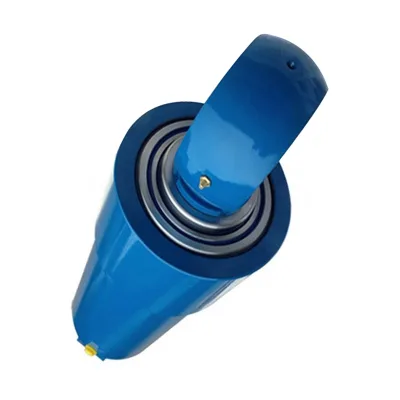


China Professional Factory Customize Hydraulic Telescopic Cylinder of Hydraulic Support
$1000.00 - $10000.00
MOQ: 5 Pieces


Comprehensive Sourcing Guide
Nonstandard Telescopic Hydraulic Cylinder Sourcing Guide
Sourcing nonstandard telescopic hydraulic cylinders requires a disciplined approach that balances precise mechanical specifications with rigorous supplier verification. Unlike standard off-the-shelf components, these specialized actuators are engineered for unique spatial constraints and high-load applications, often featuring multiple stages to achieve extended reach within a compact retracted footprint. Buyers must navigate a landscape where customization is the norm, meaning that every procurement decision hinges on detailed technical alignment rather than catalog selection. The following guide outlines the critical verification steps, compliance checks, and commercial considerations necessary to secure reliable supply chains for these complex hydraulic components.
The procurement process begins with a clear definition of operational requirements, including stroke length, load capacity, and mounting configurations. Because these cylinders are frequently classified as nonstandard, manufacturers may offer varying degrees of customization, from minor dimensional adjustments to fully bespoke designs. Procurement teams must establish a robust communication channel with potential suppliers early in the process to ensure that design proposals align with the intended application’s mechanical and environmental demands. This initial alignment prevents costly redesigns and ensures that the final product meets the specific performance criteria of the end-use machinery.
Product Scope and Observed Listing Signals
The market for telescopic hydraulic cylinders presents a wide range of options, with observed listing prices spanning from approximately $46.13 to $30,000 USD. This broad variance reflects the diversity in materials, stage counts, and customization levels available from different suppliers. Buyers should interpret this price range as an indicator of the spectrum from basic, single-stage units to complex, multi-stage, high-pressure assemblies. Understanding this range helps in budgeting and in identifying suppliers whose pricing structures align with the desired quality and complexity of the required cylinder.
Observed minimum order quantities (MOQs) typically range from one to ten units, suggesting that many suppliers accommodate both prototype development and small-batch production runs. This flexibility is crucial for industries that require custom solutions for specific projects rather than mass-produced standard parts. Additionally, the majority of listed products are described as new and originate from manufacturing hubs in China, particularly in regions like Jiangsu and Changzhou. Buyers should verify the specific origin and manufacturing capabilities of each supplier to ensure consistency in quality and delivery reliability.
Technical Specifications to Verify
Technical verification must begin with the cylinder’s structural design and material composition. Common configurations include piston-type structures with single or double-acting mechanisms, and some units are regulated types designed for precise control. The material of construction is critical, with carbon steel, alloy steel, and stainless steel being frequently observed options. Buyers must confirm the specific steel grade, such as 27SiMn, 16Mn, 45#, 20#, or E355, as these grades directly impact the cylinder’s strength, corrosion resistance, and suitability for high-pressure environments.
Pressure ratings and stage configurations are equally vital for ensuring operational safety and performance. Many observed units are designed for high-pressure applications, with maximum working pressures reaching up to 25 MPa, 250 bar, or 3620 psi. The number of stages can vary, with three, four, five, or more stages available depending on the required extension length. Buyers should also verify the chrome thickness of the piston rods, which typically ranges from 0.015 to 0.025 mm, as this coating is essential for wear resistance and seal longevity. Additionally, the type of seal kits used, such as Hallite, Kaden, Nok, or Guarnitec, should be confirmed to ensure compatibility with the operating fluid and temperature range.
Compliance and Safety Documentation
Compliance with international standards is a key factor in selecting a reliable supplier for nonstandard hydraulic cylinders. Many manufacturers hold CE certification, indicating adherence to European health, safety, and environmental protection standards. Additionally, ISO certification is commonly observed, with some suppliers also holding IATF 16949:2016 certification, which is specific to the automotive industry’s quality management systems. Buyers should request valid certification documents to verify that the supplier’s quality management systems are robust and regularly audited.
Safety documentation should also include detailed technical drawings, material test reports, and pressure test certificates. While specific standards like EN 10204 may be referenced, buyers must ensure that the provided documentation matches the actual materials and manufacturing processes used. It is advisable to request video outgoing inspections to visually verify the assembly quality and finish of the cylinders before shipment. This visual confirmation can help identify potential defects or inconsistencies that might not be apparent from written documentation alone.
Cost Drivers and Commercial Terms
Several factors influence the final cost of nonstandard telescopic hydraulic cylinders, including the complexity of the design, the materials used, and the level of customization required. Multi-stage cylinders with high-pressure ratings and specialized seal kits will naturally command higher prices than simpler, single-stage units. Buyers should also consider the cost of tooling and engineering time if the design requires significant modifications from standard configurations. Understanding these cost drivers allows for more accurate budgeting and negotiation with suppliers.
Commercial terms such as warranty and quality guarantee periods are important considerations for long-term value. Many suppliers offer a warranty of 14 months from the day of delivery or one year, providing a buffer against early failures. Buyers should clarify the terms of the warranty, including what is covered and the process for claiming repairs or replacements. Additionally, packaging methods, such as wooden cases, pallets, or steel pallets, can impact shipping costs and the risk of damage during transit. Specifying the preferred packaging method in the purchase order can help mitigate these risks.
Supplier Qualification and Quality Control
Supplier qualification involves a thorough assessment of the manufacturer’s production capabilities and quality control processes. Buyers should verify that the supplier has a dedicated quality control team that performs multiple inspections before delivery. Some manufacturers conduct three times of quality checks, which can significantly reduce the risk of receiving defective products. It is also advisable to request information about the supplier’s testing equipment and procedures for verifying pressure ratings and leak integrity.
The availability of customization services is another key indicator of a supplier’s technical competence. Suppliers that offer tailored solutions, including custom dimensions, colors, and mounting options, are likely to have more flexible and experienced engineering teams. Buyers should evaluate the supplier’s responsiveness and technical support during the inquiry phase, as these factors often reflect the level of service provided throughout the procurement process. Establishing a clear communication channel for technical queries can help resolve design issues quickly and efficiently.
Long-Term Procurement Checks
Long-term procurement success depends on establishing a reliable supply chain that can consistently deliver high-quality products. Buyers should monitor supplier performance over time, tracking metrics such as on-time delivery, product quality, and responsiveness to issues. Regular audits or periodic reviews of the supplier’s quality management systems can help ensure that standards are maintained as the business relationship evolves. Building a strong partnership with a qualified supplier can lead to better pricing, priority production, and improved technical support.
Continuous improvement in the procurement process involves staying informed about industry trends and technological advancements in hydraulic cylinder design. Buyers should periodically reassess their technical requirements and explore new materials or manufacturing techniques that may offer improved performance or cost savings. Engaging with suppliers on future product developments can also help in identifying innovative solutions that better meet the evolving needs of the end-use application. By maintaining a proactive approach to supplier management, buyers can ensure a steady supply of reliable nonstandard telescopic hydraulic cylinders.
FAQs
What materials are used for nonstandard telescopic hydraulic cylinders?
These cylinders are commonly manufactured from carbon steel, special steel, alloy steel, and stainless steel. The specific material selection depends on the required strength and corrosion resistance for the intended application environment.
Which certifications do these hydraulic cylinders typically hold?
Many products carry CE and ISO certifications, with some manufacturers also holding IATF 16949:2016 certification. These standards ensure the products meet specific quality and safety requirements for industrial use.
Can buyers request custom specifications for these cylinders?
Yes, customization is available for models such as HY or Parker types to meet specific needs. Buyers can specify dimensions, acting ways, and seal kits like Hallite or Nok to fit their unique machinery requirements.
What is the maximum working pressure for these cylinders?
The maximum working pressure is typically rated at 25MPa, 250bar, or 3620psi. This high-pressure capability allows the cylinders to operate effectively in demanding industrial applications requiring significant force.
How long is the warranty period for these products?
The warranty period is generally 14 months from the day of delivery or one year depending on the supplier. This guarantee covers quality assurance and provides protection against manufacturing defects during the specified timeframe.
What packing methods are used for shipping these cylinders?
Products are packed in wooden cases, on pallets, or using steel pallets as per buyer requirements. This robust packaging ensures the cylinders remain protected during transit and prevents damage before reaching the destination.