Source number-coded flower educational toy set for learning, play, and gifts
Compare 30 listings for the number-coded flower educational toy set designed for children aged 3 to 8 years. Buyers can evaluate options featuring music, light effects, and remote control functions from verified manufacturers in China.
Key considerations
Products List




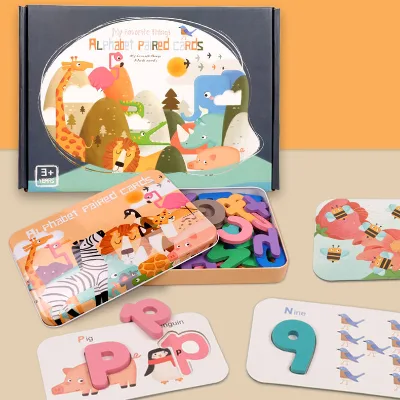
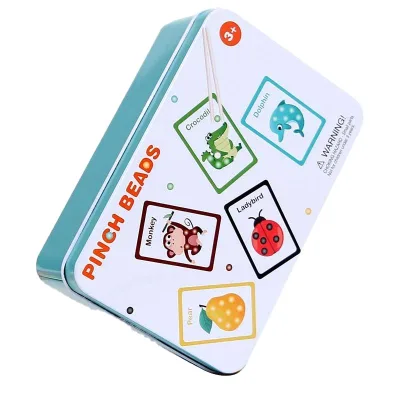
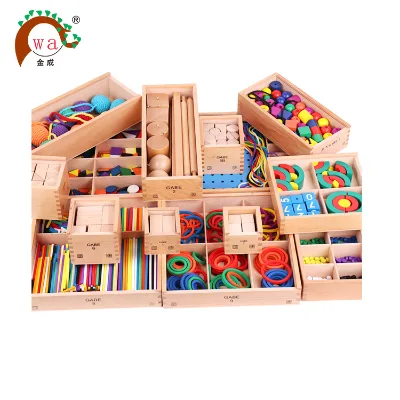


Comprehensive Sourcing Guide
Number-Coded Flower Educational Toy Set Sourcing Guide
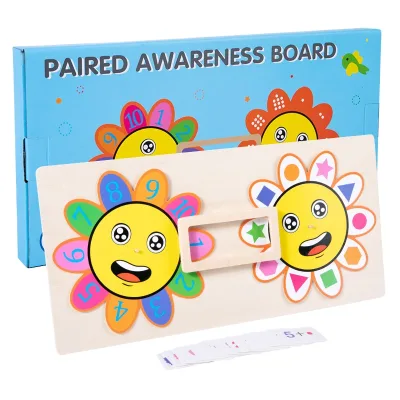
Sourcing number-coded flower educational toy sets requires a careful balance between aesthetic appeal and developmental utility. These products typically combine floral motifs with numerical learning elements, targeting early childhood education markets where visual engagement drives interest. Buyers must distinguish between simple decorative items and functional educational tools that actively support cognitive development. The core value proposition lies in the integration of counting exercises, pattern recognition, and fine motor skill enhancement through tactile interaction with flower-shaped components.
Procurement decisions should be guided by observed market signals rather than generic assumptions. Current listings indicate a diverse range of materials, including wood and various plastic types such as EVA, PE, and ABS, each offering distinct durability and safety profiles. Price points vary significantly, reflecting differences in material quality, packaging complexity, and customization options. Understanding these variables is essential for aligning product selection with specific target demographics, whether for home use, classroom settings, or retail distribution.
Product Scope and Observed Listing Signals
The observed product landscape reveals a strong emphasis on multi-sensory engagement, with many items featuring music, light flashes, and remote control functionalities. These features are particularly prevalent in sets designed for boys aged 3-8 years, suggesting a market segment that values interactive and dynamic play experiences. However, the scope also includes unisex options and letter magnets, indicating a broader educational focus that extends beyond simple counting to include literacy and number recognition. Buyers should verify the specific age recommendations and functional attributes to ensure alignment with their intended user base.
Material composition varies widely across suppliers, with wood and plastic being the most common choices. Plastic types include EVA, PE, and ABS, each offering different levels of safety, durability, and cost-efficiency. For instance, EVA foam is often preferred for younger children due to its softness and safety, while ABS plastic provides greater structural integrity for more complex mechanical toys. The presence of customization options allows buyers to tailor products to specific branding or educational requirements, but this often comes with minimum order quantity (MOQ) constraints that can impact inventory planning.
Technical Specifications to Verify
Dimensional accuracy and packaging standards are critical for logistics and retail readiness. Observed specifications include compact sizes such as 15x15x6 cm and larger sets like 24 pieces per set, with packaging dimensions ranging from 6.2x4 inches to 30x14x8 cm. Buyers must verify these dimensions to ensure compatibility with shipping containers and retail shelving. Additionally, weight specifications, such as 0.4 kg per piece, are important for calculating freight costs and ensuring that products are appropriate for the target age group’s handling capabilities.
Model numbers and branding details provide traceability and quality assurance. Specific models like KU-004591 and AN-SET01 indicate standardized production runs, which can simplify quality control and replacement part sourcing. Buyers should confirm whether these models are exclusive to certain suppliers or part of a broader industry standard. Furthermore, the presence of customizable packaging and models suggests that suppliers may offer OEM services, allowing for brand integration but requiring careful management of design files and approval processes to avoid production delays.
Compliance and Safety Documentation
Safety certifications are non-negotiable for educational toys, particularly those targeting young children. Observed listings frequently cite ASTM F963-96a and EN71 standards, which are critical for market access in the United States and Europe, respectively. These certifications ensure that the toys meet rigorous requirements for mechanical, physical, and chemical safety. Buyers must request valid test reports from accredited laboratories to verify compliance, as self-declaration of conformity is insufficient for reputable procurement.
Additional certifications such as CE marking further demonstrate adherence to European safety directives, particularly for electronic components found in music and light-flashing toys. The inclusion of EN62115, though noted with lower confidence, is relevant for electrical toy safety and should be verified if the product includes batteries or charging mechanisms. Buyers should also inquire about specific plastic type certifications, ensuring that materials like ABS, PE, and EVA are free from harmful substances such as phthalates and BPA, which are strictly regulated in children’s products.
Cost Drivers and Commercial Terms
Pricing structures are influenced by material costs, manufacturing complexity, and order volume. The observed price range of $0.3 to $10.99 USD reflects significant variation, with lower prices typically associated with simpler, non-electronic items and higher prices for complex, multi-functional sets. Buyers should analyze the cost breakdown to understand the value proposition, considering factors such as the inclusion of remote controls, sound modules, and custom packaging. MOQs ranging from 1 to 5000 units allow for flexibility, but higher volumes often yield better unit prices, impacting overall profitability.
Commercial terms such as payment methods, lead times, and shipping arrangements are crucial for supply chain stability. Observed packing methods include sea freight and carton/palletizing, which affect transit times and handling requirements. Buyers should negotiate clear terms regarding production lead times, especially for customized orders, to avoid delays that could impact retail seasons. Additionally, understanding the supplier’s return and warranty policies is essential for mitigating risks associated with defective products or quality inconsistencies.
Supplier Qualification and Quality Control
Supplier verification is the first line of defense against quality issues. Buyers should prioritize suppliers with a proven track record in educational toy manufacturing, particularly those located in established production hubs like Guangdong, China. Requesting company profiles, factory audits, and references from other buyers can provide insights into operational reliability and ethical practices. Suppliers offering customization services should demonstrate robust design and engineering capabilities to ensure that custom features meet safety and performance standards.
Quality control processes must be clearly defined and consistently enforced. Buyers should inquire about in-process inspections, final random inspections, and acceptance criteria for defects. For electronic components, functional testing of music, light, and remote control features is essential to ensure reliability. Establishing a clear communication channel for addressing quality issues and implementing corrective actions is vital for maintaining long-term supplier relationships and ensuring consistent product quality across batches.
Long-Term Procurement Checks
Continuous monitoring of market trends and consumer preferences is essential for maintaining product relevance. The educational toy market is dynamic, with shifting demands for interactive, screen-free learning tools. Buyers should regularly review product performance data, customer feedback, and return rates to identify areas for improvement. Staying informed about emerging safety standards and regulatory changes ensures that products remain compliant and competitive in global markets.
Building a resilient supply chain involves diversifying suppliers and maintaining strategic inventory levels. Relying on a single supplier can pose risks related to production capacity, quality consistency, and geopolitical factors. Developing relationships with multiple qualified suppliers allows for flexibility in sourcing and negotiation. Additionally, investing in long-term partnerships with suppliers who share a commitment to quality and innovation can lead to collaborative product development and exclusive offerings that differentiate the buyer’s portfolio in the marketplace.
FAQs
What certifications do these educational toys have?
These toys hold ASTM F963-96a and EN71 certifications for safety. Some listings also include CE certification to meet international standards. Buyers should verify specific model compliance before bulk orders.
Can I customize the packaging for this toy set?
Yes, customization is available for packaging and product details. Many suppliers offer carton or palletizing options to suit your logistics needs. Customizable packages help align with your brand requirements.
What is the minimum order quantity for these toys?
The minimum order quantity ranges from 1 to 5000 units depending on the supplier. Some specific models require a minimum of 100 pieces. Buyers should check individual listings for exact MOQ constraints.
Which materials are used to make these educational toys?
Products are made from wood, plastic, EVA, PE, and ABS materials. The specific material depends on the toy type, such as letter magnets or remote-controlled sets. Buyers can select based on durability and safety preferences.
How are these toys packed for shipping?
Items are typically packed in cartons or on pallets for sea transport. Standard packaging dimensions vary by model, such as 24 pieces per set. Customizable packing options are often available for large orders.
What age group is suitable for these educational toys?
Most products are designed for children aged 3 to 8 years. Some specific models are suitable for all ages or older children over 8 years. Always check the age range listed for each specific toy model.