Source Nylon Plastic Harvester Tracks for Grain Threshing
Find and compare 30 listings for Nylon Plastic Harvester Tracks designed for agricultural machinery. Evaluate specifications such as diagonal tire designs, tubeless options, and compatible brands like Kubota and John Deere to find suitable undercarriage systems for harvesters and tractors.
Key considerations
Products List


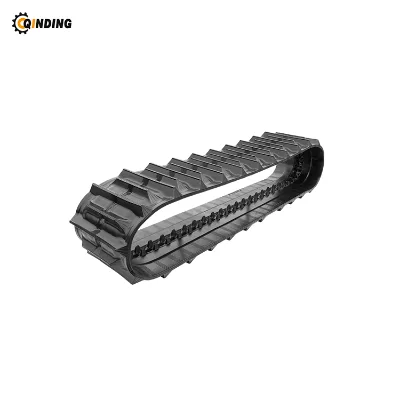
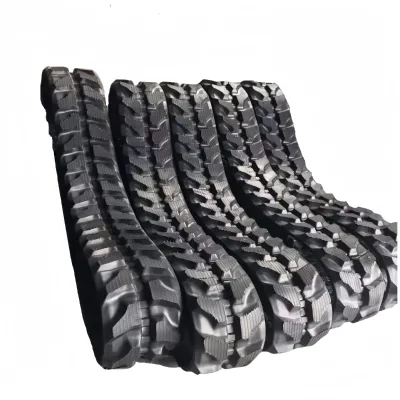


Factory Supply Mini High Quality Harvester Rubber Track with Great Performance
$290.00 - $400.00
MOQ: 10 Pieces

Factory Supply Lightweight Harvester Rubber Track for Agricultural Crawler Tractors
$290.00 - $400.00
MOQ: 10 Pieces

Hot Sale Small Remote Monitoring Harvester Rubber Track for Harvester
$290.00 - $400.00
MOQ: 10 Pieces

Wholesale Mini High Quality Harvester Rubber Track for Combine Harvester
$290.00 - $380.00
MOQ: 10 Pieces

Factory Price Custom Made High Quality Harvester Rubber Track for Agricultural Machinery
$290.00 - $380.00
MOQ: 10 Pieces
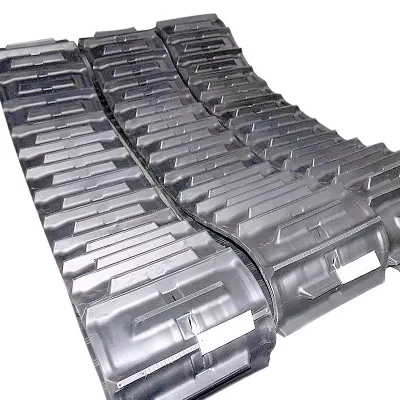
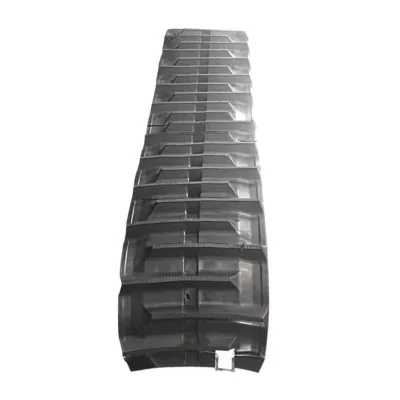


Comprehensive Sourcing Guide
Nylon Plastic Harvester Tracks Sourcing Guide
Sourcing specialized undercarriage components for agricultural machinery requires a precise understanding of material properties, dimensional compatibility, and supplier reliability. While the core keyword suggests nylon plastic tracks, the observed market data indicates a strong prevalence of rubber-based solutions for harvesters and agricultural processing equipment. Buyers must navigate this distinction carefully, as material choice directly impacts traction, durability, and ground pressure characteristics. This guide provides evidence-based procurement strategies to help buyers evaluate listings, verify technical specifications, and manage commercial risks effectively.
The following sections outline the critical steps for sourcing these components, focusing on the intersection of observed product attributes and standard industry practices. By adhering to these guidelines, procurement teams can mitigate the risk of ordering incompatible parts, ensure compliance with international standards, and establish long-term relationships with qualified manufacturers. The focus remains on actionable verification steps rather than speculative claims, ensuring that every decision is grounded in observable data and established procurement best practices.
Product Scope and Observed Listing Signals
The observed product landscape reveals a diverse range of undercarriage systems, primarily categorized as tires and rubber tracks for agricultural machinery. Listings frequently highlight compatibility with major brands such as Kubota, John Deere, Komatsu, and Caterpillar, indicating a mature market for replacement parts. The presence of specific model numbers like "500x90x53" and "400x90" suggests that buyers must match exact dimensional specifications rather than relying on generic descriptions. This specificity is crucial, as even minor deviations in track width or pitch can render a component unusable on specific harvester models.
Packing and origin data provide additional context for logistics planning. Products are typically shipped in pallets, wooden cases, or export packing, with origins concentrated in regions like Zhejiang and Shandong in China. The observation of "Bare Package or Pallets" indicates variability in supplier packaging standards, which can affect shipping costs and product protection during transit. Buyers should anticipate variations in packaging quality and factor these into their total landed cost calculations, ensuring that fragile components are adequately protected against damage during international shipping.
Technical Specifications to Verify
Dimensional accuracy is the most critical technical factor in sourcing harvester tracks. Buyers must verify exact model numbers, such as "500/90N/53" or "30 inch" diameter tires, against their machinery’s OEM specifications. The observed data includes a wide range of sizes, from "400x90" to larger configurations, highlighting the need for precise matching. Misidentification of track pitch, link length, or roller diameter can lead to immediate installation failures and potential damage to the undercarriage system. Procurement teams should request detailed dimensional drawings or cross-reference part numbers with the original equipment manufacturer’s catalog before placing orders.
Material composition and design type also require careful verification. While the keyword mentions nylon plastic, the observed listings predominantly describe rubber tracks and diagonal tires, with some noting tubeless designs. Buyers must confirm whether the supplier offers the specific material requested, as rubber and plastic tracks have different wear characteristics and performance profiles. Additionally, the presence of certifications like ISO and ECE suggests that some products meet international quality benchmarks, but buyers should verify if these certifications apply to the specific material and design they intend to purchase.
Compliance and Safety Documentation
Certification status is a key indicator of product quality and regulatory compliance. The observed data lists various certifications, including ISO, DOT, ECE, CCC, and CE, which may apply to different product lines or supplier capabilities. Buyers should request valid certification documents for the specific items being purchased, as these credentials often reflect adherence to manufacturing standards and safety protocols. It is important to note that not all listed products may carry every certification mentioned, so verification on a per-order basis is essential to ensure compliance with local regulations and operational safety requirements.
Documentation regarding machinery test reports and outgoing inspections varies among suppliers. Some listings indicate that video outgoing-inspections are provided, which can serve as a valuable quality control measure for remote buyers. However, machinery test reports are often marked as "Not Available," which may limit the buyer’s ability to verify performance metrics before shipment. In such cases, buyers should rely on the supplier’s reputation, warranty terms, and return policies to mitigate risk, while also considering third-party inspection services for high-value orders.
Cost Drivers and Commercial Terms
Pricing and minimum order quantities (MOQ) are significant factors in procurement planning. The observed price range spans from $100 to $3,000, reflecting the diversity of products from small components to complete track systems. MOQs vary widely, from 1 piece to 90 units, offering flexibility for both small-scale repairs and large fleet maintenance. Buyers should align their order quantities with their inventory needs and cash flow constraints, leveraging the low MOQ options for trial orders or emergency replacements. Understanding the cost structure helps in negotiating better terms and avoiding unexpected surcharges for small batch production.
Lead times and payment terms also influence the total cost of ownership. The observed lead time of 15-20 days, which is subject to negotiation, indicates that production schedules can be managed with proper planning. Buyers should confirm lead times at the time of order placement, as delays can impact harvesting operations and incur significant downtime costs. Additionally, warranty terms, such as the observed 1-year warranty, provide a safety net for defective products, but buyers should clarify the scope of coverage and the process for claiming warranty support before finalizing the purchase.
Supplier Qualification and Quality Control
Supplier location and brand compatibility are important indicators of capability. The observed data highlights suppliers from China, with specific mentions of Zhejiang and Shandong provinces, which are known manufacturing hubs. The list of compatible brands, including ZOOMLION, Herrenknecht, and Sany, suggests that many suppliers offer OEM/ODM services and have experience producing parts for major machinery manufacturers. Buyers should verify the supplier’s experience with their specific machinery brand to ensure a high level of compatibility and quality.
Quality control processes vary, with some suppliers providing video inspections and others relying on standard packaging methods. The observation of "Single gross weight: 0.0 kg" in some listings is likely a data entry error and should be clarified with the supplier to ensure accurate shipping calculations. Buyers should request detailed product descriptions, including weight and dimensions, to avoid discrepancies in logistics planning. Establishing clear communication channels and requesting sample products or detailed photos can help buyers assess quality before committing to large orders.
Long-Term Procurement Checks
Building a sustainable supply chain requires ongoing evaluation of supplier performance and product reliability. Buyers should track the performance of purchased tracks in real-world conditions, monitoring factors such as wear rate, traction, and resistance to environmental stressors. This data can inform future purchasing decisions and help identify suppliers who consistently deliver high-quality products. Regular feedback loops with suppliers can also drive continuous improvement and foster stronger partnerships.
Contractual agreements should include clear terms for quality assurance, delivery schedules, and dispute resolution. Buyers should maintain a record of all certifications, test reports, and communication with suppliers to ensure accountability. As the market evolves, staying informed about new technologies and material innovations can help buyers make proactive decisions. By maintaining a disciplined approach to procurement, buyers can secure a reliable supply of harvester tracks that support efficient and safe agricultural operations.
FAQs
What certifications do the rubber tracks have?
The rubber tracks hold multiple certifications including ISO, ECE, CCC, and DOT. Some listings also mention CE certification. These standards ensure the products meet international safety and quality requirements for agricultural machinery applications.
Can I customize the product specifications?
Yes, customization is available for these agricultural products. Buyers can request specific dimensions or features tailored to their machinery needs. The supplier supports OEM and ODM services to accommodate unique requirements.
What is the typical lead time for orders?
The lead time is generally 15 to 20 days, though this can be negotiated. Buyers should confirm the exact schedule based on order volume and specific customization needs before finalizing the purchase agreement with the supplier.
Which brands are compatible with these tracks?
These tracks are compatible with major brands like Kubota, John Deere, Caterpillar, and Komatsu. The product list also includes compatibility with ZOOMLION, Sany, and Volvo. This wide range ensures suitability for various agricultural and construction machines.
How are the products packed for shipping?
Products are typically packed on pallets, in wooden cases, or as bare packages. Export packing is also used to ensure safe transit. The specific packing method depends on the order size and customer requirements.
What is the minimum order quantity required?
The minimum order quantity can be as low as one piece for some items. Other listings indicate an MOQ range up to 90 units. Buyers should verify the specific MOQ for their selected model and configuration.
Where are these products manufactured?
The products originate from China, specifically from regions like Zhejiang and Shandong. This location allows for competitive pricing and established manufacturing capabilities for agricultural machinery components and rubber tracks.