Source Obama Wood Brown Marble Tile for Countertops, Floors, and Walls
Compare 30 listings for Obama Wood Brown Marble Tile suitable for countertops, floors, and walls. Buyers can review slab and tile options with varying thicknesses and finishes from suppliers in Italy and China.
Key considerations
Products List

Obama Wood Marble Floor Tiles Brown Wood Grain Marble Slabs Flooring Wall Tiles
$20.00 - $25.00
MOQ: 500 Square Meters

Natural Vein & Cross Cut Stone Brown Obama Wooden Marble for Floor/Wall Tiles
$39.00 - $69.00
MOQ: 200 Square Meters


Obama Wooden Grain Marble Slab for Kitchen Table Top/Countertop/Wall/ Floor Tile
$15.00 - $22.00
MOQ: 200 Square Meters

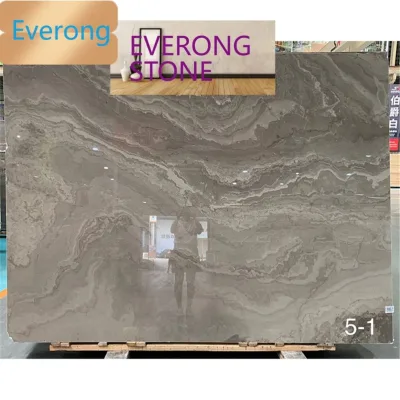
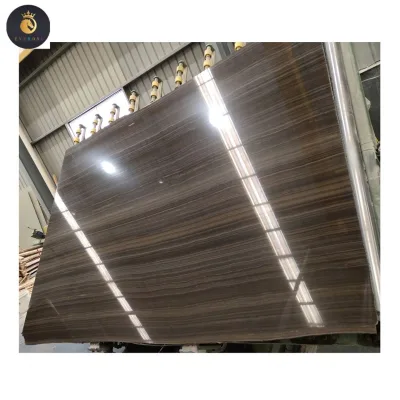
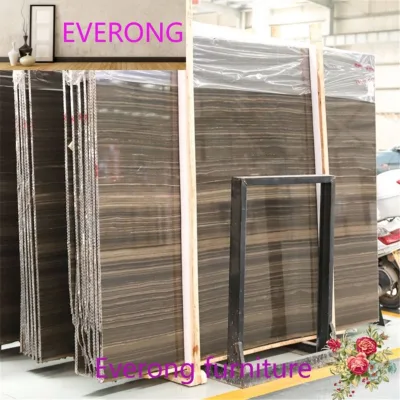


Polished Brown Obama Wood Grain Marble for Countertops, Flooring Tiles
$120.00 - $150.00
MOQ: 100 Square Meters

Polished Obama Wood Grain Marble, Brown Obama Wooden Vein Marble
$30.00 - $50.00
MOQ: 100 Square Meters

Aurora Wood Grainy, Brown Obama Wooden Vein Marble for Slabs/Wall/Flooring Tiles/Vanity Tops
$120.00 - $150.00
MOQ: 100 Square Meters

Vein & Cross Cut Brown Obama Wooden Vein Marble for Tiles, Stairs, Kitchen Countertops
$120.00 - $150.00
MOQ: 100 Square Meters


Polished Obama Wood Grain Marble, Brown Obama Wooden Vein Marble
$25.00 - $35.00
MOQ: 50 Square Meters

Polished Brown Obama Wood Grain Marble for Countertops, Flooring Tiles
$30.00 - $50.00
MOQ: 50 Square Meters

Luxury Cross Cut Brown Obama Wooden Vein Marble for Tiles, Stairs, Kitchen Countertops
$30.00 - $50.00
MOQ: 50 Square Meters

Popular Obama Wooden Vein Marble Slab for Paving, Worktop, Tiles, Countertops
$30.00 - $50.00
MOQ: 50 Square Meters

China White Wooden Stone Marble Tiles for Bathroom and Kitchen Flooring
$25.00 - $31.00
MOQ: 20 Square Meters


Eramosa Brown/Canada Obama Wooden Marble Tiles for Floor and Wall
$10.00 - $100.00
MOQ: 100 Square Meters


Chinese Hot Sales Oak White Wooden Marble Interior Floor and Wall Tiles
$120.00 - $200.00
MOQ: 100 Square Meters

Comprehensive Sourcing Guide
Strategic Sourcing Guide for Obama Wood Brown Marble Tile
Understanding the Product Profile and Variants
When initiating a procurement strategy for "Obama Wood Brown Marble Tile," buyers must first recognize that this specific nomenclature often refers to a distinct aesthetic category within the natural stone market, characterized by warm brown hues and wood-like veining patterns. However, a critical observation from current market data indicates that the term "Obama Brown Marble" is frequently associated with specific product listings originating from Italy, while similar brown marble tiles are also widely available from Chinese manufacturers under different model names such as "Eromossa Brown Marble Tile" or generic "Coffee Brown Marble." This distinction is vital for sourcing accuracy, as the origin, processing standards, and physical properties can vary significantly between these variants.
The core product profile for the Italian-sourced "Obama Brown Marble" typically presents as a slab or tile with a polished surface finish. The material is classified as natural marble, possessing a density of approximately 2.6 g/cm³, which is a standard benchmark for high-quality calcite-based stone. The available forms include both tiles and slabs, with the slab form often available in dimensions starting from 180 cm in length and width, extending up to 220 cm by 120 cm. For tile applications, standard sizes often include 60x60 cm, 30x60 cm, and 30x30 cm configurations. The thickness of these products is a crucial specification; listings indicate options ranging from 18 mm to 20 mm for specific tile models, while general marble applications often utilize a 2 cm to 3 cm thickness range.
In contrast, the Chinese-sourced variants of brown marble, such as the "Eromossa" or generic "Coffee Brown" models, share similar aesthetic goals but may differ in origin and specific processing capabilities. These products are also available in tile and slab forms, with slab sizes reaching up to 2200 mm by 1200 mm. The thickness for these specific models is noted at 18 mm, which is slightly thinner than the 20 mm option found in other listings. The surface finishing for these variants is consistently polished, with a polished degree often cited as above 85%, ensuring a high-gloss finish suitable for interior applications. The edge processing for these tiles is typically flat, though customization for countertop edges is available upon request.
Technical Specifications and Physical Properties
A rigorous evaluation of technical specifications is essential before placing a bulk order. The physical integrity of natural marble is defined by its density, porosity, and dimensional stability. For the "Obama Wood Brown Marble" and its close counterparts, the density is a primary indicator of quality, with a standard value of 2.6 g/cm³ observed in the market data. This density suggests a compact stone structure, which generally correlates with better durability and resistance to wear in high-traffic areas.
Dimensional accuracy is another critical technical parameter. The standard tile sizes of 60x60 cm and 30x60 cm are widely available, but buyers should verify the tolerance levels for these dimensions, as natural stone can exhibit slight variations. The thickness specifications vary by product line; while some listings specify 20 mm, others indicate 18 mm. This variance impacts the structural requirements for the installation substrate. For instance, a 20 mm tile may require less reinforcement than an 18 mm tile when used for flooring, depending on the span of the subfloor.
The surface finish is a defining characteristic of the product's aesthetic and functional performance. The "Polished" finish is the standard for these brown marble variants, achieving a gloss level above 85%. This high degree of polish enhances the visual depth of the brown coloration and the wood-like grain patterns. However, buyers must be aware that a polished surface can be more slippery when wet compared to a honed or flamed finish. For exterior applications or wet areas like bathrooms, the slip resistance of a polished brown marble must be carefully evaluated against safety requirements.
The material composition is strictly natural marble, which implies a calcite-based mineral structure. This composition dictates the stone's reaction to acidic substances and its susceptibility to etching. The "Obama Brown" and similar brown marbles are often marketed for their ability to blend interior and exterior decoration needs. The availability of both tile and slab forms allows for versatility in application, from small-scale wall cladding to large-scale flooring projects. The "Material Available Type" confirms that suppliers can provide tiles, small slabs, and big slabs, catering to different project scales and design requirements.
Compliance, Certification, and Origin Verification
Navigating the compliance landscape for natural stone requires careful verification of origin and certification status. The market data presents a clear divergence in product origins. The "Obama Brown Marble" is explicitly linked to an Italian origin in several listings, a region renowned for its high-quality marble quarries and traditional processing techniques. Conversely, similar brown marble products are listed with a Chinese origin, with the port of loading often cited as "Any Port of China." This distinction is not merely geographical; it often influences the perceived value, processing standards, and compliance with international trade regulations.
Regarding certifications, the provided data mentions "SGS" as a standard for product verification. SGS is a recognized third-party inspection and certification body that can verify the quality and safety of stone products. Buyers should explicitly request SGS test reports to confirm that the stone meets specific safety and environmental standards. While "CE" marking is mentioned in background knowledge as a common certification for construction materials in Europe, it should not be assumed as a guaranteed attribute for every listing without direct verification from the supplier. The presence of a "Customized orders are available" standard suggests that suppliers are flexible, but this does not automatically imply that all customization options meet specific regulatory standards without further testing.
Origin verification is critical for due diligence. If a project requires Italian marble, the buyer must ensure the supplier can provide documentation proving the stone was quarried and processed in Italy. For projects where the origin is less critical but cost is a driver, Chinese-sourced brown marble may be a viable alternative. However, the buyer must verify the specific quarry source to ensure consistency in color and texture, as natural stone from different quarries can vary significantly even within the same color family. The "Standard Tile Size" and "Standard Slab Size" listed in the data should be cross-referenced with the actual product to ensure the supplier is not misrepresenting the origin or the product type.
Cost Drivers and Procurement Economics
The economics of sourcing brown marble tiles are influenced by a complex interplay of factors, including origin, form factor, customization, and logistics. The observed price range for these products in the market spans from $10 to $200 USD, a wide variance that reflects differences in quality, origin, and processing. The lower end of this range likely corresponds to standard tiles from Chinese suppliers, while the higher end may reflect premium Italian slabs or highly customized pieces.
Minimum Order Quantity (MOQ) is a significant cost driver. The data indicates an MOQ of 300 square meters for certain listings, while other ranges show values between 2 and 500 units. This high MOQ requirement can be a barrier for smaller projects or buyers testing the market. Buyers must negotiate these terms carefully, as some suppliers may offer flexibility for sample orders or smaller batches at a premium price per unit. The "Free Sample (10x10cm)" offering is a valuable tool for cost-effective quality assessment before committing to a large order.
Logistics and delivery terms also play a crucial role in the total landed cost. The "Terms of Delivery" include FOB, CIF, CFR, CNF, and EXW, each carrying different responsibilities for shipping and insurance. For example, an EXW (Ex Works) price might appear lower but places the burden of freight and customs clearance entirely on the buyer. Conversely, CIF (Cost, Insurance, and Freight) includes these costs in the price, providing more predictability. The "Port of Loading" for Chinese products is noted as "Any Port of China," which allows for logistical flexibility but requires the buyer to manage the shipping route. The "Transportation" method is primarily by sea, which is cost-effective for heavy stone products but extends the lead time.
Production time and delivery time are additional economic factors. The "Production Time" is listed as 15-20 days, while the "Delivery Time" varies from 15 days after deposit to 20-25 days. These timelines must be factored into the project schedule to avoid delays. The "Payment" terms, typically T/T 30% or LC at Sight, require the buyer to manage cash flow and banking relationships. Understanding these financial terms is essential for negotiating favorable conditions and ensuring a smooth transaction.
Typical Applications and Design Integration
The versatility of brown marble tiles makes them suitable for a wide range of applications, from residential to commercial projects. The "Application" field in the data lists Countertop, Floor, and Wall, indicating the material's adaptability to various surfaces. The "Material Application" further specifies Flooring Tile, Wall Tile, Staircase, and Kitchen Top, highlighting its use in high-traffic and high-visibility areas.
For interior decoration, the warm brown tones of "Obama Wood Brown Marble" and similar variants provide a sophisticated and inviting atmosphere. The polished finish enhances the natural veining, making it an excellent choice for feature walls, lobby floors, and kitchen countertops. The "Materials Usage" confirms that these stones are designed for both interior and exterior decoration, though the suitability for exterior use depends on the specific climate and the stone's resistance to weathering.
The "Advantage" of 15 years of professional stone service suggests that experienced suppliers can offer valuable design consultation and installation guidance. The "Counter Top Edge" being customizable allows for unique design elements, such as bullnose, bevel, or ogee edges, which can elevate the aesthetic appeal of kitchen islands or bathroom vanities. The "Standard Tile Size" and "Standard Slab Size" options provide flexibility for different design layouts, from small mosaic patterns to large, seamless installations.
When integrating these tiles into a project, buyers should consider the lighting conditions. The high gloss of the polished surface can reflect light, brightening a space, but it may also highlight imperfections or dust. For areas with heavy foot traffic, the durability of the stone must be balanced against the aesthetic benefits. The "Material Available Type" ensures that buyers can source matching tiles and slabs for a cohesive look across different parts of a building.
Supplier Evaluation and Quality Control Protocols
Selecting the right supplier is paramount to ensuring the quality and consistency of the marble tiles. The data highlights several key attributes for supplier evaluation, including the "Factory" status (Owner), which suggests direct manufacturing capabilities and potentially better quality control. The "Brand" name "Chiva" is mentioned in one listing, but buyers should not rely on brand names alone; instead, they should verify the supplier's track record and capacity.
Quality control should begin with the sample stage. The availability of a "Free Sample (10x10cm)" allows buyers to physically inspect the color, texture, and finish before placing a large order. Buyers should compare multiple samples to ensure consistency, as natural stone can vary even within the same batch. The "Polished Degree" of above 85% is a quantifiable metric that can be used to assess the quality of the finish.
Verification of the "Standard" compliance is another critical step. The mention of "SGS" indicates that the supplier may have third-party testing capabilities. Buyers should request detailed test reports covering density, water absorption, and compressive strength. The "Customized orders are available" standard implies that the supplier can accommodate specific requirements, but the buyer must clearly define these requirements in the purchase order to avoid misunderstandings.
The "Production Time" and "Delivery Time" are indicators of the supplier's operational efficiency. A supplier with a consistent 15-20 day production time and a reliable delivery schedule is preferable to one with erratic timelines. The "Payment" terms, such as T/T 30% or LC at Sight, should be evaluated for their fairness and security. Buyers should also consider the "Terms of Delivery" to understand the logistics responsibilities and potential risks.
Long-Term Procurement and Maintenance Considerations
Sourcing natural marble is not just a one-time transaction but a long-term investment that requires ongoing maintenance and care. The "Materials Usage" for interior and exterior decoration implies that the stone will be exposed to various environmental conditions. For exterior applications, the stone's resistance to freeze-thaw cycles and UV radiation must be verified, as natural marble can degrade over time if not properly sealed.
The "Advantage" of 15 years of professional service suggests that suppliers may offer long-term support, including maintenance advice and replacement parts. Buyers should inquire about the availability of matching tiles for future repairs or expansions. The "Customized" nature of the product means that specific dimensions or finishes may be difficult to replicate if the quarry is depleted or the production line changes.
Maintenance of polished brown marble involves regular cleaning with pH-neutral cleaners to prevent etching from acidic substances. The "Edge Processing" being flat or customized should be considered in the context of cleaning and sealing. For high-traffic areas, the application of a penetrating sealer is recommended to protect the stone from stains and moisture.
The "Packaging" details, such as "Wooden Bundles" or "Wooden Crate," are crucial for protecting the stone during transit. Buyers should inspect the packaging upon delivery to ensure that the tiles have not been damaged. The "Port of Loading" and "Transportation" methods should be monitored to ensure that the stone arrives in good condition.
In conclusion, sourcing "Obama Wood Brown Marble Tile" requires a comprehensive approach that balances technical specifications, compliance, cost, and supplier reliability. By carefully evaluating the product variants, verifying certifications, and establishing robust quality control protocols, buyers can secure high-quality natural stone that meets their project requirements and aesthetic goals. The flexibility in customization and the wide range of applications make brown marble a versatile choice for modern design, provided that the procurement process is managed with diligence and attention to detail.
FAQs
What is the standard thickness for Obama Wood Brown Marble tiles?
The standard thickness for these tiles is 20mm, though 18mm options are also available for specific models. Buyers should verify the exact dimension required for their project as thickness impacts structural stability and installation requirements.
Can I get free samples of Obama Wood Brown Marble before ordering?
Yes, suppliers offer free samples measuring 10 by 10 centimeters to help verify quality. This allows buyers to inspect the polished surface and color consistency before committing to a bulk order meeting the minimum quantity.
Which surface finish is standard for this brown marble product?
The standard surface finish is polished, achieving a gloss degree above 85 percent. This high-gloss finish enhances the natural brown veining but requires careful consideration for slip resistance in wet areas or exterior applications.
What is the minimum order quantity for purchasing these marble tiles?
The typical minimum order quantity is 300 square meters for bulk purchases. Smaller projects may face higher per-unit costs or need to negotiate specific terms, as this threshold ensures efficient production and shipping logistics.
How long does production take for customized Obama Wood Brown Marble orders?
Production time generally ranges from 15 to 20 days after the deposit is received. Delivery schedules may vary slightly, with total lead times often extending to 25 days depending on the specific shipping terms and destination port.
What payment terms are accepted for these marble tile transactions?
Accepted payment methods include a 30 percent deposit via Telegraphic Transfer or a Letter of Credit at sight. These terms balance supplier security with buyer cash flow management during the production and shipping phases.