Find odour proof p-trap toilet connector for Bathrooms, Toilets, Sewer Systems
Source 30 verified listings for the odour proof p-trap toilet connector designed for bathroom and toilet installations. Buyers can compare specifications like material, warranty, and customization options from suppliers in Fujian, China.
Key considerations
Products List
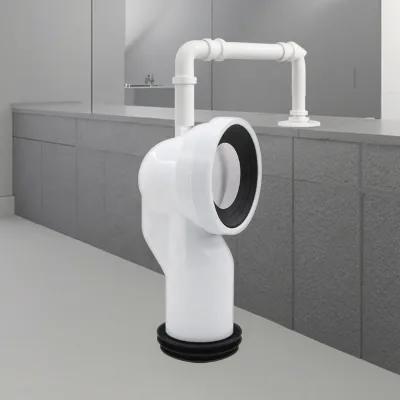
Popular P Trap Toilet WC Pan Connector S Trap Bathroom Toilet WC Pan Connector
$2.00 - $3.00
MOQ: 300 Minimum
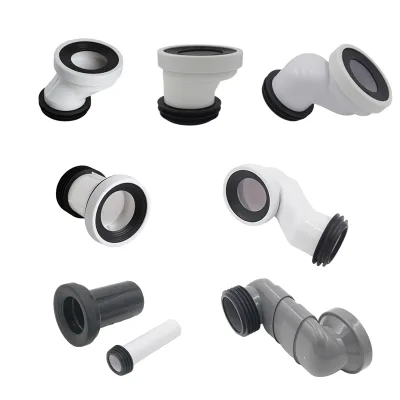
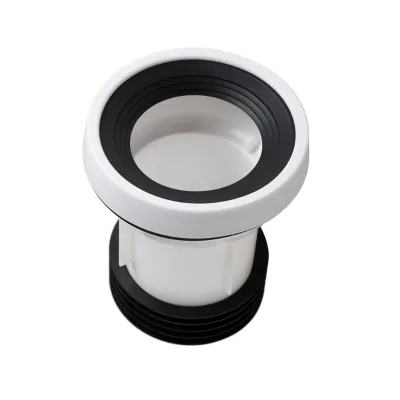
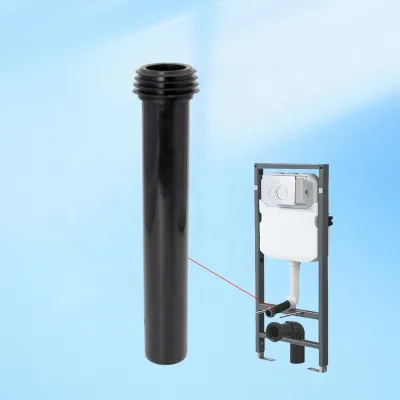


Pressure Resistant Antibacterial OEM Custom P-Trap Toilet Outlet Connector Pipe
$4.00 - $5.00
MOQ: 500 Pieces


Comprehensive Sourcing Guide
Sourcing Guide for Odour Proof P-Trap Toilet Connectors
Understanding the Core Product and Functional Requirements
When sourcing an odour proof P-trap toilet connector, buyers must first distinguish between the general category of plumbing connectors and the specific functional requirements of a P-trap design. The core keyword implies a device designed to prevent sewer gases from entering the living space while maintaining a secure connection between the toilet bowl and the waste outlet. Based on observed market data, these products are frequently categorized as "WC Pan Connectors" or "Toilet Pan Connectors" and are primarily intended for indoor toilet and bathroom installations.
The fundamental function of these connectors is to fit standard outlet sizes. Market observations indicate a specific fitment requirement for 4-inch outlets, which is a common standard for residential and commercial waste pipes. The product must effectively seal the connection to ensure it is odour-proof. This is often achieved through specific material compositions, such as Polypropylene (PP) combined with rubber gaskets, which provide the necessary flexibility and sealing integrity. The design style varies between traditional and modern aesthetics, with some products offering a polished surface treatment while others utilize a matte finish. The color palette is predominantly white, which matches standard ceramic fixtures, though black and customizable options are also available in the market.
Buyers should verify that the specific model they select aligns with the "Push Down Pop-up" style if a specific flushing mechanism is required, or a standard fixed connection if the design is purely for waste evacuation. The application is strictly for domestic wastewater, and the product is designed for indoor use only. Understanding these baseline attributes is critical before evaluating suppliers, as the "odour proof" claim relies heavily on the physical integrity of the gasket and the precision of the fitment to the 4-inch outlet.
Technical Specifications and Material Composition
The technical integrity of an odour proof P-trap toilet connector is defined by its material composition and dimensional specifications. The most common material observed in high-volume listings is Polypropylene (PP) plastic. This material is selected for its chemical resistance, durability, and ability to withstand the temperature fluctuations typical in plumbing systems. Some advanced configurations explicitly list "PP + Rubber Gasket" as the material composition, which is essential for the sealing function. The rubber gasket acts as the primary barrier against odours, compressing against the toilet outlet and the waste pipe to create a watertight and airtight seal.
Dimensional consistency is another critical technical factor. While standard lengths can vary, specific models in the market are observed to have a length of approximately 17CM. The single package size is often listed in generic terms (e.g., XX cm), indicating that buyers must request specific packaging dimensions for logistics planning. The surface treatment of the connector can range from matte to polished, which may influence the aesthetic integration with the bathroom design but does not necessarily alter the functional performance.
The model numbers associated with these products, such as TP005, TP999, and TP011, serve as unique identifiers for specific design iterations. These numbers often correlate with specific features, such as the presence of a gasket or the specific finish type. Buyers should note that while some products are described as having a "Standard" white color, customization is available for specific orders. This customization capability allows for branding or color matching, but it requires a minimum order quantity (MOQ) that may differ from standard stock items. The product is classified under the "Plumbing" type and specifically as a "Sewer Pipe" connector, indicating its role in the broader waste management system.
Compliance, Certification, and Verification Protocols
In the realm of plumbing components, compliance and certification are paramount to ensuring safety and performance. While specific certification statuses like CE are mentioned in background contexts, buyers must not assume that every listed product automatically holds these certifications without verification. The procurement process requires a rigorous check of the supplier's documentation to confirm that the product meets the relevant standards for the destination market.
Buyers should request proof of compliance with local building codes and international standards regarding sanitary ware and plumbing fixtures. The "odour proof" claim is a performance attribute that should be backed by test results or certification from recognized bodies. Since the market data does not provide specific test results or performance claims for every item, the buyer's responsibility is to ask the supplier for third-party testing reports that verify the sealing integrity and the absence of gas leakage.
Furthermore, the origin of the product plays a role in compliance. Many of these connectors are manufactured in Fujian, China, with specific production hubs in Xiamen. Buyers should verify that the manufacturing facility adheres to the quality management systems required for export to their specific region. The "Project Solution Capability" of the supplier, which may include graphic design and 3D model design, suggests that some manufacturers offer more than just a commodity product; they may provide engineering support to ensure the connector fits into complex plumbing layouts. However, this capability does not replace the need for standard product certifications.
Cost Drivers and Minimum Order Quantity Analysis
The cost structure of sourcing odour proof P-trap toilet connectors is influenced by several variables, including material costs, customization requirements, and order volume. The observed price range in the market is quite broad, spanning from $0.01 to $8.25 USD. This wide variance suggests that the price is highly dependent on the specific model, material quality (e.g., standard PP vs. PP with reinforced gaskets), and the level of customization requested.
Minimum Order Quantity (MOQ) is a significant cost driver in this category. The market data reveals a wide range of MOQs, from as low as 3 pieces to as high as 2000 pieces. Standard stock items often have lower MOQs, such as 100 or 300 pieces, while customized orders or specific model numbers like TP999 may require an MOQ of 1000 pieces. Buyers must align their procurement volume with these thresholds to avoid excessive per-unit costs or the inability to place an order.
Other factors influencing cost include the surface treatment and packaging. Products with a polished finish or those requiring PE bag packaging may have slightly different cost structures compared to standard matte-finish items. Additionally, the "Selling Units" are typically listed as single items, but bulk pricing is often negotiated based on the total volume. Buyers should be aware that while the base price might appear low, the total landed cost will include shipping, duties, and any potential costs for custom branding or design work.
Typical Applications and Installation Contexts
The primary application for these connectors is in residential and commercial toilet installations. They are designed to bridge the gap between the toilet pan and the waste outlet, ensuring a seamless transition for wastewater. The product is explicitly labeled for "Toilet" and "Bathroom" applications, and the usage is strictly for indoor environments. The "Wastewater Type" is specified as domestic wastewater, meaning these connectors are not intended for industrial or chemical waste streams.
The installation process is a key consideration for buyers. The "Feature" of "Easy Installation" is a common attribute listed for these products, suggesting that they are designed for straightforward fitting without the need for complex tools or specialized labor. The fitment to a 4-inch outlet is a standard requirement that simplifies the installation process for most existing plumbing systems. However, buyers should verify the compatibility of the connector with the specific toilet model and waste pipe configuration of their project.
The design style, whether traditional or modern, allows these connectors to blend with various bathroom aesthetics. The "Push Down Pop-up" style mentioned in some listings indicates a specific mechanism that may be relevant for certain toilet designs, while others may be fixed. The "Odour Proof" feature is critical in all applications to maintain hygiene and prevent the ingress of sewer gases, which can be a health hazard. The product is also noted for its "After-Sales Service" capabilities, including online technical support, which can be valuable during the installation phase if issues arise.
Supplier Evaluation and Quality Control Strategies
Evaluating suppliers for odour proof P-trap toilet connectors requires a multi-faceted approach that goes beyond price comparison. Buyers should prioritize suppliers who demonstrate a clear "Project Solution Capability," including the ability to provide graphic design and 3D model design services. This indicates a higher level of technical competence and the ability to support custom orders. The "Brand Name" of the supplier, such as Horing, can be a factor in brand recognition and reliability, but it should not be the sole criterion for selection.
Quality control is essential to ensure that the "odour proof" claim is valid. Buyers should request samples to test the fitment to a 4-inch outlet and the integrity of the rubber gasket. The material composition, specifically the use of PP and rubber gaskets, should be verified to ensure it matches the product description. The "Warranty" period, which can range from 2 years to more than 5 years, is another indicator of the supplier's confidence in their product quality. A longer warranty period often suggests a more robust manufacturing process and higher quality control standards.
Buyers should also assess the supplier's location and logistics capabilities. With many manufacturers located in Fujian, China, including Xiamen, buyers need to consider lead times and shipping logistics. The "Place of Origin" is a critical piece of information for supply chain planning. Additionally, the "After-Sales Service" options, such as online technical support, should be evaluated to ensure that the supplier can provide assistance if installation or performance issues occur.
Long-Term Procurement and Lifecycle Management
Long-term procurement of odour proof P-trap toilet connectors involves considerations beyond the initial purchase. The "Warranty" period, which varies from 2 years to over 5 years, is a key factor in lifecycle management. Buyers should understand the terms of the warranty and what it covers, as this can impact the total cost of ownership. A robust warranty can mitigate the risk of premature failure and reduce the need for frequent replacements.
The "Customization" availability is another long-term consideration. As design trends evolve or specific project requirements change, the ability to customize the color, finish, or branding of the connector can be valuable. However, customization often comes with higher MOQs and longer lead times, which must be factored into the procurement planning.
Finally, buyers should consider the scalability of their supply chain. As the market for these connectors is diverse, with MOQs ranging from 3 to 2000 pieces, buyers need to ensure that their supplier can scale production to meet fluctuating demand. The "Project Solution Capability" of the supplier, including their ability to handle 3D model design, can be a significant advantage for large-scale projects where precise fitment and integration are required. By focusing on these long-term factors, buyers can build a sustainable and reliable supply chain for their plumbing needs.
FAQs
What material is used for the odour proof p-trap toilet connector?
The connector is primarily made of Polypropylene (PP) plastic, often combined with a rubber gasket for sealing. Some models explicitly list PP plus a rubber gasket to ensure an airtight seal against sewer gases while maintaining durability in plumbing systems.
Which outlet size does the connector fit?
This connector is designed to fit standard 4-inch or 4 inch outlets commonly found in residential and commercial waste pipes. The fitment ensures a secure connection between the toilet bowl and the waste outlet to prevent leaks and odours.
Can I customize the color of the toilet pan connector?
Yes, customization is available for specific orders, allowing for color matching or branding beyond the standard white option. Buyers should note that customized items often require a higher minimum order quantity compared to standard stock items.
How long is the warranty period for this plumbing product?
Warranty periods vary by supplier and model, ranging from 2 years to more than 5 years. A longer warranty often indicates higher confidence in the product's sealing integrity and material durability against domestic wastewater conditions.
What is the minimum order quantity for these connectors?
Minimum order quantities vary significantly, ranging from as low as 3 pieces to as high as 2000 pieces depending on the model. Standard stock items may have lower MOQs like 100 or 300 pieces, while specific custom models often require 1000 pieces.
Where are these toilet connectors manufactured?
Most of these connectors are manufactured in Fujian, China, with specific production hubs located in Xiamen. Buyers should verify the specific place of origin to ensure it aligns with their supply chain requirements and logistics planning.