Source OE 8762059113CA Side Mirror for Cars, Trucks, SUVs
Compare 30 listings for the OE 8762059113CA Side Mirror from verified suppliers. Buyers can evaluate specifications, prices, and customization options for automotive repair and replacement needs across various vehicle types. This sourcing guide helps identify suitable parts for fleet maintenance or individual vehicle upgrades efficiently.
Key considerations
Products List
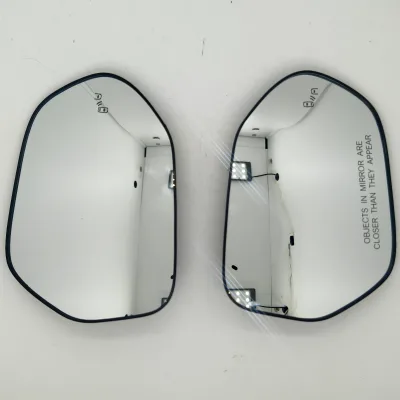
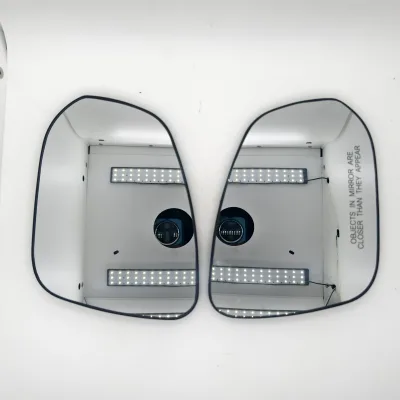
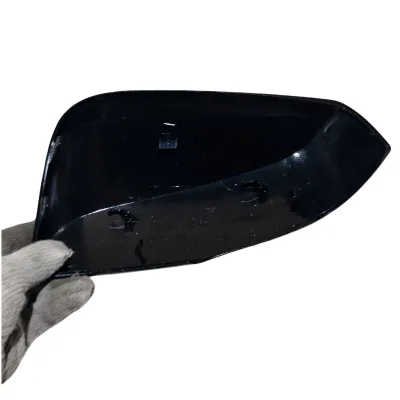
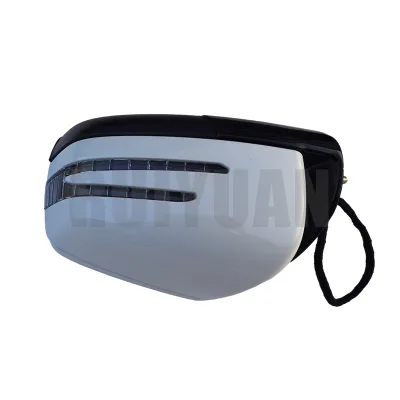


Comprehensive Sourcing Guide
OE 8762059113CA Side Mirror Sourcing Guide
Sourcing replacement side mirrors for vehicles requiring the OE 8762059113ca specification demands a rigorous approach to compatibility and quality assurance. Buyers must first confirm that the target vehicle’s make, model, and year align precisely with the mirror’s mounting geometry and electrical interface. While generic listings may claim broad compatibility, the specific part number indicates a tailored fit for particular chassis configurations. Procurement teams should verify that the replacement unit matches the original equipment’s curvature, housing shape, and connector pinout to ensure seamless integration. This initial validation prevents costly returns and installation delays, forming the foundation of a successful procurement cycle.
Beyond physical fitment, buyers must evaluate the functional equivalence of the replacement mirror, particularly if the original unit included integrated features such as turn signals, blind-spot monitoring, or heating elements. The market offers various alternatives, including manual and electrically controlled options, each with distinct operational characteristics. Sourcing guides emphasize the importance of matching the controlling type—whether manual adjustment or electrical actuation—to the vehicle’s existing wiring harness. Additionally, the mirror’s placement, whether on the left or right side, and its position relative to the vehicle body must be strictly observed. Misalignment in these attributes can compromise safety and functionality, making detailed specification verification a non-negotiable step in the sourcing process.
Product Scope and Observed Listing Signals
The current market landscape for side mirrors reveals a wide spectrum of product attributes, reflecting diverse manufacturing capabilities and target applications. Observed listings indicate a price range from $0.18 to $89.99, suggesting significant variation in material quality, feature sets, and brand positioning. Minimum order quantities (MOQs) fluctuate between 1 and 3,000 units, catering to both individual repair shops and large-scale fleet operators. Buyers should interpret these signals as indicators of market segmentation rather than direct comparisons, as a low MOQ often correlates with higher per-unit costs due to smaller production runs. Understanding these commercial signals helps procurement teams align their purchasing volume with their budgetary constraints and inventory turnover goals.
Product descriptions frequently highlight specific materials and construction methods, such as ABS plastic housings and glass mirror surfaces, which are standard for durability and optical clarity. Some listings specify advanced features like Bluetooth functionality or high-definition vision, though these claims require careful validation against the actual product specifications. The observed placement attributes indicate mirrors designed for both front and right-side installations, emphasizing the need for precise matching to the vehicle’s architecture. Furthermore, customization options are frequently advertised, allowing buyers to tailor color, size, and packaging to their specific branding or logistical needs. These signals collectively paint a picture of a flexible but complex supply chain, where due diligence is essential to navigate the variety of available options effectively.
Technical Specifications to Verify
When evaluating side mirrors, buyers must scrutinize key technical specifications to ensure performance and longevity. The mirror’s curvature radius, often cited as R1800, R1200, R450, or R125, directly impacts the field of view and image distortion. A double curvature mirror design is commonly recommended to minimize blind spots while maintaining accurate distance perception. Buyers should verify that the specified radius aligns with regulatory standards and the vehicle’s original design intent. Additionally, the mirror’s thickness, ranging from 1.8mm to 6mm, affects its structural integrity and resistance to vibration. Thicker glass may offer better durability but could add unnecessary weight, so balancing these factors is crucial for optimal vehicle performance.
Electrical and control specifications are equally critical, especially for modern vehicles with integrated mirror systems. The controlling type, whether manual or electrical, must match the vehicle’s existing infrastructure. Electrical mirrors often require specific voltage ratings and connector types, which must be cross-referenced with the vehicle’s wiring diagram. Pixel resolution, mentioned in some listings as 300 million or 1200 million, likely refers to camera-integrated mirrors, a growing trend in advanced driver-assistance systems. Buyers must confirm whether the mirror includes such technology and if it is compatible with the vehicle’s onboard computer. Furthermore, the back coating color—blue, clear, brown, or smoked—can affect glare reduction and aesthetic appeal, so selecting the appropriate option based on driving conditions is advisable.
Compliance and Safety Documentation
Compliance with international safety and quality standards is paramount when sourcing side mirrors, as these components play a vital role in vehicle safety. Certifications such as CE, ISO, FCC, ECE, and DOT are frequently cited in product listings, indicating adherence to specific regional and global regulations. Buyers must verify that the supplier can provide valid certification documents for each batch, ensuring that the mirrors meet the legal requirements for sale and installation in the target market. The CE mark, for instance, confirms conformity with health, safety, and environmental protection standards for products sold within the European Economic Area. Similarly, DOT certification is essential for mirrors intended for the North American market, ensuring they meet federal motor vehicle safety standards.
Beyond certifications, buyers should request detailed test reports and quality assurance documentation from suppliers. These documents should include results from impact resistance, vibration, and optical clarity tests, providing objective evidence of the mirror’s performance under various conditions. The presence of ISO certification suggests that the manufacturer follows standardized quality management processes, which can reduce the risk of defects and inconsistencies. However, buyers must not rely solely on the presence of these marks; they should actively engage with suppliers to understand the scope and validity of each certification. Additionally, checking for any recalls or safety notices related to the specific mirror model can prevent the procurement of potentially hazardous components, safeguarding both the buyer’s reputation and end-user safety.
Cost Drivers and Commercial Terms
Several factors influence the total cost of ownership for side mirrors, extending beyond the initial unit price. Material costs, particularly for ABS plastic and glass, fluctuate with global commodity markets, affecting the base price of the mirrors. The complexity of the manufacturing process, including the application of back coatings and the integration of electrical components, also adds to the cost. Buyers should analyze the price breakdown to understand how much of the cost is attributed to materials versus labor and overhead. Additionally, customization options, such as specific colors or packaging, may incur additional fees, so it is essential to clarify these costs upfront to avoid budget overruns.
Commercial terms, including minimum order quantities (MOQs) and payment conditions, significantly impact procurement strategy. Higher MOQs often result in lower per-unit prices due to economies of scale, but they also require greater capital investment and storage capacity. Buyers must balance these factors against their inventory management capabilities and cash flow constraints. Lead times are another critical consideration, as delays in production or shipping can disrupt supply chains and lead to vehicle downtime. Negotiating clear delivery schedules and penalty clauses for late shipments can mitigate these risks. Furthermore, understanding the supplier’s return and warranty policies is essential, as they provide a safety net against defective products and ensure long-term cost predictability.
Supplier Qualification and Quality Control
Selecting a reliable supplier is crucial for ensuring the consistent quality and timely delivery of side mirrors. Buyers should conduct thorough due diligence, including verifying the supplier’s business license, production capacity, and historical performance. Checking for third-party audits or factory inspections can provide additional assurance of the supplier’s operational standards. Suppliers located in regions known for automotive parts manufacturing, such as Guangdong or Shandong in China, may offer competitive advantages in terms of supply chain efficiency and expertise. However, buyers must also assess the supplier’s communication skills and responsiveness, as these factors are critical for resolving issues quickly and maintaining a productive partnership.
Quality control measures implemented by the supplier directly impact the reliability of the final product. Buyers should inquire about the supplier’s in-process quality checks, such as visual inspections, dimensional measurements, and functional tests. Requesting samples before placing a large order allows buyers to evaluate the mirror’s build quality, optical clarity, and fitment firsthand. Additionally, establishing a clear quality agreement that defines acceptable defect rates and remediation procedures is essential. This agreement should outline the steps to be taken if a batch fails to meet specifications, including replacement, refund, or on-site inspection. By prioritizing suppliers with robust quality control systems, buyers can minimize the risk of receiving substandard products and ensure customer satisfaction.
Long-Term Procurement Checks
Sourcing side mirrors is not a one-time transaction but an ongoing process that requires continuous monitoring and evaluation. Buyers should establish key performance indicators (KPIs) to track supplier performance, including on-time delivery rates, defect rates, and responsiveness to issues. Regularly reviewing these metrics helps identify potential problems early and allows for proactive corrective actions. Additionally, maintaining open communication with suppliers fosters a collaborative relationship, enabling both parties to address challenges and explore opportunities for improvement. This ongoing engagement is particularly important for long-term contracts, where consistency and reliability are paramount.
As technology evolves, buyers must stay informed about emerging trends in side mirror design and functionality. Innovations such as camera-based mirrors, integrated sensors, and advanced materials may offer improved safety and performance, but they also require updated compatibility checks and regulatory compliance. Buyers should periodically reassess their sourcing strategy to ensure it aligns with these developments and their organization’s evolving needs. Furthermore, diversifying the supplier base can mitigate risks associated with single-source dependencies, ensuring business continuity in the event of supply chain disruptions. By adopting a proactive and adaptive approach to procurement, buyers can secure a steady supply of high-quality side mirrors that meet their operational and safety requirements.
FAQs
What is the material composition of the side mirror?
The side mirror is constructed from ABS plastic for the housing and glass for the mirror surface. This combination ensures durability and optical clarity. The product is designed for replacement or repair purposes, offering a robust solution for vehicle maintenance needs while maintaining structural integrity under normal driving conditions.
Which certifications are available for these auto mirrors?
Available certifications include CE, ISO, FCC, ECE, and DOT standards. These credentials verify compliance with international quality and safety regulations. Buyers can select products based on specific regional requirements, ensuring that the mirrors meet the necessary legal and performance benchmarks for automotive parts in various global markets.
Can the mirror be customized for specific vehicle models?
Yes, customization is available for size, color, and model specifications. Buyers can request tailored dimensions such as 2.5-inch sizes or specific curvature radii like R1800. This flexibility allows for precise fitting across different car, truck, or motorcycle applications, ensuring optimal visibility and aesthetic integration with the target vehicle.
What is the typical packaging method for these mirrors?
Mirrors are packed in wooden crates or individual paper and carton packaging. This method protects the glass surface and ABS housing during transit. The packaging is designed to prevent damage, ensuring that products arrive in new condition. This approach supports safe handling and storage for bulk orders and international shipping logistics.
Where are these side mirrors manufactured?
These side mirrors are manufactured in Guangdong, China, and Qingdao, Shandong. These locations are known for automotive parts production. The products are new condition items intended for direct supply. Buyers can expect consistent quality from these established manufacturing hubs, which support large-scale production and efficient distribution networks for global clients.
What viewing angles are offered for the mirrors?
Viewing angles range from 120 degrees to 360 degrees depending on the model. Some variants feature double curvature mirrors for enhanced wide vision. This variety allows buyers to select mirrors that provide optimal rear visibility. The specific angle is determined by the mirror type and curvature radius, catering to different safety and visibility requirements.