Source Odor Resistant Puppy Training Pads for Pets
Find Odor Resistant Puppy Training Pads from 30 verified suppliers. Compare absorbent, leakproof, and non-woven options in various sizes. Source customized pet pads with adhesive backing for home or commercial use; compare the available evidence and request quotations based on your requirements.
Key considerations
Products List


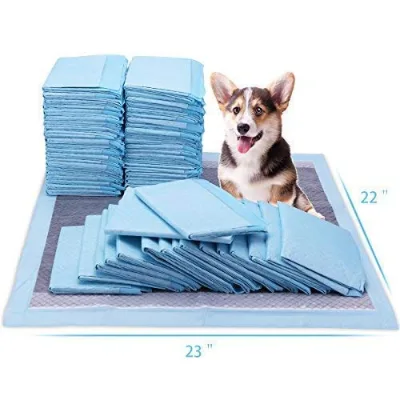

Extra Absorbent Puppy Training Pads with Gel Core, Anti-Leak Seals and Cotton-Like Texture
$0.01 - $0.02
MOQ: 30000 Pieces


Disposable Dog Training Pads with Quick-Dry Surface and Leak-Proof Protection
$0.01 - $0.02
MOQ: 30000 Pieces

Pet Urine Pads Washable Reusable Pet Training Mats Puppy Training PEE Pads for Dogs Pet Training
$0.01 - $0.02
MOQ: 30000 Pieces

Dog and Puppy Training Pads PEE Pad for House Training of Dogs Cats Rabbits and Other Pets
$0.01 - $0.02
MOQ: 30000 Pieces


Premium 6-Layer Protection Dog Training Pads with Ultra Absorbent Performance
$0.03 - $0.06
MOQ: 10000 Piece/Pieces


Comprehensive Sourcing Guide
Odor Resistant Puppy Training Pads Sourcing Guide
Procuring odor-resistant puppy training pads requires a strategic approach that balances absorbency performance with scent control technology. Buyers must prioritize products that combine high-capacity absorbent cores with antimicrobial or deodorizing layers to effectively manage waste and maintain hygiene in residential or commercial environments. The market offers various configurations, including non-woven surfaces and leak-proof designs, which cater to different training stages and pet sizes. Understanding the specific material composition and structural integrity of these pads is essential for ensuring long-term satisfaction and minimizing replacement frequency.
Commercial buyers often seek customizable options to align with brand identity or specific functional requirements. Many suppliers support OEM and ODM services, allowing for tailored sizing, packaging, and logo printing to meet diverse retail or veterinary needs. It is crucial to verify the suitability of the product for the target demographic, whether for adult care or pet training, as this influences the required absorbency levels and durability. Selecting the right supplier involves evaluating their ability to provide consistent quality across large orders while maintaining the specialized odor-resistant features that define this product category.
Product Scope and Observed Listing Signals
The observed product landscape includes a variety of pet pads designed for dogs, with specifications ranging from standard sizes like 40x60cm to larger formats such as 90x90cm. Listings indicate a strong emphasis on high absorbency, with capacities noted between 200 to 2500ml, ensuring that the pads can handle significant liquid volume without leakage. The materials predominantly feature non-woven fabrics, which provide a soft and breathable surface for pets, while the inclusion of adhesive tapes or anti-slip features enhances stability on various floor types. These signals suggest a focus on practical usability and comfort for both the pet and the owner.
Color options typically include white, blue, and pink, with some suppliers offering customized color choices to suit branding or personal preference. The packaging methods vary, with polybag packing and export-ready carton boxes being common, indicating a readiness for international shipping and retail distribution. Buyers should note that while some listings mention specific models like XLUP-C007 or ZRPET-001, the core functionality remains consistent across these variations. Understanding these observed signals helps in filtering suppliers who can meet specific size, color, and packaging requirements for your procurement needs.
Technical Specifications to Verify
When evaluating technical specifications, buyers must confirm the exact dimensions and absorbency rates of the pads to ensure they match the intended use case. Standard sizes such as 60x40cm, 60x60cm, and 60x90cm are prevalent, but custom dimensions are also available for specialized applications. It is critical to verify the core construction, which often includes a leak guard or leak-proof design to prevent accidents on floors. Additionally, the presence of soft, breathable materials and anti-leak features should be confirmed through product samples or detailed technical sheets to ensure performance under real-world conditions.
The weight and density of the pads are also important technical factors, with some listings noting weights around 0.21kg per unit, which can influence shipping costs and handling. Buyers should inquire about the specific layers within the pad, such as the top sheet, absorbent core, and bottom waterproof layer, to assess overall durability and effectiveness. Furthermore, verifying the time usage suitability, whether for day or night, can help in selecting pads with appropriate absorbency levels for extended periods. Ensuring these technical details are clearly defined prevents mismatches between supplier claims and actual product performance.
Compliance and Safety Documentation
Compliance and safety are paramount when sourcing products that come into direct contact with pets and their environments. Buyers should request documentation such as ISO and CE certifications to verify that the manufacturing processes meet international quality and safety standards. These certifications indicate that the supplier adheres to regulated practices, which is essential for maintaining product integrity and consumer trust. It is also important to ensure that the materials used, particularly the non-woven fabrics and absorbent cores, are free from harmful chemicals or irritants that could affect pet health.
In addition to general certifications, buyers may need to verify specific safety data sheets or material composition reports, especially if the pads are intended for sensitive environments or commercial use. While some listings mention CE certification, it is crucial to confirm the scope and validity of these certifications with the supplier. Ensuring that the product meets relevant regional regulations can prevent legal issues and enhance market acceptance. Proactively addressing compliance requirements demonstrates a commitment to quality and safety, which is vital for building a reliable supply chain.
Cost Drivers and Commercial Terms
Cost drivers for odor-resistant puppy training pads include material quality, absorbency capacity, and customization options. Higher absorbency rates and specialized odor-resistant technologies typically increase production costs, which are reflected in the final price. Buyers should also consider the impact of packaging choices, such as polybag versus carton box packing, on overall expenses. Additionally, the volume of the order significantly influences pricing, with larger quantities often benefiting from economies of scale. Understanding these factors helps in negotiating favorable terms and budgeting effectively for procurement.
Commercial terms such as MOQ (Minimum Order Quantity) and lead times are critical components of the sourcing process. Observed MOQ ranges vary widely, from as low as 1 unit to as high as 200,000 units, allowing flexibility for different buyer sizes. Lead times can also vary based on customization requirements and production capacity, so it is essential to clarify these details with the supplier early in the process. Establishing clear commercial terms ensures smooth transaction management and helps in planning inventory levels to meet demand without excessive stockpiling or shortages.
Supplier Qualification and Quality Control
Supplier qualification involves assessing the manufacturer's production capabilities, quality control processes, and track record in the industry. Buyers should verify the supplier's origin, with many manufacturers located in regions like Shandong and Hebei in China, known for their manufacturing expertise. It is important to request samples to evaluate the physical quality of the pads, including their absorbency, leak-proof features, and overall durability. Conducting factory audits or requesting third-party inspection reports can provide additional assurance of the supplier's reliability and adherence to quality standards.
Quality control measures should be clearly defined and agreed upon before placing orders. This includes specifying acceptance criteria for defects, packaging integrity, and product performance. Buyers should also establish a communication channel for addressing any quality issues that may arise during production or delivery. By prioritizing suppliers with robust quality control systems, buyers can minimize the risk of receiving substandard products and ensure consistent supply of high-quality odor-resistant puppy training pads. This proactive approach to supplier management is key to maintaining a stable and efficient procurement process.
Long-Term Procurement Checks
Long-term procurement success depends on continuous monitoring of supplier performance and product quality. Buyers should establish regular review cycles to assess the consistency of product specifications, delivery times, and customer feedback. This includes tracking any changes in material composition or manufacturing processes that could impact product performance. Maintaining open communication with suppliers allows for timely adjustments and fosters a collaborative relationship that can lead to improved product offerings and better pricing over time.
Additionally, buyers should stay informed about market trends and technological advancements in pet care products to ensure their procurement strategy remains competitive. This may involve exploring new suppliers or product variations that offer enhanced features or cost efficiencies. By regularly evaluating the supply chain and adapting to market changes, buyers can ensure a steady supply of high-quality odor-resistant puppy training pads that meet the evolving needs of their customers. This strategic approach to long-term procurement helps in building a resilient and responsive supply network.
FAQs
What materials are used for Odor Resistant Puppy Training Pads?
These pads typically use non-woven materials to ensure durability and comfort. Some models feature plain woven layers for added strength. The construction supports high absorbency while maintaining a soft surface for pets during day and night use.
Which sizes are available for these pet training pads?
Available sizes include M, L, XL, and XXL to fit various pet needs. Specific dimensions range from 40 by 60 cm up to 90 by 90 cm. Customized sizes are also offered to meet specific commercial buyer requirements for agility training or general use.
Can these pads be customized with a specific logo?
Yes, customization is available for branding purposes on the product surface. Some listings indicate logo printing options while others show plain designs. Buyers can request specific branding to align with their commercial buyer needs in specialty or department stores.
How much liquid can these pads absorb effectively?
The absorbent capacity ranges from 200 to 2500 ml depending on the specific model selected. This high absorbency ensures leakproof performance for extended periods. The design includes leak guards to prevent spills during heavy usage by dogs or other pets.
What packaging methods are used for shipping these pads?
Products are commonly packed in polybags or export packing cartons for safe transport. Some variants use OPP bags or carton boxes to protect the items. This packaging ensures the pads remain clean and dry until they reach the commercial buyer or e-commerce store.
Are these pads suitable for adult or pet use?
While primarily designed for pets like dogs, some specifications list suitability for adults as well. The product features include anti-slip adhesive tapes and leak-proof designs for both groups. They are versatile enough for training products or general hygiene needs.
What certifications do these manufacturers hold for production?
Manufacturers often hold ISO and CE certifications to ensure quality and safety standards. These credentials verify that the production processes meet international requirements. Buyers can rely on these certified sources for consistent product quality in the global market.