Source OEM Denza D9 Car Hood for upgrades, replacements, and styling
Find 30 listings for OEM Denza D9 Car Hood options including dry carbon fiber and standard body kits. Buyers can compare specifications, packaging details, and delivery times from verified Chinese manufacturers.
Key considerations
Products List


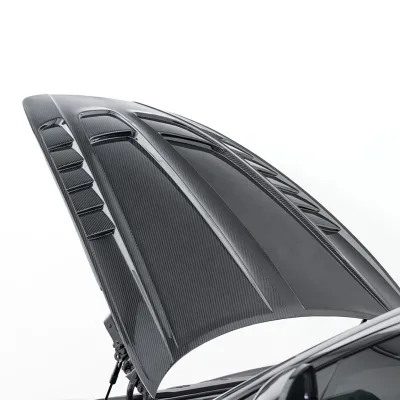
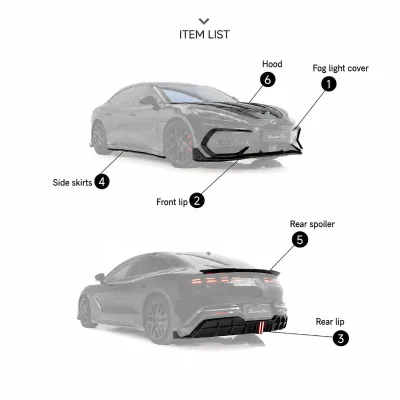
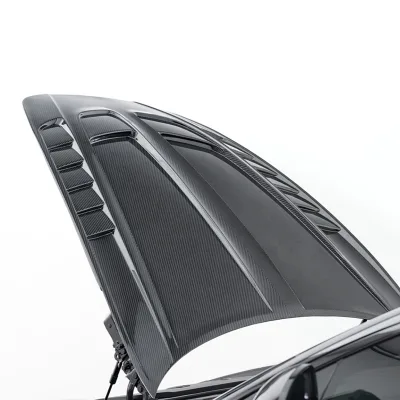
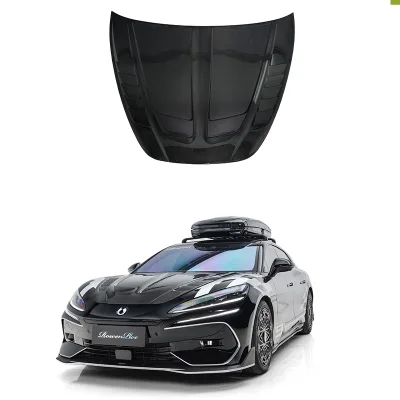
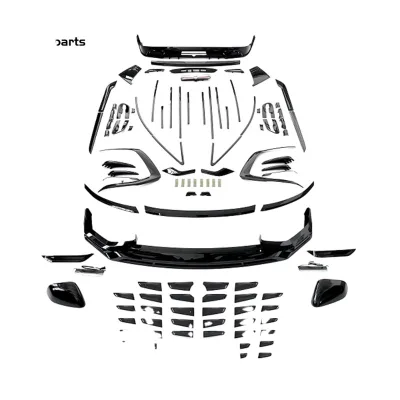
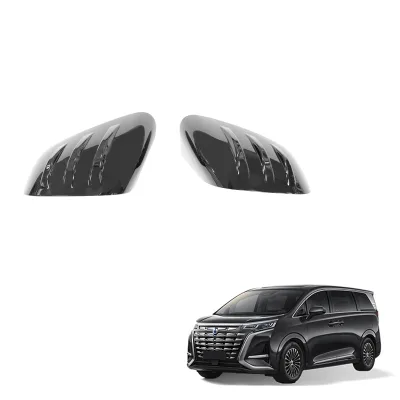
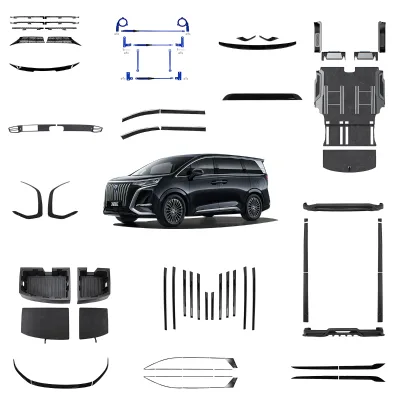
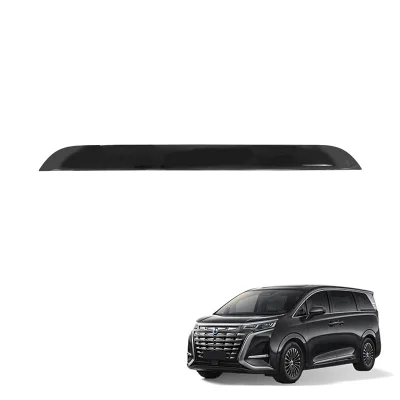
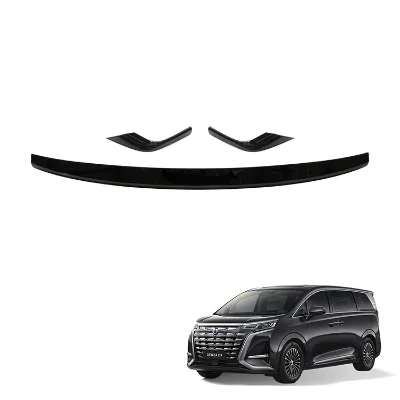
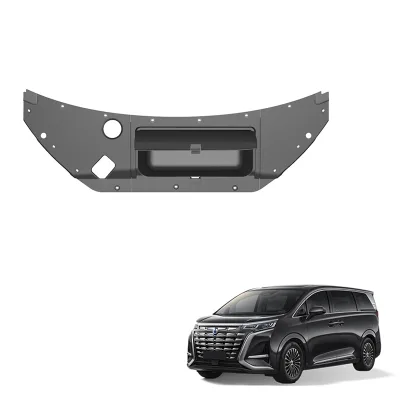
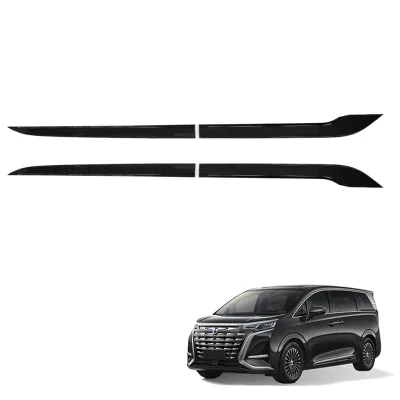
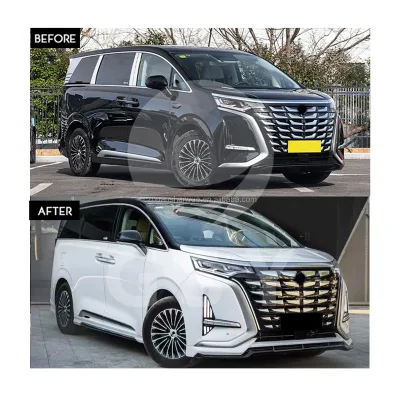
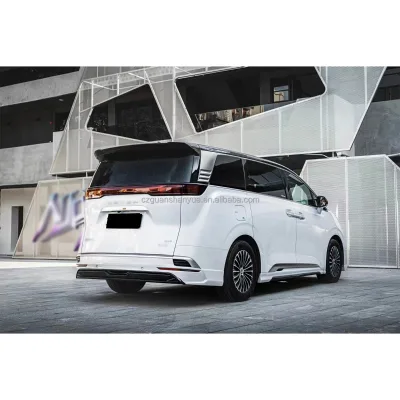
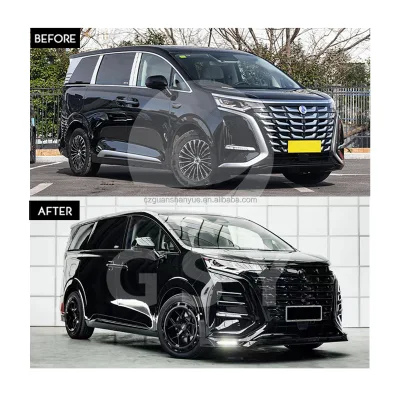
Auto Parts Byd Denza D9 Hood Car Engine Hood Bonnet for D9 N7 N9 Z9 Spare Parts
$12.00 - $356.00
MOQ: 10 Pieces





Auto Parts Hood for KIA Sportage Car 2008. High Quality. Factory Directly.
$5.00 - $100.00
MOQ: 24 Pieces


Comprehensive Sourcing Guide
Strategic Sourcing Guide for OEM Denza D9 Car Hood Components
The global automotive aftermarket for luxury electric vehicles has seen a significant surge in demand for specialized body components, particularly for high-performance models like the Denza D9. For procurement professionals and B2B buyers, sourcing an OEM Denza D9 Car Hood requires a nuanced understanding of material science, supply chain logistics, and strict adherence to fitment specifications. The current market landscape presents a diverse array of options ranging from standard replacement parts to high-end customization items. This guide provides a comprehensive framework for evaluating suppliers and products, ensuring that procurement decisions are grounded in verified data and industry best practices rather than unverified marketing claims.
Technical Specifications and Material Composition
When evaluating a Denza D9 hood, the primary technical differentiator is the material composition. The supplied product data indicates a clear bifurcation in the market between standard carbon fiber options and specialized dry carbon variants. Buyers must distinguish between generic "carbon" materials and "dry carbon," as the latter often implies a higher manufacturing process involving vacuum infusion or autoclave curing, which typically results in superior strength-to-weight ratios and surface finish. One specific product observation notes a "Dry Carbon Fiber RowenBlue Hood," suggesting that color customization and material treatment are available as distinct attributes.
The physical dimensions and packaging requirements are critical for logistics planning. The data reveals significant variance in single package sizes, ranging from compact dimensions of 90x16x55 cm to substantial crates measuring 180x125x40 cm. This variance correlates with the weight of the components, with single gross weights observed between 40.0 kg and 180.0 kg. A hood weighing 180 kg suggests a composite structure or a kit containing multiple heavy components, whereas a 40 kg unit likely represents a single, lighter panel. Procurement teams must verify the exact "Single package size" and "Single gross weight" for each SKU to calculate accurate freight costs and warehouse space requirements. The standard packing method is listed as "Carton," with some premium items requiring a "Carton Box+wooden" configuration to prevent damage during transit.
Fitment Precision and Model Compatibility
The core keyword "OEM Denza D9" implies a requirement for precise factory-level fitment. However, the available product data reveals a complex ecosystem of model compatibility. While some listings explicitly state "For Denza D9 Parts" or "Model Number: D9," other entries specify fitment for the "Z9 GT DM" or "Z9 DM." This indicates that while the core keyword targets the D9, the supply chain often includes components designed for related Denza platforms or future models like the Z9 series. Buyers must exercise extreme caution when cross-referencing these models.
The attribute "Fitment: Excellent fitting" and "Perfect Matach" (likely a typo for "Perfect Match") are common seller descriptors. However, without third-party validation, these claims should be treated as observations rather than guarantees. The "Position" is consistently listed as "Body" or "front," confirming the component's location. For a successful procurement, the buyer must verify the specific "Car Model" and "Car Fitment" against their inventory. If the requirement is strictly for the D9, any listing mentioning "Z9" or "Qin L" must be scrutinized to ensure it is not a mislabeled product intended for a different chassis. The "Purpose" is often defined as "for retrofit/upgrade," suggesting these parts are designed to replace stock components or enhance the vehicle's aesthetic and performance characteristics.
Compliance, Certification, and Quality Standards
In the realm of automotive body parts, compliance and quality assurance are paramount. The supplied facts mention a "Quality: High-Quality" attribute, but this is a subjective claim. Buyers should not rely on this descriptor alone. Instead, they must request documentation regarding the "prod_standard," which is noted as "Based on accessory size." This is a non-standard phrasing that suggests the manufacturing tolerance may vary depending on the specific dimensions of the part. A robust procurement strategy involves demanding that the supplier align their production standards with recognized international automotive safety and quality benchmarks, such as ISO 9001, even if not explicitly listed in the product summary.
Furthermore, the "Warranty" attribute is listed as "Contact Customer Service," indicating that warranty terms are not standardized across the product range. This lack of a clear warranty policy is a significant risk factor. Buyers should negotiate specific warranty clauses regarding material defects, paint adhesion, and structural integrity before finalizing orders. The "Condition" is uniformly "New," which is a baseline requirement, but the absence of specific certification marks or test results in the provided data means that buyers must conduct their own due diligence. This includes requesting material safety data sheets (MSDS) for the carbon fiber resins and verifying that the "Dry carbon" material meets fire safety regulations for automotive interiors and exteriors.
Cost Drivers and Pricing Dynamics
The pricing landscape for Denza D9 hoods is highly volatile, with an observed range from $2.53 to $5,500. This extreme disparity highlights the difference between minor accessories and major body panels. A hood priced at $5,500 likely represents a high-performance dry carbon fiber unit with complex engineering, custom painting, and premium packaging. Conversely, a lower price point may indicate a primer-ready component or a less specialized material. The "Selling Units" are listed as "Single item," suggesting that pricing is per unit rather than per set, though the "MOQ" (Minimum Order Quantity) varies from 1 to 30 sets.
Several factors drive these costs. The "Material" is a primary driver; dry carbon is significantly more expensive than standard carbon or fiberglass. The "Package" type also influences the final landed cost; wooden crate packaging adds to the material and labor expenses but reduces the risk of transit damage. Additionally, the "Delivery time" of 7-10 days suggests a relatively quick turnaround, which can command a premium over longer lead times. Buyers should analyze the total cost of ownership, including shipping, insurance, and potential customs duties, rather than focusing solely on the unit price. The "Place of Origin" is consistently "China," specifically "Guangdong" or "Guangzhou," which are major manufacturing hubs. While this offers cost advantages, it necessitates rigorous quality control to ensure consistency across different batches.
Supplier Evaluation and Verification Protocols
Evaluating suppliers for Denza D9 components requires a multi-layered approach. The "Brand Name" field in the data shows "eurocar," but this is an isolated instance and should not be generalized to all suppliers. Buyers must avoid naming specific suppliers and instead focus on evaluating the supplier's capability to meet the specific "prod_model" requirements. A critical step is verifying the "prod_prop.prod_model" consistency. If a supplier claims to offer "BYD Denza D9 Accessories" but the physical product data points to "Z9 DM," there is a discrepancy that must be resolved.
The "MOQ" of 1 Set offers flexibility for small buyers, but larger procurement volumes should leverage the ability to negotiate bulk pricing. The "Single gross weight" and "Single package size" are essential for verifying the supplier's logistics capabilities. A supplier claiming a 180 kg hood but providing packaging data for a 40 kg item is a red flag. Buyers should request photos of the actual packaging and the product in its "Carton" or "wooden" crate to verify the "prod_prop.prod_packing" claims. Additionally, the "Warranty" terms should be explicitly defined in the contract, moving beyond the generic "Contact Customer Service" statement found in product listings.
Quality Control and Long-Term Procurement Strategy
Implementing a robust quality control (QC) protocol is essential for long-term success. Given the "High-Quality" claims and the "Dry carbon" material, buyers should insist on pre-shipment inspections. These inspections should verify the "Color" (noting that "ITem 7" and "primer" are observed), the "Fitment" accuracy, and the structural integrity of the "Body kit." The "Position" and "Type" attributes must align with the vehicle's design specifications to ensure that the hood functions correctly with the vehicle's locking mechanisms and aerodynamics.
For long-term procurement, buyers should establish a relationship with suppliers who can provide consistent "prod_standard" adherence. The "Delivery time" of 7-10 days is a key performance indicator for supply chain reliability. Buyers should monitor this metric over multiple orders to ensure that the supplier can maintain speed without compromising quality. The "Purpose" of "retrofit/upgrade" suggests that these parts may be used in aftermarket modifications, which requires a higher tolerance for precision than standard OEM replacements.
Conclusion
Sourcing an OEM Denza D9 Car Hood involves navigating a complex market of materials, fitments, and logistics. The available data highlights a wide range of options, from standard carbon hoods to specialized dry carbon units with custom colors. Buyers must prioritize technical verification, ensuring that the "Material," "Size," and "Fitment" align with their specific vehicle requirements. By rigorously evaluating supplier claims against the provided specifications and maintaining strict quality control protocols, procurement professionals can secure high-quality components that meet the demands of the luxury automotive market. The key to success lies in treating product attributes as observations to be verified rather than absolute claims, thereby mitigating risk and ensuring a reliable supply chain for Denza D9 components.
FAQs
What material options are available for Denza D9 hoods?
Available materials include standard carbon and specialized dry carbon fiber. Some listings specify dry carbon fiber for premium models like the Z9 GT, while others offer generic carbon options for the D9 series.
Which Denza models are compatible with these hood components?
Products are listed for the Denza D9, Z9 DM, and Z9 GT DM models. Buyers must verify the specific car model attribute to ensure the part fits their vehicle chassis correctly.
How does the minimum order quantity affect purchasing?
The minimum order quantity ranges from 1 set to 30 sets depending on the supplier. This flexibility allows buyers to order single units for testing or larger batches for inventory restocking.
Can I find suppliers with a 7-10 day delivery time?
Yes, some suppliers offer a delivery time of 7 to 10 days for these components. This lead time is typical for orders originating from manufacturing hubs in Guangdong, China.
What packaging standards are used for shipping these parts?
Standard packaging includes cartons, while heavier items may require carton boxes with wooden crates. Packaging dimensions vary significantly, ranging from compact sizes to large crates measuring over 180 cm.
Are there specific fitment guarantees for these body kits?
Listings claim excellent fitting or perfect match attributes, but these are seller observations rather than verified guarantees. Buyers should confirm the position and fitment details against their specific vehicle requirements.