Source Office Building Elevator Inverter Card for hotels, common buildings, and public traffic
Compare 30 listings for the Office Building Elevator Inverter Card from manufacturers in Henan, China. Buyers can review specifications like voltage, speed, and protection ratings for elevators and control systems used in hotels and common buildings.
Key considerations
Products List
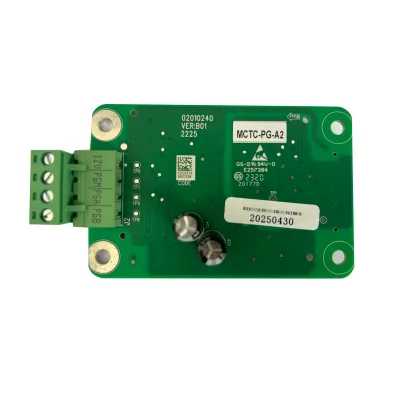
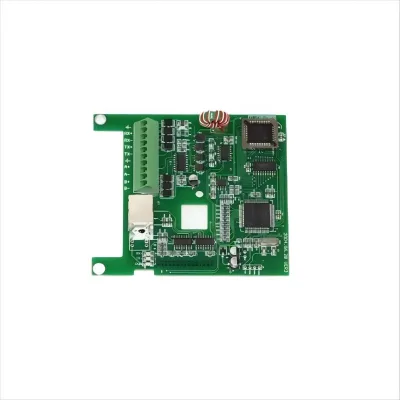
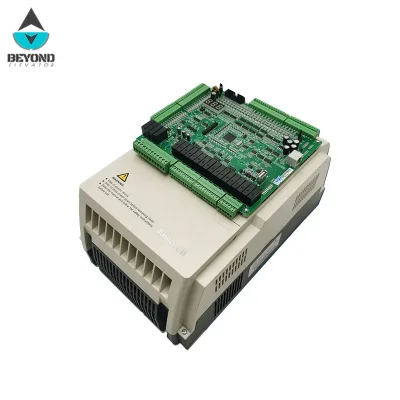
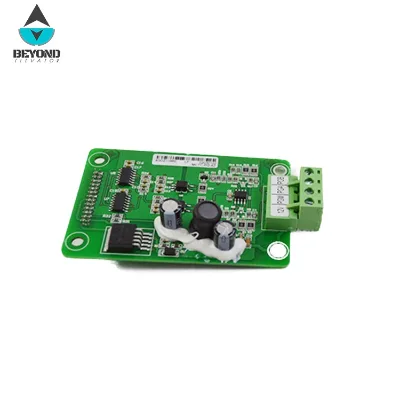
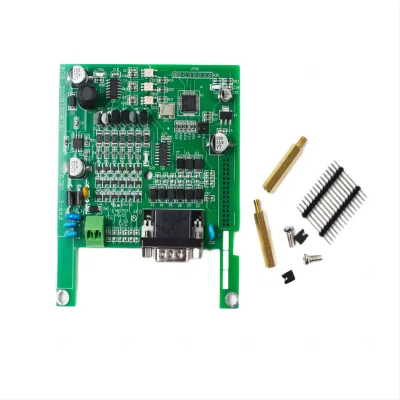


FUJI Elevator Pg Card Inverter Frequency Divider Card OPC-Lm1-Pr1 OPC-Lm1-PP L1p50100
$121.00 - $136.00
MOQ: 1 Pieces


Elevator Card System Access Control System Access Control Machine IC Card
$23.00 - $68.00
MOQ: 1 Pieces


Integrated Elevator Controller and Inverter Cabinet for Efficient Lifts
$39.99 - $119.99
MOQ: 1 Pieces


$4000.00 - $5000.00
MOQ: 1 Pieces
Comprehensive Sourcing Guide
Strategic Sourcing Guide for Office Building Elevator Inverter Cards
Understanding the Technical Landscape of Elevator Inverter Systems
When procuring elevator inverter cards for office buildings, buyers must first distinguish between complete inverter units and the specific control cards or modules that drive them. The market offers a diverse array of components, ranging from full-system inverters to specialized control parts. In the context of office building infrastructure, the primary function of these components is to regulate motor speed, ensure smooth acceleration and deceleration, and maintain precise floor leveling. The observed product landscape includes items explicitly categorized as "Elevator inverter," "Elevator control system," and "Elevator control parts."
Technical specifications vary significantly across different manufacturers and model numbers. For instance, some units are designed with specific voltage requirements, such as 380V/220V, which is critical for compatibility with the building's electrical infrastructure. The physical form factor and interface protocols are equally important; specific models like the NICE-L-H-4005 or the OPC-Lm1-Pr1/PP represent distinct architectural approaches to control logic. Buyers should note that while some products are marketed as "Elevator Door System" components, others serve as the central processing unit for the entire lift operation. The distinction between a "Metal" material construction for the housing and the internal electronic composition is vital for durability in high-traffic office environments. Furthermore, the speed capabilities of the associated system, often ranging from 1.00 to 2.00m/s in standard office applications, dictate the performance requirements of the inverter card. A mismatch in speed ratings or voltage specifications can lead to system instability, making precise technical verification the first step in the sourcing process.
Compliance Verification and Certification Standards
In the realm of elevator components, compliance and certification are not merely administrative hurdles but fundamental safety requirements. While specific certification statuses for individual listed items may vary, the industry standard for elevator components in international markets often involves adherence to rigorous safety protocols. Buyers must verify if the inverter cards meet the necessary electrical safety standards for the region where the office building is located.
The presence of certifications such as CE in the broader market context suggests a baseline for safety and environmental compliance, but this cannot be assumed for every specific listing without direct confirmation from the supplier. Procurement teams should request explicit documentation proving that the inverter card complies with local building codes and electrical safety regulations. This includes verifying the Protection class, such as IP21, which indicates the level of protection against solid objects and water ingress. For office buildings, where the equipment may be installed in shafts or machine rooms with varying environmental conditions, the IP rating is a critical metric. Additionally, buyers should inquire about the specific standards the manufacturer adheres to, such as ISO standards for quality management or specific elevator safety directives. Relying on generic claims without verified documentation poses a significant risk to the operational integrity of the elevator system.
Cost Drivers and Pricing Structure Analysis
The pricing of elevator inverter cards is influenced by a complex matrix of factors, including brand reputation, technical complexity, and supply chain logistics. The observed market data indicates a wide price range, from as low as 1 USD to as high as 8888 USD. This disparity reflects the difference between generic replacement parts and specialized, high-performance control systems from established brands.
Several key drivers influence these costs. First, the brand name plays a substantial role; components from recognized manufacturers like Yaskawa, Fuji, or Siemens typically command a premium due to their proven reliability and extensive support networks. Conversely, generic or "Other" branded items may offer lower upfront costs but could carry higher long-term risks regarding compatibility and support. Second, the level of customization available affects pricing. Products that offer "Available" customization options often require additional engineering time and tooling, which is reflected in the unit cost. Third, the packaging and logistics details, such as "Standard Export Packing Box" or specific "Carton" requirements, add to the final landed cost. Buyers should also consider the Minimum Order Quantity (MOQ), which ranges from 1 to 5 units in the observed data. While a low MOQ allows for smaller initial investments, it may result in a higher per-unit cost compared to bulk purchasing agreements. Understanding these variables helps buyers align their budget with the specific performance needs of their office building project.
Typical Applications and Operational Requirements
The application of elevator inverter cards extends beyond simple vertical transportation; they are integral to the comfort and efficiency of office building operations. The primary application identified in the market is for "common building" and "Hotel" environments, but the specific requirements for office buildings often demand higher precision and reliability. Office buildings typically experience high traffic during peak hours, requiring inverters that can handle frequent start-stop cycles without overheating or degrading.
The "Use of Occasions" for these components is often listed as "Public Traffic," which implies a need for robust performance under continuous load. The design style of the associated elevator system, often "Modern," suggests that the inverter cards must integrate seamlessly with contemporary control interfaces and user experience expectations. Furthermore, the "Project Solution Capability" of the supplier is a crucial factor; office buildings often require a "total solution for projects" rather than just a single component. This means the supplier should be able to provide not only the inverter card but also the necessary software integration, testing, and commissioning support. The "After-sale Service" offerings, such as "Online Technical Support," "Onsite Installation," and "Onsite Training," are particularly relevant for office buildings where downtime must be minimized. A supplier that can provide immediate technical assistance and on-site training ensures that the building management team can effectively maintain the system, reducing the risk of prolonged outages.
Supplier Evaluation and Brand Assessment
Selecting the right supplier is as critical as selecting the right component. The market features a mix of manufacturers, distributors, and general suppliers, each with different strengths. Buyers should prioritize suppliers who explicitly state their "Business Type" as "Manufacturer" to ensure direct access to technical expertise and quality control processes. The brand name is a significant indicator of reliability; established brands like MONARCH, BEYOND ELEVATOR, and SIEI have demonstrated track records in the industry.
When evaluating suppliers, buyers should look for a comprehensive service portfolio. The availability of "Onsite Inspection," "Onsite Installation," and "Onsite Training" services indicates a supplier's commitment to the long-term success of the project. A supplier that offers only the product without these services may leave the buyer vulnerable to installation errors or operational issues. Additionally, the "Supply Ability" of the supplier, such as the capacity to deliver 10,000 units per year, is a key metric for assessing their ability to handle large-scale projects or urgent replacement needs. The "Port of dispatch," often listed as Shanghai, provides insight into the logistics network and potential lead times. Buyers should also verify the "Warranty" terms, with a standard of 1 Year being common in the market. A longer warranty period can be a strong indicator of the supplier's confidence in their product's durability.
Quality Control and Long-Term Procurement Considerations
Ensuring the quality of elevator inverter cards requires a proactive approach to quality control and long-term planning. The "Weight" of the component, such as 1.2kg, and the "Material," typically "Metal," are basic quality indicators, but deeper verification is necessary. Buyers should request detailed test results and performance data to confirm that the inverter card meets the specific speed and voltage requirements of their building. The "Model Number" is a unique identifier that should be cross-referenced with the building's existing elevator system to ensure compatibility.
Long-term procurement considerations include the availability of spare parts and the supplier's ability to support the product over its lifecycle. The "After-sale Service" options, including "Online Technical Support," are essential for troubleshooting issues that may arise years after installation. Buyers should also consider the "Packaging Details" to ensure that the components are protected during transit, as damage during shipping can compromise the integrity of the electronic components. The "Customization" availability is another factor; if the office building has unique requirements, the ability to customize the inverter card can prevent costly retrofits later. Finally, buyers should establish a clear communication channel with the supplier to discuss future upgrades or expansions, ensuring that the procurement strategy remains flexible and adaptable to changing building needs.
Comparative Analysis of Component Options
To facilitate decision-making, buyers can compare different inverter card options based on key attributes. The following table summarizes the observed variations in the market, highlighting the diversity of available solutions.
| Attribute | Option A (Specialized Brand) | Option B (General/Universal) | Option C (OEM/Custom) |
|---|---|---|---|
| Brand Name | Yaskawa, Fuji, SIEI | General, Other, Oti* | Customizable |
| Type | Elevator Inverter, Control System | Elevator Parts, Door System | Elevator Control Parts |
| Voltage | 380V/220V | Variable | Configurable |
| MOQ | 1 - 5 Units | 1 Unit | Negotiable |
| Warranty | 1 Year | Variable | Variable |
| Support | Onsite Installation, Training | Online Support | Total Project Solution |
| Origin | China (Henan) | China | China |
This comparison illustrates that while generic options offer flexibility in terms of MOQ and price, specialized brands often provide superior support and warranty terms. The choice depends on the specific operational requirements and budget constraints of the office building project. Buyers must weigh the initial cost against the long-term value of reliability and support services.
Finalizing the Procurement Strategy
In conclusion, sourcing elevator inverter cards for office buildings requires a meticulous approach that balances technical specifications, compliance, cost, and supplier reliability. Buyers should begin by clearly defining the technical requirements, including voltage, speed, and protection ratings. Next, they must verify compliance with local safety standards and request relevant certifications. Cost analysis should consider not only the unit price but also the total cost of ownership, including logistics, installation, and maintenance. Supplier evaluation should focus on business type, brand reputation, and after-sales service capabilities. Finally, quality control measures and long-term procurement planning should be integrated into the strategy to ensure the longevity and efficiency of the elevator system. By following this structured approach, buyers can secure high-quality inverter cards that meet the demanding needs of modern office buildings.
FAQs
What is the typical warranty period for these elevator inverter cards?
The standard warranty period is 1 year for most listed products. Buyers should verify specific terms with the supplier, as warranty coverage may vary by brand and model number when purchasing for office building projects.
Which brands are available for office building elevator inverter systems?
Available brands include MONARCH, BEYOND ELEVATOR, SIEI, Yaskawa, and FUJI. Some listings also feature generic or other branded options, so buyers must match the specific model number to their existing elevator control system.
Can I find suppliers offering onsite installation and training services?
Yes, many suppliers provide onsite installation, training, and inspection services alongside online technical support. These after-sale services are critical for ensuring proper setup and maintenance of elevator inverter cards in hotel or office environments.
What is the minimum order quantity for purchasing elevator inverter parts?
The minimum order quantity ranges from 1 to 5 units depending on the supplier. Some manufacturers allow single item purchases, while others may require slightly higher volumes for specific customization or bulk pricing tiers.
How do I verify the voltage compatibility for my building?
Check the product specifications for voltage ratings like 380V/220V before ordering. Ensuring the inverter card matches your building's electrical infrastructure is essential to prevent system instability or damage to the elevator control system.
What is the typical supply capacity for elevator inverter manufacturers?
Some suppliers list a supply ability of 10000 units per year. This capacity indicates the manufacturer can handle large-scale projects or urgent replacement needs for common buildings and office towers requiring multiple inverter systems.
Are customization options available for specific elevator control requirements?
Customization is available for many elevator control parts and inverter systems. Buyers should confirm specific requirements with the supplier to ensure the product fits the unique architectural or operational needs of their office building project.