Source Oil and Vinegar Dispenser for Kitchen, Restaurant, and Market
Source 30 Oil and Vinegar Dispenser options from China, featuring ceramic and glass materials with customizable logos. Compare models like VG-K1021 and OW4-074 for kitchen, restaurant, and market use, with MOQs ranging from 50 to 5000 pieces; compare the available evidence and request quotations based on your requirements.
Updated
Key considerations
Products List

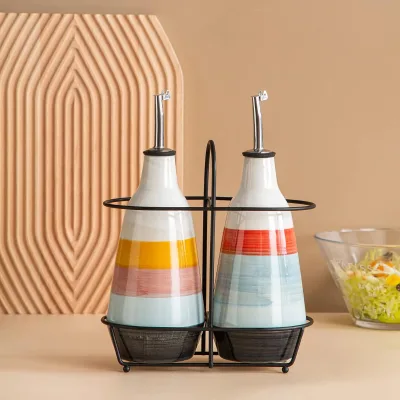
Customized Oil and Vinegar Bottle Ceramic Olive Oil and Vinegar Dispenser
$1.50 - $3.00
MOQ: 5000 Pieces

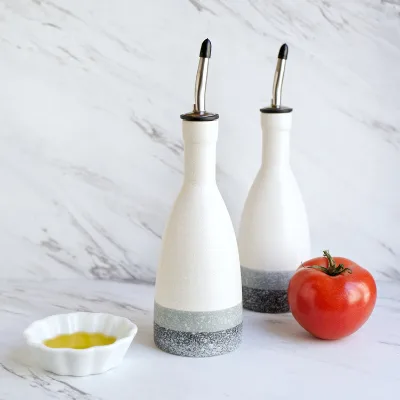
FDA LFGB Ceramic Oil Dispenser Custom Ceramic Dispenser White Black Vinegar Dispenser
$1.50 - $3.00
MOQ: 5000 Pieces
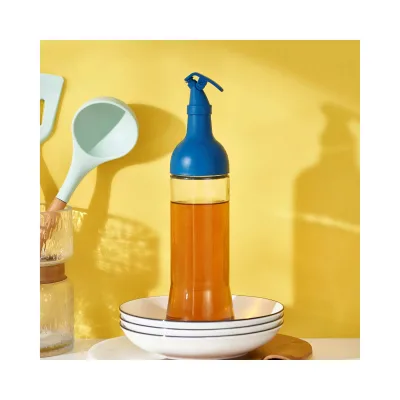
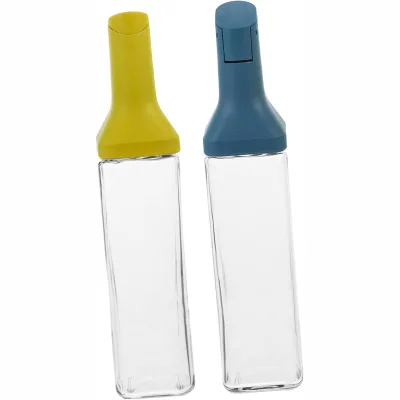
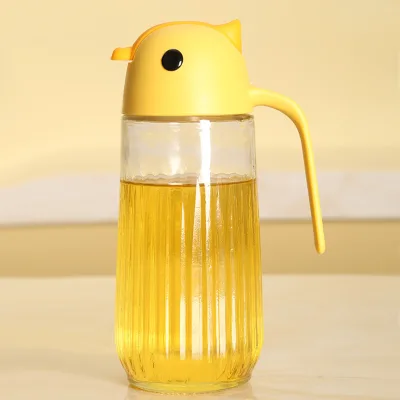
500ML Oil Dispenser Kitchen Glass Bottle Olive Oil and Vinegar Dispenser
$0.69 - $0.89
MOQ: 1000 pieces
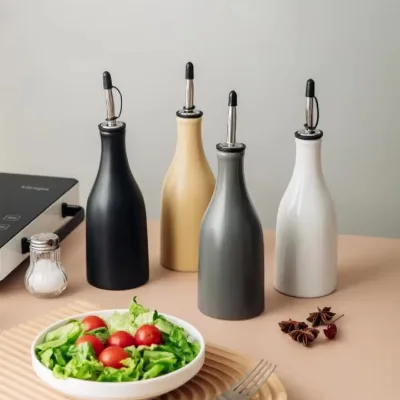
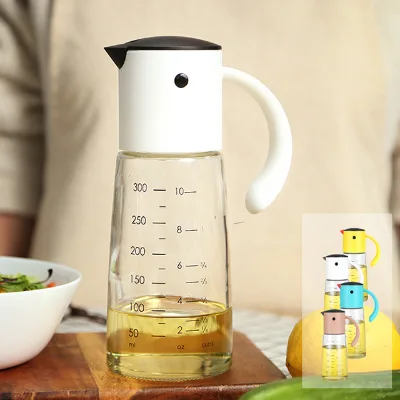
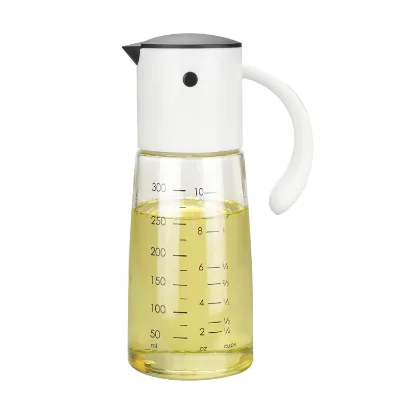


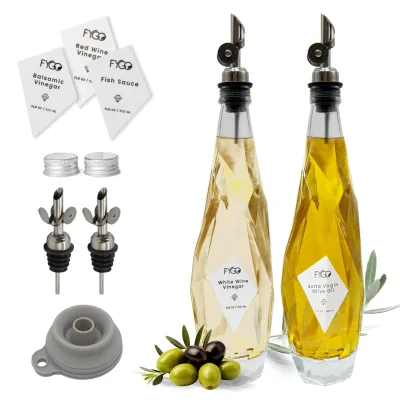
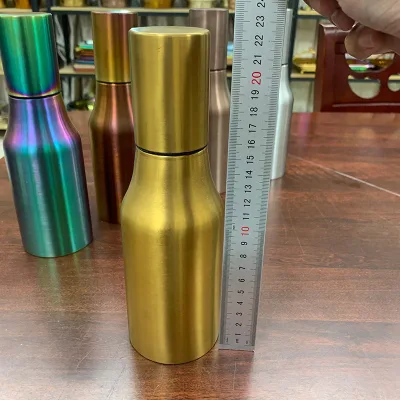

Olive Oil and Vinegar Dispenser Stainless Steel Oil Bottle Dispensers Wbb15872
$1.78 - $2.14
MOQ: 100 Pieces
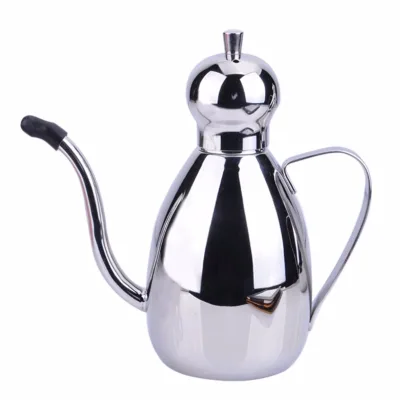


Glass Soy Sauce Vinegar Bottle Cruet 2 in 1 Olive Oil and Vinegar Dispenser
$1.77 - $2.01
MOQ: 300 Pieces
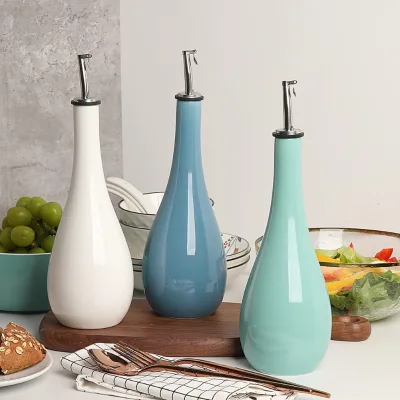


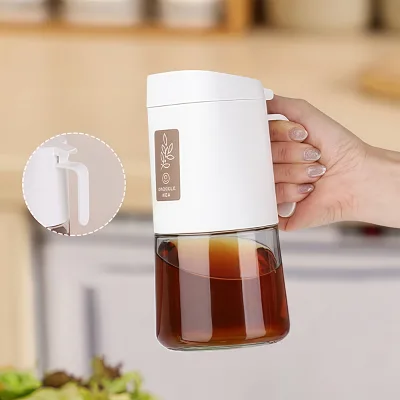


Comprehensive Sourcing Guide
Oil and Vinegar Dispenser Sourcing Guide
Procurement professionals must first distinguish between ceramic and glass construction when selecting oil and vinegar dispensers, as material properties directly impact durability and aesthetic fit. The observed market data indicates a clear split between ceramic options featuring lead-free attributes and soda-lime glass variants designed for freshness preservation. Buyers should prioritize verifying the specific material composition against their intended application environment, whether for high-traffic commercial kitchens or residential gift sets.
Commercial viability often hinges on the customization capabilities offered by manufacturers, particularly regarding logo placement and packaging design. The available product listings confirm that customization is a standard feature, allowing brands to tailor the visual identity of their dispensers for promotional events or retail distribution. Sourcing strategies should explicitly define the required customization level early to ensure the supplier can meet specific branding needs without compromising the structural integrity of the vessel.
Product Scope and Observed Listing Signals
The product scope for oil and vinegar dispensers spans diverse application scenarios including restaurants, markets, and home kitchens, requiring versatile design features. Listings reveal that these items are frequently marketed as multifunctional tools suitable for all age groups, with specific models designed for modern kitchen aesthetics. Buyers must align their selection with the intended usage scenario, noting that some units are optimized for gift promotion while others focus on heavy-duty commercial freshness preservation.
Listing signals indicate significant variation in volume capacity, ranging from 460ml to 500ml, which dictates the appropriate dispenser for specific culinary tasks. The observed data highlights that packaging configurations vary widely, with options including bulk boxes, color boxes, and custom gift packaging, each influencing the final unit cost and logistics. Procurement teams should carefully evaluate the single package dimensions and gross weight to optimize shipping efficiency and minimize damage risks during transit.
Technical Specifications to Verify
Technical verification must begin with precise dimensional analysis, as observed models range from compact 17.3cm heights to larger 24cm units with specific top and bottom diameter ratios. Buyers should confirm that the physical specifications, such as the 7.7x7.7x28cm footprint or 7.1x7.1x21.3cm dimensions, align with their storage and display requirements. Ensuring the correct model number, such as VG-K1021 or YN-1508, is critical for maintaining consistency in future reorders and replacement part availability.
Lid construction and sealing mechanisms are equally critical, with observed specifications pointing to PP and TPE material combinations for optimal functionality. The sourcing guide emphasizes the need to verify that the lid design supports the intended liquid viscosity, ensuring that oil and vinegar dispense smoothly without dripping or leaking. Additionally, the single gross weight of approximately 0.420kg to 0.700kg must be accounted for in logistics planning to prevent underestimating freight costs and handling requirements.
Compliance and Safety Documentation
Safety documentation for food-contact vessels requires rigorous verification of material safety standards, particularly regarding lead-free certifications for ceramic products. While specific certification statuses are not universally confirmed in the provided data, buyers must demand evidence that all ceramic components meet international food safety requirements to prevent chemical leaching. The absence of explicit certification claims in general listings necessitates a proactive request for test reports from the supplier before finalizing any purchase order.
For glass dispensers, compliance with soda-lime glass standards is essential to ensure thermal shock resistance and chemical inertness. Procurement teams should verify that the manufacturing process adheres to the stated quality standards, such as A-B Grade or custom requirements, to guarantee product reliability. It is imperative to confirm that the supplier can provide documentation proving the materials are safe for direct food contact, especially for products intended for long-term storage of acidic liquids like vinegar.
Cost Drivers and Commercial Terms
Cost structures are heavily influenced by the minimum order quantity (MOQ), which varies significantly from 50 pieces for smaller glass units to 1000 pieces for ceramic options. Buyers must balance their inventory needs against these thresholds, as ordering below the MOQ may result in prohibitive unit costs or refusal of the order. Understanding the specific MOQ for each material type and model is a fundamental step in developing a viable procurement budget and negotiating favorable terms.
Pricing dynamics are further affected by customization levels and packaging choices, with color box and custom gift packaging adding value but increasing the base cost. The observed price range of 0.1 to 5.66 USD suggests a wide spectrum of value propositions depending on the complexity of the design and the volume of the order. Procurement strategies should focus on leveraging volume discounts while carefully managing the trade-off between premium packaging features and overall unit economics.
Supplier Qualification and Quality Control
Supplier qualification requires a thorough assessment of their production capabilities, specifically their ability to handle factory production techniques for both ceramic and glass items. Buyers should verify that the supplier has a proven track record in manufacturing food containers with features like freshness preservation and multifunctional designs. The origin of the products, primarily from Zhejiang and China, should be cross-referenced with the supplier's facility capabilities to ensure they can meet the required production volume and quality standards.
Quality control protocols must be established to verify that the final products match the specified dimensions and material properties. Given the variation in single package sizes and gross weights, buyers should implement random sampling checks to ensure consistency across batches. It is essential to confirm that the supplier can maintain the specified quality standards, such as A-B Grade, and that they have the infrastructure to handle custom logo printing and packaging requirements without compromising product integrity.
Long-Term Procurement Checks
Long-term procurement success depends on establishing a reliable supply chain that can consistently deliver products meeting the defined technical and aesthetic specifications. Buyers should monitor the supplier's ability to maintain the observed product attributes, such as the specific model numbers and volume capacities, over multiple production cycles. Regular audits of the production line and quality control processes will help ensure that the supplier continues to meet the evolving needs of the market and the buyer's brand standards.
Sustainability and environmental considerations should also be integrated into the long-term strategy, given the eco-friendly features observed in some listings. Procurement teams should evaluate the supplier's commitment to sustainable practices, such as the use of eco-friendly materials and efficient packaging solutions. By maintaining a focus on continuous improvement and supplier performance, buyers can secure a stable supply of high-quality oil and vinegar dispensers that align with their strategic business goals.
FAQs
What materials are used for oil and vinegar dispensers?
The available products are crafted from ceramic or soda-lime glass. Ceramic options feature a modern style with a PP and TPE lid, while glass variants offer a round shape. Both materials ensure durability and suitability for kitchen environments, providing a reliable choice for storing condiments safely.
Can the logo be customized on these dispensers?
Yes, logo customization is available for these oil and vinegar dispensers. Buyers can request specific branding to suit their promotional or retail needs. This service allows for personalized marketing solutions, ensuring the product aligns with your corporate identity or gift requirements while maintaining high-quality manufacturing standards.
What is the typical volume capacity of these bottles?
The standard volume capacity is 500ML or 460ml. Some models are specified with a capacity range of 401-500ml. This size is ideal for household or restaurant use, providing sufficient storage for oils and vinegars without taking up excessive counter space, while ensuring easy handling and pouring.
What is the minimum order quantity for these products?
The minimum order quantity varies by supplier, ranging from 50 pieces to 5000 pieces. One specific listing indicates an MOQ of 1000 pieces, while another offers a lower threshold of 50 pieces. Buyers should verify the exact MOQ with the manufacturer to align with their procurement volume.
Where are these oil and vinegar dispensers manufactured?
These products originate from China, specifically from the Zhejiang region. The manufacturing process utilizes factory production techniques to ensure consistency. Sourcing from this location provides access to established supply chains and competitive pricing for ceramic and glass kitchenware items suitable for global distribution.
How are the dispensers packaged for shipping?
Packaging options include color boxes, bulk boxes, white boxes, gift boxes, or customized boxes. The standard single package size is approximately 7.7x7.7x28 cm for ceramic models. This flexible packaging ensures product protection during transit and allows for branding opportunities or bulk shipping efficiency depending on buyer requirements.