Source Oil Control Shampoo for Female for Salon, Home, and Retail
Find 30 Oil Control Shampoo for Female options featuring moisturizing, repairing, and deep cleaning formulas. Compare OEM/ODM services, packaging sizes, and herbal or chemical ingredients to identify suitable suppliers for your business needs.
Key considerations
Products List






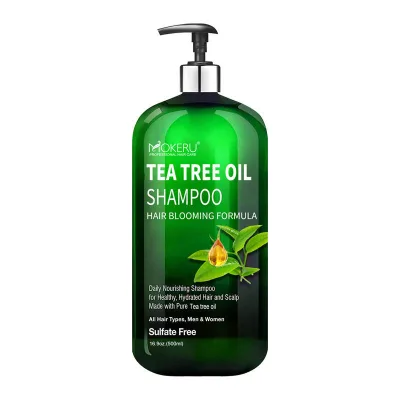
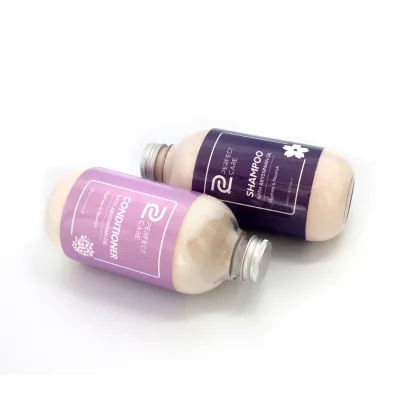
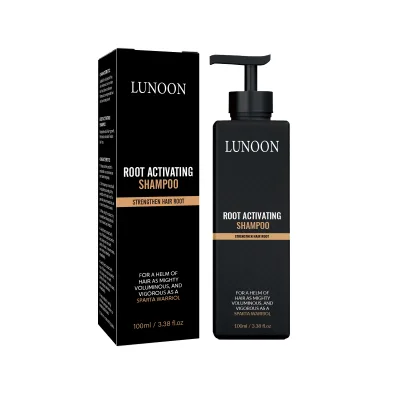

Comprehensive Sourcing Guide
Oil Control Shampoo for Female Sourcing Guide
Sourcing Oil Control Shampoo for Female consumers requires a nuanced understanding of formulation chemistry, market positioning, and supply chain reliability. The female hair care segment is highly competitive, with buyers seeking products that balance effective sebum management with gentle cleansing to maintain hair health. Procurement teams must navigate a landscape where "oil control" is often paired with claims of moisturizing, repairing, and smoothing to prevent the common side effect of over-drying. This guide provides evidence-based procurement strategies for sourcing these products, focusing on verified attributes, technical verification, and commercial due diligence.
The following sections outline the critical steps for evaluating suppliers, verifying product specifications, and ensuring compliance with international safety standards. By adhering to these guidelines, buyers can mitigate risks associated with inconsistent product quality, regulatory non-compliance, and supply chain disruptions. The focus remains on actionable insights derived from observed market data and trusted category knowledge, ensuring that procurement decisions are grounded in factual evidence rather than marketing hype.
Product Scope and Observed Listing Signals
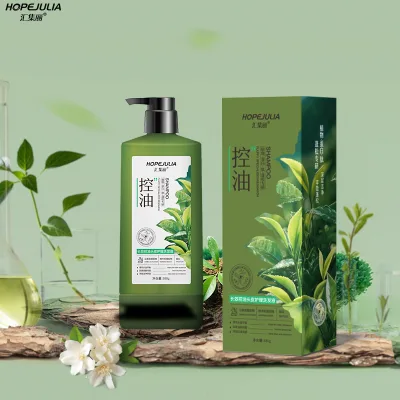
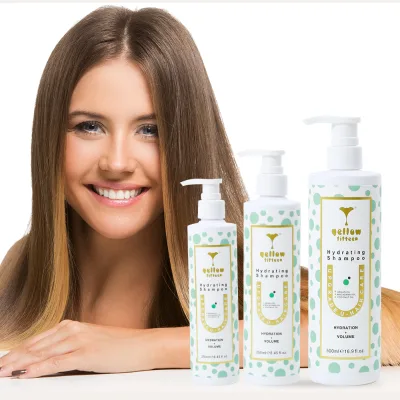
The observed product landscape for oil control shampoos reveals a diverse range of formulations, including creams, lotions, and solid bars, catering to various consumer preferences and usage scenarios. Listings indicate that products are available in multiple volumes, such as 250ml, 400ml, and 680ml, with packaging options ranging from individual boxes to bulk cartons. This variety allows buyers to select formats that align with their target market’s consumption habits, whether for daily home use or professional salon applications. The presence of both chemical and herbal ingredients suggests a market split between synthetic efficacy-focused products and natural, organic alternatives.
Key attributes observed in listings include functions such as oil control, deep cleaning, moisturizing, and repairing, often combined in multi-effect formulas. Products are frequently marketed as unisex or specifically for females, with some emphasizing features like anti-dandruff, smoothing, and straightening. The availability of customization options, including private labeling and OEM/ODM services, indicates a strong trend toward brand differentiation. Buyers should note that while "organic" and "natural" are common keywords, the actual ingredient composition varies, with some products containing chemical agents and others relying on herbal extracts.
Technical Specifications to Verify
Verifying technical specifications is crucial to ensuring that the oil control shampoo meets the desired performance criteria. Buyers should confirm the product’s form, whether it is a cream, lotion, or solid bar, as this impacts user experience and formulation stability. The ingredient profile must be scrutinized to distinguish between chemical and herbal components, ensuring that the product aligns with the brand’s positioning and consumer expectations. Additionally, the presence of specific functions such as oil control, moisturizing, and repairing should be validated through supplier documentation or third-party testing.
Packaging and volume specifications are also critical technical aspects. Listings show models ranging from 250ml to 680ml, with packaging in boxes or cartons. Buyers must verify that the stated volume matches the actual content and that the packaging is suitable for the intended distribution channel. The shelf life, often cited as 36 months, should be confirmed to ensure product stability and minimize waste. Furthermore, the origin of the product, typically Guangdong, China, should be noted for logistics planning and compliance with import regulations.
Compliance and Safety Documentation
Compliance with international safety standards is non-negotiable for oil control shampoos, especially when targeting female consumers who may have sensitive skin or specific hair care needs. Buyers must request documentation that verifies the product’s adherence to relevant cosmetic regulations, such as those in the EU, US, or other target markets. This includes certificates of analysis (COA) that detail the ingredient composition, microbial limits, and heavy metal content. Ensuring that the product is free from harmful substances is essential to avoid regulatory penalties and protect brand reputation.
In addition to safety documentation, buyers should verify that the supplier has implemented robust quality management systems. This includes checking for certifications such as ISO 22716 for Good Manufacturing Practices (GMP) in cosmetics. The supplier’s ability to provide batch-specific test results and traceability records is also critical. Buyers should inquire about the supplier’s process for handling product recalls and their commitment to continuous improvement in safety and quality. These measures help ensure that the oil control shampoo is safe for consumers and compliant with legal requirements.
Cost Drivers and Commercial Terms
The cost of oil control shampoo is influenced by several factors, including ingredient quality, formulation complexity, packaging design, and order volume. Listings indicate a wide price range, from $0.01 to $5 per unit, reflecting the diversity of products available. Buyers should be cautious of extremely low prices, as they may indicate compromised quality or hidden costs. The minimum order quantity (MOQ) also varies, ranging from 1 to 10,000 units, allowing for flexibility in initial orders and scaling. Understanding these cost drivers is essential for accurate budgeting and pricing strategy.
Commercial terms such as payment methods, delivery times, and return policies should be clearly defined in the contract. Buyers should negotiate terms that protect their interests, such as quality guarantees and penalties for non-compliance. The availability of quick delivery services, such as 7-day dispatch, can be a significant advantage for time-sensitive projects. However, buyers should also consider the reliability of the supplier’s logistics network to ensure timely delivery. Clear communication of commercial terms helps prevent disputes and ensures a smooth procurement process.
Supplier Qualification and Quality Control
Supplier qualification is a critical step in the sourcing process, requiring a thorough assessment of the supplier’s capabilities, reputation, and quality control systems. Buyers should verify the supplier’s business license, manufacturing facilities, and production capacity. Visiting the factory or conducting a virtual audit can provide valuable insights into the supplier’s operational efficiency and adherence to quality standards. Additionally, checking the supplier’s track record with other clients and their response to customer feedback can help gauge their reliability.
Quality control measures should be integrated into the procurement process to ensure consistent product quality. Buyers should establish clear quality criteria and request regular inspections during production. Implementing a sampling and testing protocol before shipment can help identify potential issues early. Buyers should also consider engaging third-party inspection services for an unbiased assessment of the product. By prioritizing supplier qualification and quality control, buyers can minimize risks and ensure that the oil control shampoo meets their standards.
Long-Term Procurement Checks
Long-term procurement success depends on continuous monitoring and evaluation of supplier performance and product quality. Buyers should establish key performance indicators (KPIs) to track metrics such as delivery times, product defect rates, and customer satisfaction. Regular reviews of these metrics can help identify areas for improvement and ensure that the supplier remains aligned with the buyer’s expectations. Building a strong relationship with the supplier through open communication and collaboration can also enhance long-term partnership stability.
Additionally, buyers should stay informed about market trends and regulatory changes that may impact the oil control shampoo category. This includes monitoring consumer preferences for natural ingredients, sustainable packaging, and new formulation technologies. Adapting to these changes can help buyers maintain a competitive edge and meet evolving consumer demands. By implementing robust long-term procurement checks, buyers can ensure a sustainable and successful sourcing strategy for Oil Control Shampoo for Female consumers.
FAQs
Can I get customized private logos for this shampoo?
Yes, customized private logos are available for this product. The supplier accepts OEM and ODM services, allowing you to apply your own branding to the packaging or bottle for a professional look.
What is the shelf life of the hair shampoo?
The shelf life of this hair shampoo is 36 months. This duration ensures the product remains effective for storage and distribution before it needs to be used by the end consumer.
Which volume options are available for this product?
Available volume options include 250ml, 400ml, and 680ml. These specifications allow buyers to select the size that best fits their target market or specific packaging requirements.
How fast can I receive the order after placing it?
You can receive the order within 7 days of placement. The supplier offers a quick delivery service to ensure timely fulfillment of your sourcing needs.
What are the main functions of this shampoo?
The main functions include moisturizing, nourishing, oil control, and smoothing. It is designed to repair hair, clean the scalp, and remove dandruff for comprehensive hair care.
Can I source this product from a factory in China?
Yes, the product originates from Guangdong, China. This location allows for direct sourcing from manufacturers who specialize in producing high-quality hair care products for export.