Source Oil-free Air Compressor Solenoid Valve for Industry, Home, Water
Compare 30 listings for the oil-free air compressor solenoid valve suitable for industrial, household, and water applications. Buyers can review specifications like working pressure, material, and actuator type to find the right fit for their needs; compare the available evidence and request quotations based on your requirements.
Updated
Key considerations
Products List
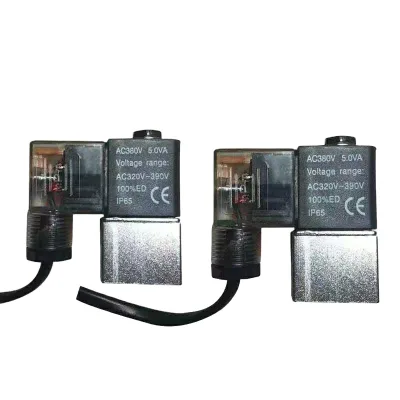


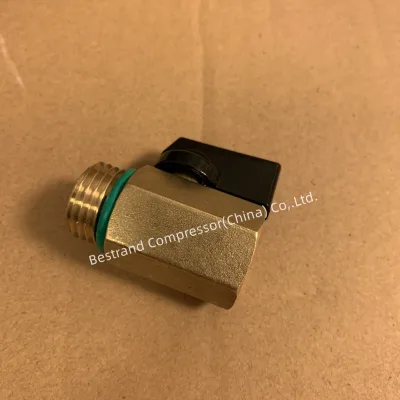


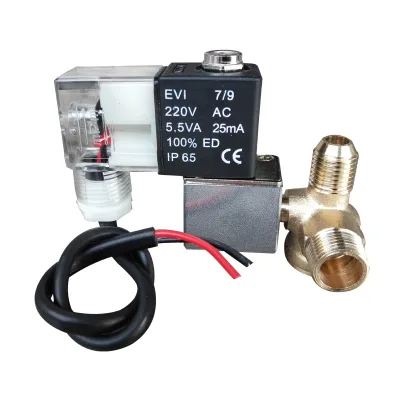


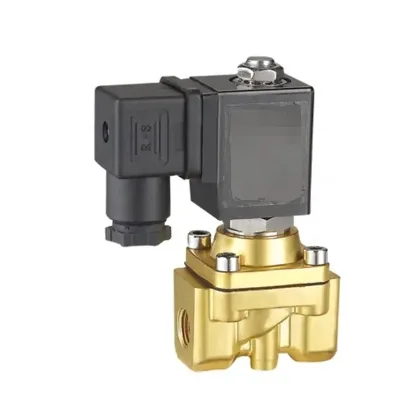
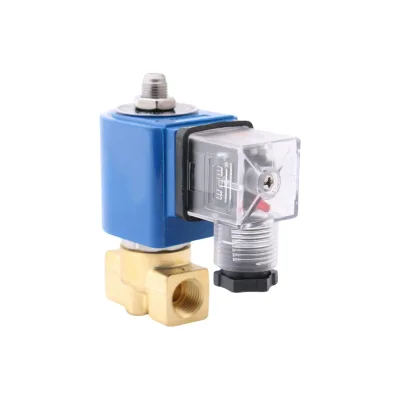
Solenoid Valve 39479803 Air Compressor Parts OEM Parts Compressor Spare Parts
$105.00 - $108.00
MOQ: 1 pieces




Comprehensive Sourcing Guide
Oil-Free Air Compressor Solenoid Valve Sourcing Guide
Sourcing solenoid valves for oil-free air compressors requires careful attention to material compatibility and actuation type, as these components directly influence system purity and operational reliability. Buyers must distinguish between pneumatic and electric actuator variants, ensuring the selected valve aligns with the specific control logic of their compressor unit. The observed market listings indicate a strong presence of brands such as HTY, alongside generic "Other brands" options, suggesting a diverse supplier base that caters to both specialized and general industrial needs.
Procurement decisions should also weigh the structural design of the valve, with direct-acting piston and diaphragm structures being common configurations. These mechanical differences affect response time and pressure handling capabilities, which are critical for maintaining consistent airflow in oil-free environments. Additionally, the working medium is strictly identified as air, and typical working pressures observed reach up to 1.6MPa, providing a baseline for evaluating valve durability under standard operating conditions without exceeding safe limits.
Product Scope and Observed Listing Signals
The current market landscape for oil-free air compressor solenoid valves reveals a wide price range, typically spanning from 1.8 to 195 USD, reflecting significant variation in quality, brand reputation, and technical specifications. Minimum order quantities (MOQs) vary considerably, ranging from single units for testing purposes to bulk orders of up to 500 pieces, allowing buyers to scale procurement according to their maintenance schedules or production volume requirements. This flexibility supports both small-scale repair operations and large-scale industrial supply chains.
Product listings frequently highlight attributes such as "New Product 2022" marketing status and specific model numbers like Q23-015K or ICV-50, which help in identifying exact replacements for existing equipment. Materials observed include iron, brass, and carbon steel, indicating that buyers must verify material suitability for their specific environmental conditions to prevent corrosion or contamination. The single package sizes are compact, often around 2.8x5.3x3.0 cm, facilitating easy storage and shipping, while gross weights remain low at approximately 0.1 kg per unit.
Technical Specifications to Verify
When evaluating technical specifications, buyers must prioritize the valve structure and actuation mechanism to ensure compatibility with their existing compressor systems. Direct-acting piston structures and direct action diaphragm structures are prevalent, each offering distinct advantages in terms of flow control and response speed. It is essential to confirm whether the valve operates on AC power supply, as this dictates the electrical integration requirements within the compressor's control panel. Mismatched actuation types can lead to operational failures or inefficient energy consumption.
Pressure ratings and temperature tolerances are critical parameters that must be verified against the compressor's operational profile. The observed working pressure of 1.6MPa serves as a reference point, but buyers should confirm if higher or lower pressure ratings are needed for specific applications. Furthermore, the valve's ability to handle ordinary temperature and pressure conditions should be assessed to ensure longevity. Customization options are available in the market, allowing for tailored solutions, but this may impact lead times and unit costs, requiring careful planning during the procurement phase.
Compliance and Safety Documentation
Compliance with international standards is a key consideration when sourcing solenoid valves for industrial applications. The DIN standard is explicitly mentioned in several listings, indicating a baseline for dimensional and performance consistency that buyers should verify. Additionally, CE certification is noted as a product standard, suggesting adherence to European health, safety, and environmental protection standards. Buyers should request documentation to confirm that the valves meet the specific regulatory requirements of their target markets, especially if exporting or importing across borders.
Machinery test reports are inconsistently available, with some suppliers providing them and others listing them as "Not Available." This discrepancy highlights the importance of requesting third-party test data or factory inspection reports to validate performance claims. Without such documentation, buyers rely on warranty terms and supplier reputation, which may not fully mitigate the risk of early failure. Ensuring that the supplier can provide evidence of rigorous quality control processes is essential for maintaining system reliability and minimizing downtime in oil-free air compressor operations.
Cost Drivers and Commercial Terms
Several factors influence the final cost of oil-free air compressor solenoid valves, including material composition, actuation type, and brand positioning. Brass and carbon steel components typically command higher prices than iron alternatives due to superior durability and corrosion resistance. Electric actuators may also be priced differently compared to pneumatic ones, depending on the complexity of the control electronics involved. Buyers should analyze the total cost of ownership, considering not just the unit price but also the expected lifespan and maintenance requirements of the valve.
Warranty terms and after-sales service provisions are significant components of the commercial agreement. Listings show warranties ranging from 3 months to 1 year, with some suppliers offering field maintenance and repair services. These services can reduce long-term operational costs by minimizing downtime and ensuring prompt resolution of issues. Buyers should negotiate clear terms regarding spare parts availability and response times, as these factors directly impact the efficiency of their air compressor systems. Supply ability, such as 1000 sets per month, also indicates the supplier's capacity to handle large orders without compromising quality or delivery schedules.
Supplier Qualification and Quality Control
Evaluating supplier qualifications is crucial for ensuring the reliability of solenoid valves in oil-free air compressor applications. Buyers should verify the supplier's production capabilities, including their supply ability and lead times, to ensure they can meet demand fluctuations. The presence of online support services indicates a level of customer engagement that can be valuable for troubleshooting and technical assistance. However, buyers must also assess the supplier's quality control processes, including whether machinery test reports are provided and how they handle customization requests.
Quality control extends to the packaging and labeling of products, which should protect the valves during transit and ensure easy identification. Listings mention packaging methods such as PP box, bag, and carton, which offer varying levels of protection. Buyers should specify packaging requirements to prevent damage during shipping. Additionally, the availability of spare parts and the supplier's commitment to after-sales service, such as field maintenance, are key indicators of their long-term reliability. Establishing a clear communication channel with the supplier can help resolve issues quickly and maintain operational continuity.
Long-Term Procurement Checks
Long-term procurement success depends on establishing robust performance monitoring and feedback loops for solenoid valves in oil-free air compressor systems. Buyers should track key performance indicators such as failure rates, response times, and energy consumption to identify potential issues early. Regular audits of supplier performance, including delivery accuracy and quality consistency, are essential for maintaining a reliable supply chain. By continuously evaluating these metrics, buyers can make informed decisions about supplier relationships and product selections.
It is also important to stay updated on technological advancements and industry standards that may affect valve performance and compliance. As oil-free air compressor technology evolves, solenoid valves may require upgrades or replacements to maintain optimal efficiency. Buyers should engage with suppliers who offer ongoing support and innovation, ensuring that their procurement strategy remains aligned with industry best practices. By prioritizing long-term partnerships and continuous improvement, buyers can enhance the reliability and efficiency of their air compressor systems over time.
FAQs
How does a direct-acting solenoid valve work in an oil-free air compressor?
A direct-acting solenoid valve opens or closes its orifice using an electromagnetic coil that moves a piston or diaphragm without needing external pressure. In oil-free air compressors, it controls air flow, drainage, emptying, or safety venting functions. Direct-acting designs respond quickly and work at ordinary pressure levels, making them suitable for compact oil-free compressor fittings and automation circuits.
What voltage options are available for oil-free air compressor solenoid valves?
Listed models are specified for 220V and 380V AC power supply, so buyers can match valves to common household or industrial electrical systems. Because the valves are AC-powered solenoid types, confirm your supply frequency and wiring before ordering. For other voltage needs, customization is available, so request the required coil specification when contacting the supplier.
What materials are used in these solenoid valves and which should I choose?
Available materials include brass, iron, and carbon steel. Brass resists corrosion and suits air, water, and general household or industrial media, while iron and carbon steel offer strength for industrial usage at lower cost. Since the working medium is air and working pressure is 1.6MPa, choose the material that matches your environment, media cleanliness, and budget requirements.
Which models and valve structures are offered for air compressor applications?
Listed products include the Q23-015K model with a direct-acting piston structure and the ICV-50 with a direct-acting diaphragm structure. Piston types are robust for flow control, while diaphragm types suit drain, emptying, and temperature or safety functions. Both use threaded connections and pneumatic or electric actuation, so select based on your compressor circuit's control function.
Can I get customized oil-free air compressor solenoid valves for my project?
Yes, customization is available for these solenoid valves. Buyers can request specific voltage ratings, connection sizes, materials such as brass or carbon steel, or packaging preferences like PP box bag carton. Because listed warranty periods range from three months to one year, confirm warranty terms and any test documentation for your customized version before placing a bulk order.
What certifications and standards do these solenoid valves meet?
Listed products reference DIN as a design standard, and CE is listed as a product standard for specific models. Some listings provide a machinery test report while others do not, so request documentation before ordering. Since compliance requirements vary by destination market, verify which certificates apply to the exact model, such as Q23-015K, that you intend to purchase.