Source Onshore Well Service Casing Coupling for Oil Pipe, Drill Pipe, Hydraulic Pip
Compare 25 Onshore Well Service Casing Coupling options from verified Chinese manufacturers. Buyers can evaluate grades like K55 and P110, thread types, and packing methods to find suitable solutions for oil pipe, drill pipe, and hydraulic pipe applications; compare the available evidence and request quotations based on your requirements.
Key considerations
Products List


API Standard Cementing Well Casing Coupling Mechanical External Casing Cutter
$3500.00 - $3800.00
MOQ: 1 Pieces


API Casing Oil Drilling Straight Joint Coupling Lifting Sub Circulating Sub
$1200.00 - $1700.00
MOQ: 1 Pieces


Comprehensive Sourcing Guide
Onshore Well Service Casing Coupling Sourcing Guide
Procuring onshore well service casing couplings requires a disciplined approach to technical verification and supplier qualification. These components are critical for connecting sections of oil country tubular goods, ensuring structural integrity under high pressure and complex downhole conditions. Buyers must prioritize suppliers who demonstrate consistent manufacturing capabilities and transparent quality documentation. The market offers a wide range of options, from standard API-compliant products to specialized custom solutions, necessitating careful evaluation of material grades and thread types.
This guide outlines the essential steps for sourcing high-quality casing couplings for onshore applications. It focuses on interpreting product listings, verifying technical specifications, and assessing supplier reliability. By adhering to these procurement principles, buyers can mitigate risks associated with premature failure, non-compliance, and supply chain disruptions. The following sections provide detailed insights into product scope, technical requirements, compliance standards, cost factors, and long-term quality management strategies.
Product Scope and Observed Listing Signals
The observed market for casing couplings includes a diverse array of products, with prices ranging from $1.22 to $3,800 USD and minimum order quantities (MOQs) varying between 1 and 2,000 units. Listings frequently highlight specific model numbers such as 9-5/8, 1.9-20 inches, and 1.315-20 inches, indicating a broad coverage of standard and non-standard sizes. Buyers should note that "customizable" sizes and models are available, allowing for tailored solutions to specific well designs. However, the wide price range suggests significant variation in material quality, manufacturing precision, and included services, requiring careful comparison of value rather than just cost.
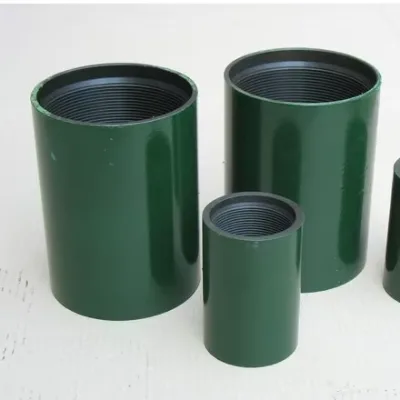
Product attributes often mention API 5CT Tubing and Casing Couplings with thread types like Nu, EU, Bc, Sc, and LC. These designations are crucial for ensuring compatibility with existing pipe inventory. Some listings also reference special thread series and materials, suggesting options for challenging environments. Packaging methods vary, including pallets with film, wooden boxes, and standard export packages, which impacts logistics and protection during transit. Buyers must verify that the listed packaging meets their storage and handling requirements to prevent damage before installation.
Technical Specifications to Verify
Technical verification begins with confirming the material grade, which is critical for withstanding downhole stresses. Common grades observed include J55, K55, N80, L80, and P110, each offering different yield strengths and toughness levels. Buyers must match the grade to the well's pressure and temperature profile. Additionally, the section shape is typically round, but dimensional accuracy is paramount. Specifications such as 11001100 and 1100900 may refer to specific coupling dimensions or standards, requiring clarification with the supplier to ensure exact fitment.
Thread connection types are another vital specification. Listings indicate connections such as API, Reg, If, Fh, and Nc, which determine how the coupling interfaces with the pipe. Buyers must ensure the selected thread type matches their operational needs and existing equipment. Furthermore, the coupling's application medium, which may include mud, water, natural gas, and crude oil, influences material selection. Corrosion-resistant options are available, and buyers should assess whether standard or specialized materials are needed for their specific fluid composition to prevent premature degradation.
Compliance and Safety Documentation
Compliance with industry standards is non-negotiable for casing couplings. The API 5CT standard is frequently cited, ensuring that products meet rigorous requirements for size, weight, and mechanical properties. Buyers should request certificates confirming API 5CT compliance, as well as ISO 9001 certification for the supplier's quality management system. These documents provide assurance that the manufacturing process is controlled and consistent. Additionally, some listings mention ISO 13679, which relates to casing and tubing for use in sour service, indicating suitability for environments with hydrogen sulfide exposure.
Safety documentation also includes machinery test reports and qualification certifications. Buyers should verify that suppliers provide detailed test results for tensile strength, hardness, and impact resistance. These reports validate that the couplings meet the specified grade requirements. Furthermore, surface treatments like spray-paint and manufacturing processes such as CNC milling contribute to product quality and longevity. Buyers must ensure that all safety and compliance documents are up-to-date and issued by recognized authorities to avoid regulatory issues during well construction.
Cost Drivers and Commercial Terms
Cost drivers for casing couplings include material costs, manufacturing complexity, and order volume. Higher-grade materials like P110 and specialized thread types typically command higher prices. The observed MOQ range of 1 to 2,000 units allows for flexibility, but larger orders may offer better unit economics. Buyers should consider the total cost of ownership, including logistics, storage, and potential replacement costs due to failure. Packaging choices, such as wooden boxes or pallets with film, also impact shipping costs and must be factored into the commercial terms.
Commercial terms should clearly define payment methods, delivery schedules, and warranty provisions. Buyers must negotiate lead times to align with their project timelines, as delays can cause significant operational disruptions. Some suppliers offer customization services, which may incur additional costs but can provide better fit and performance. It is essential to clarify who bears the risk of damage during transit and how defects are handled. Transparent pricing and clear terms help avoid unexpected expenses and ensure a smooth procurement process.
Supplier Qualification and Quality Control
Supplier qualification involves assessing manufacturing capabilities, quality control processes, and track record. Buyers should verify that suppliers have the necessary equipment, such as CNC milling machines, to produce precise couplings. The mention of core components like pumps in some listings may indicate broader manufacturing expertise, but buyers must focus on the specific capabilities for casing couplings. Quality control should include rigorous inspection at every stage, from raw material receipt to final packaging. Suppliers should provide evidence of consistent quality through test reports and certifications.
Long-term supplier relationships are built on reliability and communication. Buyers should evaluate the supplier's ability to provide consistent product quality and timely delivery. Customization availability is a positive indicator of flexibility, but buyers must ensure that custom orders meet the same quality standards as standard products. Regular audits and performance reviews can help maintain high standards. Suppliers who proactively address quality issues and provide comprehensive documentation are more likely to be reliable partners for long-term procurement needs.
Long-Term Procurement Checks
Long-term procurement checks focus on continuous improvement and risk management. Buyers should regularly review supplier performance metrics, including defect rates, delivery times, and responsiveness to issues. Monitoring market trends and technological advancements can help identify better alternatives or improvements in existing products. Buyers must stay informed about changes in industry standards and regulations to ensure ongoing compliance. Regular communication with suppliers can foster collaboration and drive innovation in product design and manufacturing processes.
Sustainability and environmental considerations are increasingly important in procurement. Buyers should assess suppliers' environmental practices and their ability to provide eco-friendly packaging or materials. Additionally, supply chain resilience is critical, especially in global markets. Diversifying suppliers and maintaining safety stock can mitigate risks associated with disruptions. By implementing robust long-term procurement strategies, buyers can ensure a steady supply of high-quality casing couplings, supporting the successful and safe operation of onshore wells.
FAQs
What grades are available for API 5CT tubing and casing coupling?
Available grades include K55, J55, L80, N80, and P110 for oil pipe applications. These materials ensure durability for complex media like mud, water, and crude oil. Customization is available to meet specific project requirements while maintaining standard API 5CT compliance for reliable performance.
Which thread types are supported for this oil pipe coupling?
Supported thread types include Nu, EU, Bc, Sc, and LC connections. The product also supports API, Reg, If, Fh, and Nc standards. These options allow for versatile usage in internal cutting tools and fluid pipes, ensuring secure connections for various drilling operations.
Can the product specifications be customized for specific needs?
Yes, customization is available for model numbers ranging from 1.9 to 20 inches. Sizes are customizable to fit specific project demands. This flexibility allows buyers to select exact dimensions while adhering to standard export packaging and API 5CT requirements for consistent quality.
What certifications do the manufacturers hold for these couplings?
Manufacturers hold API and ISO9001 certifications for quality assurance. The product qualification certification is confirmed as Yes. These credentials ensure that the alloy and cast steel materials meet rigorous international standards for use in boiler pipes and hydraulic pipelines.
How is the product packed for international shipping?
Packing options include pallets with film, wooden boxes, and standard export packages. Some items use standard packaging for protection during transit. These methods ensure the rigid, round-section products arrive safely, regardless of whether they are shipped from Puyang or Shandong Dongying.
What is the minimum order quantity for these oil pipe components?
The minimum order quantity is 5 sets for specific machinery components. General MOQ ranges from 1 to 2000 units depending on the product type. Buyers should verify specific requirements as some items may have different thresholds based on customization or material grade.
Where are these oil pipe couplings manufactured and shipped from?
Products originate from China, specifically Puyang and Shandong Dongying. These locations are known for producing API 5CT compliant tubing and casing. The manufacturing process involves CNC milling and spray-paint surface treatment to ensure long service life and corrosion resistance.