Source Rechargeable RF EMS Facial Massager for Salon Home Spa
Explore 30 listings of Rechargeable RF EMS Facial Massager devices designed for face lifting, skin tightening, and wrinkle removal. Buyers can compare specifications, certifications, and pricing from verified manufacturers in China; compare the available evidence and request quotations based on your requirements.
Key considerations
Products List

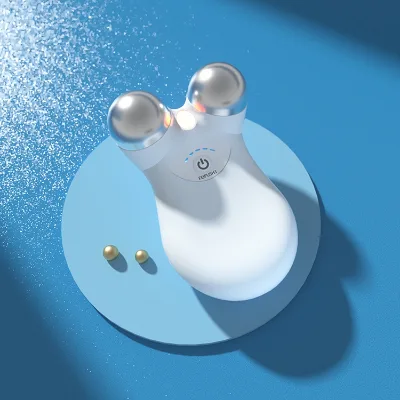


Portable Skin Tightening Face Lifting RF Machine Facial Beauty Massager
$1.00 - $35.00
MOQ: 100 Pieces


Portable Facial Massager for Skin Lifting Tightening Face Roller and Eye Massager
$18.28 - $20.78
MOQ: 10 Pieces


Hot and Cold Face Lifting Beauty Device Skin Tightening Facial Massager
$15.47 - $17.43
MOQ: 50 Pieces


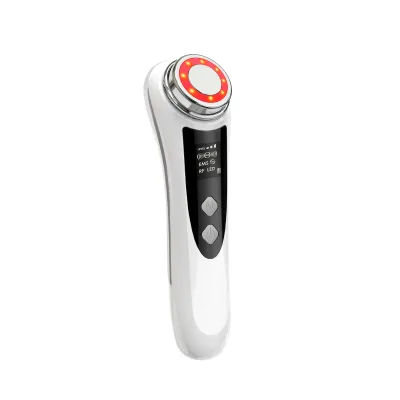
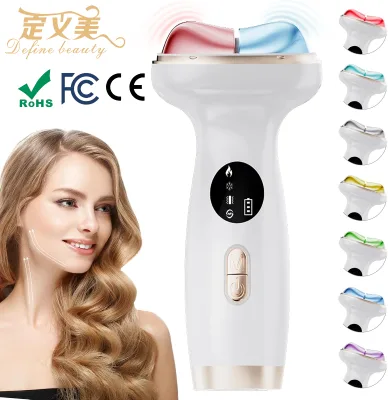

Safe Effective Skin Lift Wrinkle Removal Microcurrent Facial Lifting EMS Facial Massager
$3952.00 - $4516.00
MOQ: 1 Pieces


Time-Efficient Best Wrinkle Remover Em RF Facial Lifting Massager EMS Beauty Device
$3952.00 - $4516.00
MOQ: 1 Pieces

Double Chin Removal Massager Wrinkle Facial Lifting Skin Tightening Toning EMS
$3952.00 - $4516.00
MOQ: 1 Pieces


Light Based Face-Neck-Massager - 7 Color Portable Facial Massager for Skin Care
$6.00 - $7.00
MOQ: 20 Pieces

Handheld Rechargeable Facial Massager with Hot and Cold Infusion Function
$19.90 - $25.90
MOQ: 50 Pieces


Comprehensive Sourcing Guide
Rechargeable RF EMS Facial Massager Sourcing Guide
Procuring rechargeable RF EMS facial massagers requires a clear understanding of the dual-technology approach that defines this category. These devices combine Radio Frequency (RF) energy for deep tissue heating and collagen stimulation with Electrical Muscle Stimulation (EMS) for toning and lifting effects. Buyers must distinguish between units that prioritize one technology over the other, as this impacts clinical efficacy and user experience. The observed market includes models explicitly labeled as "RF EMS" alongside those focusing primarily on LED light therapy or microcurrent alone, necessitating careful specification verification to ensure the purchased inventory matches the intended therapeutic claims.
The target application for these devices spans both professional salon environments and home use, influencing design durability and power requirements. Observed listings indicate a strong preference for portable, handheld form factors constructed from ABS plastic or stainless steel, weighing between 54g and 300g. This weight range suggests a balance between ergonomic comfort for extended facial treatments and sufficient mass for stable hand-held operation. Buyers should evaluate whether the device’s battery capacity and heating elements are optimized for continuous commercial use or intermittent personal care, as this distinction significantly affects warranty terms and replacement part availability.
Product Scope and Observed Listing Signals
The current market landscape for rechargeable RF EMS facial massagers reveals a diverse range of product configurations, primarily centered around facial and neck rejuvenation. Observed product names frequently highlight functions such as face lifting, skin tightening, wrinkle removal, and anti-puffiness. The technology base often includes LED light therapy in red, blue, and green wavelengths, which complements the RF and EMS mechanisms by promoting skin rejuvenation and whitening. Buyers should note that while many listings claim multi-functionality, the actual intensity and frequency of the RF and EMS outputs vary widely, requiring direct supplier confirmation of technical parameters rather than relying solely on marketing titles.
Physical specifications observed in listings range from compact units measuring 130x42x23mm to slightly larger handheld devices, with packaging sizes indicating a focus on retail-ready gift boxes. The power supply is consistently rechargeable, with built-in batteries typically rated at 3.7V and capacities around 500mAh, supporting a power output of approximately 2.5W. This low-power profile aligns with safe home-use standards but may limit the depth of treatment compared to higher-wattage professional equipment. Buyers must verify if the device is non-disposable and designed for repeated use, as this impacts the total cost of ownership and the necessity for cleaning protocols in commercial settings.
Technical Specifications to Verify
When evaluating technical specifications, the heating temperature of the RF component is a critical safety and efficacy parameter. Observed data points to a maximum heating temperature of 45°C, which is a common threshold for safe at-home use to prevent thermal injury. Buyers must verify if this temperature is adjustable or fixed, as adjustable settings allow for greater customization based on skin sensitivity and treatment area. Additionally, the waterproof rating is often listed as "No," indicating that the device should not be exposed to water during operation or cleaning. This limitation requires strict adherence to usage instructions and may necessitate the procurement of separate cleaning solutions that are safe for non-waterproof electronics.
The EMS and microcurrent working modes require verification of output stability and waveform consistency, which are not always detailed in standard product listings. Buyers should request technical datasheets that specify the frequency range of the EMS pulses and the intensity levels available. Furthermore, the compatibility of the power supply with different plug types, such as US and EU standards, is essential for global distribution. The presence of a USB charging cable is standard, but the charging time and battery cycle life should be confirmed to ensure the device can sustain the required usage patterns without frequent downtime or premature battery degradation.
Compliance and Safety Documentation
Compliance with international safety standards is non-negotiable for electronic beauty devices entering global markets. Observed listings frequently cite CE, ROHS, and FCC certifications, which indicate adherence to European health, safety, and environmental protection standards, as well as US electromagnetic compatibility regulations. Buyers must verify the validity of these certificates by requesting the actual documentation from the supplier, including test reports from accredited laboratories. The presence of a certification mark alone is insufficient; the scope of the certification must explicitly cover the specific model number and voltage configuration being procured to ensure legal market access.
Warranty terms observed in the market vary, with some listings offering a one-year warranty while others provide only six months. This discrepancy highlights the importance of negotiating clear warranty terms that cover both manufacturing defects and battery performance degradation. Buyers should also inquire about the supplier’s policy on defective units and the availability of spare parts, such as replacement electrodes or charging cables. Ensuring that the product meets the electrical safety requirements of the destination country is crucial, as non-compliant devices can lead to customs seizures, liability issues, and damage to brand reputation.
Cost Drivers and Commercial Terms
The cost structure of rechargeable RF EMS facial massagers is influenced by several key factors, including the complexity of the dual-technology integration, the quality of the battery, and the materials used in the housing. ABS plastic and stainless steel are common materials, with stainless steel components often adding to the perceived premium quality and cost. Buyers should analyze the bill of materials to understand how much of the price is attributed to the electronic components versus the casing and packaging. Customization options, such as logo printing, color variations, and custom packaging, typically incur additional setup fees and may increase the minimum order quantity (MOQ).
Observed MOQ ranges from 1 to 3000 units, reflecting the flexibility of suppliers to accommodate both small trial orders and large-scale commercial purchases. However, higher volumes often unlock better unit pricing, so buyers should calculate the total landed cost, including shipping and tariffs, to determine the optimal order size. Lead times can vary based on the level of customization and the supplier’s production capacity. Buyers should establish clear communication channels to monitor production progress and ensure that delivery schedules align with their marketing campaigns or inventory replenishment cycles, avoiding stockouts or excess inventory holding costs.
Supplier Qualification and Quality Control
Supplier qualification begins with verifying the manufacturer’s production capabilities and quality management systems. Buyers should prioritize suppliers located in established manufacturing hubs, such as Guangdong, China, where the supply chain for electronic beauty devices is mature. Requesting a factory audit or video tour can provide insights into the assembly line processes, testing procedures, and packaging standards. Suppliers that offer ODM and OEM services should demonstrate a robust R&D team capable of customizing the device’s firmware, hardware, and aesthetic design to meet specific brand requirements.
Quality control protocols must be clearly defined before placing an order. Buyers should specify acceptable quality limits (AQL) for visual defects, functional failures, and battery performance. Pre-shipment inspections are recommended to verify that the products meet the agreed-upon specifications, including weight, dimensions, and packaging integrity. Additionally, buyers should request samples for independent testing to validate the device’s performance claims, such as heating uniformity and EMS intensity. Establishing a clear process for handling non-conforming goods ensures that any quality issues are resolved promptly without disrupting the supply chain.
Long-Term Procurement Checks
Long-term procurement success depends on the supplier’s ability to provide consistent product quality and after-sales support. Buyers should establish a periodic review process to assess supplier performance based on delivery reliability, product defect rates, and responsiveness to issues. Maintaining a relationship with a single supplier or a small group of qualified suppliers can facilitate better pricing and priority production during peak seasons. Regular communication regarding product updates, regulatory changes, and market trends ensures that the procured devices remain competitive and compliant with evolving industry standards.
Battery longevity is a critical factor for long-term customer satisfaction and brand loyalty. Buyers should monitor feedback from end-users regarding battery performance and plan for potential battery replacement programs or product iterations. As technology evolves, newer models with improved battery efficiency or enhanced features may become available. Buyers should stay informed about these advancements to make informed decisions about product lifecycle management and inventory rotation. By proactively managing these aspects, buyers can minimize risks and maximize the return on investment in their Rechargeable RF EMS Facial Massager inventory.
FAQs
What technology does the Rechargeable RF EMS Facial Massager use?
The device utilizes a combination of Radio Frequency and EMS microcurrent technologies alongside LED light therapy. This multi-modal approach targets facial lifting, skin tightening, and wrinkle reduction. The unit features red, blue, and green LED lights to support skin rejuvenation and whitening. It is designed for both salon and home use, offering a portable solution for anti-puffiness and firming treatments on the face and neck.
Can the Rechargeable RF EMS Facial Massager be used at home?
Yes, the device is explicitly designed for both commercial salon and home use. Its portable, hand-held form factor allows for convenient personal skincare routines. The unit is rechargeable via a built-in battery, eliminating the need for constant power connections during use. It is safe for daily application on the face and neck to help with lifting, firming, and skin rejuvenation without requiring professional supervision.
What certifications does the Rechargeable RF EMS Facial Massager have?
The product holds CE, ROHS, and FCC certifications, ensuring compliance with international safety and environmental standards. These credentials verify that the device meets rigorous requirements for electronic safety and material restrictions. Buyers can trust the quality and regulatory adherence of the equipment for both domestic and international markets. The certifications support its suitability for commercial distribution and professional beauty applications.
How long is the warranty for the Rechargeable RF EMS Facial Massager?
The warranty period is typically one year, providing coverage for manufacturing defects and functional issues. Some listings may specify a six-month warranty, so buyers should verify the specific terms with the supplier. This support ensures reliability for both home users and commercial salons. The warranty covers the device's core components, including the battery and electronic controls, ensuring long-term performance.
What is the battery specification of the Rechargeable RF EMS Facial Massager?
The device features a built-in rechargeable battery with a voltage of 3.7V and a capacity of 500mAh. This power source supports the RF, EMS, and LED functions for extended use. The unit is designed for portability, allowing users to treat the face and neck without being tethered to a power outlet. It charges via a standard USB cable, making it convenient for travel and daily home use.
Is the Rechargeable RF EMS Facial Massager waterproof?
No, the device is not waterproof. Buyers should avoid exposing the unit to water or moisture during use to prevent damage to the electronic components. The ABS material construction provides durability but does not offer water resistance. It is designed for dry use on the face and neck, ensuring safe operation for skin lifting and rejuvenation treatments without the risk of electrical hazards.