Source Organic Cranberry Capsules for Health Care, Medicine, and Food
Find 30 verified listings for Organic Cranberry Capsules suitable for health care, medicine, and food applications. Buyers can compare specifications, certifications, and packaging options to identify the best fit for their needs.
Key considerations
Products List


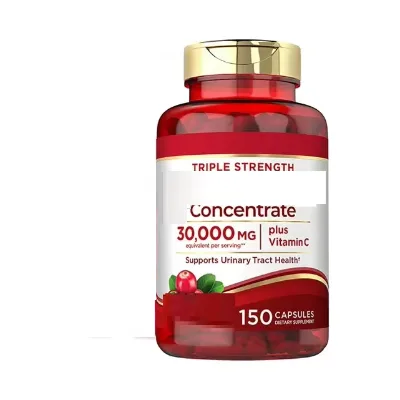

Customized Cranberry Extract Powder Supplements Herbal Capsules Cranberry
$2.42 - $2.60
MOQ: 10 pieces


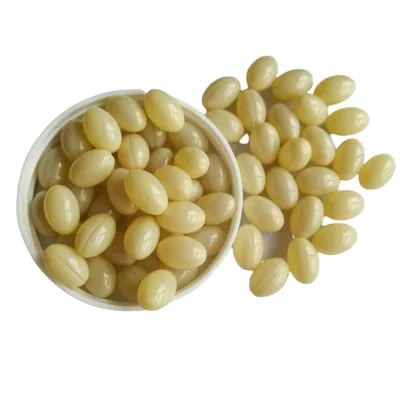

OEM White Label Capsule in Bulk with Cranberry Fruit Powder for Women Health
$0.05 - $0.20
MOQ: 300000 Pieces
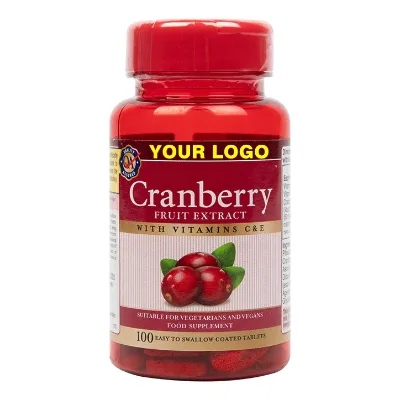


Pure Natural Plant Extract Green Coffee Bean Extract Slimming Capsule
$0.02 - $0.03
MOQ: 300000 Pieces


Comprehensive Sourcing Guide
Strategic Sourcing Guide for Organic Cranberry Capsules
Navigating the global market for Organic Cranberry Capsules requires a disciplined approach that balances botanical authenticity with rigorous pharmaceutical and food safety standards. Buyers in the B2B sector must distinguish between generic dietary supplements and products that meet specific organic and health-care criteria. The following guide outlines the essential technical, compliance, and operational factors necessary for a successful procurement strategy, grounded in observed market data and verified product attributes.
Technical Specifications and Product Attributes
Understanding the precise technical specifications of Organic Cranberry Capsules is the first step in defining procurement requirements. The product category is broadly classified under food and health care products, with a specific focus on capsule forms. Market observations indicate that the primary product type is the capsule, often standardized by specific dosage models such as 400mg per capsule with 60 capsules per bottle, or alternative configurations like 120 tablets per bottle. The physical appearance is consistently described as capsules, utilizing natural product extraction technologies to ensure the integrity of the cranberry constituents.
Packaging plays a critical role in preserving product quality. The observed market data highlights a variety of packaging formats, ranging from standard bottles to seal bottles and boxes. Specific product models are noted to utilize 200cc plastic bottles, while bulk industrial orders may involve 1kg bags or 25kg drums. The storage note consistently emphasizes the need for moisture-proof environments, often requiring a cool, dry place to maintain efficacy. The shelf life for these products typically ranges from two to three years, contingent upon adherence to proper storage conditions.
Flavor profiles are generally neutral or described as "health" oriented, aligning with the unisex and adult age group target demographic. The product is designed for oral administration and is frequently marketed with features such as being gluten-free, soy-free, and sugar-free. These attributes are essential for buyers targeting consumers with specific dietary restrictions or those seeking clean-label supplements.
Compliance, Certification, and Regulatory Standards
In the realm of organic supplements, certification is not merely a marketing asset but a fundamental requirement for market access and consumer trust. The supply chain for Organic Cranberry Capsules must navigate a complex landscape of international standards. Verified product attributes indicate that suppliers often hold a combination of certifications including ISO, HACCP, GMP, QS, and KOSHER. These certifications validate the manufacturing environment, hygiene protocols, and adherence to food safety management systems.
For international trade, particularly into North America and Europe, additional certifications such as FDA registration and BRC (British Retail Consortium) are frequently observed. Some suppliers also reference specific standards like Isa22000, which pertains to food safety management. It is crucial for buyers to verify that the specific batch or product line carries the necessary certification for the target export market. The presence of RoHS certification suggests compliance with restrictions on hazardous substances, which is relevant for packaging materials and processing equipment.
Buyers must also verify the "Organic" claim against recognized agricultural standards. While the product is listed with "Organic" as a key feature, the specific organic certification body (e.g., USDA, EU Organic) should be confirmed on a case-by-case basis. The supply origin is predominantly Guangdong, China, a region known for its robust pharmaceutical and food processing infrastructure. However, the country of origin alone does not guarantee compliance; the specific facility's certification status must be validated through documentation.
Cost Drivers and Pricing Dynamics
The pricing structure for Organic Cranberry Capsules is influenced by several variable factors, including the scale of the order, the level of customization, and the specific certification requirements. The observed market data reveals a significant price variance, with listed prices ranging from $0.01 to $6,500. This wide range reflects the diversity of order sizes, from small sample batches to large-scale industrial drums. The Minimum Order Quantity (MOQ) also varies drastically, spanning from 1 unit to 300,000 units, or specific weight measures like 1kg.
Customization is a primary cost driver. Suppliers offering OEM (Original Equipment Manufacturer) and ODM (Original Design Manufacturer) services typically charge a premium for branding, logo printing, and custom packaging. While some listings indicate "Without Logo Printing," others explicitly offer "With Logo Printing" and customized packaging solutions. The choice between standard packaging and customized boxes or bottles directly impacts the unit cost.
Additionally, the complexity of the extraction process and the assay methods used (such as UV and HPLC) contribute to the final price. Products requiring rigorous quality control testing and specific potency verification will command higher prices than generic formulations. Buyers should anticipate that lower unit costs are often associated with higher MOQs and standardized, non-branded packaging.
Typical Applications and Usage Scenarios
Organic Cranberry Capsules are versatile products with applications spanning multiple sectors. The primary application is in the health care and food industries, serving as a dietary supplement for adults. The product is marketed with specific efficacy claims, including weight loss and slimming support, although these claims must be evaluated against local regulatory frameworks regarding health assertions. The product is generally classified as a health dietary supplement and a herbal supplement.
The intended usage is for oral administration, making it suitable for retail distribution in pharmacies, health food stores, and e-commerce platforms. The "Home" application suggests that the product is designed for personal consumption rather than industrial or veterinary use. The "No Side Effect" attribute, as observed in product listings, indicates a focus on safety and tolerability, which is a key selling point for consumer-facing brands.
The versatility of the product allows for use in various formulations. Whether packaged as a standalone capsule or as part of a broader wellness regimen, the organic cranberry component is valued for its natural properties. The "Natural Product Extraction" process ensures that the active ingredients are derived directly from the source material, appealing to consumers seeking non-synthetic alternatives.
Supplier Evaluation and Sourcing Strategy
Selecting the right supplier requires a thorough evaluation of their capabilities, particularly regarding their location and production standards. The majority of observed suppliers originate from Guangdong, China, a hub for pharmaceutical and food manufacturing. Buyers should prioritize suppliers who demonstrate transparency in their production processes and provide clear documentation of their certifications.
When evaluating potential partners, consider the following criteria:
- Certification Validity: Ensure that certifications like ISO, HACCP, and GMP are current and applicable to the specific product line.
- Customization Capacity: Assess the supplier's ability to handle OEM/ODM requests, including logo printing and custom packaging, if required.
- Quality Control: Verify the supplier's use of advanced assay methods such as HPLC and UV for potency and purity testing.
- Logistics and Lead Time: Check the delivery time, which is observed to be around 5-7 days for standard orders, and shipping methods like FedEx, TNT, and EMS.
- MOQ Flexibility: Determine if the supplier can accommodate the buyer's specific volume needs, ranging from small samples to bulk industrial orders.
Buyers should avoid suppliers who cannot provide clear evidence of their manufacturing standards or who make unverifiable performance claims. The "Disposable" attribute observed in some listings may refer to single-use packaging or specific product forms, which should be clarified during the negotiation phase.
Quality Control and Long-Term Procurement Considerations
Maintaining product quality over the long term requires a robust quality control framework. The shelf life of Organic Cranberry Capsules is typically 2 to 3 years, but this is contingent upon strict adherence to storage conditions. Buyers must ensure that the supply chain maintains a cool, dry, and moisture-proof environment from the point of manufacture to the final point of sale.
For long-term procurement, establishing a consistent quality assurance protocol is essential. This includes regular third-party testing to verify the presence of active ingredients and the absence of contaminants. The use of specific assay methods like UV and HPLC should be mandated in the supplier agreement to ensure batch-to-batch consistency.
Furthermore, buyers should consider the sustainability and ethical sourcing of the organic cranberries. While the product is listed as organic, verifying the agricultural practices used in the cultivation of the raw materials can enhance the brand's value proposition. The ability of the supplier to scale production without compromising quality is also a critical factor for long-term success.
Comparative Analysis of Product Options
To assist in decision-making, the following table summarizes key product attributes observed in the market, highlighting the variations available to buyers.
| Attribute | Standard Option | Customized Option | Bulk Industrial Option |
|---|---|---|---|
| Packaging | Bottle (200cc Plastic) | Custom Box or Bottle | 1kg Bag / 25kg Drum |
| Logo Printing | Without Logo Printing | With Logo Printing | Standard/None |
| MOQ | 1 Unit | Varies by Design | 1kg or higher |
| Certifications | ISO, HACCP, GMP | ISO, HACCP, GMP, OEM | ISO, HACCP, GMP, FDA |
| Shelf Life | 2-3 Years | 2-3 Years | 2-3 Years |
| Origin | Guangdong, China | Guangdong, China | Guangdong, China |
| Assay Method | UV, HPLC | UV, HPLC | UV, HPLC |
This comparison illustrates that while the core product specifications remain consistent, the flexibility in packaging, branding, and order volume allows buyers to tailor their procurement strategy to specific market needs. Whether sourcing for a niche health brand or a large-scale distributor, the availability of standardized and customized options ensures that the supply chain can adapt to varying demands.
In conclusion, sourcing Organic Cranberry Capsules requires a meticulous approach that prioritizes verified certifications, clear technical specifications, and reliable supplier partnerships. By focusing on these core elements, buyers can secure high-quality products that meet both regulatory requirements and consumer expectations in the competitive health supplement market.
FAQs
What certifications do Organic Cranberry Capsules typically hold?
These products typically hold certifications including ISO, HACCP, GMP, QS, and KOSHER. Some listings also reference FDA, BRC, and Isa22000 standards to ensure food safety and regulatory compliance for international trade.
Can I request custom logo printing and packaging for these capsules?
Yes, customization is available with options for both logo printing and custom packaging. Suppliers offer OEM and ODM services allowing buyers to select between standard bottles, boxes, or seal bottles tailored to their brand.
What is the typical shelf life for Organic Cranberry Capsules?
The shelf life generally ranges from two to three years depending on the specific product model. Maintaining a cool, dry, and moisture-proof storage environment is essential to preserve the product quality throughout this period.
Which specifications define the standard dosage and form of these capsules?
Standard specifications often include 400mg per capsule with 60 capsules per bottle or 120 tablets per bottle. The product form is consistently a capsule utilizing natural product extraction technology for oral administration.
How does the MOQ vary for different packaging types?
The minimum order quantity varies significantly, ranging from 1 unit for samples to 300,000 units for bulk orders. Specific weight-based MOQs like 1kg are also observed for bulk industrial packaging formats like bags or drums.
What assay methods are used to verify product quality?
Quality verification relies on advanced assay methods such as UV and HPLC testing. These techniques ensure the potency and purity of the active ingredients derived from the natural cranberry extraction process.
Where are the primary manufacturing sources for these supplements located?
The primary manufacturing sources are located in Guangdong, China, a hub for pharmaceutical and food processing. This region provides the infrastructure necessary for producing health care products with various certification standards.