Source Organic Cotton Biodegradable Tampons for Daily, Night, and Ultra Thin Use
Source Organic Cotton Biodegradable Tampons from 30 verified listings. Compare features like winged or wingless designs, super absorbent cotton cores, and OEM branding options for female hygiene products.
Key considerations
Products List


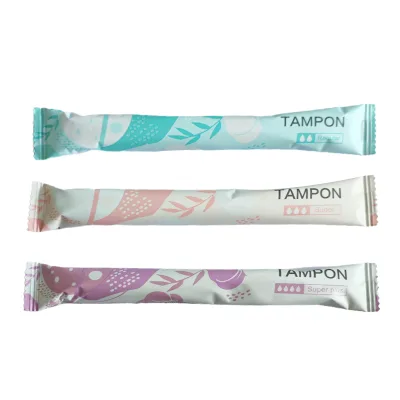
Organic Comfortable Regular Disposable Tampon Cotton, Feminine Hygiene Tampons
$0.07 - $0.08
MOQ: 200000
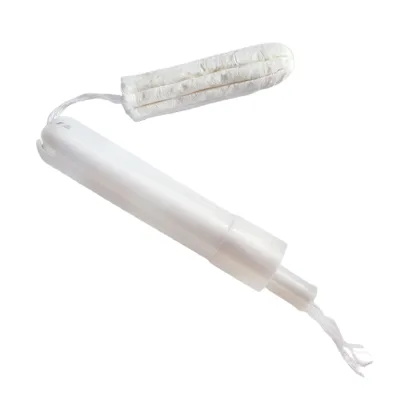


Bulk Price Biodegradable Tampons Hot Sale Organic Cotton Tampon for Women
$0.05 - $0.15
MOQ: 10000 Pieces


Free Sample Feminine Hygiene Factory OEM Disposable Organic Cotton Tampons
$0.05 - $0.15
MOQ: 20000 Pieces

Feminine Hygiene Products Biodegradable Tampons Women Organic Tampons with Applicator
$0.05 - $0.15
MOQ: 20000 Pieces



Comprehensive Sourcing Guide
Organic Cotton Biodegradable Tampons Sourcing Guide
Sourcing organic cotton tampons requires a nuanced understanding of material science, regulatory compliance, and supply chain transparency. Buyers in the feminine hygiene sector are increasingly prioritizing products that align with sustainability goals while maintaining high standards of absorbency and comfort. The transition from synthetic rayon or conventional cotton to certified organic materials involves rigorous verification processes to ensure that claims of biodegradability and organic origin are substantiated by credible documentation. This guide provides a structured approach for procurement professionals to navigate the complexities of sourcing these specialized hygiene products, focusing on technical verification, commercial terms, and long-term supplier reliability.
The market for organic cotton tampons is characterized by a diverse range of product configurations, including winged and wingless designs, varying absorbency levels, and different applicator types. Buyers must distinguish between products that are genuinely made from organic cotton and those that merely use organic cotton as a marketing label while relying on synthetic blends for structural integrity. Understanding the specific material composition, such as the use of 100% organic cotton cores versus blended materials, is critical for ensuring product performance and meeting consumer expectations for natural hygiene solutions. This guide outlines the essential steps for validating these attributes and securing a reliable supply chain.
Product Scope and Observed Listing Signals
The observed product landscape for organic cotton tampons reveals a wide spectrum of specifications, with listed prices ranging from $0.01 to $0.15 per unit and minimum order quantities (MOQs) spanning from 1,000 to 500,000 units. This variability indicates a market segmented by volume tiers, where smaller MOQs may cater to niche or premium brands, while larger volumes target mass-market distribution. Buyers should note that the price range is indicative of market averages and does not guarantee specific pricing for custom orders, which will depend heavily on material sourcing, packaging complexity, and order volume. Understanding these baseline signals helps in budgeting and setting realistic expectations for negotiation.
Product attributes observed in listings include variations in shape, such as winged and wingless designs, and types ranging from regular to ultra-thin profiles. Some products feature specific design elements like sakura handles or low-friction applicators, while others focus on compact styles. The material composition is a key differentiator, with some listings specifying 100% organic cotton cores and others indicating non-woven or viscose fiber materials. Buyers must carefully cross-reference these attributes with their specific product requirements, as the term "organic cotton" may be applied loosely in some contexts. Verifying the actual material composition through sample analysis is essential to ensure alignment with brand standards for natural and biodegradable products.
Technical Specifications to Verify
Technical verification of organic cotton tampons begins with confirming the core material composition and absorbency characteristics. Buyers should request detailed material specifications that explicitly state the percentage of organic cotton used in the core and any other components, such as the outer wrap or applicator. The presence of features like super absorbency, breathability, and odor control should be validated through independent testing or supplier-provided test reports. It is crucial to distinguish between products that are truly biodegradable and those that contain synthetic additives that hinder decomposition. Verification of the core material, whether it is 100% organic cotton or a blend, is the primary step in ensuring product integrity.
Packaging and labeling specifications are equally important for compliance and consumer experience. Buyers should verify the packaging standards, such as individual pouching and box configurations, to ensure product hygiene and shelf-life stability. The presence of logo printing and custom branding options should be confirmed, along with the lead times for custom packaging production. Additionally, the product model numbers and origin locations, such as Fujian, China, should be documented for traceability. Understanding the specific product models, such as FS-261608-9 or VT12, allows for precise communication with suppliers and accurate inventory management.
Compliance and Safety Documentation
Compliance with international standards is non-negotiable for organic cotton tampons, particularly regarding organic certification and safety testing. Buyers must verify that suppliers hold valid certifications from recognized bodies, such as ISO for quality management systems, and GOTS (Global Organic Textile Standard) for organic fiber content. These certifications provide assurance that the cotton is grown without synthetic pesticides and that the processing methods meet strict environmental and social criteria. Buyers should request copies of current certificates and verify their validity through the certifying bodies' online databases to avoid fraudulent claims.
Safety documentation should include test reports for microbiological safety, absorbency rates, and chemical residue analysis. Buyers should ensure that the products comply with relevant regional regulations, such as those from the FDA in the United States or the EU Medical Devices Regulation, depending on the target market. The presence of a warranty, such as a 1-year or 3-year warranty, may indicate the supplier's confidence in product durability and safety, but it should not replace rigorous pre-shipment inspections. Buyers should also verify that the products are free from harmful chemicals, such as dioxins or heavy metals, which can be present in improperly processed cotton or rayon products.
Cost Drivers and Commercial Terms
Cost drivers for organic cotton tampons include the price of raw organic cotton, manufacturing complexity, and packaging requirements. The use of 100% organic cotton, as opposed to blended materials, typically increases the raw material cost, which is reflected in the final product price. Buyers should analyze the cost breakdown to understand the impact of material choices on the overall price. Additionally, custom packaging, such as color boxes or pallet packing, adds to the production cost and should be factored into the total landed cost calculation. Understanding these drivers helps in negotiating favorable terms and optimizing the product mix for different market segments.
Commercial terms, including payment conditions and lead times, vary among suppliers. Common payment terms include a 30% deposit and 70% balance before shipment, which is standard in the industry. Lead times for production typically range around 30 days, but this can vary based on order volume and customization requirements. Buyers should negotiate clear terms for sample provision, which are often offered freely or at a low cost, to facilitate product evaluation before committing to large orders. Understanding these commercial terms helps in planning cash flow and managing inventory levels effectively.
Supplier Qualification and Quality Control
Supplier qualification involves a thorough assessment of the manufacturer's capabilities, including their production facilities, quality control processes, and ethical practices. Buyers should conduct on-site audits or request virtual tours to verify the manufacturing environment and ensure compliance with safety and hygiene standards. The supplier's ability to handle OEM and ODM orders, as indicated by their brand name attributes, should be evaluated based on their past performance and client references. Quality control processes should include in-process inspections and final random inspections to ensure product consistency and defect rates are within acceptable limits.
Quality control checks should also cover packaging integrity and labeling accuracy. Buyers should verify that the products are packed in a manner that prevents contamination and damage during transit. The presence of logo printing and custom branding should be checked for accuracy and durability. Additionally, buyers should establish a clear protocol for handling non-conforming products, including return policies and compensation terms. Regular quality audits and performance reviews help maintain high standards and foster a collaborative relationship with the supplier.
Long-Term Procurement Checks
Long-term procurement success depends on continuous monitoring of supplier performance and market trends. Buyers should establish key performance indicators (KPIs) for delivery times, product quality, and responsiveness to issues. Regular communication with the supplier is essential to address any emerging challenges, such as raw material shortages or regulatory changes. Buyers should also stay informed about advancements in organic cotton sourcing and biodegradable materials to ensure their products remain competitive and compliant with evolving consumer expectations.
Sustainability and ethical sourcing should be integral to the long-term procurement strategy. Buyers should verify that the supplier adheres to fair labor practices and environmental sustainability principles throughout the supply chain. This includes ensuring that the organic cotton is sourced from farms that practice regenerative agriculture and that the manufacturing process minimizes waste and energy consumption. By prioritizing sustainability and ethical practices, buyers can build brand loyalty and contribute to a more responsible industry. Regular reviews of the supply chain's environmental impact help align procurement activities with broader corporate sustainability goals.
FAQs
What materials are used in these tampons?
The products utilize natural cotton cores and non-woven materials. Some variants are made from 100% organic cotton or viscose fibers. These materials ensure breathability and comfort for daily or nighttime use. The core composition supports super absorbent properties while maintaining a hypoallergenic profile suitable for sensitive skin.
Can I customize the packaging and branding?
Yes, customization is available for both packaging and branding. Buyers can request logo printing on the products or color boxes. The standard packing includes 12 pouches per color box or 12 units per box. OEM and ODM services are supported to meet specific brand requirements and market preferences.
What is the typical lead time for orders?
The standard lead time is 30 days for production. This timeline applies to regular orders meeting the specified MOQ requirements. Buyers should account for this duration when planning inventory. The lead time ensures quality control and proper manufacturing processes are followed for each batch.
What certifications do the products hold?
The products hold ISO certification, indicating adherence to quality management standards. This certification supports the reliability of the manufacturing process. Buyers can request documentation to verify compliance. The certification ensures that production meets international standards for hygiene and safety in female hygiene products.
What are the available product styles?
Styles include Regular, Super, and Super Plus absorbency levels. Options feature winged or wingless designs for different comfort preferences. Some variants offer compact designs with low friction applicators. The product range covers day and night usage scenarios to suit diverse consumer needs.
What is the minimum order quantity?
The MOQ ranges from 1000 to 500,000 units depending on the specific product model. This flexibility allows buyers to start with smaller test orders or scale up quickly. The quantity requirements ensure efficient production runs. Buyers should confirm the exact MOQ for their selected model during inquiry.