Source Organic Dried Raisins for Baking, Snacking, and Beverages
Compare 30 listings for Organic Dried Raisins from Chinese suppliers. Buyers can review specifications like grain size, moisture content, and packaging options to find suitable products for baking, snacking, or beverage production.
Key considerations
Products List


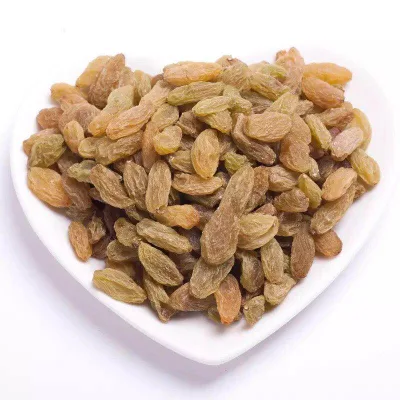


$1.50 - $1.80
MOQ: 1000 kg


China Raisins Dried Style Raisins Bakery Raisins Price Dehydrated Raisins
$1800.00 - $2200.00
MOQ: 1 Tons


China Wholesale Pure Natural Export Standard Bulk Packing Dried Raisin Dried Green Raisin
$1800.00 - $2250.00
MOQ: 1 Tons


Super Large Premium Red Raisins Organic Brown Raisins at Best Price Dried Fruit
$2450.00 - $2750.00
MOQ: 12 Tons

Comprehensive Sourcing Guide
Strategic Sourcing Guide for Organic Dried Raisins
Navigating the global market for Organic Dried Raisins requires a meticulous approach that balances botanical specifications, supply chain logistics, and rigorous quality assurance. For procurement professionals, the distinction between generic dried fruit and certified organic varieties is paramount, as it dictates the entire sourcing strategy. The available market data indicates a diverse landscape of offerings, ranging from specific grain counts to varied color profiles, all originating primarily from established agricultural regions in China. This guide provides a structured framework for evaluating suppliers, understanding technical parameters, and mitigating risks associated with long-term procurement of this commodity.
Technical Specifications and Product Attributes
The foundation of any successful procurement contract lies in the precise definition of product attributes. Dried raisins are botanically classified as indehiscent fruits, meaning the fruit does not split open at maturity to release seeds, a characteristic that influences their texture and drying process. The primary material source is grape, and the final product is typically categorized under the type "Dried Raisin" or simply "Raisin." Buyers must recognize that product specifications are not monolithic; observed data reveals significant variation in physical characteristics.
Color is a primary differentiator, with market listings indicating availability in Green, Golden, Red, and Black varieties. The "Green" and "Big Green" categories often command specific attention in premium segments, while "Natural" and "Golden" options cater to different culinary aesthetics. The shape of the raisin is another critical technical parameter, with observations noting both "Indehiscent" forms and "Long" varieties, which may imply specific cultivar differences or processing methods.
Moisture content is a vital quality indicator that affects shelf stability and microbial safety. Supply data explicitly mentions a maximum moisture threshold of ≤15%, a standard that buyers should verify through third-party testing to ensure the product meets this specification. Additionally, the nutrient composition varies across listings, with some products highlighting Vitamin, Protein, and Mineral content, while others include Lipid and Amino Acid profiles. This variance suggests that buyers should request detailed nutritional analysis for specific batches rather than relying on general category descriptions.
Processing Methods and Storage Requirements
The processing history of dried raisins significantly impacts their final quality and shelf life. The drying process is a critical stage, with "AD" (Air Drying) and "Raw" processing methods observed in the market. These methods influence the retention of natural sugars and the texture of the fruit. Some product listings indicate a "Sugar Added" standard, which is a crucial distinction for buyers seeking 100% organic or unsweetened products. Procurement teams must explicitly clarify whether the product is naturally dried or treated with added sugars to align with their brand standards.
Storage conditions are equally critical for maintaining product integrity. The data presents conflicting storage recommendations, ranging from "Room Temperature" to "Low Temperature" and "Shade." This inconsistency highlights the need for buyers to define strict storage protocols in their contracts. While some listings suggest a shelf life of 24 months, others indicate a range of 12 to 23 months, or simply 12 months. These discrepancies suggest that shelf life is highly dependent on the specific packaging and storage environment. To mitigate risk, buyers should specify "Cool Dry Place" as a mandatory storage condition and verify the actual shelf life of the specific batch upon receipt.
Compliance, Certification, and Standards
In the realm of Organic Dried Raisins, compliance is not merely a formality but a core component of product value. The market data references several high-level certifications, including FDA, ISO, and BRC. While these certifications are present in the observed listings, buyers must treat them as observations rather than guarantees for every supplier. The presence of ISO 22000 is noted in background information, but it should not be assumed as a universal standard without direct verification from the supplier.
When evaluating compliance, buyers should prioritize the verification of organic certification bodies relevant to their target market, such as USDA Organic, EU Organic, or equivalent local standards. The data mentions "Certification: FDA, ISO, BRC," which indicates that suppliers are capable of meeting international safety and quality benchmarks. However, the specific scope of these certifications must be confirmed. For instance, does the BRC certification cover the specific facility where the raisins are processed? Does the ISO certification apply to the entire supply chain or just the final packaging stage?
Furthermore, the origin of the product plays a role in compliance. The data points to "China" and specifically "Shandong, China" as primary origins. Buyers should be aware that sourcing from specific regions may entail different regulatory requirements regarding pesticide residues and import documentation. It is essential to request proof of origin and ensure that the supplier can provide the necessary documentation to clear customs in the destination country.
Cost Drivers and Commercial Terms
Understanding the cost structure of dried raisins is essential for effective budgeting and negotiation. The observed price range in the market spans from $1 to $3,999, though this wide range likely reflects differences in order volume, packaging, and specific product grades rather than unit price per kilogram. The Minimum Order Quantity (MOQ) is a significant cost driver, with observed ranges from 1 to 1,000 kilograms. Specific listings indicate MOQs of 500 kg and 1,000 kg, which suggests that smaller buyers may face higher per-unit costs or need to consolidate orders with other buyers to meet volume thresholds.
Payment terms are another critical commercial factor. The market data lists standard international payment methods including T/T (Telegraphic Transfer), L/C (Letter of Credit), D/a (Documents against Acceptance), and D/P (Documents against Payment). For new supplier relationships, buyers often prefer L/C to mitigate risk, while established partners may utilize T/T. The lead time for delivery is also a variable cost factor, with observed ranges from 7 to 15 days. Some listings specify a delivery time of 15 days, while others indicate a range of 7-15 days. These timelines can fluctuate based on seasonality, crop availability, and logistics capacity.
Packaging specifications also influence costs. The data shows variations such as 20 kg/carton, 10 kg/carton, and general "Carton" or "All" packaging options. The choice of packaging material, including "Metal" in some contexts, can impact both the unit cost and the suitability for long-term storage. Buyers should negotiate packaging specifications that balance cost efficiency with the need for product protection during transit.
Supplier Evaluation and Quality Control
Evaluating suppliers requires a multi-dimensional approach that goes beyond price and MOQ. The "New Year" crop designation in the data suggests that seasonality is a key factor in supply availability. Buyers should inquire about the specific harvest year and crop cycle to ensure they are purchasing fresh stock. The "Customization: Available" attribute indicates that many suppliers are willing to tailor products to specific buyer needs, such as custom packaging or specific grain sizes (e.g., 380 grains, 350 grains).
Quality control (QC) is paramount in the dried fruit industry. Buyers should implement a rigorous QC protocol that includes pre-shipment inspections and post-arrival testing. Key areas of focus should include moisture content verification (ensuring ≤15%), color consistency, and the absence of foreign matter. The "Max. Moisture (%)" specification is a critical quality gate; any deviation from this standard can lead to mold growth and spoilage. Additionally, the "Taste: Sweet" attribute should be verified through sensory evaluation, as sweetness levels can vary based on the grape variety and drying process.
The following table summarizes key comparison points for supplier evaluation:
| Evaluation Criteria | Key Considerations | Verification Method |
|---|---|---|
| Origin | China, Shandong | Certificate of Origin |
| Certifications | FDA, ISO, BRC | Valid Certificates |
| MOQ | 500kg - 1000kg | Contract Terms |
| Lead Time | 7-15 Days | Production Schedule |
| Packaging | 10kg/20kg Carton | Physical Inspection |
| Moisture | ≤15% | Lab Test Report |
| Crop | New Year | Harvest Documentation |
Typical Applications and Market Positioning
Dried raisins serve a versatile role in the food industry, finding applications in baking, confectionery, cereals, and direct consumption. The "Nutrient Composition" of Vitamin, Protein, and Mineral makes them a valuable ingredient for health-conscious product formulations. The "Sweet" taste profile allows them to function as a natural sweetener in recipes, potentially reducing the need for added sugars in finished goods.
The "Type: Dried Raisin" and "Product Name: Raisins" classifications indicate that these products are suitable for both B2B ingredient supply and B2C retail packaging. The availability of different colors (Green, Golden, Red, Black) allows for product differentiation in consumer-facing markets. For example, "Big Green Raisins" might be marketed as a premium snack, while "Natural" or "Golden" raisins could be targeted at the baking industry.
Buyers should consider the specific needs of their downstream customers when selecting a supplier. If the target market is the organic sector, the "Sugar Added" attribute must be strictly avoided. Conversely, if the product is intended for industrial baking where sweetness is required, the presence of added sugar might be acceptable or even desirable. Understanding the end-use application helps in narrowing down the supplier pool to those who can meet the specific technical and quality requirements of the final product.
Long-Term Procurement Considerations
Sourcing Organic Dried Raisins is a long-term strategic endeavor that requires building resilient supply chains. The variability in shelf life (12 to 24 months) and storage requirements (Room Temperature vs. Low Temperature) necessitates a robust inventory management strategy. Buyers should plan for potential fluctuations in supply due to crop cycles, as indicated by the "New Year" crop designation. Establishing relationships with multiple suppliers can mitigate the risk of supply disruptions.
Furthermore, the "Customization: Available" feature offers opportunities for brand differentiation. Buyers can work with suppliers to develop unique packaging solutions or specific product grades that align with their brand identity. However, customization often comes with higher MOQs and longer lead times, so it should be balanced against inventory holding costs.
Finally, continuous monitoring of market trends and regulatory changes is essential. As the demand for organic products grows, suppliers may face new certification requirements or sustainability mandates. Buyers should stay informed about changes in import regulations, particularly regarding pesticide residues and organic certification standards in their target markets. By maintaining a proactive approach to supplier management and quality control, buyers can ensure a steady supply of high-quality Organic Dried Raisins that meet their operational and brand objectives.
FAQs
What certifications do organic dried raisin suppliers typically hold?
Suppliers often hold FDA, ISO, and BRC certifications to ensure safety and quality. These standards verify that the production facility meets international requirements for food safety and management systems before shipping the product.
How long is the shelf life of dried raisins stored correctly?
The shelf life ranges from 12 to 24 months depending on storage conditions. Buyers should store the product in a cool, dry place to maintain quality and prevent moisture absorption that could spoil the fruit.
Which payment terms are accepted for purchasing dried raisins?
Common payment methods include T/T, L/C, D/a, and D/P for international transactions. These flexible options allow buyers to choose terms that best suit their financial risk management and cash flow needs.
Can buyers request customization for dried raisin packaging and specifications?
Yes, customization is available for packaging and specific product models like grain counts. Suppliers can tailor options such as 20kg cartons or specific grain sizes to match the buyer's branding and operational requirements.
What is the typical lead time for delivering dried raisins from China?
Delivery times generally range from 7 to 15 days after order confirmation. This timeline accounts for processing and logistics, though specific dates may vary based on the supplier's current production schedule and crop availability.
How does the moisture content affect the quality of dried raisins?
The maximum moisture content is typically kept at 15% or less to ensure stability. Keeping moisture low prevents mold growth and preserves the texture and sweetness of the raisins during storage and transport.