Source Organic Dead Sea Bath Salt for Foot, Body, and Face
Find 30 verified listings for Organic Dead Sea Bath Salt suitable for foot, body, and face care. Buyers can compare specifications, raw materials, and customization options from multiple manufacturers to identify the best fit for their needs.
Key considerations
Products List


100% Natural Dead Sea Salt for Coarse Grain Psoriasis Eczema Acne Treatment
$0.50 - $5.00
MOQ: 3000 Pieces





Comprehensive Sourcing Guide
Strategic Sourcing Guide for Organic Dead Sea Bath Salt Procurement
Navigating the global market for organic Dead Sea bath salts requires a disciplined approach that balances the unique mineral composition of the product with rigorous supply chain verification. While the core keyword suggests a specific geographic origin and organic status, the actual procurement landscape involves a complex array of product variations, from granular sodium chloride to customized blends with herbal or floral additives. Buyers must distinguish between generic mineral salts and specialized formulations that meet specific therapeutic or cosmetic standards. This guide outlines the essential technical, compliance, and operational factors necessary for a successful sourcing strategy, ensuring that the final product aligns with both regulatory requirements and brand positioning.
Technical Specifications and Product Composition
The foundational aspect of sourcing bath salts lies in understanding the precise chemical and physical specifications of the raw material. In the context of industrial and cosmetic supply chains, the primary component is often identified as Sodium Chloride, with purity levels frequently cited as a critical quality indicator. Buyers should verify that the product meets a minimum purity threshold, such as ≥99%, to ensure the absence of unwanted contaminants that could compromise skin safety or product efficacy. The physical form of the salt is equally important; granular shapes are standard for bath applications, allowing for controlled dissolution rates and consistent texture.
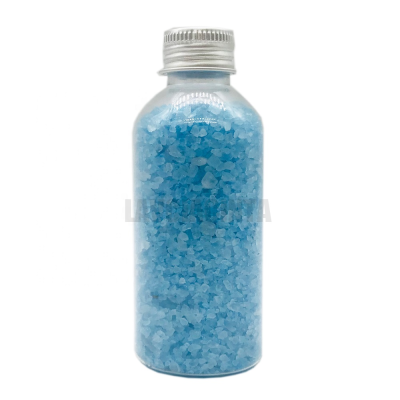
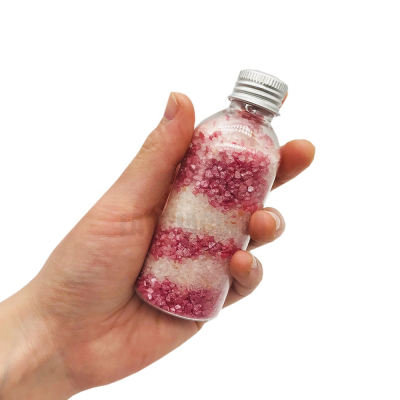
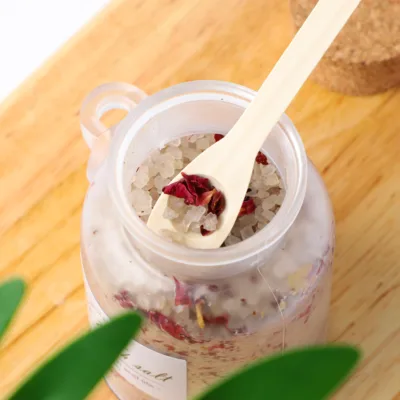
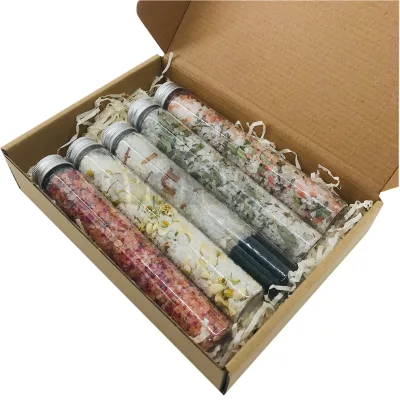
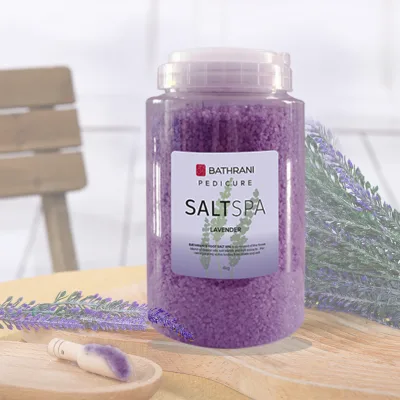
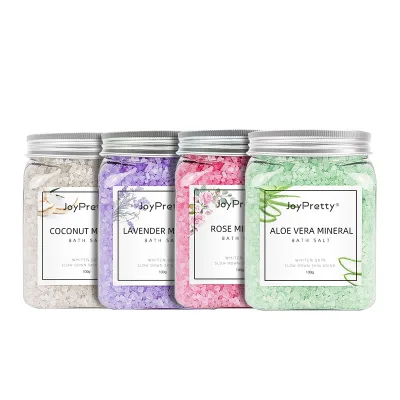
Color variations are a significant differentiator in this category. While the "Dead Sea" moniker often implies a specific mineral profile, the observed market data indicates a range of colors including pink and white. These hues are not merely aesthetic but often indicate the presence of specific mineral traces or added botanical elements. For instance, pink variants may be associated with Himalayan salt blends, while white variants typically represent refined sodium chloride. Additionally, the scent profile is a key customization vector. Suppliers offer options ranging from fruit and floral scents to milk-based fragrances, allowing buyers to tailor the sensory experience to their target demographic.
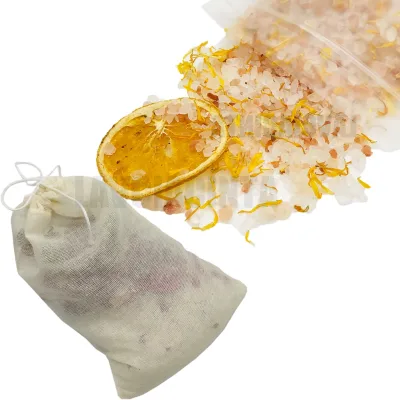
The functional attributes of the salt also dictate its application. Products are often marketed with specific claims such as antioxidant, hydrating, moisturizing, and repairing properties. Some formulations target specific body parts, including the foot, body, or face, while others are designed for general bathing. The inclusion of herbal ingredients or rose petals further expands the product's utility, positioning it as a premium wellness item rather than a basic commodity. Buyers must ensure that the technical data sheet explicitly lists these functional claims and the corresponding ingredient composition to avoid misalignment with marketing materials.
Compliance, Certification, and Regulatory Standards
Regulatory compliance is a non-negotiable pillar of sourcing bath salts, particularly when the product is intended for cosmetic or therapeutic use. The market data highlights several critical certifications that buyers should request from potential suppliers. ISO certification is a baseline requirement, indicating that the manufacturer adheres to international quality management standards. Furthermore, specific product safety certifications such as RoHS and CE are observed in the supply chain, suggesting that the products meet environmental and safety directives relevant to the European market and beyond.
When evaluating suppliers, it is essential to verify the "Grade Standard" of the product. While some listings indicate "Industrial Grade," this classification may be insufficient for cosmetic applications where purity and skin safety are paramount. Buyers must distinguish between industrial-grade salts and those specifically processed for personal care. The absence of impurities is a critical specification, with many suppliers claiming "Impurity-Free" status. However, this claim must be substantiated by third-party laboratory test results rather than supplier assertions alone.
The shelf life of the product is another compliance-related factor. A standard shelf life of three years is observed in the market, which impacts inventory planning and logistics. Buyers should confirm that the packaging and preservation methods used by the supplier are capable of maintaining product integrity over this period. Additionally, the origin of the product, often listed as China, requires careful scrutiny regarding the specific mining or processing location to ensure the "Dead Sea" or "Himalayan" designation is accurate and not merely a marketing term.
Cost Drivers and Pricing Dynamics
The pricing structure for bath salts is influenced by a multitude of factors, including raw material quality, customization levels, and packaging requirements. The observed price range in the market is extensive, spanning from $0.21 to $155 per unit. This wide variance reflects the difference between bulk industrial commodities and premium, customized cosmetic blends. The lower end of the spectrum typically corresponds to raw, unprocessed sodium chloride sold in large quantities, while the higher end includes products with added botanicals, specialized scents, and private label packaging.
Minimum Order Quantity (MOQ) is a significant cost driver. Suppliers often set MOQs at 1,000 pieces for OEM and ODM services, though some may accept orders as low as one unit for sampling purposes. The ability to customize packaging, volume, and scent directly impacts the final cost. Customization services, such as OEM (Original Equipment Manufacturer) and ODM (Original Design Manufacturer), allow buyers to create unique products but often incur higher per-unit costs due to the setup and production complexity.
Volume specifications also play a role in pricing. Standard volumes include 150ml, 200ml, and 250ml containers, with options for custom sizing. Bulk packaging options, such as 0.5kg, 1kg, 2kg, 5kg, 25kg, and 50kg bags, offer economies of scale for large buyers. The choice of packaging material and the logistics method—whether air, express, sea, or road freight—further influence the total landed cost. Buyers must balance the desire for premium customization with the constraints of their budget and order volume to achieve an optimal cost structure.
Typical Applications and Market Segmentation
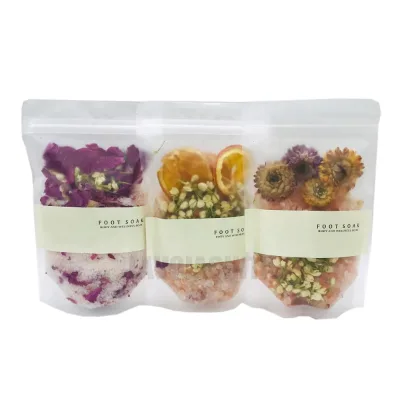
Bath salts serve a diverse range of applications, from therapeutic foot soaks to general body care and facial treatments. The market data indicates a strong focus on foot care, with specific products labeled as "Salt Foot Soaks" designed to provide relief and hydration. These products often target the adult age group and are formulated with ingredients that support skin repair and moisturization. The inclusion of herbal ingredients and specific scents enhances the therapeutic experience, making these products suitable for spas, wellness centers, and retail beauty brands.
The functional benefits of the product extend beyond simple cleansing. Attributes such as antioxidant and anti-aging properties make these salts attractive for skincare lines targeting aging skin or blemish control. The versatility of the product allows it to be marketed for various body parts, including the body, feet, and face. This flexibility enables buyers to position the product in multiple market segments, from mass-market drugstores to high-end boutique retailers.
Gender neutrality is another key aspect of the market segmentation. Most bath salt products are designed for unisex use, broadening their potential customer base. The ability to customize the scent and packaging allows suppliers to cater to specific gender preferences or niche markets without altering the core product formulation. This adaptability is crucial for brands looking to differentiate themselves in a crowded marketplace.
Supplier Evaluation and Verification Protocols
Selecting the right supplier requires a rigorous evaluation process that goes beyond simple price comparisons. Buyers should prioritize suppliers who offer comprehensive OEM and ODM services, as this indicates a capacity for customization and scalability. The availability of samples is a critical step in the evaluation process, allowing buyers to assess product quality, texture, and scent before committing to a large order.
Verification of the supplier's capabilities is essential. Buyers should request documentation that confirms the supplier's adherence to ISO, RoHS, and CE standards. It is also important to verify the specific product models and standards associated with the supplier's offerings. For example, product models such as LD2023122811 or XCBS-190318 may indicate specific formulations or production batches. Buyers should ensure that the supplier can consistently meet the specified standards, such as 99% sodium chloride purity or specific volume requirements.
The supplier's location and logistics capabilities are also critical factors. With the product origin often listed as China, buyers must assess the supplier's ability to manage international shipping via air, express, sea, or road freight. Lead times and the reliability of the supply chain should be thoroughly discussed to avoid delays. Additionally, the supplier's ability to provide customized packaging and branding services should be confirmed, as this is often a key differentiator in the competitive bath salt market.
Quality Control and Long-Term Procurement Considerations
Maintaining consistent quality is paramount in the long-term procurement of bath salts. Buyers should implement a robust quality control protocol that includes regular testing of raw materials and finished products. Key parameters to monitor include purity levels, impurity content, and the stability of the product over its shelf life. The observed shelf life of three years provides a benchmark for quality retention, but buyers should verify that the packaging and storage conditions used by the supplier are sufficient to maintain this standard.
Long-term procurement strategies should focus on building strong relationships with suppliers who demonstrate reliability and flexibility. The ability to scale production up or down based on market demand is a valuable asset. Buyers should also consider the environmental impact of their sourcing decisions, ensuring that the supplier adheres to sustainable practices and regulatory standards.
Customization remains a central theme in long-term procurement. As market trends evolve, the ability to introduce new scents, formulations, or packaging designs will be crucial for maintaining brand relevance. Buyers should work closely with suppliers to develop a roadmap for product innovation, ensuring that the supply chain can support these changes efficiently. By prioritizing quality, compliance, and flexibility, buyers can secure a sustainable supply of high-quality bath salts that meet the evolving needs of their customers.
FAQs
What certifications do Organic Dead Sea Bath Salt suppliers provide?
Suppliers typically provide ISO, RoHS, and CE certifications for their products. These standards ensure adherence to international quality management and safety directives, which is critical for cosmetic applications requiring impurity-free sodium chloride.
How can I customize the packaging for my bath salt order?
Customized packaging is available through OEM and ODM services offered by many manufacturers. Buyers can specify volumes like 150ml, 200ml, or 250ml, and request specific packing sizes such as 0.5kg or 25kg bags to match their brand needs.
What is the minimum order quantity for private label bath salts?
The standard minimum order quantity for OEM and ODM services is 1000 pieces. However, some suppliers may accept lower quantities for sampling purposes, allowing buyers to verify product quality before committing to larger bulk orders.
Can I get samples of the pink granular bath salt before ordering?
Yes, samples are provided by suppliers to allow buyers to assess texture and scent. This step is essential for verifying the granular shape, pink or white color, and herbal or floral scent profiles before proceeding with a full production run.
What is the shelf life of the sodium chloride bath salt products?
The observed shelf life for these bath salt products is three years. This duration impacts inventory planning, so buyers should confirm that the supplier uses packaging methods capable of maintaining product integrity over this period.
Which product models are available for industrial grade bath salts?
Available product models include LD2023122811, XCBS-190318, and FSS among others. These models correspond to specific formulations and standards, such as 99% sodium chloride purity, ensuring the product meets the required industrial or cosmetic grade specifications.