Source HD Audio IP Phone for Offices, Schools, and Hotels
Compare 22 HD Audio IP Phone models with features like wireless connectivity, SIP support, and customizable options. Buyers can evaluate specifications including LCD screens, camera capabilities, and network ports to find the right solution for their needs; compare the available evidence and request quotations based on your requirements.
Key considerations
Products List


Wi-Fi SIP Touch Phone Android Conference Enterprise HD Audio & Video IP Phone
$165.00 - $225.00
MOQ: 5 Pieces





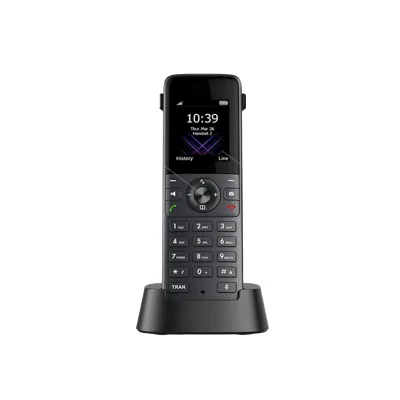
Comprehensive Sourcing Guide
HD Audio IP Phone Sourcing Guide
Procuring high-definition audio IP phones requires distinguishing between specialized terminals designed for large-scale deployment and compact units intended for individual desk use. The market presents a spectrum of devices, ranging from basic VoIP handsets with single SIP account support to advanced systems featuring 16-line soft SIP capabilities and integrated Android operating systems. Buyers must first identify whether their operational needs demand a standalone terminal or a multifunctional hub with pluggable camera options and extensive network port configurations.
The observed product landscape includes models with varying display technologies, from units lacking screens entirely to those equipped with large 10-inch touch panels. This variation directly impacts the user interface strategy and the type of information accessible to the operator. Sourcing decisions should prioritize the specific functional requirements of the deployment environment, ensuring that the selected hardware aligns with the necessary voice quality standards and network protocol support, such as IPv4, IPv6, and QoS capabilities.
Product Scope and Observed Listing Signals
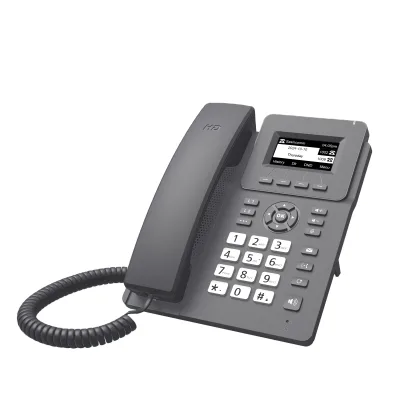
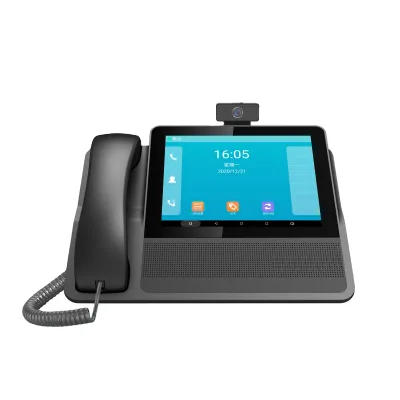
Current listings indicate a diverse range of form factors, including wireless and wired configurations that support different physical connectivity standards. Some units are designed with adjustable brackets and pluggable 2-meter cameras, suggesting suitability for reception or conference areas, while others are compact, portable devices weighing approximately 0.6kg. The presence of both 8-inch and 10-inch touch panels alongside non-touch displays highlights the need to verify the exact interface requirements before finalizing a purchase order.
Buyers should note that product specifications vary significantly regarding the number of supported SIP lines and the type of network ports provided. While some models support 16 lines and dual RJ45 Fast Ethernet ports, others are configured for single SIP accounts with specific NAT traversal features like STUN and TURN. Understanding these listing signals is critical for matching the hardware to the existing network infrastructure and ensuring compatibility with the intended communication protocols.
Technical Specifications to Verify
Verification of audio performance is paramount, as high-fidelity sound quality relies on specific encoding standards and hardware components like array microphones and HD handsets. Buyers must confirm that the selected device supports the necessary voice mail functions and offers both handset and hands-free calling modes to ensure operational flexibility. The presence of HD encoding and specific microphone arrays should be cross-referenced against the actual acoustic requirements of the office environment to prevent communication breakdowns.
Network and system compatibility must be rigorously tested, particularly regarding the support for SIP V1 and V2 protocols as well as advanced features like Tr069 and HTTP/HTTPS. The operating system, whether Android or a proprietary terminal system, dictates the level of SDK development support and the ability to integrate with third-party applications. Additionally, the physical dimensions and case materials, such as ABS or ABS plus TPU, should be evaluated to ensure durability and fit within the intended workspace.
Compliance and Safety Documentation
While specific certification marks are not universally listed in the provided data, buyers must request evidence of compliance with international safety and electromagnetic compatibility standards. The origin of the product, typically China, necessitates a thorough review of the manufacturer's quality management systems and adherence to relevant export regulations. Documentation should explicitly confirm that the device meets the safety requirements for electrical equipment and that the materials used, such as the ABS case, are non-toxic and fire-resistant.
Security compliance is another critical area, especially for devices supporting VPN and multiple SIP accounts. Procurement teams should verify that the firmware supports secure communication protocols and that the device has been tested for vulnerabilities related to SIP V1 and V2 implementations. Ensuring that the supplier provides a clear chain of custody and safety data sheets for the packaging materials, such as pallet carton boxes, is essential for maintaining a compliant supply chain.
Cost Drivers and Commercial Terms
The price range observed in the market, spanning from approximately 18.99 to 520 USD, reflects significant differences in feature sets, display sizes, and network capabilities. High-end models with 10-inch touch panels, 16-line SIP support, and Android operating systems command a premium over basic units with single SIP accounts and no display. Buyers should analyze the total cost of ownership, considering that advanced features like SDK development support and pluggable cameras may justify a higher initial investment through increased operational efficiency.
Minimum Order Quantities (MOQ) vary widely, ranging from single units to 3000 pieces, which directly influences the unit cost and inventory strategy. Larger orders often unlock better pricing tiers, but the buyer must balance this against storage costs and the risk of obsolescence. It is essential to negotiate clear terms regarding customization availability, as bespoke solutions may incur additional setup fees or require longer lead times compared to standard off-the-shelf configurations.
Supplier Qualification and Quality Control
Supplier qualification should focus on their ability to provide consistent product specifications and reliable after-sales support. Given the variation in models like the HA05, KS31, and HA07, buyers must ensure the supplier can maintain quality control across different production batches. Verification of the supplier's manufacturing capabilities, including their use of standard packing methods like carton boxes and pallets, helps ensure that products arrive in optimal condition without damage during transit.
Quality control processes must include rigorous testing of network connectivity, audio clarity, and physical durability. Buyers should request sample units to test the array microphone performance and the responsiveness of touch panels before committing to a large order. Establishing a clear protocol for handling defective units and verifying the consistency of case materials, such as ABS and TPU, is vital for maintaining the reputation of the end-user organization.
Long-Term Procurement Checks
Sustaining a successful procurement relationship requires regular audits of the supplier's ability to meet evolving technical standards and market demands. As network protocols evolve, the supplier must demonstrate a commitment to updating firmware to support new security features and compatibility with emerging SIP standards. Buyers should establish a schedule for reviewing the product lifecycle to ensure that the devices remain supported and that spare parts, such as pluggable cameras or specific network cables, remain available.
Long-term checks also involve monitoring the supplier's adherence to the agreed-upon customization and packaging standards. Consistency in product dimensions, such as the 29723567mm or 1725032mm specifications, is crucial for inventory management and workspace planning. By maintaining open communication channels and setting clear expectations for future product iterations, buyers can mitigate the risks associated with supply chain disruptions and ensure a steady flow of high-quality HD audio IP phones.
FAQs
What SIP protocols do these VoIP phones support?
These devices support SIP V1 (Rfc2543) and SIP V2 (Rfc3261). This ensures compatibility with standard VoIP networks and allows for flexible configuration. The models also handle NAT traversal via STUN, TURN, and LCE, which helps maintain stable connections across different network environments without requiring complex port forwarding setups.
Can I customize the packaging for bulk orders?
Yes, customization is available for these products. Buyers can request specific packaging solutions to meet their logistical needs. The standard packing options include pallet carton boxes or individual boxes, depending on the model. This flexibility helps protect the devices during shipping and allows for branded presentation upon arrival at the destination warehouse.
Which models feature a touch screen display?
The HA05 and HA07 models feature touch screen displays. The HA05 includes a 10-inch touch panel, while the HA07 has an 8-inch touch panel. These interfaces provide intuitive navigation for managing calls and settings. Other models like the KS31 and KS20 do not have touch screens, offering simpler control options for basic calling needs.
How many SIP lines can the advanced models handle?
Advanced models like the HA05 and KS20 support up to 16 SIP lines. This capacity allows businesses to manage multiple concurrent calls efficiently. The HA05 specifically offers 16 lines of soft SIP functionality. This feature is ideal for call centers or offices requiring high line density without needing additional hardware expansions for each user.
What network protocols are supported by these phones?
These phones support IPv4, IPv6, Tr069, QoS, and HTTP/HTTPS. This comprehensive network support ensures secure and reliable connectivity. The inclusion of QoS helps prioritize voice traffic for better call quality. Tr069 enables remote management, while HTTP/HTTPS supports secure web-based configuration, making network integration straightforward for IT administrators.
Are these phones wireless or wired devices?
The product range includes both wireless and wired options. The HA05 is listed as a wireless phone, while the KS20 is a wired terminal. The KS31 is described as a handsfree phone, and the HA07 runs on Android. Buyers should check the specific model attributes to determine the connectivity type that best fits their office infrastructure requirements.