Source Organic Hypoallergenic Goat Milk for Puppy Nutrition, Adult Dog Health, and OEM Production
Find 30 verified listings for Organic Hypoallergenic Goat Milk powder tailored for puppy and adult pet nutrition. Compare OEM/ODM customization options, milk-based formulations, and balanced nutritional profiles from suppliers in China and Shandong.
Key considerations
Products List






Comprehensive Sourcing Guide
Organic Hypoallergenic Goat Milk Sourcing Guide
Sourcing Organic Hypoallergenic Goat Milk products requires a nuanced understanding of both nutritional science and supply chain transparency. Buyers must distinguish between raw agricultural commodities and finished consumer goods, as the regulatory and quality expectations differ significantly. The core keyword suggests a focus on premium, digestible alternatives to cow’s milk, often targeted at pets or sensitive human consumers. In the B2B context, this typically involves bulk powders, specialized formulas, or private-label finished goods. The procurement strategy must prioritize suppliers who can substantiate their "organic" and "hypoallergenic" claims through verifiable documentation rather than marketing language alone.
This guide provides a structured approach to evaluating suppliers, verifying technical specifications, and managing commercial risks. It draws on observed market signals and standard industry practices to help buyers make informed decisions. The focus is on actionable verification steps, from ingredient sourcing to final product testing. By adhering to these guidelines, procurement teams can mitigate the risk of non-compliance, ensure product consistency, and build a resilient supply base for high-value dairy alternatives.
Product Scope and Observed Listing Signals
The current market landscape for goat milk products shows a diverse range of applications, from pet nutrition to personal care. Observed listings indicate a strong presence of pet-focused products, specifically puppy and adult pet nurture items. These products often feature milk-based flavors and are marketed as gentle, nutritionally balanced options. The physical form varies, with dry powders being a common format for storage and transport efficiency. Buyers should note that "organic" and "hypoallergenic" attributes are frequently paired with specific target demographics, such as dogs of all ages or specific growth stages, indicating a specialized product scope rather than a generic commodity.
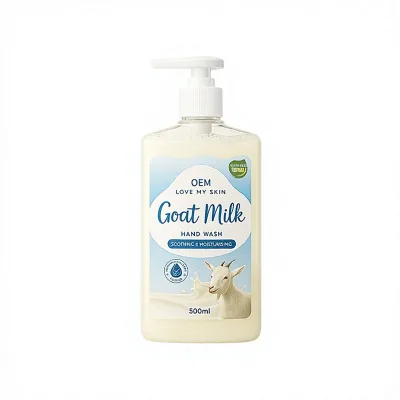
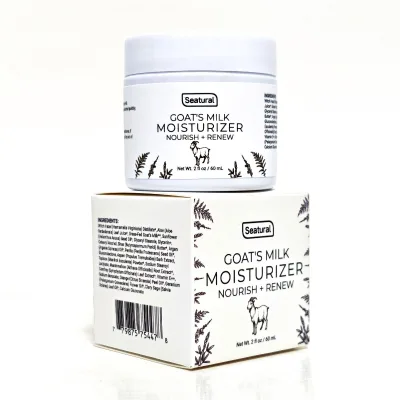
In addition to pet food, the market includes personal care and hygiene products derived from goat milk ingredients. Listings reveal products such as hand sanitizers and solid bars with goat milk as a key ingredient. These items often highlight features like moisturizing properties, floral scents, and specific packaging formats like boxes or private customization options. The presence of these varied applications suggests that goat milk is a versatile raw material. Procurement teams must clearly define their end-use case early in the sourcing process, as the regulatory requirements for a pet supplement differ vastly from those for a cosmetic or hygiene product.
Technical Specifications to Verify
Technical verification begins with the physical and chemical properties of the product. For powdered goat milk, key specifications include moisture content, protein levels, and fat composition. Buyers should request detailed product data sheets that specify the exact formulation, particularly for products claiming to be "hypoallergenic." This often involves verifying the absence of common allergens such as lactose or specific cow milk proteins. The observed data indicates that some products are formulated with specific single package sizes and gross weights, which is critical for logistics planning and retail packaging compatibility.
Shelf life and storage conditions are equally critical technical parameters. Products typically carry a shelf life of 24 months, provided they are stored in moisture-proof conditions. Buyers must verify the packaging integrity and the type of barrier material used to prevent oxidation and moisture absorption. For private label opportunities, the supplier’s ability to customize packaging, such as box designs or private labeling, should be confirmed. Additionally, the origin of the raw materials, such as Shandong or Guangdong in China, can impact the perceived quality and traceability of the final product.
Compliance and Safety Documentation
Compliance is the cornerstone of sourcing organic and hypoallergenic products. Buyers must demand proof of organic certification from recognized bodies, ensuring that the goat milk is sourced from farms adhering to strict organic standards. This includes verification of feed, veterinary care, and processing methods. For products marketed as hypoallergenic, third-party testing reports confirming the absence of specific allergens are essential. These documents provide the legal and ethical foundation for the product’s marketing claims and protect the buyer from liability.
Safety documentation also includes general food safety certifications, such as HACCP or ISO 22000, depending on the product category. For pet products, compliance with local feed regulations is mandatory. Buyers should verify that the supplier has a robust traceability system that allows them to track the product from the farm to the final package. This is particularly important for organic products, where the integrity of the supply chain is a key value proposition. Requesting batch-specific test results for contaminants, heavy metals, and microbial loads is a standard best practice to ensure product safety.
Cost Drivers and Commercial Terms
The cost of organic goat milk products is influenced by several factors, including the source of the milk, the processing method, and the level of customization. Organic certification adds a premium to the raw material cost, while specialized processing for hypoallergenic formulas may involve additional steps. Buyers should expect a wide range of prices, from low-cost bulk ingredients to high-value finished goods. Understanding the cost structure helps in negotiating fair terms and avoiding unexpected price fluctuations.
Commercial terms such as Minimum Order Quantity (MOQ) and lead times vary significantly based on the product type and customization level. Observed data shows MOQs ranging from 1 to 5000 units, reflecting the flexibility of some suppliers to accommodate small batch orders. Lead times are also variable, depending on inventory levels and production schedules. Buyers should clarify payment terms, shipping responsibilities, and return policies in the contract. For OEM/ODM projects, additional costs for mold creation, packaging design, and initial sampling should be factored into the total cost of ownership.
Supplier Qualification and Quality Control
Supplier qualification involves a thorough assessment of the manufacturer’s capabilities and quality management systems. Buyers should conduct on-site audits or request virtual tours to verify production facilities, hygiene standards, and equipment maintenance. The supplier’s experience in producing organic and hypoallergenic products is a key indicator of their expertise. Questions should focus on their sourcing practices, quality control checkpoints, and handling of non-conforming products.
Quality control processes should be clearly defined and documented. Buyers should inquire about the frequency of internal testing and the use of external laboratories for periodic audits. The supplier’s ability to provide consistent product quality across batches is critical for maintaining brand reputation. For private label clients, the supplier’s flexibility in accommodating specific quality requirements and their responsiveness to quality issues should be evaluated. Establishing a clear communication channel for quality feedback is essential for long-term partnership success.
Long-Term Procurement Checks
Long-term procurement success depends on continuous monitoring and relationship management. Buyers should establish key performance indicators (KPIs) for supplier performance, including on-time delivery, product quality, and responsiveness. Regular reviews of these metrics help identify potential issues early and drive continuous improvement. Building a strong relationship with the supplier can lead to better pricing, priority production, and access to new product innovations.
Market trends and regulatory changes in the organic and pet nutrition sectors require ongoing attention. Buyers should stay informed about new certifications, labeling requirements, and consumer preferences. This proactive approach allows for timely adjustments to sourcing strategies and product offerings. Additionally, diversifying the supplier base can mitigate risks associated with supply chain disruptions. By maintaining a strategic focus on quality, compliance, and partnership, buyers can secure a reliable supply of Organic Hypoallergenic Goat Milk products for their business needs.
FAQs
What is the shelf life of the organic goat milk powder?
The shelf life is 24 months when stored correctly. You must keep the product in a moisture-proof environment to maintain its quality and nutritional integrity. This ensures the powder remains suitable for puppy and adult pet consumption throughout the entire period.
Can this product be customized for private labeling?
Yes, customization is available for OEM and ODM requirements. The supplier offers private customize packaging as per client specifications. This allows brands to tailor the box packaging and branding to their specific market needs while maintaining the organic and balanced nutrition features.
What is the standard specification for the packaging?
The standard specification is a 5g x 15 pack format. Each unit is packed in a box with a single gross weight of 0.072 kg. The single package size measures 3.8x3.8x7.8 cm, making it compact and easy to handle for distribution.
Is the goat milk powder suitable for all dog ages?
Yes, it is applicable to dogs of all ages, including puppies and adults. The formula is designed to be gentle and nutritionally balanced. It supports growth and health without being medicated, making it a safe daily supplement for various life stages.
Where is the organic goat milk powder manufactured?
The product originates from Shandong, China. This location is noted for its production capabilities in pet nurture and health products. Buyers can rely on this origin for consistent quality and adherence to the specified organic and dry appearance standards.