Source Organic Keratin Hair Mask for Repair, Moisture, and Color Care
Find 30 Organic Keratin Hair Mask options from China suppliers offering OEM/ODM services. Compare moisturizing and repairing formulas for thin or coarse hair, with GMPC and ISO22716 certifications available for private labeling.
Key considerations
Products List


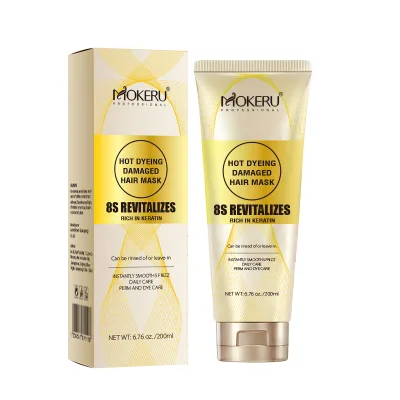

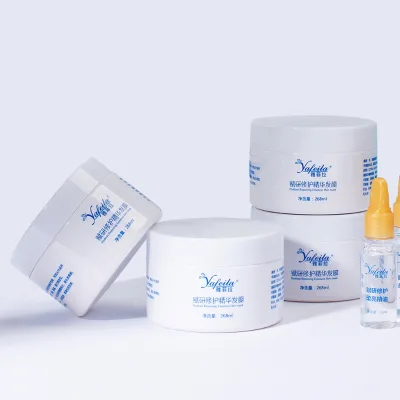
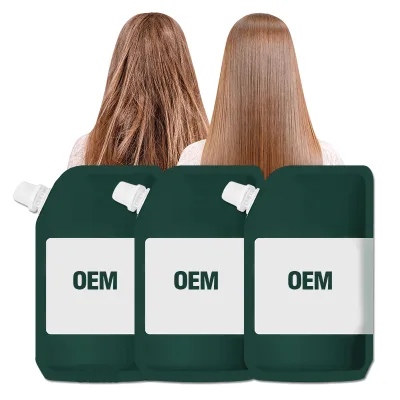


Comprehensive Sourcing Guide
Organic Keratin Hair Mask Sourcing Guide
Sourcing organic keratin hair masks requires a nuanced understanding of the intersection between cosmetic formulation standards and supply chain transparency. Buyers must navigate a market where "organic" claims are often loosely applied, necessitating rigorous verification of ingredient sourcing and manufacturing practices. The core challenge lies in distinguishing between products that merely contain trace amounts of natural extracts and those that adhere to strict botanical integrity throughout the production lifecycle. This guide provides a structured approach to evaluating suppliers, verifying technical specifications, and ensuring compliance with international safety standards.
The procurement process for these specialized hair care items involves balancing aesthetic appeal with functional efficacy. Buyers should focus on suppliers who demonstrate clear traceability from raw material sourcing to final packaging. This guide outlines the critical steps for validating product claims, assessing manufacturing capabilities, and establishing commercial terms that protect brand integrity. By adhering to the evidence-based criteria presented herein, procurement teams can mitigate risks associated with regulatory non-compliance and inconsistent product quality.
Product Scope and Observed Listing Signals
The current market landscape for hair masks reveals a diverse range of product attributes, with observed prices ranging from $0.38 to $28.90 USD. This wide variance suggests significant differences in ingredient quality, packaging sophistication, and brand positioning. Buyers should interpret this price spectrum as an indicator of varying value propositions rather than a uniform market rate. Lower price points may correlate with basic formulations or bulk packaging, while higher prices often reflect premium organic certifications, specialized keratin concentrations, or private label services.
Observed minimum order quantities (MOQs) span from 1 to 10,000 units, indicating flexibility in supplier engagement models. This range accommodates both small-scale startups testing market viability and large retailers requiring substantial inventory. The availability of customization options, including OEM and ODM services, allows brands to tailor products to specific niche markets. Buyers should leverage this flexibility to align production volumes with their sales forecasts, ensuring efficient capital allocation while maintaining the ability to scale operations as demand grows.
Technical Specifications to Verify
Technical verification begins with confirming the physical and chemical properties of the hair mask. Key attributes to validate include the product type, which is typically a cream-based formulation, and the volume, which commonly ranges from 200ml to 500ml. Buyers must ensure that the specified volume aligns with regional packaging regulations and consumer expectations. Additionally, the weight of the product, such as 268ml for certain variants, should be cross-referenced with the net content to prevent discrepancies in labeling and consumer perception.
Ingredient composition is a critical technical parameter, particularly for products claiming organic or natural status. Verification should confirm the absence of sulfates, parabens, and gluten, as these are common allergens and irritants that consumers actively avoid. The presence of herbal ingredients and specific fragrances, such as herbal scents, should be documented to ensure consistency with marketing claims. Furthermore, the concentration of active ingredients, including keratin, must be verified to guarantee the product delivers the promised repairing and moisturizing benefits for various hair types, from thin to coarse hair.
Compliance and Safety Documentation
Regulatory compliance is non-negotiable for importing cosmetic products, particularly those making organic or health-related claims. Buyers must verify that suppliers hold recognized certifications such as GMPC, ISO 22716, and Sedex. These certifications indicate adherence to Good Manufacturing Practices, international cosmetic quality standards, and ethical supply chain management. The presence of these credentials provides a baseline assurance of product safety and manufacturing consistency, reducing the risk of regulatory penalties or product recalls.
Beyond manufacturing certifications, buyers should request detailed documentation regarding ingredient sourcing and safety assessments. This includes certificates of analysis (CoA) for raw materials and finished products, which confirm the absence of harmful contaminants and verify the concentration of active ingredients. Additionally, suppliers should provide evidence of compliance with regional regulations, such as the EU Cosmetics Regulation or FDA guidelines, depending on the target market. Ensuring that all documentation is up-to-date and verifiable is essential for maintaining brand reputation and legal compliance.
Cost Drivers and Commercial Terms
Several factors influence the total cost of ownership for organic keratin hair masks, including raw material costs, packaging complexity, and customization requirements. The use of high-quality organic ingredients and herbal extracts typically increases production costs compared to synthetic alternatives. Similarly, eco-friendly or premium packaging solutions, such as specialized cartons or private label designs, add to the overall expense. Buyers should evaluate these cost drivers in the context of their target retail price and margin expectations.
Commercial terms, including lead times and payment conditions, play a significant role in procurement planning. Sample lead times of 3-5 days and production lead times of 5-15 days offer relatively quick turnaround options, facilitating agile supply chain responses. However, buyers should negotiate clear terms regarding order modifications, cancellation policies, and liability for delays. Establishing transparent communication channels and defining key performance indicators (KPIs) for delivery accuracy and quality consistency will help mitigate operational risks and ensure smooth transaction execution.
Supplier Qualification and Quality Control
Supplier qualification extends beyond certification verification to include an assessment of manufacturing capabilities and quality control processes. Buyers should conduct thorough audits, either on-site or through third-party agencies, to evaluate the supplier’s production environment, equipment maintenance, and staff training. This due diligence helps identify potential risks related to contamination, inconsistent formulation, or poor hygiene practices that could compromise product quality.
Quality control measures should be integrated into the procurement contract, specifying acceptance criteria for incoming goods. This includes defining acceptable ranges for product weight, volume, and visual appearance, as well as establishing protocols for handling defects or non-conformities. Buyers should also request regular quality reports and conduct periodic spot checks to ensure ongoing compliance with agreed-upon standards. Implementing a robust quality management system fosters trust and ensures that the final product meets the brand’s expectations for safety and efficacy.
Long-Term Procurement Checks
Sustainable procurement practices require continuous monitoring of supplier performance and market trends. Buyers should establish a regular review cycle to assess supplier reliability, product consistency, and customer feedback. This ongoing evaluation helps identify areas for improvement and ensures that the supplier remains aligned with the brand’s evolving needs and values. Additionally, staying informed about changes in regulatory requirements and consumer preferences allows for proactive adjustments to sourcing strategies.
Building a resilient supply chain involves diversifying suppliers and maintaining strategic inventory levels. By cultivating relationships with multiple qualified suppliers, buyers can mitigate the risk of disruptions caused by geopolitical events, natural disasters, or production issues. Furthermore, investing in long-term partnerships with suppliers who share a commitment to quality and sustainability can lead to collaborative innovation and cost efficiencies. This strategic approach ensures that the brand remains competitive and responsive to market dynamics over time.
FAQs
What certifications do the hair masks hold?
The products hold GMPC, ISO22716, and Sedex certifications. Some listings also specify GMPC and ISO22716 compliance. These standards ensure the manufacturing processes meet international safety and quality requirements for cosmetic production.
Can I request custom labeling or private labels?
Yes, customization is available with options for custom labels or private labels. The service supports OEM and ODM requirements. Buyers can also request heat-transfer printing for logo or graphic design on the packaging.
What is the typical sample lead time for orders?
The sample lead time is typically 3 to 5 days. Some suppliers indicate a broader range of 5 to 15 days for general orders. Samples may be available freely depending on the specific supplier agreement.
Which hair types are suitable for these hair masks?
The masks are suitable for all hair types, including thin and coarse hair. Specific formulations target repairing and moisturizing needs. Some products are also designed to protect and brighten hair color while preventing hair loss.
What are the standard packaging quantities per carton?
Packaging quantities vary by product, with 48 or 72 units per carton. The standard packing material is cartons or carton boxes. Volume specifications range from 200ml to 500ml depending on the specific model selected.
Where are these hair masks manufactured?
The products originate from China, specifically Guangdong and Guangzhou. These locations are known for cosmetic manufacturing capabilities. The place of origin is consistently listed as China for the majority of the available listings.