Source Organic Intermediate Methyl Palmitate for Cosmetics, Food, and Pharma
Find 30 listings for Organic Intermediate Methyl Palmitate to compare specifications such as purity, CAS 112-39-0, and packaging options. Evaluate suppliers based on delivery times and quality grades for your synthesis needs.
Key considerations
Products List









Comprehensive Sourcing Guide
Organic Intermediate Methyl Palmitate Sourcing Guide
Sourcing methyl palmitate as an organic intermediate requires a disciplined approach to verifying chemical identity, purity, and physical state. The core keyword for this material is CAS 112-39-0, which distinguishes it from related esters such as cetyl palmitate (CAS 540-10-3). Buyers must carefully distinguish between these two compounds during the initial search phase, as they serve different roles in synthesis and formulation. Methyl palmitate is primarily utilized as a synthesis material intermediate, whereas cetyl palmitate is often associated with organic syntheses and rehabilitation functions. Confusing these CAS numbers can lead to significant procurement errors, affecting downstream manufacturing processes and final product quality.
The market for methyl palmitate presents a wide variance in product attributes, ranging from refined industrial grades to specialized synthesis intermediates. Observed listings indicate a price range of $1 to $203.88 USD, reflecting differences in purity, packaging, and supplier tier. Minimum order quantities (MOQs) vary significantly, starting from single units up to 5,000 kilograms, which impacts inventory management and cash flow planning. Understanding these market signals is essential for buyers to align their procurement strategy with their operational scale, whether they require small batches for R&D or bulk drums for continuous production.
Product Scope and Observed Listing Signals
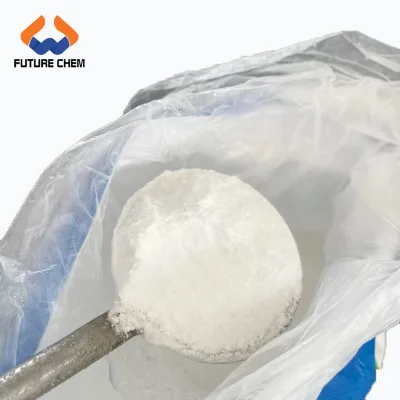
The physical appearance of methyl palmitate varies across suppliers, with listings describing it as a white powder, colorless liquid, or pale yellow substance. This discrepancy highlights the importance of verifying the specific physical state required for your application. Some suppliers list the product as a powder with a refined quality, while others describe it as a colorless liquid with industrial grade specifications. Buyers should request clear photographs or technical data sheets that match the exact physical form needed for their processing equipment, as handling requirements differ substantially between powders and liquids.
Packaging options also show significant variation, with common formats including 25kg cartons, drums, and 200kg containers. The choice of packaging affects logistics, storage, and handling efficiency. For instance, 25kg drums are often preferred for smaller-scale operations or where frequent inventory turnover is necessary, while 200kg drums may offer cost advantages for high-volume users. Additionally, some listings mention single package sizes of 20x10x10 cm, which suggests smaller, bottle-based packaging for laboratory or sample use. Buyers must evaluate their storage capacity and handling capabilities to select the most appropriate packaging format.
Technical Specifications to Verify
Purity and assay levels are critical technical parameters for methyl palmitate, with many listings specifying a minimum assay of 99% or a purity of 99%. However, buyers should not assume that all products labeled as "organic intermediate" meet this standard without verification. The presence of impurities can affect the efficiency of downstream chemical reactions or the stability of final formulations. It is essential to request a Certificate of Analysis (CoA) for each batch to confirm that the actual assay matches the supplier's claim. Additionally, verifying the molecular formula (C17H34O2 for methyl palmitate) ensures that the correct compound is being supplied, distinguishing it from other fatty acid esters.
Physical properties such as boiling point, density, and flash point are also key specifications to verify. Methyl palmitate typically has a boiling point range of 237-255°C and a density of approximately 0.968 g/ml. The flash point is listed around 244°C, which is crucial for safe storage and transportation. Solubility data, including water solubility of 13 g/l or 50 mg/ml, helps determine compatibility with other solvents or reaction media. Buyers should cross-reference these values with their process requirements to ensure that the material's physical characteristics align with their manufacturing parameters.
Compliance and Safety Documentation
Safety data sheets (SDS) are mandatory for the procurement of chemical intermediates, providing essential information on handling, storage, and emergency response. Buyers must ensure that the supplier provides an up-to-date SDS that complies with local regulations in the destination country. The SDS should detail the hazards associated with methyl palmitate, including its flammability and potential health effects. Additionally, verifying the product's classification under global harmonized system (GHS) standards is important for proper labeling and transport compliance.
Quality certifications such as ISO 9001 indicate that the supplier has a certified quality management system in place. While this does not guarantee the quality of every batch, it suggests a structured approach to production and testing. Buyers should inquire about the supplier's internal quality control procedures, including how they handle batch-to-batch consistency and traceability. Requesting samples for independent testing before placing large orders is a prudent step to verify that the product meets all specified quality and safety standards.
Cost Drivers and Commercial Terms
The price of methyl palmitate is influenced by several factors, including purity, packaging, and order volume. The observed price range of $1 to $203.88 USD reflects these variations, with higher prices typically associated with higher purity grades or smaller packaging units. Buyers should analyze the total cost of ownership, including shipping, handling, and storage costs, rather than focusing solely on the unit price. Bulk orders often benefit from economies of scale, but buyers must balance this with their inventory holding costs and storage capacity.
Delivery times and lead times are also significant commercial terms. Some suppliers offer delivery within 3 days or 48 hours, which is beneficial for urgent orders or just-in-time manufacturing. However, faster delivery may come at a premium cost. Buyers should negotiate clear delivery terms and penalties for delays to mitigate supply chain risks. Additionally, understanding the supplier's stock status is crucial; products listed as "in stock" are more likely to be delivered quickly, while out-of-stock items may require longer lead times.
Supplier Qualification and Quality Control
Supplier qualification involves assessing the supplier's reputation, production capabilities, and financial stability. Buyers should verify the supplier's origin, with many listings indicating production in China, particularly in Shandong province. While this does not inherently affect quality, it may influence logistics and communication. Requesting references from other clients and checking online reviews can provide insights into the supplier's reliability and customer service. Additionally, verifying the supplier's business license and export credentials is essential to ensure legal compliance.
Quality control processes should be transparent and well-documented. Buyers should ask about the supplier's testing protocols, including the frequency of testing and the methods used to verify purity and physical properties. Inquiring about the supplier's ability to provide customizations or free samples can also be useful for evaluating their flexibility and customer focus. Establishing a clear communication channel for addressing quality issues and returns is crucial for maintaining a successful long-term relationship.
Long-Term Procurement Checks
Long-term procurement success depends on continuous monitoring of supplier performance and market trends. Buyers should regularly review supplier deliveries, quality consistency, and responsiveness to issues. Establishing key performance indicators (KPIs) such as on-time delivery rate, defect rate, and customer satisfaction score can help quantify supplier performance. Regular audits or site visits, if feasible, can provide deeper insights into the supplier's operations and quality management systems.
Market dynamics for methyl palmitate may change due to fluctuations in raw material costs, regulatory changes, or supply chain disruptions. Buyers should stay informed about these trends to anticipate potential price increases or shortages. Diversifying the supplier base can mitigate risks associated with single-source dependency. Additionally, exploring alternative suppliers or materials that meet similar specifications can provide flexibility and bargaining power. Regularly updating procurement strategies based on market intelligence ensures that the organization remains competitive and resilient.
FAQs
What is the CAS number for Organic Intermediate Methyl Palmitate
The CAS number for Organic Intermediate Methyl Palmitate is 112-39-0. This identifier is used to distinguish it from other esters and intermediates in chemical databases. Verifying this number ensures you are sourcing the correct compound for your specific synthesis or formulation needs.
What is the typical purity level of methyl palmitate
The typical purity level for methyl palmitate is 99% minimum. This high assay level is standard for industrial and organic synthesis applications. Buyers should verify the certificate of analysis to confirm that the specific batch meets this purity requirement before proceeding with large orders.
What are the standard packaging options for methyl palmitate
Standard packaging for methyl palmitate includes 25kg drums and 200kg containers. These formats are designed for industrial handling and storage. Selecting the appropriate package size depends on your consumption rate and warehouse capacity, with 25kg units offering greater flexibility for smaller operations.
What is the physical appearance of methyl palmitate
Methyl palmitate typically appears as a white powder or a colorless to pale yellow liquid. The specific appearance may vary slightly depending on the grade and storage conditions. It is important to check the product description to ensure the physical state matches your processing requirements.
What is the boiling point of methyl palmitate
The boiling point of methyl palmitate is approximately 237 to 255 degrees Celsius. This high boiling point indicates stability under standard storage conditions. Understanding this property is crucial for designing distillation or purification processes in your production line.
What is the density of methyl palmitate
The density of methyl palmitate is 0.968 g/ml. This value is useful for calculating volume-based dosages and logistics planning. Accurate density data helps in determining the weight of the product within standard packaging units like drums or cartons.
What is the solubility of methyl palmitate in water
Methyl palmitate has low water solubility, with a value of approximately 50 mg/ml or 13 g/L. This limited solubility means it is typically used in organic solvents or non-aqueous systems. Formulators should account for this property when designing emulsions or mixtures.
What is the typical lead time for methyl palmitate
The typical lead time for methyl palmitate is 3 to 5 days. This timeframe allows for standard shipping and handling from the supplier. Buyers should confirm specific delivery times based on their location and order volume to ensure production schedules are met.