Source Organic Hotian Jujube Dates for Snacks, Health, and Medical
Compare 30 listings for Organic Hotian Jujube Dates from Chinese suppliers. Buyers can evaluate drying methods, nutrient profiles, and packaging options for healthy food, snacks, and medical applications.
Key considerations
Products List


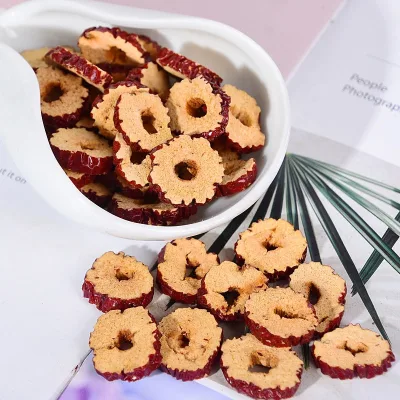


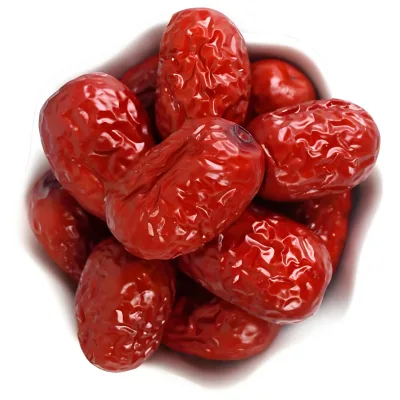
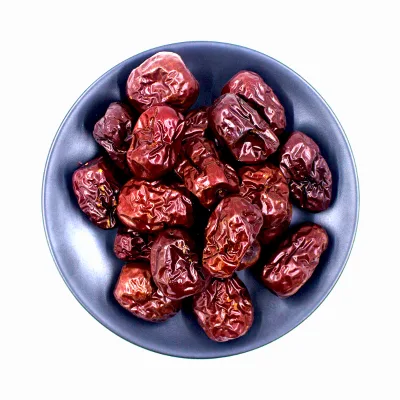

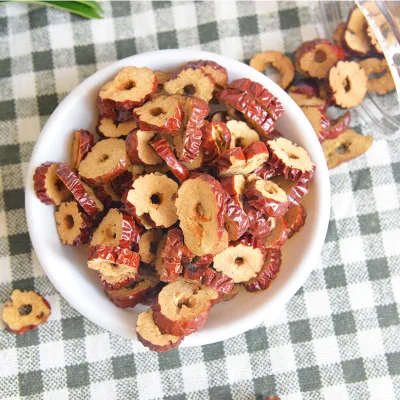
Dried Dates in Bulk Wholesale Dry Dates Honey Dates Preserved Dates Price
$1000.00 - $1200.00
MOQ: 1 Tons


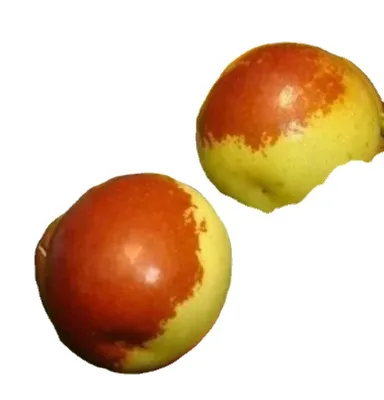


Comprehensive Sourcing Guide
Strategic Sourcing Guide for Organic Hotian Jujube Dates
Understanding the Product Profile and Varieties
The core keyword "Organic Hotian Jujube Dates" refers to a specific botanical and agricultural product derived from the Ziziphus jujuba tree, specifically cultivated in the Hotan region of China. In the B2B procurement landscape, buyers must distinguish between general dried jujube products and those with specific geographic indications. The observed market data indicates that "Hotian Jujube" is a distinct variety, often grouped with "Ruoqiang Jujube" and "Shanxi Jujube" as key types available in the supply chain. These fruits are characterized by their natural red to purplish-red skin and a shape that is typically round or indehiscent, meaning the fruit does not split open upon drying.
When sourcing this commodity, the physical appearance is a primary verification point. The product is described as having a "Natural Red" color, with specific listings noting a "Red Dried Date" appearance. The texture is critical for end-use; the taste profile is consistently observed as "Natural Sweet" and "Chewy," which is a result of the drying process. The drying method is a significant differentiator in quality; high-grade organic Hotian jujubes are often "Natural Sun Dried," a process that preserves the integrity of the fruit without artificial heat intervention. This method aligns with the "Organic" designation, which often requires minimal processing. Buyers should verify that the "Processing Method" matches the organic certification requirements, as some suppliers may offer alternative drying techniques that do not meet strict organic standards.
Technical Specifications and Quality Parameters
Technical specifications form the backbone of any procurement contract for dried agricultural products. For Hotian jujube dates, several observable parameters define the product's grade and suitability for specific applications. The physical dimensions are often standardized by count per weight. Market observations show a standard of "60/70/100/130pcs per 500g," which allows buyers to select sizes based on their packaging needs, ranging from "60 PCS/500g" to larger counts for smaller pieces. The shape is consistently noted as "Round," and the product is classified as an "Indehiscent" fruit type.
Moisture content is a critical technical specification that affects shelf life and microbial stability. Data indicates a moisture range of "18-22%" for certain grades, while other specifications list a "Max. Moisture (%)" of 25%. This variance suggests that buyers must explicitly define the acceptable moisture ceiling in their purchase orders to prevent spoilage or mold growth during transit. The nutrient composition is another key technical factor. These dates are rich in "Mineral, Vitamin, Protein, Amino Acid, and Lipid." This broad nutrient profile supports their classification as "Healthy Food" and "Snacks," as well as their use in "Medical" and "Health Preservation" applications.
Packaging specifications are equally vital for logistics. The observed packaging formats include "Carton" and "10kg/Carton" or "12kg/Carton" configurations. Some listings mention "Pag" or generic "Packing" terms, which are less precise. Procurement teams should insist on clear carton specifications, such as weight per unit and material strength, to ensure the product survives the supply chain. The "Standard" for the product can vary from "moderate" to specific size grades like "32-36mm," and buyers must align these with their internal quality control protocols.
Compliance, Certification, and Regulatory Standards
Sourcing "organic" products requires rigorous verification of certification status. The supply chain for Hotian jujubes often references compliance with major international standards, including "EU/USDA/Canada/Mexico Organic" certifications. These designations are not merely marketing terms but legal requirements for selling organic goods in those jurisdictions. Buyers must request valid certificates from the supplier that explicitly cover the "Hotian Jujube" variety and the specific crop year, such as the "2024" crop observed in market data.
In addition to organic status, general food safety standards are essential. While specific test results are not provided in the general data, the attribute "Impurity: Not Detected" is a common quality claim that buyers should verify through third-party laboratory testing. The "Standard" field in supplier data sometimes lists "organic" alongside other descriptors, indicating that the product may meet multiple criteria. However, buyers should not assume that all listed products are certified; the "Standard" field can also indicate "Kinds of Grade" or "moderate" quality, which are non-organic classifications. Therefore, the procurement strategy must include a clause requiring the submission of current, valid organic certificates for every batch.
Furthermore, the origin of the product is a critical compliance factor. The data confirms the "prod_origin" as "China," specifically the Hotan region. For buyers in the EU or North America, verifying the traceability of the supply chain from the specific orchard in Hotan to the final packing facility is necessary to ensure the "Hotian" designation is authentic and not a mislabeled generic jujube.
Cost Drivers and Pricing Dynamics
The pricing of Organic Hotian Jujube Dates is influenced by several dynamic factors, including crop quality, certification costs, and packaging requirements. The observed price range in the market is broad, spanning from $0.9 to $2100 USD. This wide variance is likely due to the difference between bulk raw material pricing and finished, certified, packaged goods sold in smaller retail quantities. For B2B procurement, the unit price is typically determined by the "MOQ" (Minimum Order Quantity). The observed MOQ range is from 1 to 1830 units, with specific listings showing an MOQ of "500kg" for certain organic batches.
Higher prices are generally associated with stricter certifications, such as "EU/USDA" organic status, and smaller, more precise packaging like "10kg/Carton" or "12kg/Carton" rather than bulk bags. The "Crop" year also impacts cost; "New Crop" dates often command a premium due to their superior freshness and nutrient retention compared to older stock. Additionally, the "Sugar: Without Add" attribute is a value-add feature that can influence pricing, as it indicates a pure product without sweeteners or preservatives. Buyers should be aware that the "Standard" of the product, whether it is "32-36mm" or a specific grade, will directly correlate with the unit cost. Larger, uniform fruits typically cost more per kilogram than mixed-grade or smaller varieties.
Typical Applications and End-Use Markets
The versatility of Organic Hotian Jujube Dates makes them suitable for a diverse range of industries. The primary application is as a "Healthy Food" and "Snack," capitalizing on the natural sweetness and chewy texture. However, the market data highlights significant potential in the "Medical" and "Health Preservation" sectors. The rich nutrient composition, including "Protein, Amino Acid, Vitamin, Mineral, and Lipid," supports their use in functional foods, dietary supplements, and traditional medicine formulations.
In the food processing industry, these dates can be used as an ingredient in baked goods, teas, and confectionery. The "Natural Sun Dried" processing method ensures that the fruit retains its bioactive compounds, making it ideal for high-end health products. The "Taste" profile of "Natural Sweet" allows for their use as a natural sweetener alternative in recipes, reducing the need for added sugars. The "Usage" category explicitly lists "Healthy Food" and "Snacks," but the "Application" field expands this to include medical and health preservation uses. Buyers should tailor their sourcing strategy based on the end-market; for example, medical applications may require stricter impurity controls and specific nutrient testing, while snack applications may prioritize texture and appearance.
Supplier Evaluation and Quality Control Protocols
Evaluating suppliers for Organic Hotian Jujube Dates requires a multi-faceted approach. First, verify the supplier's ability to provide the specific "Kinds of Jujube" requested, such as "Hotan Jujube" or "Ruo Qiang Jujube." The "prod_model" codes, such as "d-1," "red date," "PJJ2401," or "H2," can serve as internal reference points for specific product lines, but buyers should rely on descriptive attributes rather than model numbers alone.
Quality control should focus on the "Storage" conditions. While some listings indicate "Room Temperature" storage, others specify "Low Temperature" requirements. This discrepancy highlights the need for buyers to define the storage conditions required for their specific supply chain to maintain the "Shelf Life," which can range from "12 Months" to "24 Months." The "Strength: Suitable for Storage" attribute suggests that the product is durable, but proper handling is essential.
Buyers must also assess the "Customization: Available" status. Many suppliers offer customization options, which can be crucial for meeting specific packaging or grading requirements. However, customization should not compromise the organic integrity of the product. The "Standard" of the product, whether "moderate" or "organic," must be clearly defined in the contract. Additionally, the "Shape" and "Color" should be verified upon receipt against the "Natural Red" and "Round" specifications. A robust quality control protocol should include sampling for moisture content (targeting the 18-22% range), impurity checks, and nutrient analysis to ensure the "Nutrient Composition" matches the supplier's claims.
Long-Term Procurement and Supply Chain Stability
Securing a long-term supply of Organic Hotian Jujube Dates requires a strategic approach to relationship management and risk mitigation. The "Crop: New Crop" attribute indicates that supply is seasonal, and buyers should plan their inventory around the harvest cycle to ensure access to the freshest product. The "Shelf Life" of 12 to 24 months provides a buffer, but storage conditions must be strictly controlled to maintain quality.
Buyers should consider the "Standard" of the product in the context of future market trends. As demand for organic and functional foods grows, the "EU/USDA/Canada/Mexico Organic" certifications will become increasingly important for market access. Establishing a relationship with a supplier who can consistently provide these certifications and maintain the "Natural Sun Dried" processing method will be key to long-term success.
Furthermore, the "MOQ" of 500kg for certain organic batches suggests that buyers need to have sufficient demand to justify the order size. For smaller buyers, the lower MOQ range of 1 unit may be available, but the unit cost will likely be higher. Buyers should also monitor the "Lead Time" and "Location" of the supplier, as the product originates from "China." Logistics planning should account for the distance and potential transit times to ensure the product arrives within the optimal storage window. By focusing on these long-term considerations, buyers can build a resilient supply chain that delivers high-quality Organic Hotian Jujube Dates consistently.
FAQs
What is the shelf life of Organic Hotian Jujube Dates?
The shelf life ranges from 12 to 24 months depending on storage conditions. Buyers should verify if the product requires low temperature or room temperature storage to maintain quality throughout the designated period.
Which certifications are available for Organic Hotian Jujube Dates?
Certifications include EU, USDA, Canada, and Mexico Organic standards. These designations verify the product meets specific international organic requirements for the Hotan region variety.
How is the moisture content controlled in dried jujube dates?
Moisture content typically falls between 18 and 22 percent with a maximum limit of 25 percent. Strict control prevents mold growth and ensures the product remains suitable for long-term storage.
Can suppliers customize packaging for organic jujube dates?
Customization is available for various packaging needs such as 10kg or 12kg cartons. Buyers should confirm specific carton specifications to ensure the product survives the supply chain effectively.
What are the main varieties of Hotian jujube dates available?
Main varieties include Hotan Jujube, Ruo Qiang Jujube, and Shanxi Jujube. These distinct types are characterized by their natural red skin and round, indehiscent shape.
What is the typical minimum order quantity for organic dates?
Minimum order quantities range from 1 unit to 1830 units, with specific batches requiring 500kg. Larger orders often secure better pricing for certified organic products.
How are Organic Hotian Jujube Dates processed?
The processing method is typically natural sun drying without artificial heat intervention. This method preserves the fruit's integrity and aligns with strict organic certification standards.