Source Multi Touch Interactive Game Floor for Schools, Malls, Resorts
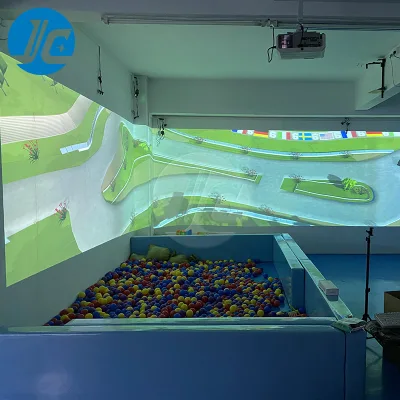
Find and compare 30 listings for Multi Touch Interactive Game Floor solutions suitable for schools, shopping malls, and resorts. Buyers can review specifications like game count, material, and customization options to select the right equipment for commercial or recreational use.
Key considerations
Products List
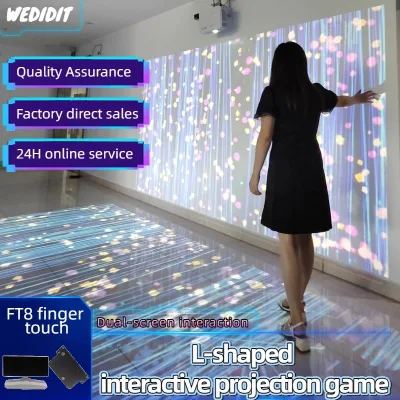
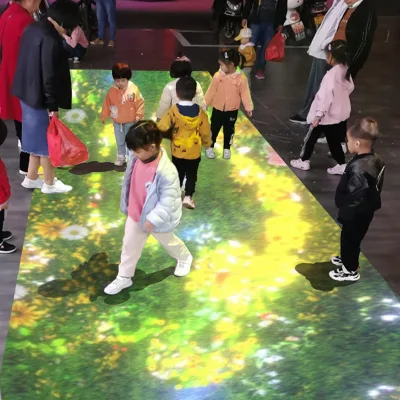
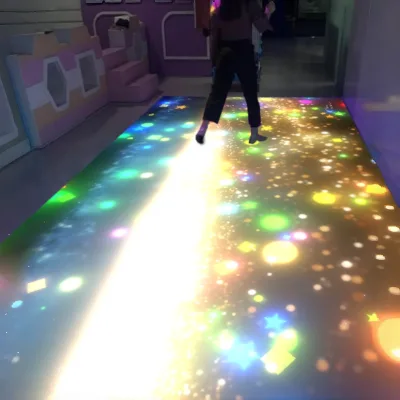


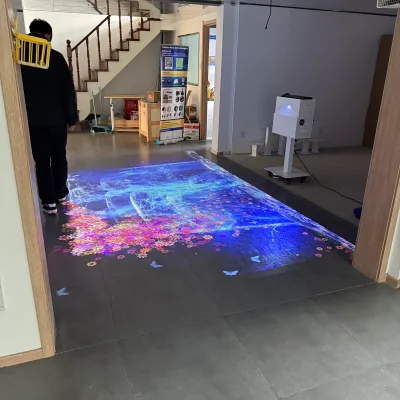
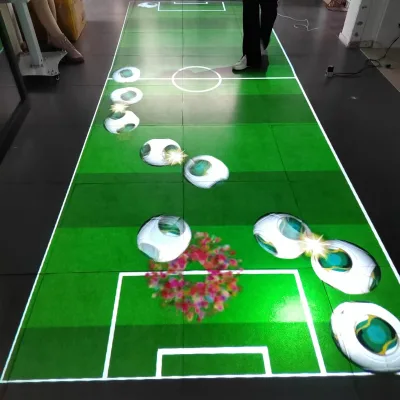
Interactive Floor Projection System Kids Interactive Projection Game Equipment
$1750.00 - $1900.00
MOQ: 1 Sets


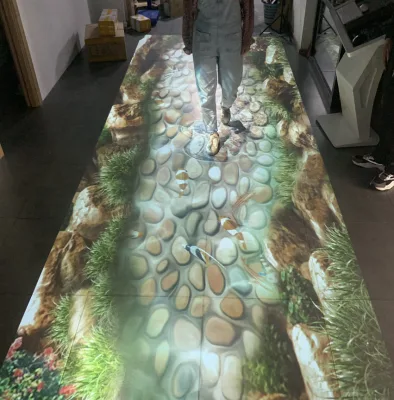
Immersive Interactive Outdoor Floor Projection All in One Amusement Centre
$4200.00 - $4500.00
MOQ: 1 Sets


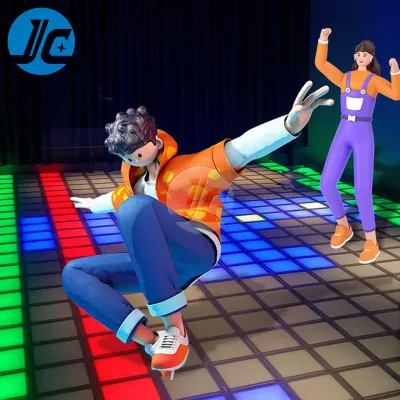
LED Interactive Dance Floor 30*30cm Active Game LED Floor for Game Room
$16.00 - $20.00
MOQ: 20 Pieces


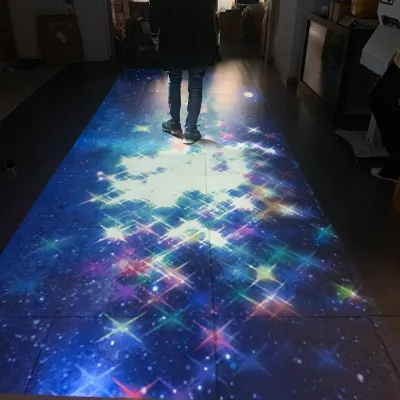




Comprehensive Sourcing Guide
Strategic Sourcing Guide for Multi-Touch Interactive Game Floors
Understanding the Product Category and Core Specifications
The multi-touch interactive game floor represents a sophisticated intersection of hardware engineering and immersive software design, designed to transform static flooring into dynamic play surfaces. These systems typically utilize pressure-sensitive or optical projection technologies to detect user movement and interaction, creating an environment where the floor itself becomes the primary interface. Based on current market observations, these units are frequently categorized by their interaction type, with "Touch interaction" being a primary classification. The physical construction often involves durable materials such as high-grade plastic or PVC, selected to withstand the repetitive impact of foot traffic while maintaining optical clarity for projection systems.
When evaluating the technical specifications of these units, buyers must distinguish between different model configurations. For instance, specific product lines are identified by model numbers such as FT8+28games or FT8 with 28 floor games, indicating a baseline of 28 distinct interactive games included in the software suite. Other advanced configurations, such as the JM-immersive or JM-ARKID-045 models, may offer expanded capabilities, including up to 100 or 50 PCS of game content. The projection technology is a critical component, with some units boasting brightness levels of 4100 lumens to ensure visibility in well-lit commercial environments. The physical footprint of these systems varies; single package dimensions can range from compact units measuring 33x20x12 cm to larger, custom-sized installations. The weight of individual units is also a factor in logistics, with observed gross weights ranging from 1.850 kg to 7 kg per item, depending on the complexity of the internal hardware and the protective packaging used.
Compliance, Certification, and Safety Standards
Safety and regulatory compliance are paramount when sourcing interactive flooring for public or commercial use. The primary concern for procurement officers is ensuring that the equipment meets international safety standards, particularly regarding electrical safety and material toxicity. In the observed market data, specific certifications such as CE and TUV are mentioned in association with allowable passenger capacities, such as 5 persons per unit. These certifications are not merely marketing terms but are essential indicators that the product has undergone rigorous testing for electrical safety, electromagnetic compatibility, and mechanical stability.
Buyers must verify the "Allowable Passenger" limits, which are often tied directly to the certification status. A unit certified for 5 passengers implies a specific load-bearing capacity and structural integrity that must be maintained during operation. Furthermore, the material composition, whether plastic or PVC, must be non-toxic and fire-retardant, especially for installations in schools, kindergartens, or amusement parks. The "Condition" of the product is typically listed as "New," but buyers should request test reports to confirm that the materials meet current environmental and safety regulations. It is crucial to note that while some listings mention specific standards like "345261168.2mm" or "41.52237 cm," these often refer to packaging or specific model dimensions rather than universal safety standards. Therefore, the buyer must explicitly request documentation confirming compliance with local building codes and safety regulations relevant to the installation location, rather than relying solely on the generic certification labels provided in product descriptions.
Cost Drivers and Pricing Variables
The pricing structure for multi-touch interactive game floors is highly variable, influenced by a complex matrix of factors including customization, software licensing, and hardware specifications. The observed price range in the market spans from $16 to $25,000 USD, a disparity that reflects the difference between small-scale, single-unit packages and large, fully integrated commercial installations. The lower end of this spectrum typically corresponds to smaller, standardized units with limited game libraries and basic packaging, while the higher end encompasses custom-engineered solutions with extensive software suites, high-brightness projectors, and durable commercial-grade materials.
Several specific cost drivers influence the final quote. First, the "Customization" factor is significant; products marked as "Customized" or with "Customized Size" options generally command a premium due to the engineering and manufacturing adjustments required. Second, the number of included games is a direct cost driver, with models offering 28 games priced differently from those offering 50 or 100 games. Third, the projection technology, specifically the brightness level (e.g., 4100 lumens), adds to the hardware cost. Additionally, logistics and packaging play a role; options such as "Air Shiping," "Ocean Shipping," or "Air Freight Express" will impact the total landed cost. The Minimum Order Quantity (MOQ) also affects pricing, with observed ranges from 1 to 100 units. Buyers purchasing in bulk may negotiate better rates, but the unit price will still fluctuate based on the specific configuration of the order, including the choice of materials, the complexity of the software, and the required certifications.
Typical Applications and Usage Environments
The versatility of multi-touch interactive game floors allows them to be deployed across a wide array of environments, from educational institutions to high-end commercial resorts. The observed "Occasion" attributes highlight a broad spectrum of use cases, including schools, city parks, shopping malls, adventure parks, commercial centers, resort places, kindergartens, and training centers. This adaptability is driven by the system's ability to provide engaging, physical activity in a controlled indoor or outdoor setting.
In educational settings, these floors serve as tools for kinesthetic learning, allowing children to interact with educational content through movement. In commercial spaces like shopping malls and amusement parks, they function as entertainment attractions that draw foot traffic and increase dwell time. For resorts and hotels, they offer a unique amenity for guests, particularly families with children. The "Age" suitability is another critical factor; while some units are designed for children aged 3-12 years, others are rated for adults or those over 12 years, ensuring that the content and physical demands of the game are appropriate for the target demographic. The "Indoor" classification suggests that many units are optimized for controlled environments, though the "Outdoor" models, such as those with specific model numbers like JM-AR-OUT01, are designed to withstand external conditions. The "Entertainment Projects" associated with these floors, such as trampolines or various game modes, further define their application, making them suitable for both passive observation and active participation.
Supplier Evaluation and Sourcing Strategy
When evaluating potential suppliers for multi-touch interactive game floors, buyers must look beyond the basic product listing and assess the supplier's capability to deliver a complete solution. The "Place of Origin" is a key indicator, with major manufacturing hubs identified as Hunan, China, and Guangdong, China. While these regions are known for their manufacturing capabilities, buyers should verify the specific factory's experience with interactive projection systems and their track record in exporting to their target market.
Key evaluation criteria include the supplier's ability to handle customization requests, as evidenced by the "Customization: Available" and "is_customized: Yes" attributes. A capable supplier should be able to modify the physical dimensions, software content, and branding to meet specific project requirements. The "Warranty" period is another critical metric; observed warranties range from 12 months to 1 year, and buyers should seek suppliers who offer extended warranty options or comprehensive after-sales support. Additionally, the "prod_packing" methods, such as "Air Shiping" or "Ocean Shipping," indicate the supplier's logistical competence. Buyers should request references from previous clients who have installed similar systems in comparable environments to validate the supplier's reliability. It is also essential to verify the "prod_standard" details, ensuring that the supplier adheres to consistent quality control processes regardless of the specific model number, such as JM-AR-tramp4 or JM-AR-Floor020102.
Quality Control and Long-Term Procurement Considerations
Ensuring the long-term viability of the investment requires a robust quality control (QC) strategy and a clear understanding of the product's lifecycle. The "Condition" of the product is typically listed as "New," but buyers must implement a rigorous inspection protocol upon receipt. This includes verifying the integrity of the projection hardware, the responsiveness of the touch sensors, and the durability of the surface material. The "Single gross weight" and "Single package size" data provided in the specifications should be cross-referenced with the actual shipment to ensure no components are missing or damaged during transit.
Long-term procurement considerations also involve the scalability of the system. As technology evolves, the software content may need to be updated or expanded. Buyers should inquire about the supplier's policy on software updates and whether the hardware is compatible with future versions of the game content. The "Games" count, whether 28, 50, or 100, should be viewed as a starting point, with the expectation that the system can be expanded. Furthermore, the "Color" options, which may be "White" or "Picture/Customized," should be selected with future maintenance in mind; custom colors may require specialized cleaning agents or replacement parts. Finally, the "Allowable Passenger" limit must be strictly adhered to in operational guidelines to prevent premature wear and tear or safety incidents. By prioritizing suppliers who offer transparent QC processes and flexible long-term support, buyers can ensure that their investment in multi-touch interactive game floors remains a valuable asset for years to come.
Comparative Analysis of Key Product Attributes
To facilitate a clearer decision-making process, the following table summarizes the key attributes observed across different product models, highlighting the variations in specifications, materials, and intended use cases.
| Attribute | Model FT8 Series | Model JM-Immersive/ARKID | Model JM-AR-Outdoor | General Observation |
|---|---|---|---|---|
| Model Number | FT8+28games / FT8 with 28 floor games | JM-immersive / JM-ARKID-045 | JM-AR-OUT01 | Models vary by game count and environment |
| Material | Plastic | PVC | PVC | Durable materials essential for high traffic |
| Games Count | 28 | 50 PCS | 100 PCS | Higher game counts often correlate with higher cost |
| Brightness | Not specified | 4100 lumens | Not specified | High lumens required for commercial visibility |
| Age Group | Children, Adults | 3-12 Years | >12 Years | Age suitability dictates content and safety features |
| Packaging | Air Shiping | Air Freight Express | Air Transport | Logistics method impacts delivery time and cost |
| Origin | Hunan, China | Guangdong, China | Guangdong, China | Major manufacturing hubs in China |
| Warranty | Not specified | 12 Month / 1 Year | Not specified | Standard warranty is typically 1 year |
| Customization | Yes | Available | Customized Size | Customization is a key differentiator |
This comparative analysis underscores the importance of matching specific product attributes to the buyer's unique requirements. Whether the priority is a high game count, specific age suitability, or a custom size for a unique venue, the data suggests that a tailored approach is necessary. By carefully reviewing these attributes and verifying them against the supplier's capabilities, buyers can make informed decisions that align with their strategic goals and operational needs.
FAQs
What is the allowable passenger capacity for these units?
The allowable passenger capacity is typically 5 persons per unit. This limit is associated with CE and TUV certifications to ensure structural integrity and safety during operation in commercial or school environments.
Which materials are used to construct the interactive floor?
The interactive floors are constructed using durable materials such as plastic or PVC. These materials are selected to withstand repetitive foot traffic while maintaining optical clarity for projection systems in indoor or outdoor settings.
How many games are included in the software suite?
Software suites vary by model, offering options with 28, 50, or 100 games. Specific models like FT8 include 28 floor games, while advanced configurations such as JM-immersive may support up to 100 interactive game titles.
Can the product be customized for specific project needs?
Yes, the product is available for customization with options for size and branding. Buyers can request custom dimensions and tailored game content to fit specific requirements for resorts, schools, or commercial amusement parks.
What is the warranty period for the interactive game floor?
The standard warranty period is 12 months or 1 year depending on the specific model. Buyers should verify the warranty terms with the supplier to ensure coverage for hardware and software components during the initial operation phase.
Where are these products typically manufactured and shipped from?
Products are manufactured in Hunan and Guangdong, China, with shipping options including air and ocean freight. The single package size varies from 33x20x12 cm to larger custom sizes, and weights range from 1.85 kg to 7 kg per item.