Source Original Parts Quality Rearview Mirror for Cars, Trucks, and Motorcycles
Find Original Parts Quality Rearview Mirror options for automotive and motorcycle applications. Compare 30 listings featuring steel and ABS materials, ISO certifications, and various OE numbers to identify suitable replacements for repair and maintenance needs; compare the available evidence and request quotations based on your requirements.
Key considerations
Products List


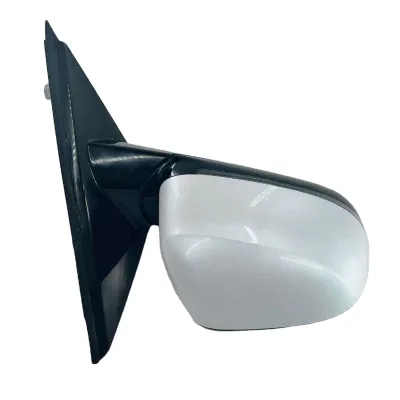


Car Interior Accessory Back Rear View Adjustable Convex Rotatable Mirror
$0.60 - $0.90
MOQ: 1000 Pieces
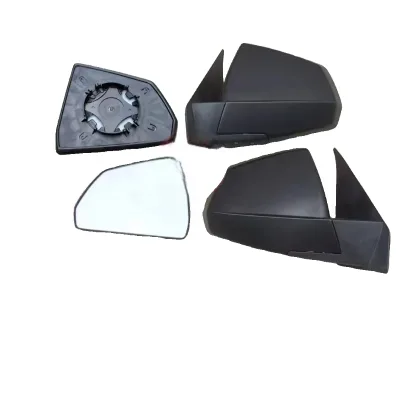
Comprehensive Sourcing Guide
Original Parts Quality Rearview Mirror Sourcing Guide
Procuring original parts quality rearview mirrors requires a disciplined approach to verifying component authenticity and functional integrity. Buyers must distinguish between genuine OEM replacements and aftermarket alternatives that mimic original specifications. The market offers various options, including remanufactured units and new copies, each presenting different risk profiles regarding fitment and durability. Understanding these distinctions is critical for maintaining vehicle safety standards and ensuring long-term operational reliability.
Sourcing decisions should be guided by clear technical requirements and supplier transparency. Many listings indicate materials such as steel or ABS, with certifications like ISO9001 or SGS, which serve as baseline indicators of manufacturing capability. However, buyers must verify that these credentials apply to the specific mirror assembly being purchased. Cross-referencing part numbers, such as DZ13241770912 or X6 G06, with vehicle manufacturer databases helps confirm compatibility and prevents costly procurement errors.
Product Scope and Observed Listing Signals
The current market landscape for rearview mirrors includes a diverse range of product types, from outer rear view mirrors to general motorcycle accessories. Listings frequently highlight attributes such as electrical or manual controlling types, with view angles specified at 120 degrees. Buyers should note that product origins vary, with significant supply coming from regions like Guangdong and Chongqing in China. These geographic indicators can influence logistics planning and supply chain resilience, requiring careful evaluation of shipping methods like ocean freight or palletized delivery.
Observed listing signals reveal a wide spectrum of packaging and condition states. Products are described as remanufactured, new, or copy, with packaging ranging from polybags and color boxes to standard cartons. Some entries specify model numbers like 2645654 or 1406627, while others use generic descriptors like "Adaptation Car." Buyers must scrutinize these details to ensure the selected mirror matches their specific vehicle model, such as the X6 G06, and meets the required pixel resolution or spherical mirror type for optimal visibility.
Technical Specifications to Verify
Technical verification begins with confirming the mirror material and structural composition. Listings indicate materials such as steel for the housing and glass for the mirror surface, with some ABS variants available. Buyers must ensure that the specified material aligns with the vehicle’s original equipment manufacturer (OEM) standards to prevent corrosion or structural failure. Additionally, the controlling type, whether electrical or manual, must match the vehicle’s existing wiring and mechanical systems to ensure seamless integration and functionality.
Size and fitment specifications are equally critical for successful procurement. Observed data includes dimensions like 2.4 inches or standard sizes, alongside specific model codes such as 1106953 or 0356495. Buyers should verify that the mirror’s position, typically outside, and its view angle meet safety regulations. Cross-checking these technical parameters against the vehicle’s service manual or OEM parts catalog ensures that the purchased mirror provides the correct field of view and physical compatibility, avoiding installation issues.
Compliance and Safety Documentation
Compliance with international standards is essential for ensuring the safety and legality of rearview mirrors. Listings often reference certifications such as ISO9001 or SGS, which indicate adherence to quality management systems. Buyers must request valid certification documents to verify that the manufacturer maintains consistent production standards. These certifications help mitigate risks associated with defective products and ensure that the mirrors meet recognized industry benchmarks for durability and performance.
Safety documentation should also include test reports and material safety data sheets. Buyers should verify that the mirror glass and housing materials comply with relevant automotive safety regulations. While some listings mention specific standards like 1kg or 5kg weight limits, these are often indicative rather than prescriptive. Buyers must confirm that the product meets the specific regulatory requirements of their target market, ensuring that the mirrors do not pose a hazard in the event of an accident or sudden stop.
Cost Drivers and Commercial Terms
Cost drivers for rearview mirrors include material quality, manufacturing complexity, and certification status. Products with higher specifications, such as electrical controls or premium glass, typically command higher prices. Buyers should analyze the price range, which can vary significantly based on these factors. Understanding the cost structure helps in budgeting and negotiating favorable terms with suppliers, ensuring that the procurement aligns with the project’s financial constraints without compromising on quality.
Commercial terms such as MOQ and lead times also impact the total cost of ownership. Observed MOQs range from 1 to 40,000 units, allowing for flexibility in order sizes. Buyers should negotiate terms that accommodate their inventory needs, considering factors like storage capacity and demand fluctuations. Additionally, shipping methods, whether ocean freight or palletized delivery, affect logistics costs. Clear communication regarding these terms ensures a smooth procurement process and minimizes unexpected expenses.
Supplier Qualification and Quality Control
Supplier qualification is a critical step in ensuring the reliability of rearview mirror procurement. Buyers should assess suppliers based on their production capabilities, quality control processes, and customer feedback. Suppliers with ISO9001 certification and a history of producing original parts quality mirrors are preferable. Verifying the supplier’s ability to meet specific customization needs, such as unique packaging or model adaptations, further enhances confidence in their reliability.
Quality control measures should be integrated into the procurement process to prevent defects. Buyers should request samples for inspection before placing bulk orders. These samples should be tested for fitment, functionality, and durability. Establishing clear quality acceptance criteria and conducting regular audits of the supplier’s production line helps maintain consistent product quality. This proactive approach reduces the risk of receiving substandard mirrors and ensures that the final product meets the buyer’s expectations.
Long-Term Procurement Checks
Long-term procurement checks involve continuous monitoring of supplier performance and product quality. Buyers should establish key performance indicators (KPIs) to track delivery times, defect rates, and customer satisfaction. Regular reviews of these metrics help identify potential issues early and allow for corrective actions. Maintaining open communication with suppliers fosters a collaborative relationship, enabling joint problem-solving and continuous improvement in product quality and service.
Additionally, buyers should stay informed about changes in automotive standards and market trends. This awareness helps in anticipating future requirements and adapting procurement strategies accordingly. Regularly updating the supplier database and evaluating new market options ensures access to the best available products. By implementing these long-term checks, buyers can sustain a reliable supply chain and maintain high standards of original parts quality rearview mirrors for their operations.
FAQs
What materials are used for original parts quality rearview mirrors?
Original parts quality rearview mirrors are commonly constructed using steel and ABS materials. Some models feature glass mirrors with spherical designs. Buyers should verify specific material compositions against their vehicle requirements before placing orders.
Which certifications do Original Parts Quality Rearview Mirror manufacturers hold?
Manufacturers often hold ISO9001 and ISO certifications for their production processes. These standards ensure consistent quality control during manufacturing. Buyers must request valid certification documents to confirm compliance with international safety and quality benchmarks.
How can I find original parts quality rearview mirrors with customization options?
Customization is available for many Original Parts Quality Rearview Mirror models. Suppliers can adjust specifications like size, color, and packing methods to meet specific buyer needs. Contact vendors directly to discuss your unique customization requirements.
What is the typical MOQ for Original Parts Quality Rearview Mirror orders?
The minimum order quantity ranges from 1 to 40,000 units depending on the supplier. Smaller buyers can often start with low MOQs while larger buyers may negotiate bulk pricing. Always confirm the specific MOQ with the vendor before finalizing the purchase.
Can original parts quality rearview mirrors be sourced from China?
Yes, many original parts quality rearview mirrors originate from China, specifically Guangdong and Chongqing regions. These locations host numerous factories capable of producing high-volume orders. Buyers should verify the exact place of origin for each supplier.
What packaging options are available for original parts quality rearview mirrors?
Packaging options include polybags with color boxes, cartons, and pallets for ocean freight. Some suppliers offer regular packaging while others use specific carton dimensions. Select the packaging type that best suits your logistics and shipping requirements.
Which car models are compatible with original parts quality rearview mirrors?
These mirrors are designed for various models including the X6 G06 and general motorcycles. Specific part numbers like 2645654 or 1406627 indicate compatibility with certain vehicles. Always cross-reference the OE number with your vehicle specifications.