Source Orthodontic Dental Chair with Sandblasting System for Clinics
Find and compare 27 Orthodontic Dental Chair with Sandblasting System options from China. Evaluate models like KJ-917 and A6 series based on CE/ISO certification, material, and configuration to select the right unit for your practice.
Key considerations
Products List


Ergonomic Dental Patient Chair with Multi Position Adjustment System
$3100.00 - $3200.00
MOQ: 1 Pieces


High Quality Dental Equipment Dental Chair with LED Light for Dentists
$2371.00 - $2800.00
MOQ: 1 Pieces




Comprehensive Sourcing Guide
Orthodontic Dental Chair with Sandblasting System Sourcing Guide
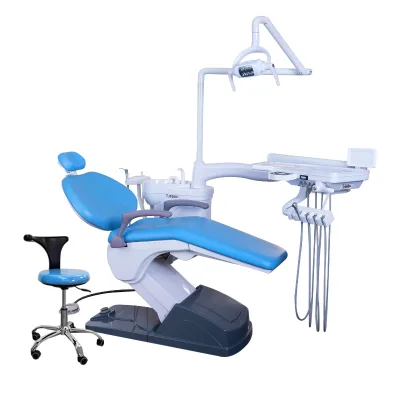
The Orthodontic Dental Chair with Sandblasting System represents a specialized integration of patient positioning and surface preparation capabilities within a single clinical unit. While the supplied product data confirms the existence of multifunctional dental units designed for both adult and pediatric applications, buyers must carefully distinguish between standard dental chairs and those explicitly equipped with integrated sandblasting systems for orthodontic procedures. The observed listings indicate a range of models, including the KJ-917 series and A-series implants, which feature varying configurations such as LED sensors, halogen lamps, and specific cushion materials like PU or leather. Procurement decisions should focus on verifying whether the sandblasting functionality is an integrated component of the chair's chassis or a separate attachment, as the provided facts highlight diverse interface options including four-hole configurations and rotatable handpiece holders.
Buyers must navigate a market where product attributes vary significantly across different model years and configurations, such as the KJ-917(2012) versus the KJ-917(2018) versions. The observed data suggests that while many units share common origins in Foshan, China, and carry certifications like CE and ISO, the specific application of sandblasting technology requires explicit confirmation in the product specification sheet. The presence of "Multifunctional" and "Luxury" style tags in the listings implies a broad spectrum of feature sets, but the core requirement for an orthodontic sandblasting system demands a rigorous review of the mechanical interface and power source compatibility. Since the observed power sources range from electricity to machinery, ensuring the unit can support the additional load and control logic of a sandblasting module is a critical first step in the sourcing process.
Product Scope and Observed Listing Signals
The product scope for orthodontic dental chairs with sandblasting systems encompasses a variety of configurations, from simple, single-function units to complex, multifunctional setups designed for high-volume clinics. The observed listings reveal a price range spanning from 9 to 99,999 USD, indicating a vast disparity in market positioning that likely correlates with the complexity of the sandblasting integration and the quality of materials used. Models such as the A6 and A7 series demonstrate that manufacturers offer different packaging standards, ranging from wooden cases to crates, which directly impacts the logistics and protection of sensitive mechanical components during transit. Buyers should interpret these price signals as indicators of the underlying build quality, with higher price points potentially reflecting more robust chassis mobility and advanced lighting systems like the dual-purpose yellow and white LED lamps observed in the data.
Listing signals also provide critical insights into the physical dimensions and capacity of the units, which are essential for clinic layout planning. The observed specifications include dimensions such as 13001000800mm and 144103108cm, alongside volume measurements like 1.8 CBM, which help buyers estimate the spatial requirements for installation. The "Simple" and "Luxury" style tags suggest that the sandblasting system may be presented in different aesthetic finishes, including blue, yellow, green, red, or white color options, to match various clinic decors. However, the presence of these varied attributes in a single dataset underscores the necessity for buyers to filter listings based on the specific functional requirement of the sandblasting system, rather than relying solely on general style or color preferences.
Technical Specifications to Verify
Verifying the technical specifications of the dental chair is paramount, particularly regarding the interface and power requirements for the sandblasting system. The observed data lists a "4 Holes" interface and a "Dental Chair Chassis" with mobility, but buyers must confirm if these interfaces are compatible with the specific tubing and control valves required for sandblasting operations. The power source is listed variably as "Electricity" or "Machinery," and it is crucial to determine if the electrical supply can handle the additional load of the sandblasting compressor or if a separate machinery source is mandated. Furthermore, the "Dental Handpiece Holder" is noted as rotatable, which is a positive feature, but the buyer must verify if this rotation mechanism interferes with the sandblasting nozzle positioning or if the system includes a dedicated, fixed mounting point for the abrasive delivery.
Material composition and structural integrity are equally critical when evaluating the longevity of the sandblasting system. The observed material is listed as "Metal," and the spittoon is described as tempered glass or ceramic, but the specific grade of metal used for the chassis and the sandblasting housing must be confirmed to ensure resistance to corrosion from abrasive materials. The cushion material, identified as PU or leather, should be evaluated for its resistance to dust and debris generated during sandblasting procedures, as standard upholstery may degrade quickly in such an environment. Additionally, the "Safety Switch" is mentioned in the listings, and buyers must verify that this switch effectively isolates the sandblasting function in case of an emergency, ensuring that the high-pressure abrasive flow can be immediately halted without compromising the patient's safety.
Compliance and Safety Documentation
Compliance and safety documentation for orthodontic dental chairs with sandblasting systems must extend beyond the standard CE and ISO certifications observed in the product listings. While the data confirms the presence of CE and ISO marks, buyers should request specific documentation that addresses the safety of the sandblasting process, including pressure ratings, dust containment protocols, and operator safety guidelines. The "ISOCondition:New" tag suggests that some units may be marketed as meeting specific new standards, but the exact standard number, such as ISO1348 mentioned in the background context, should be verified against the actual product certificate to ensure it covers the sandblasting component. Without explicit documentation linking the certification to the sandblasting system, the unit may not be compliant with local occupational health and safety regulations regarding abrasive dust exposure.
Safety features observed in the listings, such as the "Safety Switch" and "LED Light," are foundational but insufficient on their own for a sandblasting application. Buyers must verify that the unit includes a dedicated emergency stop mechanism specifically for the sandblasting function, separate from the chair's recline or hydraulic controls. The "Dental Chair Chassis" mobility is a key feature, but in the context of sandblasting, the stability of the unit during high-pressure operation must be confirmed to prevent accidental movement that could cause injury. Additionally, the "Condition: New" status should be validated through a physical inspection or a detailed warranty certificate, as refurbished units may have compromised seals or worn components that pose a safety risk when handling abrasive materials.
Cost Drivers and Commercial Terms
Cost drivers for orthodontic dental chairs with sandblasting systems are heavily influenced by the complexity of the integrated sandblasting module and the quality of the chassis materials. The observed price range of 9 to 99,999 USD suggests that the cost is not merely a function of the chair's basic structure but is significantly impacted by the inclusion of specialized sandblasting technology, which may involve custom engineering, high-grade metal components, and advanced control systems. Buyers should anticipate that units with "Luxury" styling and "Multifunctional" capabilities, such as the dual-purpose LED lamps and rotatable handpiece holders, will command a premium price due to the added value of these integrated features. The "Customization: Available" attribute further indicates that bespoke configurations for sandblasting systems can increase costs, as they require additional engineering and testing time.
Commercial terms, including MOQ and packaging, play a significant role in the total cost of ownership for these specialized units. The observed MOQ range of 1 to 10 units suggests flexibility for smaller clinics, but buyers should negotiate based on the specific configuration required, as custom sandblasting integrations may have higher minimum order requirements. The packaging options, ranging from "Wooden Case" to "Crate," directly affect shipping costs and the risk of damage during transit, with heavier units like those with a gross weight of 200kg requiring specialized handling. Buyers must also consider the lead time implications of the "1300m1000m780m" packing dimensions, as these large volumes may necessitate full container loads to be economically viable, influencing the decision to purchase single units versus bulk orders.
Supplier Qualification and Quality Control
Supplier qualification for orthodontic dental chairs with sandblasting systems requires a thorough vetting process that goes beyond the basic origin information provided in the listings. While the data indicates that products originate from China, specifically Foshan, buyers must verify the supplier's manufacturing capabilities to ensure they can produce the complex sandblasting integration without compromising the chair's structural integrity. The presence of multiple model numbers, such as KJ-917 and A-series, suggests a diverse product line, but buyers should request evidence of the supplier's experience with sandblasting-specific modifications, including past project references and technical support capabilities. The "Customization: Available" tag implies that the supplier offers tailored solutions, but this capability must be backed by a robust quality control system to ensure that custom sandblasting modules meet the required performance standards.
Quality control measures must be explicitly defined in the procurement agreement, focusing on the testing of the sandblasting system's durability and safety. Buyers should require pre-shipment inspections that specifically test the sandblasting nozzle pressure, the durability of the metal chassis under abrasive conditions, and the functionality of the safety switches. The observed "Condition: New" status should be verified through a comprehensive inspection protocol that checks for any signs of wear or manufacturing defects that could affect the sandblasting performance. Additionally, the supplier should provide a detailed quality assurance plan that outlines the testing procedures for the "Dental Chair Chassis" mobility and the "Dental Handpiece Holder" rotation, ensuring that these mechanical components function seamlessly with the sandblasting system.
Long-Term Procurement Checks
Long-term procurement checks for orthodontic dental chairs with sandblasting systems should focus on the availability of spare parts and the supplier's commitment to after-sales support. The observed "Customization: Available" attribute suggests that parts may be unique to specific configurations, making it essential to secure a long-term supply agreement for critical components like sandblasting nozzles, control valves, and specialized tubing. Buyers must verify the supplier's inventory management practices to ensure that replacement parts are readily available, preventing extended downtime in the clinic. The "Wooden Case" and "Crate" packaging options indicate that the units are designed for robust transport, but the long-term maintenance of the sandblasting system requires a dedicated service plan that includes regular inspections and calibration of the abrasive delivery mechanism.
Performance monitoring and periodic re-evaluation of the sandblasting system's efficiency are critical for maintaining clinical standards over time. Buyers should establish a schedule for checking the "Dental Chair Chassis" stability and the "Safety Switch" functionality, as wear and tear from frequent sandblasting operations can compromise these safety features. The "LED Light" and "Halogen Lamp" systems should also be monitored for consistent performance, as the sandblasting process may generate dust that affects lighting visibility. Finally, buyers should maintain a record of the "prod_model" and "prod_standard" for each unit to ensure that any future upgrades or replacements are compatible with the existing infrastructure, preserving the integrity of the orthodontic department's equipment ecosystem.
FAQs
What certifications do orthodontic dental chairs typically hold?
Orthodontic dental chairs generally hold CE and ISO certifications to ensure compliance with international safety and quality standards. These certifications verify that the manufacturing processes and final products meet rigorous regulatory requirements for medical devices. Buyers should verify specific certification documents provided by suppliers to confirm validity and scope for their local market regulations.
Which materials are used in constructing these dental units?
These dental units are primarily constructed using metal materials to ensure durability and structural integrity. The chassis and frame often utilize stainless steel or similar robust alloys to withstand frequent clinical use. Additional components may include tempered glass for spittoons and PU or leather for cushions, providing a balance of hygiene, comfort, and long-term reliability in professional settings.
Can the dental chair be customized for specific clinic needs?
Yes, customization is available for many orthodontic dental chair models to suit specific clinic requirements. Buyers can often select from various color options, cushion materials, and lighting configurations such as halogen or LED sensors. This flexibility allows clinics to align the equipment with their branding and functional preferences while maintaining standard operational capabilities.
What is the typical packaging method for shipping these units?
The typical packaging method involves wooden cases or crates to protect the unit during transit. This robust packaging ensures that the dental chair arrives without damage, safeguarding sensitive components like the light, handpiece holder, and control systems. The packaging dimensions and weight are designed to optimize container space while providing adequate protection for international shipping logistics.
How is the power source managed for these dental chairs?
These dental chairs are powered by electricity, ensuring consistent performance for all integrated functions. The power system supports components such as the dental handpiece holder, LED lights, and mobility chassis. Buyers should ensure their clinic has adequate electrical infrastructure to support the specific voltage and amperage requirements of the unit for safe and efficient operation.
What safety features are included in modern orthodontic dental chairs?
Modern orthodontic dental chairs include safety features such as safety switches and stable chassis designs. These features help prevent accidental activation and ensure patient stability during procedures. The inclusion of mobility options allows for easy repositioning while maintaining a secure base, contributing to a safer clinical environment for both practitioners and patients during extended treatments.