Source Orthopedic Rehabilitation Equipment for Hospitals Clinics
Find 30 Orthopedic Rehabilitation Equipment options including anterior thoracic plate systems and EECp machines. Compare specifications, certifications, and pricing for hospitals, rehab centers, and home use applications.
Key considerations
Products List


Orthopedics Equipment Anterior Thoracolumber Plate System Medical Equipment
$299.00 - $599.00
MOQ: 1 Sets


Diabetic Treatment Instrument Physical Therapy Rehabilitation Equipment Medical Health
$15000.00 - $17000.00
MOQ: 1 Pieces


Medical Fracture Immobilization Back Orthosis Lumbar Spinal Brace Thoracolumbar Orthosis
$17.00 - $26.00
MOQ: 100 Pieces

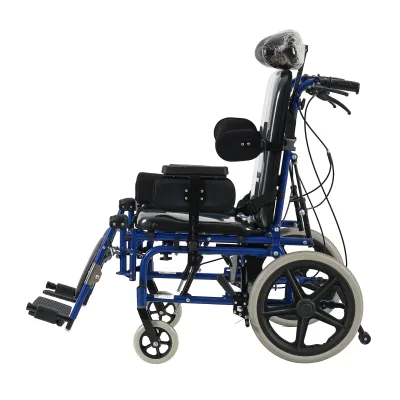

CE-Certified Rehabilitation Equipment for Optimal Physical Therapy Solutions
$3599.00 - $3899.00
MOQ: 1 Pieces


Upper and Lower Limb Rehabilitation Device Parameters of Limb Rehabilitation Device
$3332.00 - $4165.00
MOQ: 1 Pieces



Comprehensive Sourcing Guide
Strategic Sourcing Guide for Orthopedic Rehabilitation Equipment
The global market for Orthopedic Rehabilitation Equipment has expanded significantly, driven by an aging population and increased focus on post-surgical recovery. For procurement professionals, navigating this sector requires a disciplined approach that distinguishes between high-tech diagnostic tools, therapeutic devices, and surgical fixation systems. This guide provides a structured framework for sourcing Orthopedic Rehabilitation Equipment, focusing on technical specifications, regulatory compliance, and supply chain reliability based on current industry observations.
Technical Specifications and Functional Capabilities
When evaluating Orthopedic Rehabilitation Equipment, the primary focus must be on the specific functional capabilities required for the intended clinical setting. The market offers a diverse range of products, from passive therapeutic devices to active diagnostic systems. For instance, advanced rehabilitation machines often feature integrated display systems to monitor patient progress. Some units are equipped with LCD displays to provide real-time feedback, while others operate without screens, relying on manual controls or external monitoring. The presence or absence of an LCD display is a critical specification that dictates the user interface complexity and the training required for medical staff.
Power requirements and physical dimensions are equally vital for facility planning. Devices such as electric compression therapy machines typically operate on standard voltage ranges, often accommodating 110-220V to ensure compatibility across different regions. The physical footprint of the equipment, including dimensions like 153x65x59 cm for certain diagnostic scanners, must be verified against the available floor space in rehabilitation centers or hospitals. Furthermore, the material composition is a key differentiator. High-quality orthopedic equipment frequently utilizes medical-grade materials to ensure biocompatibility and durability. For example, diagnostic tools may incorporate AI machine vision recognition systems with optical resolutions of 1920x1080, enabling precise foot scanning for custom orthotic fabrication.
The application scope of the equipment also varies. While some devices are designed specifically for hand rehabilitation, others are tailored for broader applications in foot clinics, physiotherapy centers, or general hospital settings. Features such as non-invasive operation and the ability to improve blood circulation are standard expectations for therapeutic devices. Buyers should verify whether the equipment supports multiple languages for operation and if customization options are available to meet specific institutional needs. The distinction between reusable and single-use components is another technical factor that impacts long-term operational costs and waste management protocols.
Regulatory Compliance and Certification Verification
Compliance with international and local regulatory standards is non-negotiable in the medical device sector. Procurement teams must rigorously verify that all Orthopedic Rehabilitation Equipment carries the necessary certifications before finalizing a purchase. Common certifications observed in the market include CE marking and ISO 13485, which indicate compliance with European safety standards and quality management systems for medical devices. Additionally, FDA approval is a critical benchmark for equipment intended for the North American market, ensuring that the device has undergone rigorous testing for safety and efficacy.
The classification of the instrument is another vital compliance metric. Many orthopedic devices fall under Class II, which implies a moderate to high risk and requires special controls to ensure safety and effectiveness. Buyers must confirm the instrument classification listed in the product documentation to ensure it aligns with the regulatory requirements of the destination country. Certifications such as ISOCE are also frequently cited, though the specific scope of these certifications should be cross-referenced with the product's intended use.
It is essential to treat certification claims as observations that require independent verification rather than absolute guarantees. Suppliers may list certifications like CE/ISO13485 or FDA, but the procurement process must include a request for valid certificate copies and verification of their current status. The origin of the product, often listed as China with specific production hubs like Xiamen or Chongqing, does not inherently determine quality but necessitates a closer look at the manufacturer's quality control history. Buyers should also check for specific product standards, such as those related to packaging (e.g., carton standards) and shipping dimensions, which can affect logistics and storage compliance.
Cost Drivers and Pricing Structures
Understanding the cost drivers for Orthopedic Rehabilitation Equipment is essential for budgeting and financial planning. The price range for these devices can be vast, spanning from $0.10 to $50,000 USD, depending on the complexity, technology level, and intended application. High-end diagnostic systems, such as AI-powered foot scanners with advanced optical resolution, command higher prices due to their sophisticated software and hardware integration. In contrast, simpler orthopedic fixation systems or basic therapeutic tools may fall on the lower end of the spectrum.
The Minimum Order Quantity (MOQ) is a significant factor influencing the total cost of acquisition. Observed MOQs in the market range from 1 set to 100 units. For smaller clinics or pilot programs, suppliers offering an MOQ of 1 set provide flexibility, allowing for a trial run without a massive upfront investment. Conversely, large hospital networks may negotiate better unit prices by ordering in bulk, adhering to higher MOQ thresholds. Buyers should also consider the cost implications of customization. While customization is often available, it can increase the unit price and extend lead times.
Packaging and shipping costs are additional variables that affect the total landed cost. Equipment is often shipped in specialized packaging, such as fumigated wooden cases, nylon sleeves, and foam inserts, to prevent damage during transit. The dimensions of the shipping carton, which can range from standard sizes to large crates measuring 39x29x14 cm or larger, directly impact freight charges. Buyers must factor in these logistical costs when comparing quotes from different suppliers. Additionally, the warranty period, typically ranging from one year, can influence the perceived value and long-term cost of ownership, as it covers potential repair or replacement expenses.
Typical Applications and Clinical Integration
Orthopedic Rehabilitation Equipment serves a wide array of clinical applications, ranging from diagnostic assessment to therapeutic intervention. Diagnostic tools, such as AI foot scanners, are commonly deployed in foot clinics, physiotherapy centers, and even retail shoe stores to provide precise measurements for custom orthotics. These devices utilize machine vision to analyze foot structure, supporting features like multi-language interfaces and intelligent operation to streamline the patient intake process.
Therapeutic devices are designed to facilitate recovery and improve patient outcomes. Electric compression therapy machines, for example, are used in rehabilitation centers, hospitals, and home care settings to improve blood circulation and reduce swelling. These non-invasive devices are particularly valuable for post-surgical patients recovering from orthopedic procedures. The ability to operate in a home environment expands the reach of rehabilitation services, allowing for continuous care outside of clinical facilities.
Surgical fixation systems, such as anterior thoracic and thoracolumbar plate systems, are integral to the surgical phase of orthopedic care. These instruments, often classified under orthopedics and designed for adult patients, provide structural support during bone healing. The specific model, such as Atps01 or Atps02, indicates the intended anatomical application. The reuse capability of certain instruments is a key consideration for surgical departments, where sterilization and maintenance protocols must be strictly followed. Understanding the specific application of each device ensures that the procurement strategy aligns with the clinical workflow and patient needs.
Supplier Evaluation and Quality Assurance
Selecting the right supplier is a critical step in the procurement process. Buyers should evaluate suppliers based on their ability to provide consistent quality, reliable after-sales support, and adherence to delivery timelines. A key indicator of supplier reliability is the availability of online technical support, which ensures that any operational issues can be resolved promptly. The warranty period, often one year, serves as a baseline for supplier commitment to product quality.
Quality control measures should be a primary focus during supplier evaluation. Buyers must verify that the manufacturer implements strict quality control protocols throughout the production process. This includes checking for proper packaging standards, such as the use of wooden cases and foam inserts, which protect the equipment during shipping. The origin of the product, whether from Xiamen or Chongqing, should be cross-referenced with the supplier's track record in exporting medical devices.
Transparency in product attributes is another essential criterion. Suppliers should provide clear information regarding the product name, model, material, and certification status. For instance, a supplier offering an "Anterior Thoracic Plate System" should clearly distinguish it from an "Anterior Thoracolumbar Plate System" to avoid confusion. The availability of customization options, such as machine color or specific branding, can also indicate a supplier's flexibility and responsiveness to client needs.
Long-Term Procurement Considerations
Sourcing Orthopedic Rehabilitation Equipment is not a one-time transaction but a long-term partnership that requires careful planning. Buyers should consider the lifecycle of the equipment, including maintenance, spare parts availability, and potential upgrades. The feature of reusability for certain instruments means that the supplier must provide guidance on sterilization and maintenance to ensure the equipment remains safe and effective over time.
The integration of new technologies, such as AI and machine vision, suggests that future upgrades may be necessary to keep pace with industry advancements. Buyers should inquire about the supplier's roadmap for software updates and hardware compatibility. Additionally, the environmental impact of packaging and disposal should be considered, especially for equipment shipped in wooden cases and foam materials.
Finally, the financial implications of the procurement should be evaluated in the context of the total cost of ownership. While the initial purchase price is important, the long-term costs associated with maintenance, training, and potential replacements must be factored into the decision-making process. By adopting a strategic approach that considers technical specifications, compliance, cost drivers, applications, supplier reliability, and long-term needs, procurement professionals can secure high-quality Orthopedic Rehabilitation Equipment that meets the evolving demands of the healthcare sector.
FAQs
What certifications are available for Orthopedic Rehabilitation Equipment?
Products often carry CE, ISO13485, FDA, and ISOCE certifications. Buyers must verify valid certificate copies for each specific device before purchase to ensure regulatory compliance in their target market.
Which models exist for anterior thoracic plate systems?
Available models include Atps01 and Atps02 for anterior thoracolumbar applications. These systems are designed for adult patients and are classified as orthopedic equipment with specific model identifiers.
Can buyers customize the color of the equipment?
Customization is available for machine colors like black or specific brand colors. Buyers should confirm customization options and potential lead time impacts when placing orders with suppliers.
What is the minimum order quantity for these devices?
The minimum order quantity ranges from 1 set to 100 units depending on the product. Smaller clinics can start with 1 set, while larger networks may negotiate bulk pricing for higher volumes.
How are the products packaged for shipping?
Packaging includes wooden cases, nylon sleeves, foam inserts, and carton boxes. Specific dimensions vary, such as 39x29x14 cm or 153x65x59 cm, affecting logistics and freight costs.
Where are the manufacturing facilities located?
Products originate from specific Chinese locations like Xiamen and Chongqing. Buyers should verify the exact production origin to assess supply chain reliability and export capabilities.
What warranty is provided for the equipment?
A standard one-year warranty is typically included with the purchase. This coverage helps manage repair or replacement costs, though terms may vary by supplier and product type.