Source Orthopedic Surgical Caliper for Fracture Fixation, Angle Measurement, and Implant Sizing
Compare 30 Orthopedic Surgical Caliper options from verified Chinese manufacturers. Buyers can evaluate models for bone fracture fixation, angle measurement, and implant sizing with varying certifications and MOQs.
Key considerations
Products List
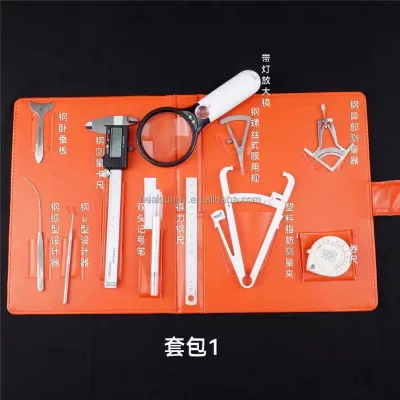
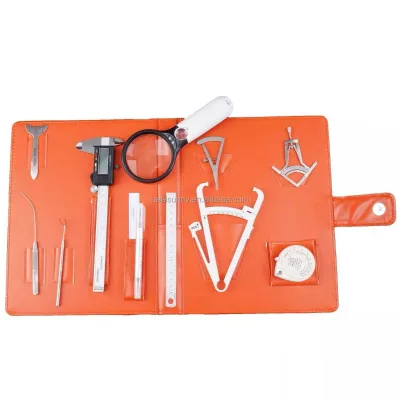


Orthopedic Surgical Instruments Table Rod Cutter with CE/ISO Certificates
$405.00 - $407.00
MOQ: 1 Pieces


Lower Limbs Plates Orthopedic Instruments Kit for Lower Limbs Fixation
$500.00 - $624.00
MOQ: 1 Pieces


Veterinary Orthopedic Medical Instrument Basic Equipment Instruments Surgical Instruments
$850.00 - $870.00
MOQ: 1 Pieces

Comprehensive Sourcing Guide
Orthopedic Surgical Caliper Sourcing Guide
Sourcing orthopedic surgical calipers requires a disciplined approach to distinguishing between general measurement instruments and specialized tools designed for precise anatomical assessment. These devices are critical for preoperative planning, intraoperative decision-making, and postoperative evaluation in procedures ranging from joint replacements to fracture fixation. Buyers must recognize that while the core function remains measuring dimensions, the specific design features—such as material composition, tip geometry, and calibration stability—vary significantly based on the intended surgical application. This guide provides a structured framework for evaluating suppliers, verifying technical specifications, and ensuring compliance with regulatory standards to secure reliable procurement outcomes.
The procurement landscape for these instruments is characterized by a wide range of product classifications, from simple manual calipers to complex measurement kits integrated with other surgical tools. Observations from current market listings indicate a diverse inventory that includes plastic surgery measurement kits, nasal rhinoplasty measuring tools, and general orthopedic angle rulers. Buyers should not assume that all listed items are interchangeable; instead, they must align their specific clinical needs with the exact product attributes provided by suppliers. Understanding the distinction between reusable metal instruments and disposable variants is essential for managing inventory costs, sterilization protocols, and long-term operational efficiency.
Product Scope and Observed Listing Signals
Current market data reveals a broad spectrum of orthopedic and related surgical measurement tools, with observed price points ranging from $5 to $2,000 USD. This variance reflects differences in material quality, complexity of the kit, and included certifications. Minimum Order Quantities (MOQs) are typically low, ranging from 1 piece to 10 sets, which facilitates trial orders and small-scale procurement for specialized clinics. Buyers should note that while some listings offer single-item purchases, others may bundle multiple instruments into comprehensive kits, such as the "plastic surgery measurement kit" or sets labeled as A, B, and C. It is crucial to verify whether the quoted price includes calibration certificates, packaging, and shipping, as these factors can significantly impact the total cost of ownership.
The product attributes observed in listings highlight a mix of materials and classifications, primarily focusing on metal and steel constructions for durability and precision. Some items are classified as Class I medical devices, which often implies a lower risk profile and potentially simpler regulatory pathways, though this must be verified against local regulations. Listings also indicate specific applications such as orthopedic implant usage, bone fracture fixation, and neurosurgery, suggesting that buyers must carefully match the instrument’s design to its intended surgical field. Additionally, features like "Micro-Arc Oxidation" surface treatment on titanium components suggest a focus on biocompatibility and corrosion resistance, which are critical for instruments that may come into contact with bodily fluids or require repeated sterilization cycles.
Technical Specifications to Verify
When evaluating orthopedic surgical calipers, the material composition is a primary technical consideration. Listings indicate the use of stainless steel, titanium, and even plastic variants for specific applications like nasal rhinoplasty. Buyers must verify the grade of metal used, as higher-grade stainless steel or titanium alloys offer superior strength, corrosion resistance, and compatibility with autoclave sterilization. For titanium instruments, surface treatments such as Micro-Arc Oxidation may be employed to enhance biocompatibility and wear resistance. It is essential to confirm that the material specifications align with the instrument’s intended reuse cycle and sterilization method, as improper material selection can lead to premature degradation or contamination risks.
Precision and calibration are equally critical technical factors that require rigorous verification. While some listings mention "Orthopedic Angle Ruler" or "Nasal Rhinoplasty Measuring" functions, buyers must ensure that the calipers provide accurate, repeatable measurements within acceptable tolerances. The model numbers observed, such as PSM-003, PSM-004, and 766, suggest that suppliers offer multiple variants with distinct specifications. Buyers should request detailed technical drawings or measurement accuracy data to confirm that the instrument meets the clinical requirements for their specific procedures. Additionally, the packaging dimensions and weight, such as a single gross weight of 1.5 kg for certain kits, should be considered for logistics planning and storage efficiency, ensuring that the instruments are protected during transit and easy to handle in the operating room.
Compliance and Safety Documentation
Regulatory compliance is a non-negotiable aspect of sourcing orthopedic surgical instruments. Listings frequently mention certifications such as CE, FDA, and ISO/MD, indicating that the products may meet international safety and performance standards. Buyers must verify the validity and scope of these certifications, ensuring that they cover the specific model and class of the instrument being purchased. For instance, while some items are listed with ISOCE certification, others may carry CE and ISO marks, which require different verification processes depending on the target market. It is crucial to obtain copies of the certificates and cross-reference them with official regulatory databases to confirm their authenticity and current status.
In addition to product-specific certifications, buyers should inquire about the manufacturer’s quality management systems. Although ISO 13485 is mentioned in background knowledge as a relevant standard for medical device manufacturers, its presence in specific listings should be confirmed. This standard ensures that the manufacturer has implemented a robust quality management system tailored to the medical device industry, covering design, production, and post-market surveillance. Buyers should also verify that the instruments are produced in facilities that adhere to Good Manufacturing Practices (GMP) and that the documentation provided includes traceability records, batch numbers, and sterilization validation reports if applicable.
Cost Drivers and Commercial Terms
The cost of orthopedic surgical calipers is influenced by several factors, including material quality, manufacturing complexity, and regulatory compliance. High-grade materials like titanium and specialized surface treatments such as Micro-Arc Oxidation contribute to higher production costs, which are reflected in the final price. Additionally, the inclusion of multiple instruments in a kit, such as the "plastic surgery measurement kit" or sets with various colors and configurations, can increase the overall cost. Buyers should analyze the cost structure to understand the value proposition of each option, ensuring that they are not paying for unnecessary features while still meeting their clinical and safety requirements.
Commercial terms and payment conditions also play a significant role in the procurement process. Listings indicate that suppliers may require a 30% advance payment for orders, with the balance due upon shipment or delivery. Buyers should negotiate clear terms regarding shipping methods, such as DHL, UPS, FedEx, or air cargo, and clarify who bears the responsibility for customs duties and import taxes. The observed MOQs of 1 to 10 units suggest flexibility for small orders, but buyers should also explore volume discounts for larger purchases. It is advisable to establish a clear agreement on lead times, return policies, and warranty coverage to mitigate financial risks and ensure a smooth transaction process.
Supplier Qualification and Quality Control
Supplier qualification is a critical step in ensuring the reliability and consistency of orthopedic surgical calipers. Buyers should assess the supplier’s experience and reputation in the medical device industry, noting that some listings mention over 50 years of experience. This longevity can be an indicator of stability and expertise, but it should be corroborated with recent performance data and customer references. Additionally, suppliers offering OEM/ODM services may provide customized solutions, but buyers must ensure that the customization process maintains strict quality control and regulatory compliance. It is essential to verify the supplier’s ability to provide consistent product quality across multiple orders and their capacity to scale production if demand increases.
Quality control measures should be rigorously evaluated before finalizing any procurement agreement. Buyers should request information on the supplier’s inspection processes, including incoming material inspections, in-process quality checks, and final product testing. The use of standardized packaging, such as PE bags and cartons, indicates a level of care in handling and shipping, but buyers should also verify that the packaging protects the instruments from damage and contamination. Furthermore, suppliers should provide documentation on their sterilization processes, if applicable, and ensure that the instruments are free from defects such as burrs, misalignments, or calibration errors. Establishing a clear quality assurance protocol with the supplier can help prevent issues and ensure that the instruments meet the required clinical standards.
Long-Term Procurement Checks
Long-term procurement success depends on establishing a robust supplier relationship and implementing continuous monitoring mechanisms. Buyers should conduct regular audits of the supplier’s quality management system and production facilities to ensure ongoing compliance with regulatory standards and internal quality requirements. This includes verifying that the supplier maintains up-to-date certifications and adheres to the latest industry best practices. Additionally, buyers should monitor the supplier’s performance metrics, such as on-time delivery rates, product defect rates, and responsiveness to issues, to identify potential risks and address them proactively. Building a strong partnership with a reliable supplier can lead to better pricing, improved service, and greater flexibility in meeting changing clinical needs.
It is also important to stay informed about changes in regulatory requirements and market trends that may impact the procurement of orthopedic surgical calipers. Buyers should regularly review the latest guidelines from regulatory bodies such as the FDA and CE marking authorities to ensure that their procurement practices remain compliant. Additionally, staying updated on technological advancements in surgical instruments can help buyers identify opportunities for improving clinical outcomes and operational efficiency. By maintaining a proactive approach to supplier management and regulatory compliance, buyers can ensure a steady supply of high-quality orthopedic surgical calipers that support their clinical objectives and patient care standards.
FAQs
What is the minimum order quantity for these tools?
The minimum order quantity is one set or one piece depending on the specific model. Some listings indicate an MOQ of 1 Set while others specify 1 PC. Buyers should verify the exact requirement for the selected model number before placing an order.
Which certifications do these surgical instruments hold?
These instruments hold certifications including CE, FDA, ISO, and ISOCE. Specific product pages list CE, FDA, and ISO/MD as valid certificates. Buyers should confirm the exact certification documents provided by the supplier for their specific order.
Can these products be customized for specific needs?
Yes, customization is available for these surgical tools. The product attributes explicitly state that customization options are offered to meet buyer requirements. Buyers can request specific modifications through the OEM or ODM services provided by the manufacturer.
What materials are used to manufacture these calipers?
The materials used include metal and steel for durability. Some specific items are described as being made of metal while others specify steel construction. The surface treatment may involve micro-arc oxidation for titanium components to enhance performance.
How are these items packaged for shipping?
Items are packaged in PE bags with inner and outer cartons or individual plastic bags. Some listings specify a single package size of 10x20x30 cm with a gross weight of 1.5 kg. The packaging ensures safe transport via air cargo or courier services.
Where are these orthopedic instruments manufactured?
These instruments are manufactured in China, specifically in Zhangjiagang, Jiangsu. The place of origin is consistently listed as Jiangsu, China across multiple product entries. Buyers can expect the production facilities to be located within this region.
What is the typical lead time for these orders?
Lead times are not explicitly stated in the provided product facts. Buyers must contact the supplier directly to confirm the specific production and shipping duration. Payment terms often require a 30% advance order before production begins.