Source Orthopedic Pulse Irrigator for Joint Replacement, Wound Cleaning, Surgery
Find 30 Orthopedic Pulse Irrigator options for joint replacement, wound cleaning, and surgical procedures. Compare specifications, certifications, and prices from verified suppliers to select the right device for your medical needs.
Key considerations
Products List
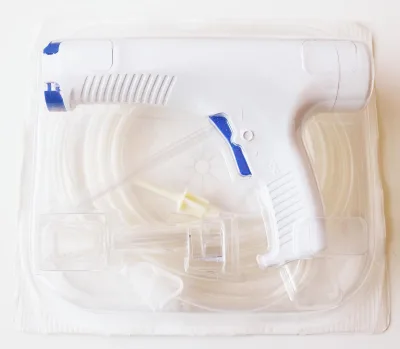
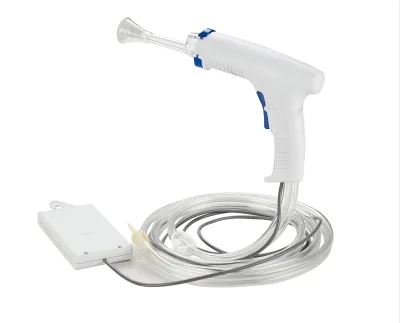
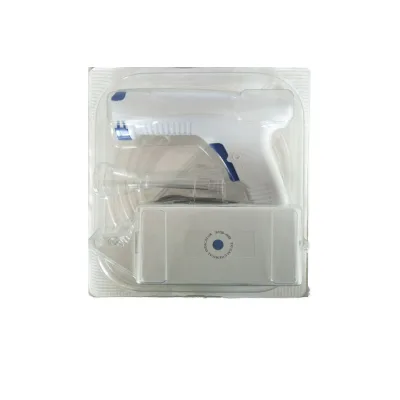
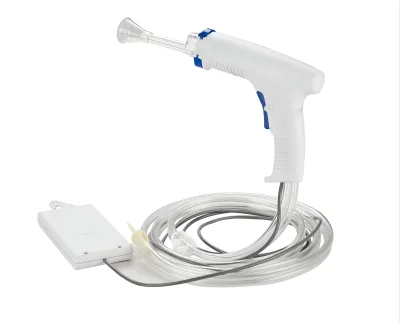
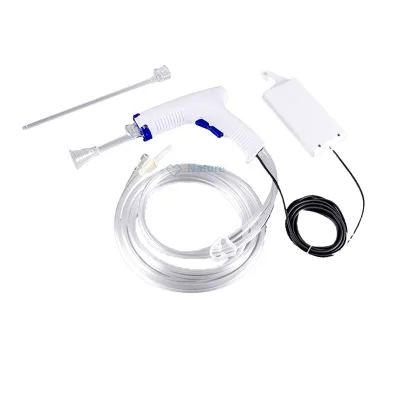
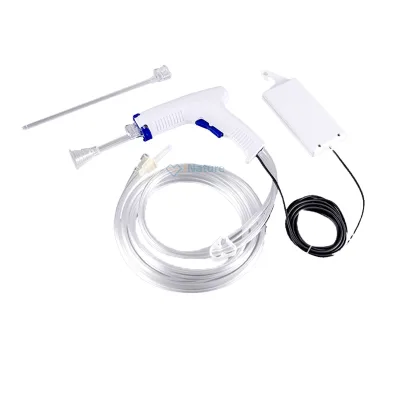


Orthopedic Medical Disposable Pulse Surgical Irrigator Pulse Lavage System
$27.00 - $40.00
MOQ: 1 Sets


Superior Disposable Clinical Pulsed Irrigation Irrigator Medical Supply (POM)
$19.25 - $22.25
MOQ: 100 Pieces


Comprehensive Sourcing Guide
Strategic Sourcing Guide for Orthopedic Pulse Irrigators
Navigating the global procurement landscape for orthopedic pulse irrigators requires a disciplined approach that balances clinical efficacy with rigorous supply chain verification. These devices are critical in surgical settings for wound cleansing, debris removal, and irrigation during joint replacement procedures. The market presents a diverse array of options, ranging from single-use disposable units to reusable systems with varying power configurations. Buyers must carefully evaluate the intersection of technical specifications, regulatory compliance, and supplier reliability to ensure patient safety and operational continuity. This guide outlines the essential factors for sourcing these medical instruments effectively, relying on verified product attributes and established industry standards.
Technical Specifications and Functional Classification
The first step in sourcing is understanding the technical classification and functional capabilities of the available units. In the current market, orthopedic pulse irrigators are categorized under different instrument classifications, with observations indicating both Class I and Class II designations depending on the specific model and intended use. This variation necessitates a precise match between the device's classification and the regulatory requirements of the target market. For instance, some models are explicitly designated for wound irrigation and cleaning, while others are tailored for specific orthopedic surgeries such as joint replacements.
Key technical attributes to verify include the power source and the mechanism of fluid delivery. Available units feature both internal and external battery types, offering flexibility for mobile or stationary surgical environments. The core function relies on a pulse flushing mechanism, which generates a high-pressure, pulsed stream of fluid to effectively dislodge contaminants from the wound bed without causing tissue damage. Materials of construction are predominantly plastic and polyethylene (PE), ensuring the devices are lightweight and suitable for single-use applications where sterility is paramount.
Furthermore, the physical design often includes specific color options, typically white or blue, which may assist in visual identification during sterile procedures. Some advanced models may include digital interfaces, though many standard units operate without an LCD display, prioritizing simplicity and reliability in the operating room. The shelf life of these devices is a critical parameter, with observed data suggesting a standard duration of one year, which must be factored into inventory planning to prevent expiration before use.
Regulatory Compliance and Certification Verification
Compliance with international medical device standards is non-negotiable when sourcing orthopedic pulse irrigators. The supply chain for these products is heavily regulated, and buyers must demand proof of certification before finalizing any purchase. The most frequently observed certifications in the market include CE marking and ISO 13485, which signifies adherence to quality management systems specific to medical devices. Some listings also reference ISOCE, indicating a combination of standards that may be relevant for specific regional markets.
Disinfection and sterilization methods are equally critical components of compliance. The majority of disposable pulse lavage units utilize ethylene oxide sterilization, a standard method for ensuring the devices are free from pathogens prior to reaching the surgical suite. Buyers should verify that the supplier provides documentation confirming the sterilization process, as this directly impacts the safety profile of the product. Additionally, the presence of a warranty, often cited as one year for certain models, serves as an indicator of the manufacturer's confidence in their quality control processes, though this should be cross-referenced with the specific terms of the purchase agreement.
When evaluating a supplier, it is essential to confirm that their quality certifications are current and valid for the specific model numbers being sourced. The market data indicates that models such as the TY-CXQ and WDS-01/WPL-01 are associated with these certifications, but buyers must ensure that the certification applies to the batch they are purchasing. Relying on general claims without verifying the specific certificate number and scope can lead to significant regulatory risks, particularly in markets with strict enforcement of medical device regulations.
Cost Drivers and Procurement Economics
The pricing structure for orthopedic pulse irrigators is influenced by several variables, including the complexity of the device, the materials used, and the volume of the order. The observed price range in the market is extensive, spanning from $0.11 to $20,000. This wide disparity reflects the difference between basic disposable irrigation tips and sophisticated, reusable electronic units with advanced features. For most surgical departments, the focus is often on the disposable variants, which are priced lower but require higher reorder frequency.
Minimum Order Quantities (MOQ) are another significant factor in procurement economics. Suppliers typically set MOQs ranging from a single piece to 2,000 units. This flexibility allows hospitals to start with small trial orders or to stock up for large-scale procedures. However, buyers should be aware that lower MOQs may come with higher per-unit costs, while bulk orders often trigger volume discounts. The selling units are frequently listed as single items, which simplifies inventory management but requires careful forecasting to avoid stockouts.
Payment terms also play a role in the total cost of ownership. Standard payment methods observed in the market include T/T (Telegraphic Transfer), Western Union, PayPal, and credit cards. The choice of payment method can impact transaction fees and the speed of fund clearance, which in turn affects the lead time for delivery. Buyers should negotiate terms that align with their cash flow cycles while ensuring that the supplier has the financial stability to fulfill large orders without interruption.
Typical Applications and Clinical Use Cases
Orthopedic pulse irrigators are primarily utilized in surgical environments where thorough wound cleansing is essential for optimal healing. The core application involves cleaning wounds and removing debris, blood clots, and bacterial load from the surgical site. This is particularly vital in orthopedic surgery, where the presence of foreign material can lead to infection or implant failure. Specific use cases include joint replacement surgeries, where the irrigation system helps clear bone cement and particulate matter from the joint space.
The versatility of these devices allows them to be used across various patient demographics, with most models designed for adult patients. The "Pulse flushing" property is a key differentiator, as it provides a more effective cleaning action compared to continuous flow irrigation. This is especially important in deep or complex wounds where debris may be trapped in crevices. The ability to customize the device for specific surgical needs is also a feature offered by some manufacturers, allowing for tailored solutions in specialized procedures.
In addition to intraoperative use, the after-sales support provided by suppliers, such as online technical support, ensures that surgical teams can troubleshoot any issues that arise during the procedure. This support is crucial for maintaining the efficiency of the operating room and minimizing downtime. The properties of the device, such as being classified as a wound dressing or orthopedic surgical instrument, further define its role in the clinical workflow, ensuring that it meets the specific needs of the surgical team.
Supplier Evaluation and Quality Assurance
Selecting the right supplier is as important as selecting the right product. Buyers should evaluate potential partners based on their track record, transparency, and ability to meet quality standards. The location of the manufacturer is a relevant factor, with a significant number of suppliers originating from Jiangsu, China, a region known for its medical device manufacturing capabilities. However, the origin alone does not guarantee quality; buyers must verify the supplier's adherence to international standards and their commitment to continuous improvement.
Quality assurance processes should be a central part of the supplier evaluation. This includes reviewing their quality management systems, which should be certified to ISO 13485. Buyers should also inquire about their internal testing protocols and how they handle non-conforming products. The availability of a return and replacement policy is another indicator of a supplier's confidence in their product quality. This policy provides a safety net for buyers in case of defects or shipping damages.
Transportation and logistics capabilities are also critical. Suppliers should offer reliable shipping options such as FedEx, DHL, UPS, and EMS to ensure that products arrive in a timely and secure manner. The ability to provide tracking information and maintain a consistent supply chain is essential for hospitals that rely on just-in-time inventory management. Additionally, the stock availability of the products should be confirmed to prevent delays in critical surgical schedules.
Long-Term Procurement and Inventory Management
Sourcing orthopedic pulse irrigators is not a one-time transaction but an ongoing relationship that requires strategic planning. Buyers must consider the shelf life of the products, which is typically one year, when planning their inventory levels. Overstocking can lead to expired products and financial loss, while understocking can disrupt surgical schedules. A balanced approach involves maintaining a buffer stock while monitoring usage rates to optimize reorder points.
The customization options available from suppliers can also play a role in long-term procurement strategies. If a hospital has specific requirements for branding or device configuration, working with a supplier that offers customization can streamline the procurement process and ensure that the devices meet the institution's unique needs. However, customization may extend lead times, so buyers should plan accordingly.
Finally, the after-sales service provided by the supplier is a key component of long-term success. Online technical support and warranty coverage ensure that any issues are resolved quickly, minimizing the impact on surgical operations. Buyers should establish clear communication channels with their suppliers to address any concerns promptly and to stay informed about new product developments or regulatory changes that may affect their procurement strategy. By focusing on these long-term considerations, buyers can build a resilient and efficient supply chain for orthopedic pulse irrigators.
FAQs
What certifications do orthopedic pulse irrigators typically have?
Many models carry CE and ISO 13485 certifications to ensure quality management compliance. Some listings also reference ISOCE standards, which buyers must verify against specific batch numbers before purchase.
How are these devices sterilized before surgical use?
The majority of disposable units utilize ethylene oxide sterilization to ensure they are pathogen-free. This method is standard for maintaining sterility in wound irrigation and orthopedic surgical applications.
Which power options are available for these irrigators?
Available units feature both internal and external battery types for flexible use. This allows the devices to function effectively in various mobile or stationary surgical environments without external power constraints.
What is the typical shelf life of these products?
The observed shelf life for these devices is typically one year. Buyers must factor this duration into inventory planning to prevent expiration before the devices are used in surgical procedures.
Can buyers customize the specifications of these devices?
Customization is available for specific surgical needs from certain manufacturers. This feature allows hospitals to tailor devices for specialized procedures while ensuring they meet unique institutional requirements.
What is the minimum order quantity for these products?
Suppliers typically set minimum order quantities ranging from one piece to two thousand units. This flexibility allows hospitals to start with small trial orders or stock up for large-scale procedures.
Where are these orthopedic instruments primarily manufactured?
A significant number of suppliers originate from Jiangsu, China, a region known for medical device manufacturing. Buyers should verify that these suppliers adhere to international quality standards regardless of their geographic origin.
What payment methods are accepted for these purchases?
Standard payment methods include T/T, Western Union, PayPal, and credit cards. The choice of method can impact transaction fees and the speed of fund clearance for the buyer.