Source OSHA Compliance Noise Dosimeter for Factory, Construction, and Mining
Find and compare 30 OSHA Compliance Noise Dosimeter options from suppliers in China. Evaluate models with Bluetooth connectivity, LCD displays, and varying accuracy levels to ensure workplace safety and regulatory adherence; compare the available evidence and request quotations based on your requirements.
Updated
Key considerations
Products List

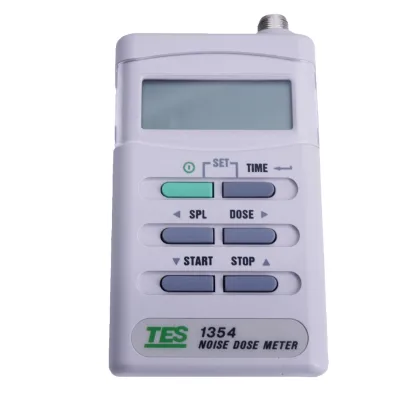
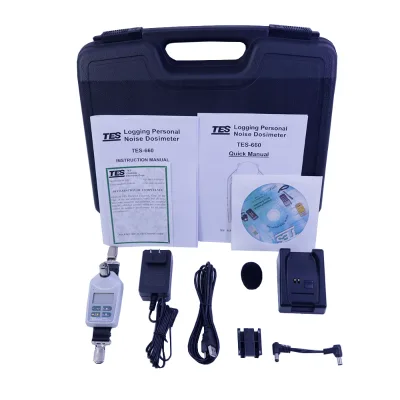
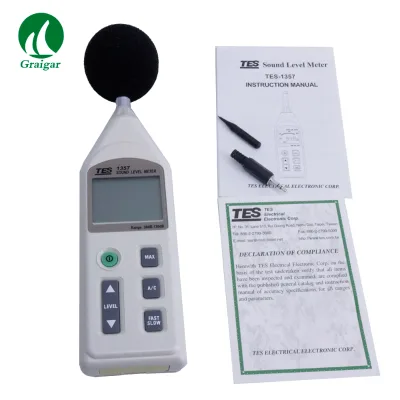
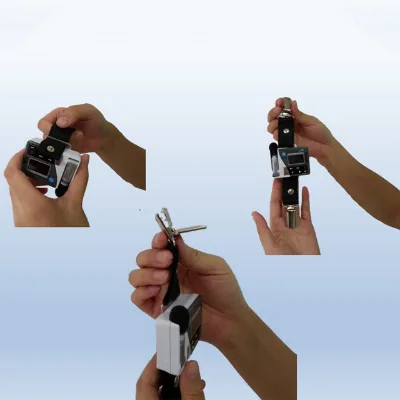
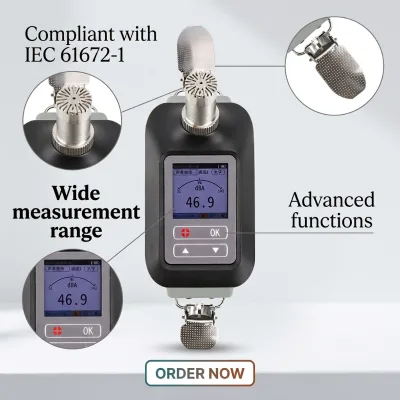
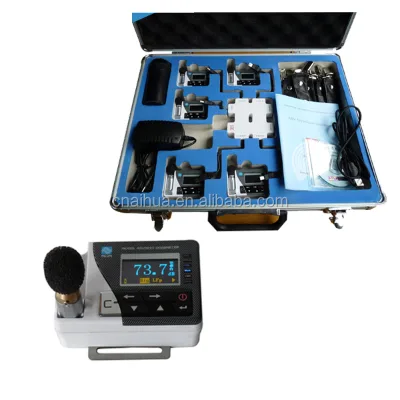
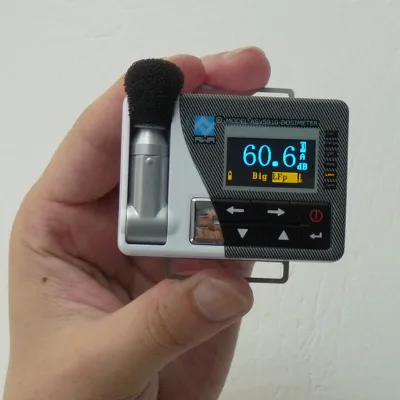
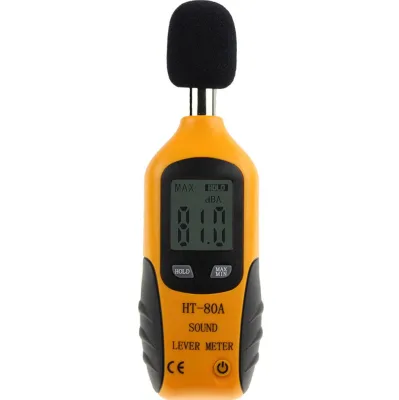


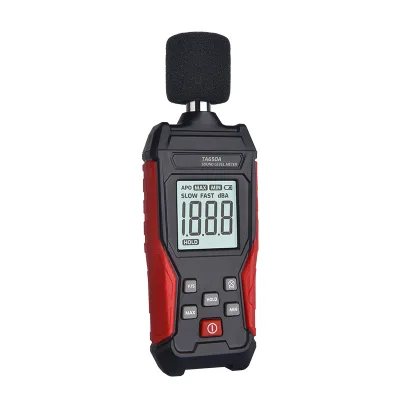

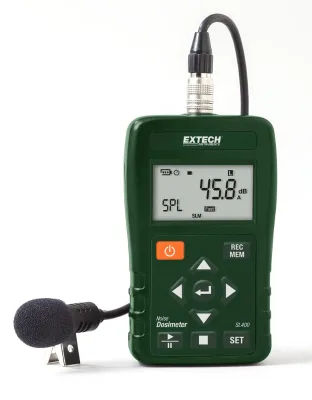
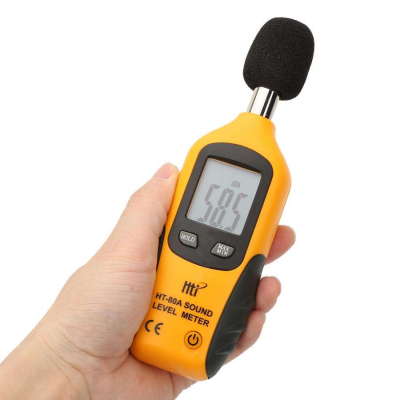
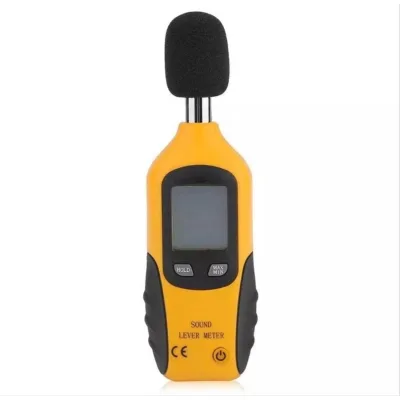
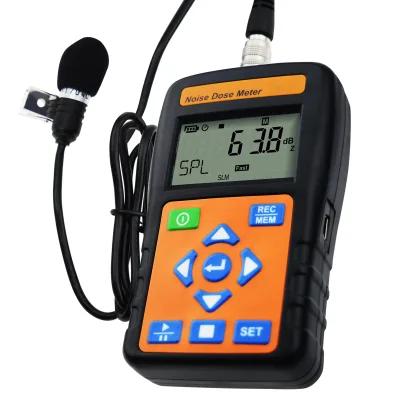
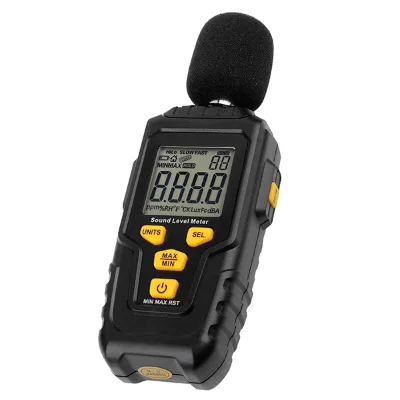
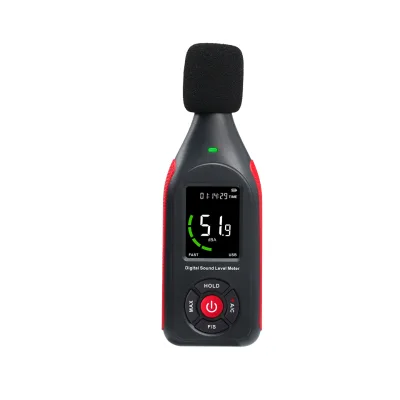
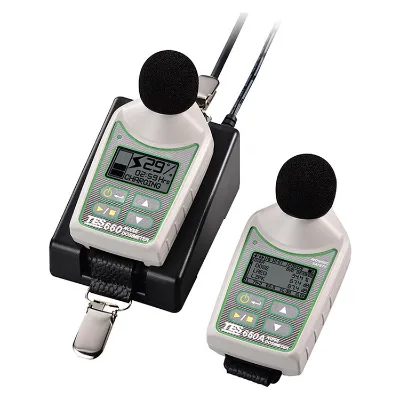
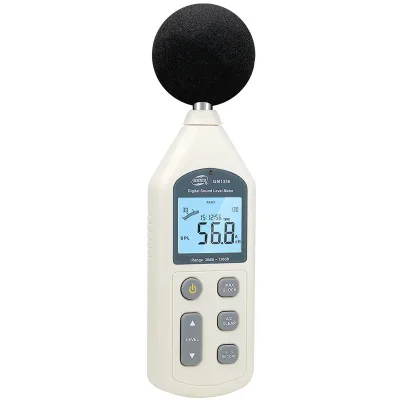
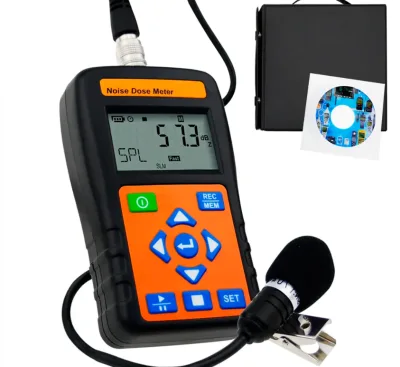
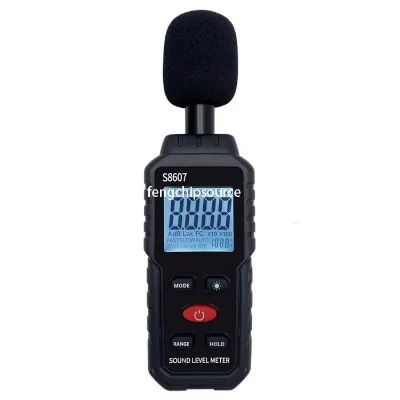
Sound Level Meter Noise Dose Built-in OSHA MSHA DOD ACGIH ISO85 ISO90 USB ST-130
$575.69 - $589.69
MOQ: 1 pieces



Comprehensive Sourcing Guide
OSHA Compliance Noise Dosimeter Sourcing Guide
Procuring noise dosimeters for occupational health requires strict adherence to regulatory frameworks, particularly those established by the Occupational Safety and Health Administration. Buyers must prioritize devices that meet specific acoustic performance criteria to ensure accurate monitoring of worker exposure to hazardous noise levels. The core challenge lies in distinguishing between general sound level meters and true integrating personal dosimeters, as the latter are designed to capture time-weighted averages over an entire shift. This distinction is critical for legal compliance and effective hearing conservation programs.
Sourcing decisions should be guided by observed market signals, such as the availability of customization options and specific communication interfaces like Bluetooth. These features facilitate data transfer and integration with broader safety management systems, enhancing the utility of the device beyond simple measurement. Buyers should also consider the physical attributes of the units, including weight and display type, as these impact worker comfort and usability during extended periods of wear. Understanding these listing signals helps in filtering suppliers who offer robust, compliant solutions rather than basic monitoring tools.
Product Scope and Observed Listing Signals
The current market offers a variety of acoustic monitoring devices, ranging from simple sound level meters to more complex dosimeters. Observed listings indicate a wide price range, reflecting differences in accuracy, resolution, and additional features such as OLED displays or Bluetooth connectivity. Buyers should note that while many products are labeled as sensors or sound level meters, not all are suitable for OSHA compliance without further verification. The presence of customization support, such as OEM or OBM services, suggests that suppliers may offer tailored solutions for specific industrial environments.
Key attributes observed in listings include high-resolution measurements, such as 0.1 dB, and specific frequency ranges like 20 Hz to 12.5 kHz. These technical details are essential for ensuring that the device can accurately capture the noise spectrum relevant to workplace hazards. Additionally, the packaging and origin details, such as plywood pallets or specific carton dimensions, provide insight into the supplier’s logistics capabilities. Buyers should use these signals to assess the reliability and professionalism of potential suppliers, ensuring that the products meet the rigorous demands of industrial safety monitoring.
Technical Specifications to Verify
When evaluating noise dosimeters, buyers must verify critical technical specifications to ensure compliance with OSHA standards. Key parameters include accuracy, typically expressed as ±0.5 dB or ±1.0 dB, and frequency weighting options such as A, C, and Z. The time weighting settings, including Fast, Slow, and Impulse, are also crucial for capturing transient noise events accurately. Buyers should confirm that the device supports the necessary measurement ranges, often spanning from 63 dBA to 140 dBA, to cover the full spectrum of occupational noise exposure.
Resolution and display type are additional factors that impact usability and data precision. Devices with LCD or OLED displays offer clear visibility in various lighting conditions, while high resolution ensures that small changes in noise levels are detected. Buyers should also check the communication interface, as Bluetooth connectivity can streamline data collection and analysis. Verifying these specifications against the specific requirements of the workplace environment is essential to ensure that the selected device provides reliable and legally defensible data.
Compliance and Safety Documentation
Ensuring that noise dosimeters meet OSHA compliance requirements involves verifying the appropriate certifications and documentation. Buyers should look for devices that carry CE and ISO certifications, which indicate adherence to international quality and safety standards. While ISO 9612 is a relevant standard for noise measurement, buyers must confirm that the device meets the specific criteria outlined by OSHA for personal noise dosimetry. This includes verifying that the device has been tested and calibrated according to recognized protocols.
Documentation should also include detailed user manuals and calibration certificates, which are essential for maintaining the accuracy of the device over time. Buyers should ensure that the supplier provides clear guidance on how to operate the device and interpret the results. Additionally, warranty information, such as a one-year or 1.5-year warranty, can provide assurance of the product’s durability and the supplier’s commitment to quality. Proper documentation is crucial for audits and for demonstrating compliance during workplace inspections.
Cost Drivers and Commercial Terms
The cost of noise dosimeters is influenced by several factors, including the device’s accuracy, resolution, and additional features like Bluetooth connectivity. Buyers should expect a wide range of prices, reflecting the diversity of products available in the market. Minimum order quantities (MOQ) can also vary, with some suppliers offering low MOQs for trial orders and others requiring larger commitments. Understanding these commercial terms is essential for budgeting and planning procurement strategies effectively.
Packaging and shipping details, such as the use of plywood pallets or specific carton dimensions, can impact the overall cost and logistics of the purchase. Buyers should also consider the supplier’s location, as this may affect shipping times and costs. Additionally, customization options, such as OEM services, may incur additional fees but can provide significant value for specific industrial applications. By carefully evaluating these cost drivers and commercial terms, buyers can make informed decisions that balance cost efficiency with performance requirements.
Supplier Qualification and Quality Control
Selecting a reliable supplier for noise dosimeters requires thorough qualification and quality control checks. Buyers should verify the supplier’s manufacturing capabilities, including their production facilities and quality management systems. Suppliers with certifications such as CE and ISO are generally more reliable, as they adhere to strict quality standards. Additionally, buyers should assess the supplier’s ability to provide customization services, such as OEM or OBM, which can be crucial for meeting specific workplace requirements.
Quality control processes, including testing and calibration procedures, are essential for ensuring the accuracy and reliability of the devices. Buyers should request documentation of these processes and verify that the supplier conducts regular quality audits. Furthermore, the supplier’s after-sales support, including warranty terms and technical assistance, is an important factor in the long-term success of the procurement. By prioritizing suppliers with robust quality control systems, buyers can minimize the risk of receiving defective or non-compliant products.
Long-Term Procurement Checks
Long-term procurement of noise dosimeters requires ongoing monitoring and evaluation to ensure continued compliance and performance. Buyers should establish a schedule for regular calibration and maintenance of the devices to maintain their accuracy over time. This includes verifying that the calibration certificates are up to date and that the devices are functioning correctly in the workplace environment. Regular audits of the procurement process can also help identify any issues with supplier performance or product quality.
Additionally, buyers should stay informed about changes in OSHA regulations and industry standards that may impact the requirements for noise dosimeters. This includes monitoring updates to ISO standards and other relevant guidelines. By maintaining a proactive approach to procurement, buyers can ensure that their noise monitoring programs remain effective and compliant. Regular communication with suppliers and staying updated on technological advancements can also help in making informed decisions about future purchases.
FAQs
What certifications do these sound level meters have?
These sound level meters hold CE and ISO certifications, ensuring they meet international safety and quality standards for industrial use. The devices are designed for reliable noise monitoring in various environments. Buyers can verify these credentials to ensure compliance with workplace safety regulations and procurement requirements for certified instrumentation.
How accurate are the TES brand noise meters?
The TES brand noise meters offer high precision with accuracy ratings of ±0.5 dB and ±0.1% depending on the specific model. This level of accuracy ensures reliable data collection for occupational health assessments. The devices feature Bluetooth connectivity and LCD displays for easy reading and data transfer in field conditions.
Can these devices be customized for specific needs?
Yes, customization is available for these sound level meters, including OEM and OBM support options. Buyers can request specific configurations to match their operational requirements. The products originate from manufacturers in China, offering flexible sourcing solutions for businesses needing tailored noise measurement instruments for their specific industrial applications.
What is the warranty period for these instruments?
The warranty period for these sound level meters ranges from 1 to 1.5 years, providing coverage for manufacturing defects. This warranty ensures buyer confidence in the product's durability and performance. The instruments are packed securely in plywood pallets or aluminum cases to protect them during transit and storage.
What is the minimum order quantity for these meters?
The minimum order quantity for these sound level meters varies, with observed ranges from 1 to 900 units. This flexibility allows buyers to purchase single units for testing or bulk orders for large-scale deployment. Pricing also varies significantly, reflecting the different specifications and customization options available for each model.
Where are these noise meters manufactured?
These sound level meters are manufactured in multiple locations including Shanghai, Guangdong, and Zhejiang in China, as well as Taiwan. The diverse manufacturing origins allow for varied supply chain options. Buyers can select products based on specific regional preferences or logistical requirements while maintaining access to certified and standardized instrumentation.