Source Outdoor and Indoor Dining Chair and Table Set for Hotels, Restaurants, and Homes
Find and compare 30 options for an Outdoor and Indoor Dining Chair and Table Set. Explore materials like aluminum and teak, customizable sizes, and quick-dry cushions for bars, cafes, and dining rooms.
Key considerations
Products List


Garden Set Outdoor Dining Chairs and Table Solid Wood Teak Outdoor Dining Set
$150.00 - $3500.00
MOQ: 5 Sets

High Quality Leisure Garden Furniture Set Outdoor Dining Table and Chair
$180.00 - $850.00
MOQ: 5 Pieces

Modern Aluminum Dining Table and Chairs All-Weather Outdoor Garden Dining Set
$180.00 - $660.00
MOQ: 5 Sets


Hot Sale Outdoor Hotel Home Modern Furniture Table and Chair Dining Set
$180.00 - $420.00
MOQ: 10 Sets

Outdoor Dining Set Conversation Seating Furniture Set for Backyard Garden
$180.00 - $420.00
MOQ: 10 Sets
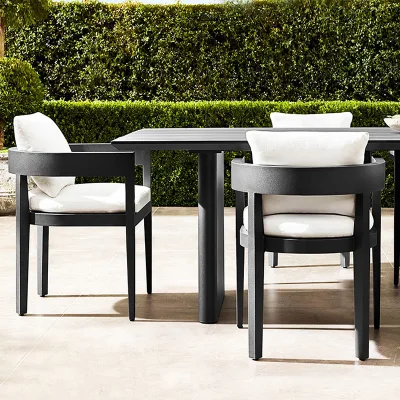
High Quality Aluminum Alloy Table Outdoor Furniture Table and Chairs Outdoor Tables and Chairs Set
$138.00 - $1787.43
MOQ: 1 Minimum

Durable Restaurant Outdoor Furniture Aluminum Dining Table and Chair Set
$69.99 - $259.99
MOQ: 10 Pieces

Aluminum Dining Table and Chair Outdoor Wood Dining Table Set for Restaurant
$209.00 - $229.00
MOQ: 2 Pieces

European Style Outdoor Garden Furniture Sets Wooden Table and Chair Set
$169.99 - $399.99
MOQ: 2 Pieces


Kingwell Garden Outdoor Furniture Dining Sets Garden Table and Chairs Set
$79.99 - $499.99
MOQ: 2 Pieces


Modern White Coffee Table Restaurant Outdoor Furniture Table and Chair Set
$47.10 - $50.00
MOQ: 50 pieces


Outside Garden Set Outdoor Comfort Furniture Dining Table and Chairs Set
$80.00 - $200.00
MOQ: 1 Pieces

Outdoor Restaurant Furniture Outdoor Dining Set Modern Dining Chair Set
$399.00 - $899.00
MOQ: 1 Pieces


Cheap Garden Chairs and Table Dining Room Sets Luxury Outdoor Dining Table Set
$399.00 - $899.00
MOQ: 1 Pieces
Comprehensive Sourcing Guide
Outdoor and Indoor Dining Chair and Table Set Sourcing Guide
Sourcing a complete dining set requires balancing aesthetic versatility with structural durability, as the market offers distinct configurations for different environments. Buyers must first distinguish between sets designed for high-moisture outdoor exposure and those optimized for controlled indoor dining rooms. The available inventory includes aluminum frames paired with quick-drying foam cushions for garden and patio use, alongside solid teak wood constructions that offer a premium, natural aesthetic for both indoor and covered outdoor spaces. Understanding these material distinctions is the first step in defining a procurement strategy that aligns with the specific usage requirements of the target venue.
Commercial listings indicate a wide spectrum of customization options, ranging from standard models to fully bespoke designs where frame materials, cushion colors, and dimensions can be tailored. Suppliers in the Foshan region of Guangdong frequently support OEM and ODM requests, allowing buyers to modify styles and specifications to match brand identity. However, the presence of customization does not guarantee uniformity across all listed items; some products are offered as fixed models with specific model numbers, while others are defined by their ability to accept custom orders. Procurement teams must clarify early in the negotiation whether the requirement is for a catalog item or a fully engineered custom solution to avoid scope creep.
Product Scope and Observed Listing Signals
The observed product range spans from lightweight aluminum dining sets to heavy-duty teak wood combinations, each serving specific functional niches. Aluminum options are frequently marketed for their powder-coated frames and weather-resistant properties, making them ideal for bars, hotels, and outdoor dining rooms where durability against the elements is paramount. In contrast, teak solid wood sets are highlighted for their natural resistance to decay and their suitability for high-end restaurant or cafe environments where a warm, modern aesthetic is desired. Buyers should verify the specific material composition of each listing, as the term "outdoor furniture" may apply to both metal and wood variants with vastly different maintenance profiles.
Listing signals also reveal significant variation in packaging and delivery readiness, which impacts logistics planning and final landed costs. Some suppliers utilize standard carton packing for smaller components, while others employ plywood boxes or flexible materials for larger, more fragile assemblies to ensure safe transit. The observed delivery timelines vary between 25 to 40 days, suggesting that lead times are heavily dependent on the level of customization and current production capacity. Additionally, the minimum order quantity (MOQ) can range from as low as 5 pieces to 200 units, requiring buyers to align their initial order volume with the supplier's production thresholds to secure the best commercial terms.
Technical Specifications to Verify
Material integrity is the primary technical factor to evaluate, particularly regarding the frame construction and cushion composition. For aluminum sets, the verification process should confirm the use of powder-coated aluminum frames to prevent corrosion and ensure long-term structural stability in outdoor settings. For wood-based options, the specification must explicitly state "teak solid wood" rather than treated or composite alternatives to guarantee the natural durability and aesthetic quality expected of premium outdoor furniture. Buyers should also scrutinize the cushion specifications, looking for quick-drying foam and waterproof or quick-dry fabrics that prevent mold growth and maintain comfort in humid conditions.
Dimensional and functional specifications require precise alignment with the intended space and usage patterns. While many listings offer customized sizes and colors, the baseline models often come with specific model numbers that define their footprint and load-bearing capacity. It is critical to verify the "folded" status of the furniture, as some outdoor sets are designed to remain unfolded for permanent installation, while others may offer folding mechanisms for storage efficiency. Furthermore, the "general use" classification should be cross-referenced with the specific application, ensuring that a set marketed for "garden sofa" use is structurally appropriate for a high-traffic restaurant dining area.
Compliance and Safety Documentation
While specific certification data is not universally present in all listings, buyers must request proof of compliance with relevant safety and environmental standards before finalizing any order. The industry generally expects outdoor furniture to meet standards for structural stability and material safety, particularly regarding the chemical treatments used on wood or the coatings applied to metal frames. Although some background information mentions CE certification as a potential standard, this should not be assumed for every product; instead, procurement teams must explicitly ask for test reports or certificates that verify the product meets the safety requirements of the destination market.
Environmental and hygiene attributes are increasingly important for modern procurement, especially for hospitality and public dining venues. Suppliers often highlight advantages such as being "environmentally friendly" and "easy to washable," which are critical for maintaining hygiene standards in commercial settings. Buyers should verify these claims by requesting documentation on the recyclability of materials, the absence of harmful volatile organic compounds (VOCs) in fabrics, and the efficacy of the cleaning processes recommended for the specific cushion and frame materials. Ensuring that the product meets these environmental and hygiene benchmarks is essential for maintaining brand reputation and adhering to local health regulations.
Cost Drivers and Commercial Terms
The final cost of an outdoor and indoor dining set is driven primarily by the choice of raw materials, the extent of customization, and the complexity of the packaging. Aluminum sets with powder-coated finishes and specialized quick-dry cushions generally command different price points compared to solid teak wood sets, which involve higher material costs and more intensive craftsmanship. Customization options, such as specific color requests or modified dimensions, introduce additional variables that can increase the unit price and extend the production lead time. Buyers must understand that the observed price range of 40 to 3500 USD reflects these significant differences in material quality and production complexity.
Commercial terms regarding payment, shipping, and warranty are equally critical to the total cost of ownership. The observed warranty period of two years provides a baseline for quality assurance, but buyers should confirm the specific terms of coverage, including what constitutes normal wear and tear versus manufacturing defects. Lead times of 25 to 40 days must be factored into the supply chain schedule, with a buffer added for potential delays caused by customization requests or logistical bottlenecks. Additionally, the MOQ of 5 to 200 units influences the per-unit cost, meaning that smaller orders may incur higher relative costs unless the supplier offers a tiered pricing structure.
Supplier Qualification and Quality Control
Supplier qualification should focus on verifying the origin and production capabilities, as the majority of listed products originate from Foshan, Guangdong, a recognized hub for furniture manufacturing. Buyers should confirm that the supplier has the capacity to handle both standard and customized orders, as evidenced by their support for OEM and ODM services. It is essential to validate the supplier's ability to maintain consistent quality across batches, particularly when dealing with natural materials like teak wood where grain and density can vary. Requesting samples or visiting the production facility can provide insight into the craftsmanship and the rigor of their internal quality control processes.
Quality control protocols must be established to ensure that the delivered products match the agreed-upon specifications and standards. This includes verifying the "new" condition of the items and ensuring that the packaging, whether carton or plywood, is sufficient to prevent damage during transit. Buyers should implement a pre-shipment inspection process to check for defects in the frame welding, fabric stitching, and cushion density. Given the "easy to washable" and "durable" features claimed by suppliers, testing the actual performance of these attributes on a sample batch is a prudent step to confirm that the product will withstand the intended usage environment without premature degradation.
Long-Term Procurement Checks
Sustaining a successful procurement relationship requires ongoing monitoring of product performance and supplier reliability over time. Buyers should track the durability of the cushions and frames in real-world conditions, noting any issues with fading, water damage, or structural fatigue that may not have been apparent during the initial inspection. Regular feedback loops with the supplier can help identify areas for improvement, such as enhancing the waterproofing of fabrics or refining the powder-coating process for aluminum frames. This continuous evaluation ensures that the furniture continues to meet the operational needs of the venue and maintains the desired aesthetic appeal.
Future procurement strategies should also account for the scalability of the supply chain and the flexibility of the supplier to adapt to changing market demands. As the business grows, the ability to increase order volumes without compromising lead times or quality becomes a critical factor. Buyers should maintain open communication regarding inventory levels and production schedules to avoid stockouts during peak seasons. Additionally, staying informed about new material technologies and design trends allows procurement teams to make informed decisions about future upgrades or replacements, ensuring that the dining set remains a competitive asset for the business.
FAQs
Can I customize the color and size of the outdoor dining set?
Yes, customization is available for both color and size. The product supports OEM and ODM services, allowing style modifications. You can choose from optional cushion colors and customized frame finishes. This ensures the furniture matches your specific project requirements and aesthetic preferences.
What materials are used for the frame and cushions?
Frames are constructed from aluminum or teak solid wood. Cushions utilize outdoor fabric with quick-drying foam. These materials ensure durability and weather resistance. The aluminum option offers a powder-coated finish, while the teak option provides a natural wood aesthetic suitable for various outdoor environments.
What is the typical delivery time for orders?
Delivery typically takes 25 to 40 days. This range accounts for production and processing times. Specific lead times may vary based on order volume and customization complexity. Buyers should plan their procurement schedule accordingly to ensure timely installation and use of the furniture sets.
What is the minimum order quantity for these sets?
The minimum order quantity is generally 5 pieces. This low MOQ allows for flexible purchasing for smaller projects or sample testing. However, observed ranges can extend up to 200 pieces depending on the supplier. Buyers should confirm the exact MOQ with the specific manufacturer before placing an order.
Are the cushions easy to maintain and wash?
Yes, the cushions are designed to be easy to wash and durable. They feature quick-drying foam and waterproof properties. This makes them suitable for outdoor use in various weather conditions. The fabric is also environment-friendly, ensuring long-term usability with minimal maintenance effort from the end user.
Where are these dining sets manufactured?
These sets are manufactured in Foshan, Guangdong, China. This region is a known hub for furniture production. Buyers can expect standardized packaging in carton or plywood boxes. The origin ensures access to established supply chains and manufacturing expertise for both aluminum and teak wood furniture options.