Source Outdoor Beekeeping Anti-mosquito Hat for Beekeeping, Camping, and Orchard
Source the Outdoor Beekeeping Anti-mosquito Hat for professional and recreational use. Compare 30 verified listings featuring breathable mesh, secure zippers, and UV protection. Ideal for beekeepers, campers, and orchard workers seeking reliable face protection in hot environments; compare the available evidence and request quotations based on your requirements.
Key considerations
Products List

Beekeeping Outdoor Hats Anti Bee Insect Bug Mosquito Hat Polyester Fiber
$50.00 - $100.00
MOQ: 100 Pieces

New Pomelo Brown Anti-Bee Hat with Veil for Bee Farming Outdoor Fishing Mosquito
$50.00 - $100.00
MOQ: 100 Pieces


Beekeeping Protective Bee Hat Anti Bee Two-Layer Head Top Camouflage Hat-Veil
$50.00 - $100.00
MOQ: 100 Pieces

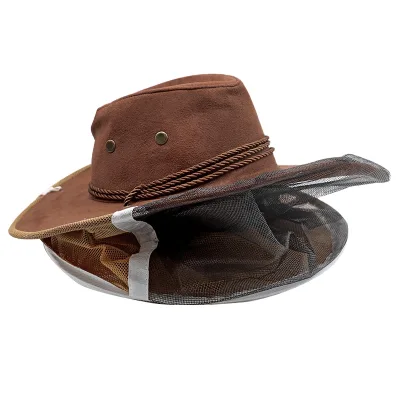


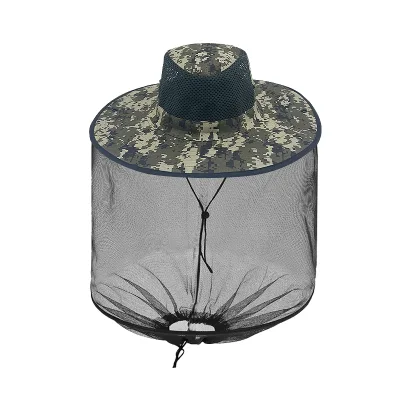


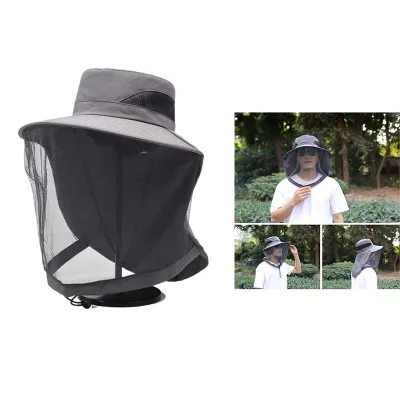
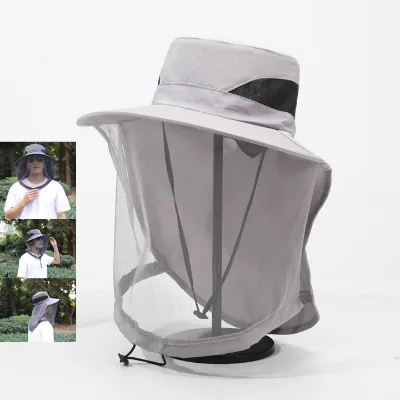
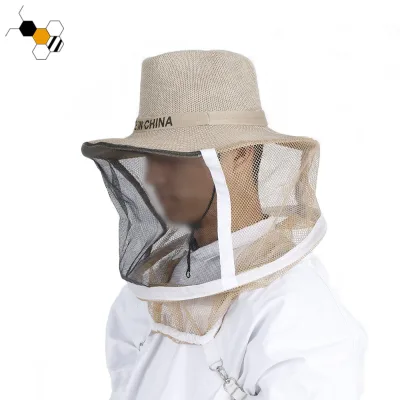
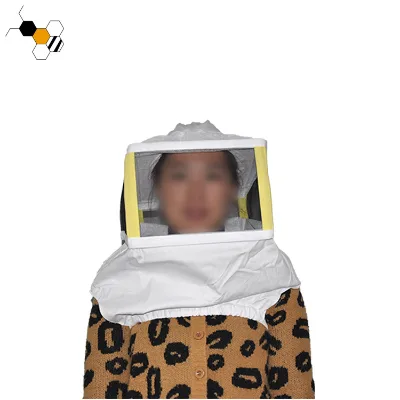
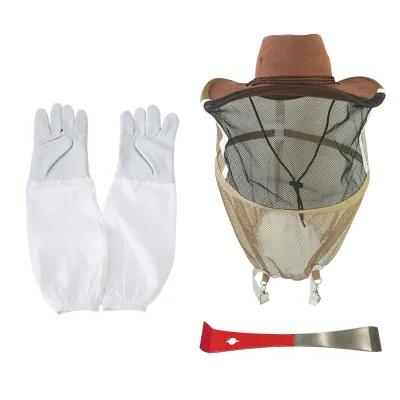


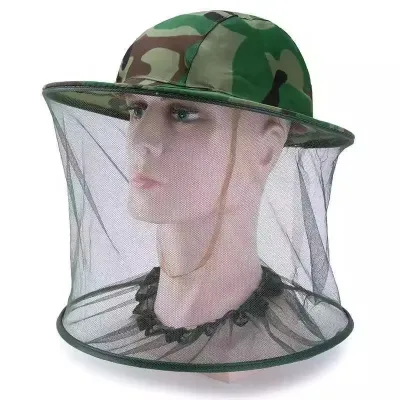
Comprehensive Sourcing Guide
Outdoor Beekeeping Anti-mosquito Hat Sourcing Guide
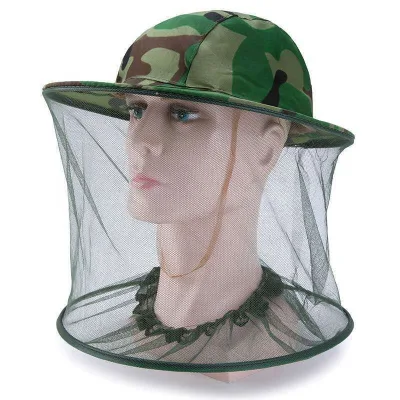
Procurement of outdoor beekeeping anti mosquito hats requires careful attention to the specific construction of the protective veil and the durability of the fabric used. Buyers must verify that the product features high-density fabric and reinforced stitching to ensure high-confidence sting protection during active hive management. The design typically incorporates a ventilated structure to maintain breathability in hot environments, which is critical for worker safety and comfort during extended operations.
Sourcing decisions should also prioritize the visibility and security of the mesh veil, as these elements directly impact the beekeeper's ability to work safely. A high-quality mesh provides wide vision while a secure double zipper with flap protection prevents bee entry, a non-negotiable feature for effective insect defense. Buyers should confirm that the selected model offers a detachable mesh net and foldable design, ensuring the gear is practical for storage and transport between orchard work and outdoor operations.
Product Scope and Observed Listing Signals
The market for these protective caps presents a diverse range of models, with observed listing prices spanning from 0.3 to 100 USD and minimum order quantities varying between 1 and 200 units. This wide variance suggests a spectrum of product tiers, from basic single-item units to bulk customized orders, requiring buyers to clearly define their volume needs before engaging with suppliers. The observed data indicates that some listings offer single items with specific packaging like cartons or OPP bags, while others may support larger commercial shipments.
Buyers must distinguish between generic protective caps and specialized beekeeping gear by examining the specific application tags and material composition listed in product descriptions. While some listings mention general outdoor uses like fishing or camping, the core function for this category is beekeeper protection against flies and insects. It is essential to verify that the product explicitly states its application as a beekeeper protective hat rather than a general sun cap, ensuring the mesh density and structural integrity meet the rigorous demands of apiary work.
Technical Specifications to Verify
Technical verification must begin with the head circumference and size compatibility, as the supplied data indicates a standard range of 56 to 60 cm for many models. Buyers should confirm that the selected hat accommodates the target user's head size to ensure a secure fit that does not compromise the seal of the veil. The material composition is another critical factor, with 100% polyester and nylon net yarn being common specifications that offer a balance of durability and breathability for spring and summer seasons.
Further inspection should focus on the structural features such as the presence of a brim and the specific design of the mesh netting. The product should feature a clear visibility veil made of high-quality mesh to allow for wide vision while maintaining a barrier against insects. Buyers must also check for the inclusion of a secure double zipper with flap protection, which is a vital mechanical feature to prevent bee entry. Additionally, the weight of the unit, often around 0.2 kg, should be considered to ensure the gear remains lightweight for all-day wear without causing fatigue.
Compliance and Safety Documentation
Safety documentation for beekeeping protective gear often relies on the manufacturer's internal quality standards rather than universal external certifications, as the observed data lists standards as customized. Buyers should request detailed product specifications that explicitly describe the fabric density and stitching reinforcement to validate the claim of high-density sting protection. Since the product is marked as non-disposable and designed for repeated use, the durability of the materials under stress is a key compliance metric that must be verified through sample testing.
Procurement teams must also assess the safety of the zipper mechanism and the integrity of the mesh attachment points to ensure they do not fail during sudden movements. While specific safety certifications were not observed in the provided listings, buyers should demand evidence of rigorous quality control processes that verify the product meets the functional requirements of face protection and mosquito prevention. It is crucial to confirm that the hat is designed for adult users and that the materials used are safe for prolonged skin contact in outdoor environments.
Cost Drivers and Commercial Terms
The cost of sourcing these hats is influenced by the level of customization, material quality, and the complexity of the packaging requirements. Listings indicate that customization is available, which can drive up unit costs depending on the extent of branding or structural modifications requested. Buyers should anticipate that orders requiring specific logo placements on the brim, front panel, or side panels will incur higher production costs compared to standard solid or patterned designs.
Commercial terms must be negotiated with a clear understanding of the minimum order quantities and the single package size, which is observed to be 12x12x3 cm for individual units. The weight of the single gross weight, noted at 0.800 kg, impacts shipping costs, especially for international orders where volume and weight are primary cost drivers. Buyers should clarify whether the price includes the cost of the carton packing or if it is an additional line item, as this affects the total landed cost per unit.
Supplier Qualification and Quality Control
Supplier qualification should focus on verifying the place of origin and the manufacturing capabilities of the facility, with observed locations including Guangdong, Shandong, and Zhejiang in China. Buyers must ensure that the supplier has a proven track record in producing protective headgear, specifically looking for experience with beekeeping tools and outdoor protective equipment. The presence of a brand name or the ability to provide custom branding is a strong indicator of a supplier's capacity to meet specific buyer requirements.
Quality control protocols must be established to verify the consistency of the product attributes, such as the head circumference range and the material composition. Buyers should request pre-shipment samples to test the breathability, visibility, and the effectiveness of the double zipper mechanism in preventing insect entry. It is also essential to confirm that the supplier can consistently deliver products that match the observed specifications, including the non-antistatic and non-dustproof nature of the gear, to avoid mismatches in performance expectations.
Long-Term Procurement Checks
Long-term procurement strategies should include regular audits of the supplier's ability to maintain consistent quality across different production batches. Buyers need to monitor the stability of the material supply chain to ensure that the 100% polyester and nylon net yarn remain available and meet the required durability standards. Continuous verification of the product's performance in real-world scenarios, such as orchard work and outdoor operations, is necessary to validate the initial claims of sting protection and sun protection.
Sourcing teams should also track the evolution of product models and features, as the market may introduce new designs with improved ventilation or enhanced visibility. Maintaining a relationship with suppliers who offer flexible customization options will allow buyers to adapt to changing market demands or specific regulatory requirements. Regular reviews of the warranty status and after-sales support are also critical, as the observed data indicates that warranty is currently unavailable, necessitating a proactive approach to managing product defects or returns.
FAQs
What materials are used in the beekeeping hat?
The hat is constructed from 100% polyester fabric combined with a high-quality mesh veil. This combination ensures durability while providing clear visibility. The design incorporates ventilated features to maintain comfort in hot environments, making it suitable for extended outdoor use during beekeeping activities.
Can the mesh veil be detached from the hat?
Yes, the mesh veil is designed to be detachable for easy cleaning and storage. This feature allows users to remove the netting when not needed for protection. The hat remains functional as a protective cap, offering sun protection and face shielding even without the attached insect barrier.
What sizes are available for this protective hat?
The hat is available in a standard size range of 56 to 60 cm head circumference. This unisex sizing accommodates most adult users comfortably. The adjustable fit ensures a secure placement during active work, preventing the hat from shifting while protecting the face and neck from insects and sun exposure.
Does the hat include a brim for sun protection?
Yes, the hat features a brim to provide effective sun protection for the face and neck. This design element helps shield users from direct sunlight during outdoor operations. Combined with the mesh veil, it offers comprehensive protection against both UV rays and flying insects, ideal for beekeeping and orchard work.
Is the hat suitable for summer beekeeping activities?
Yes, the hat is specifically designed for spring and summer use. Its ventilated construction and breathable materials help manage heat in warm environments. The lightweight polyester fabric ensures comfort during extended periods of outdoor work, making it an excellent choice for beekeepers and gardeners operating in hot weather conditions.
How is the hat packaged for shipping?
The hat is packaged in either carton packing or OPP bags depending on the specific model. This flexible packaging option ensures safe transit and protects the product from damage. The compact single package size of 12x12x3 cm facilitates efficient storage and handling for both suppliers and end-users during distribution.